Filters

387 filtered results

Clear all filters
Favorites
With answer key
Interactive

387 filtered results

Difficulty Level

Grade


Check out this FREE Trial Lesson on Addition for age 4-6!

Short and Long Vowel Sort

Favorites
With answer key
Interactive
  • 4-6
  • Number Recognition
  • Addition
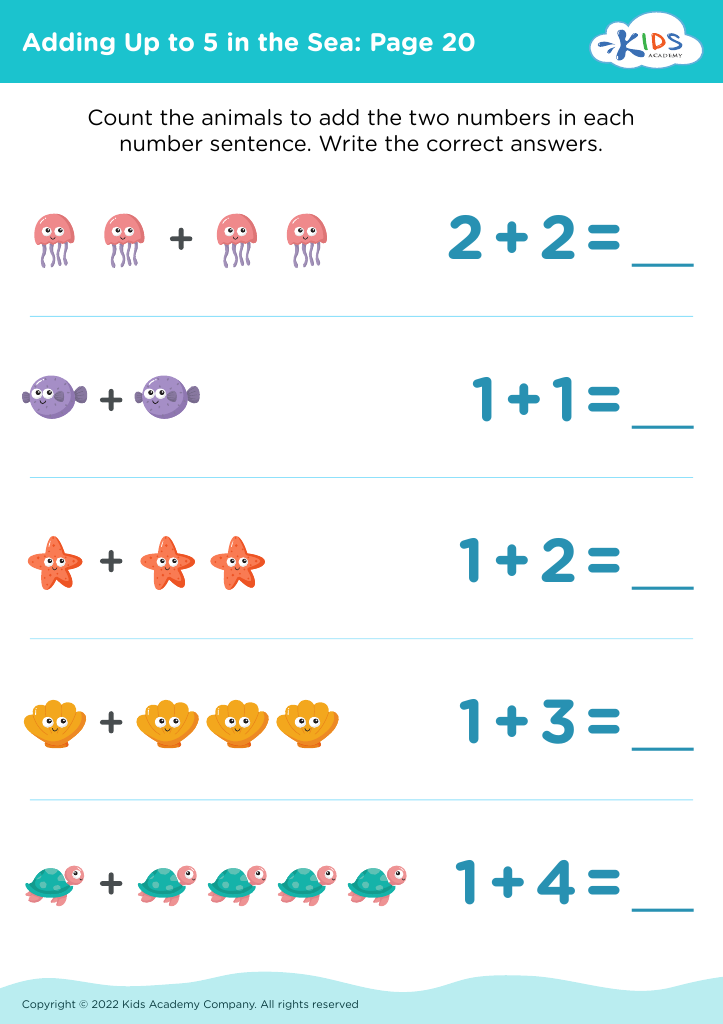
Adding Up to 5 in the Sea: Page 20
Worksheet
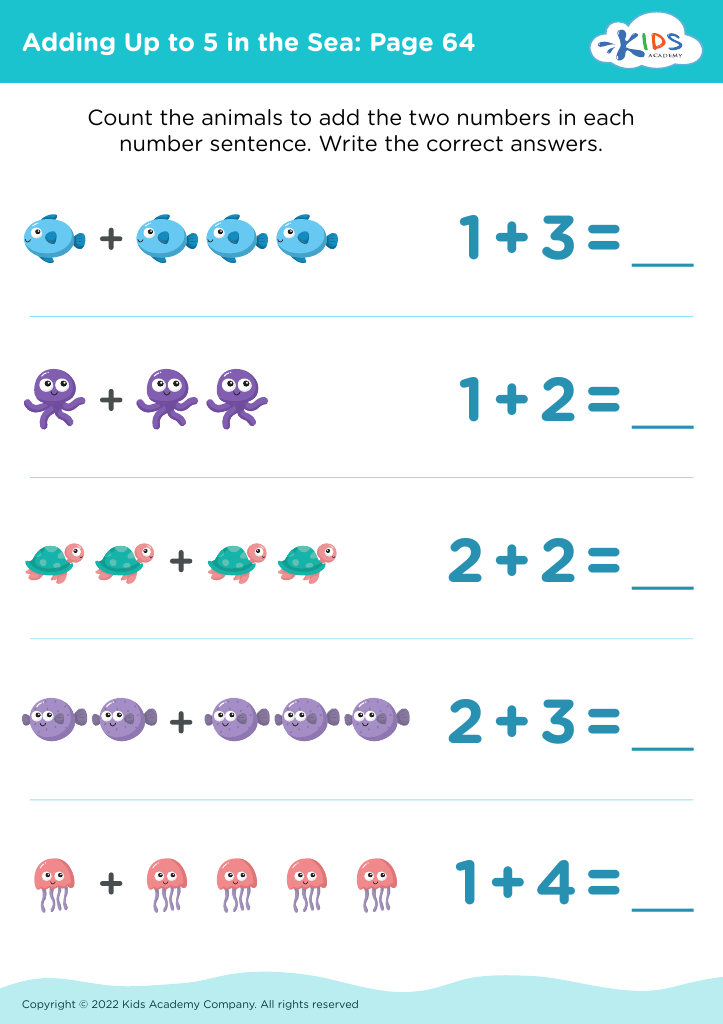
Adding Up to 5 in the Sea: Page 64
Worksheet
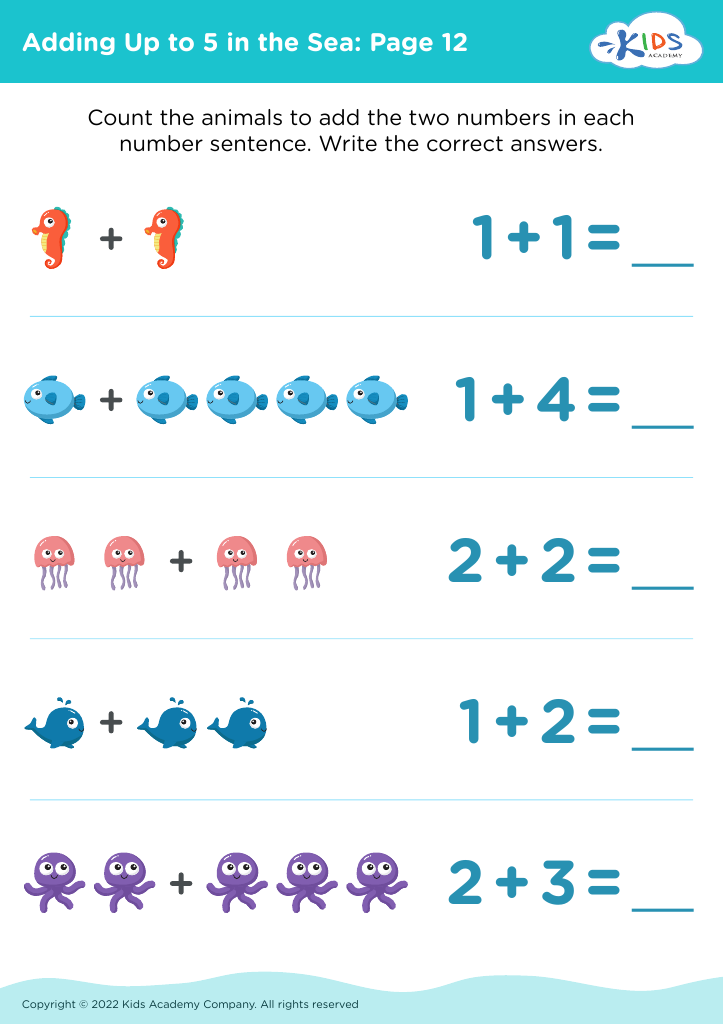
Adding Up to 5 in the Sea: Page 12
Worksheet
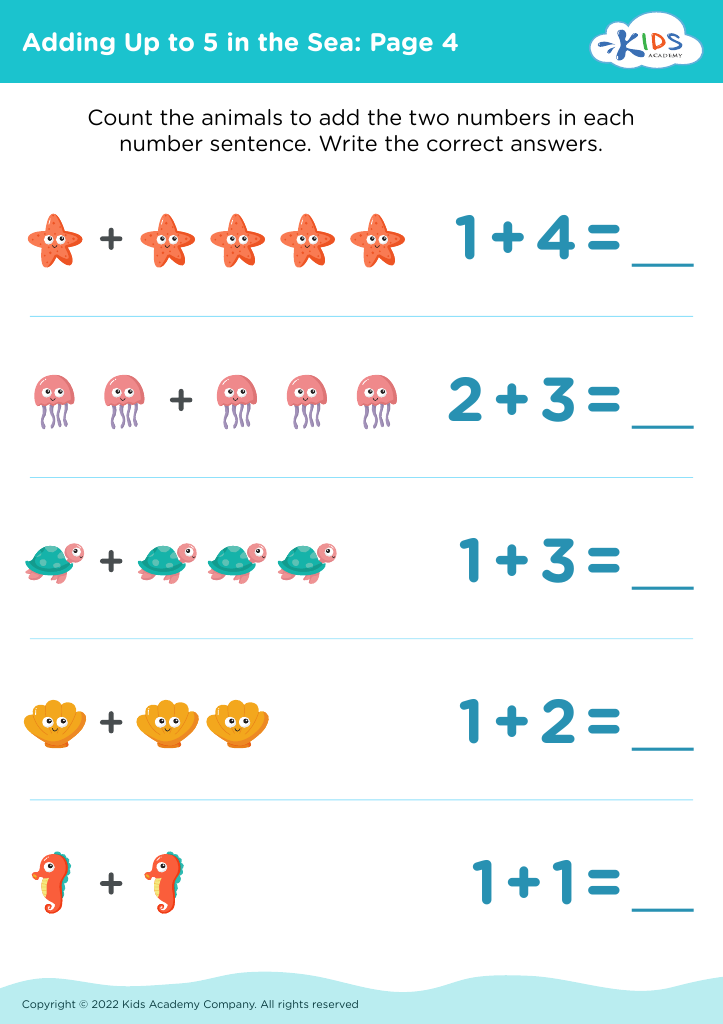
Adding Up to 5 in the Sea: Page 4

Adding Up to 5 in the Sea: Page 4

Adding Up to 5 in the Sea: Page 4
Worksheet
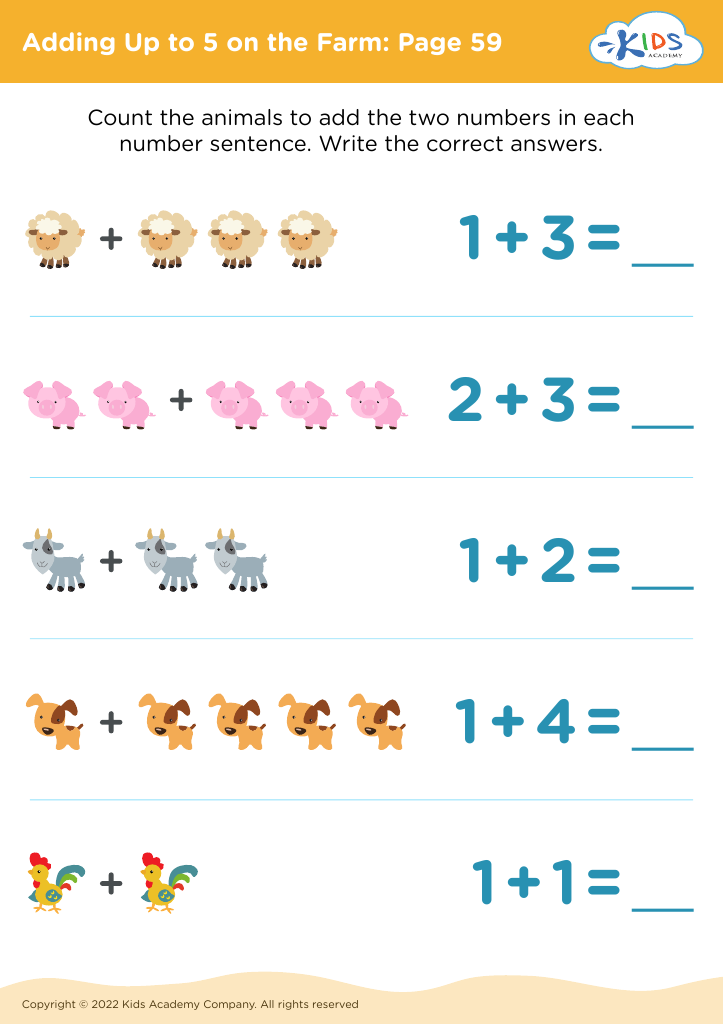
Adding Up to 5 on the Farm: Page 59
Worksheet
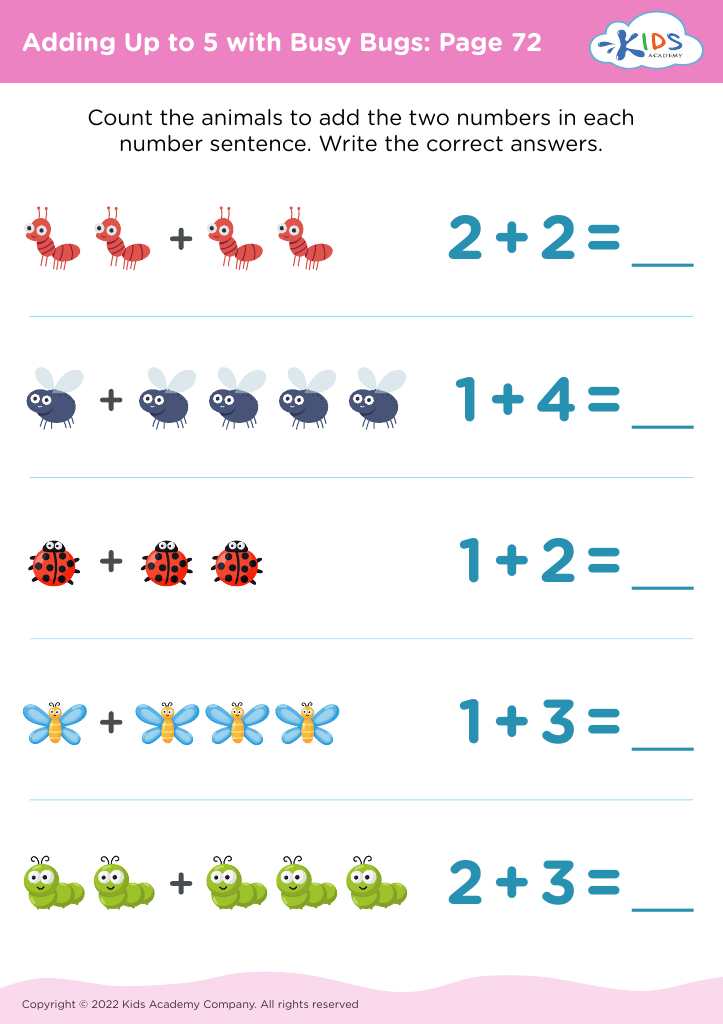
Adding Up to 5 with Busy Bugs: Page 72
Worksheet
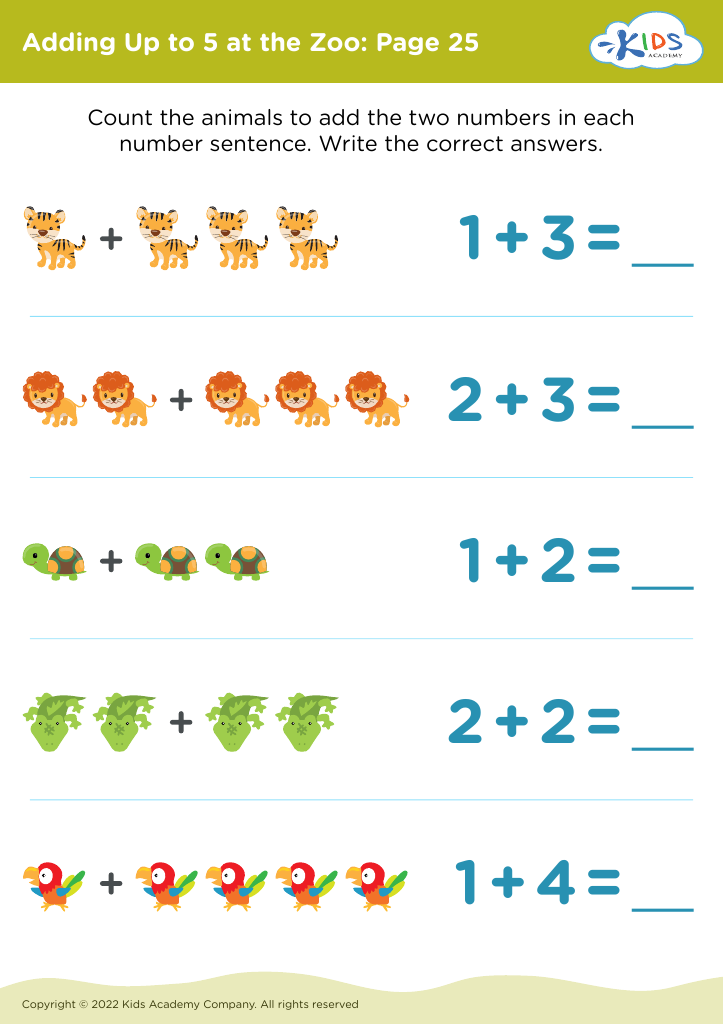
Adding Up to 5 at the Zoo: Page 25
Worksheet
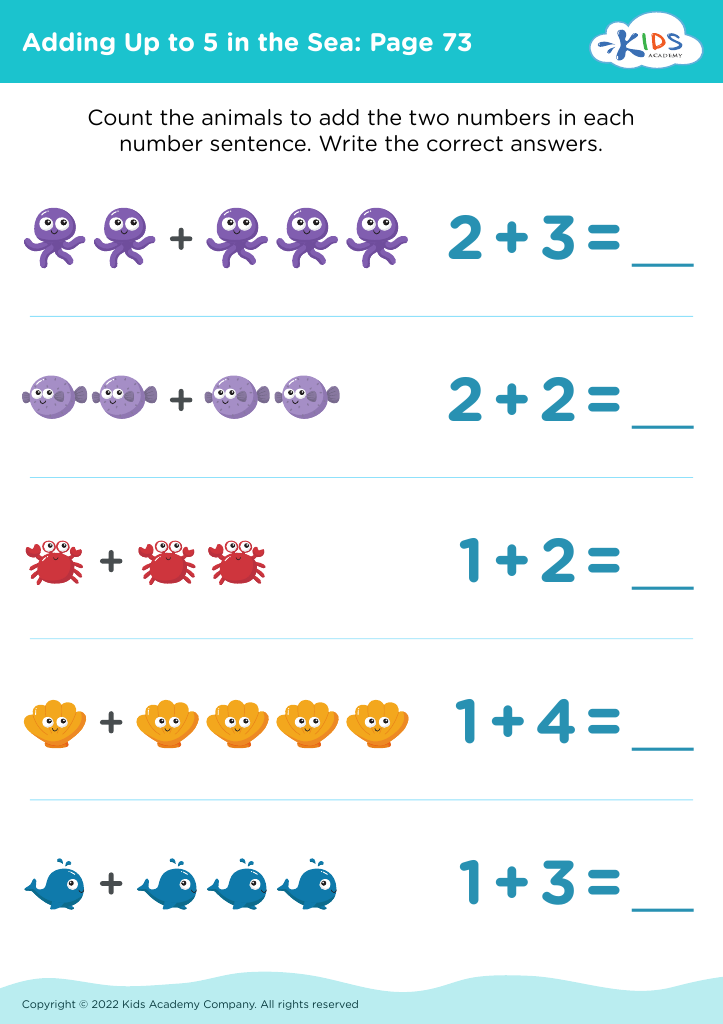
Adding Up to 5 in the Sea: Page 73
Worksheet
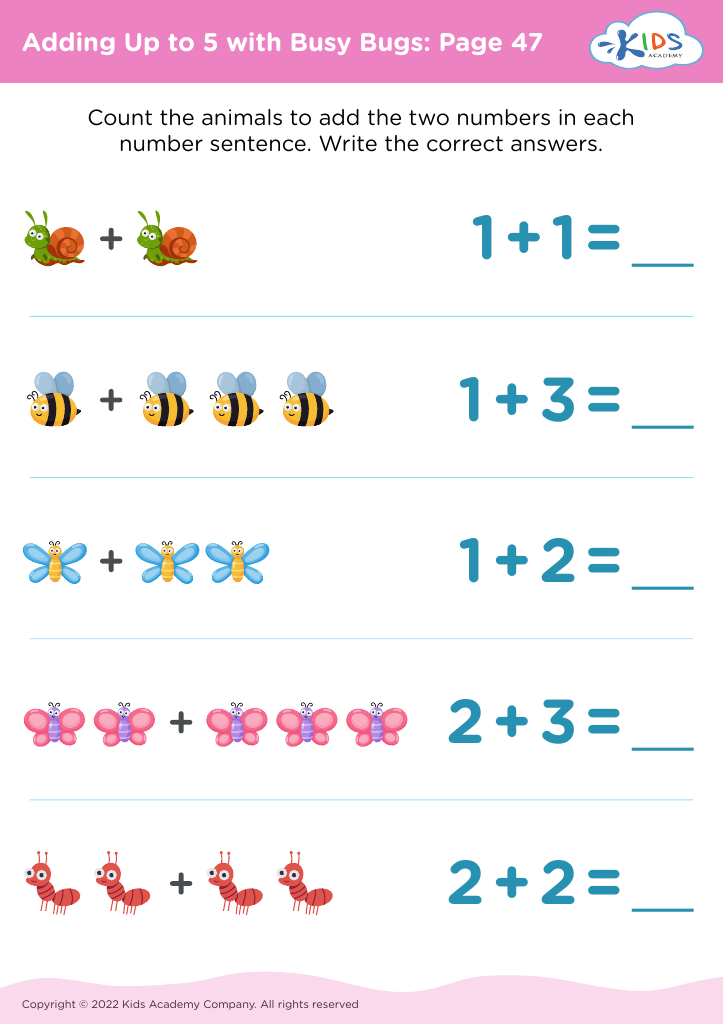
Adding Up to 5 with Busy Bugs: Page 47
Worksheet
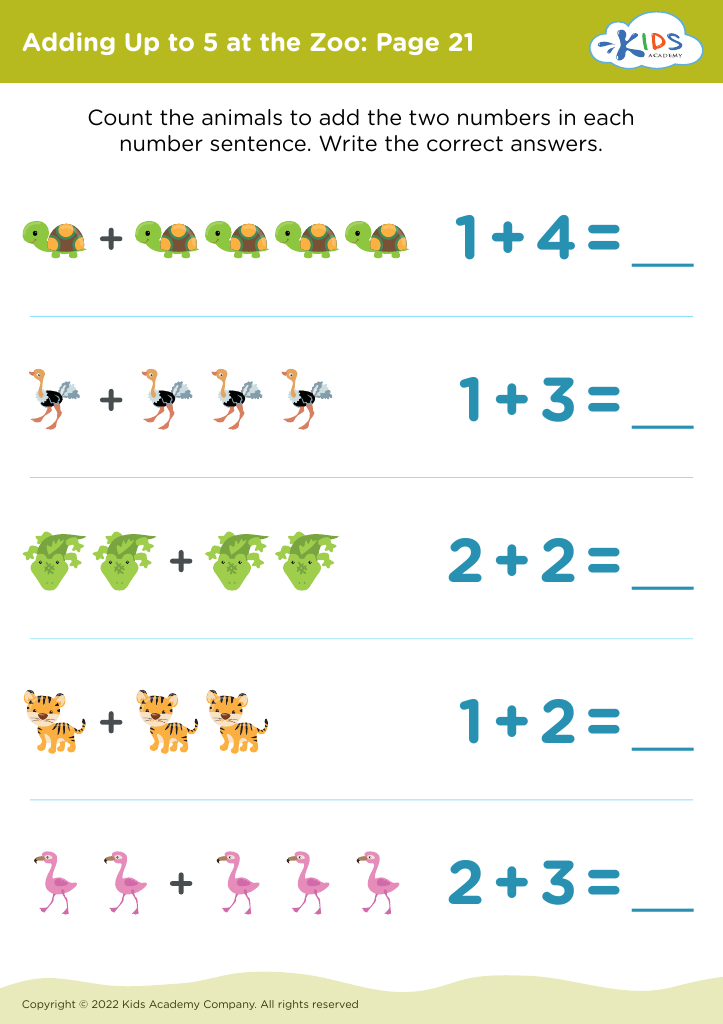
Adding Up to 5 at the Zoo: Page 21
Worksheet
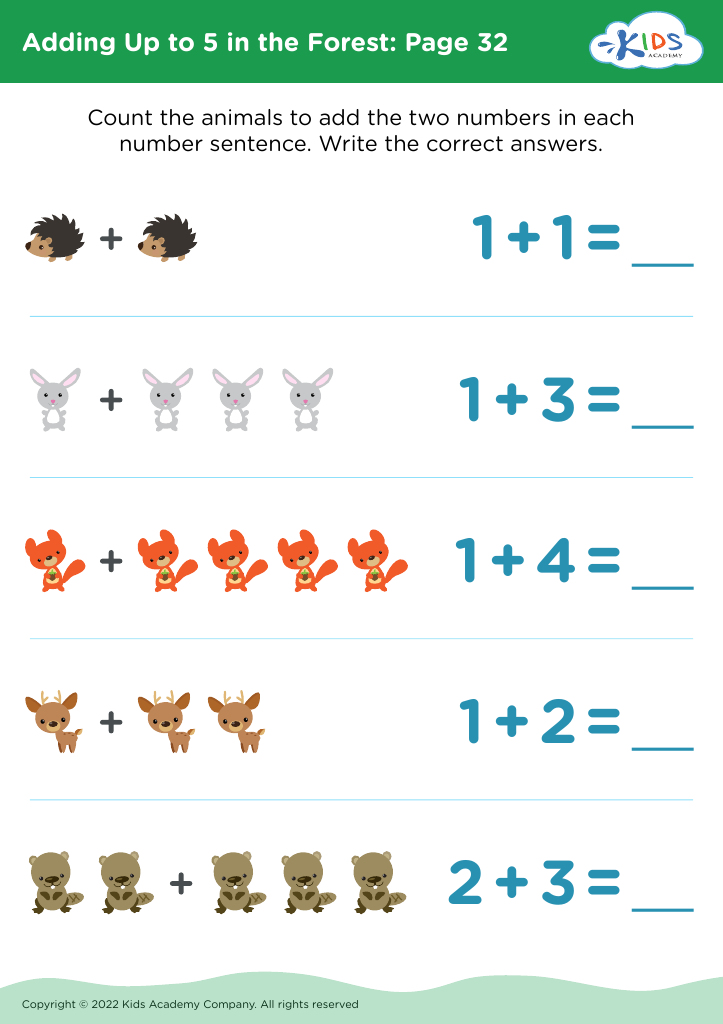
Adding Up to 5 in the Forest: Page 32
Worksheet
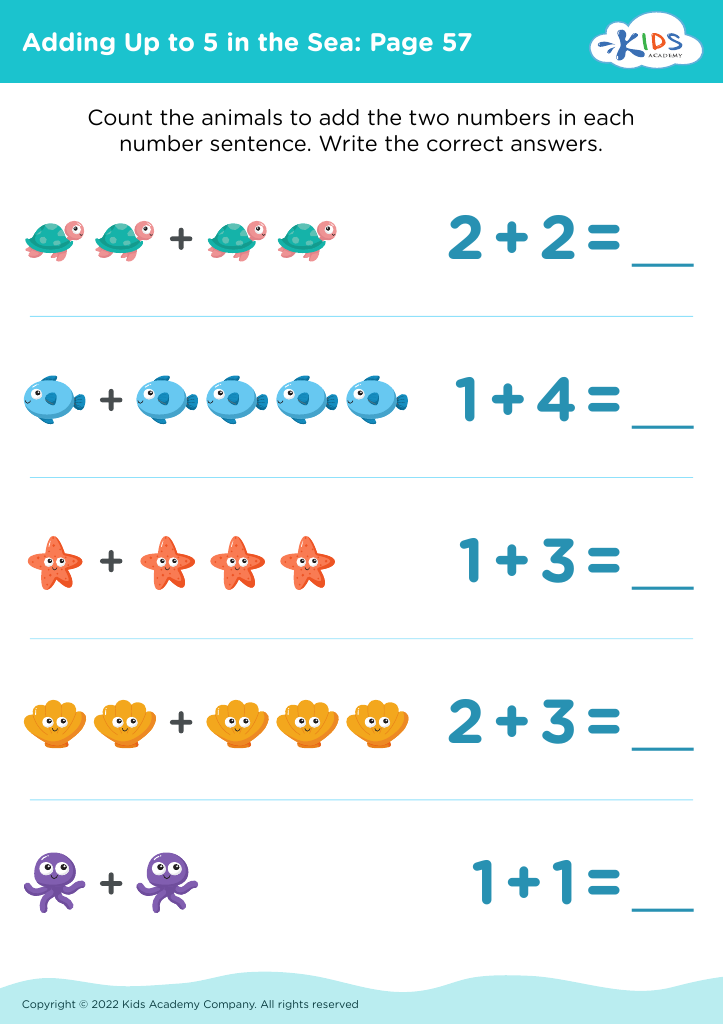
Adding Up to 5 in the Sea: Page 57
Worksheet
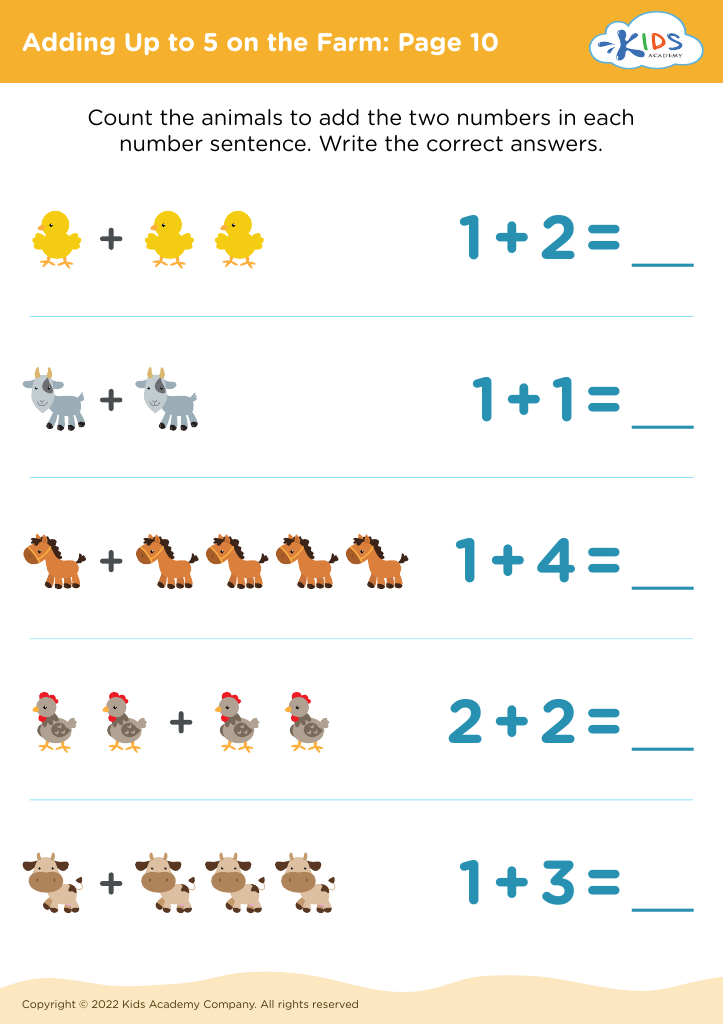
Adding Up to 5 on the Farm: Page 10
Worksheet
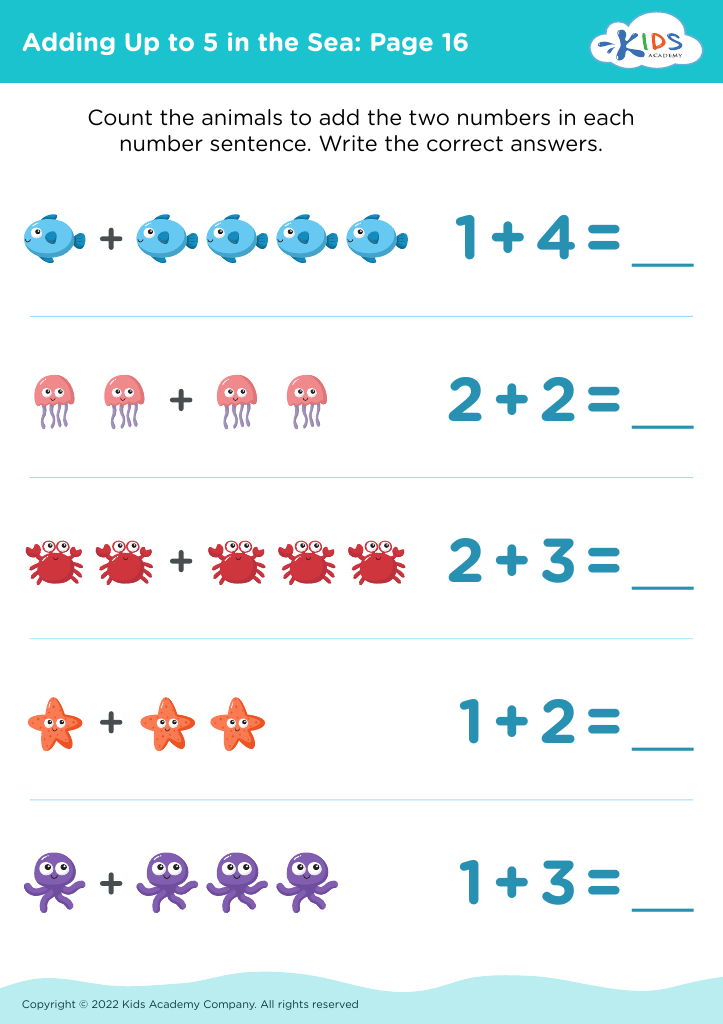
Adding Up to 5 in the Sea: Page 16
Worksheet
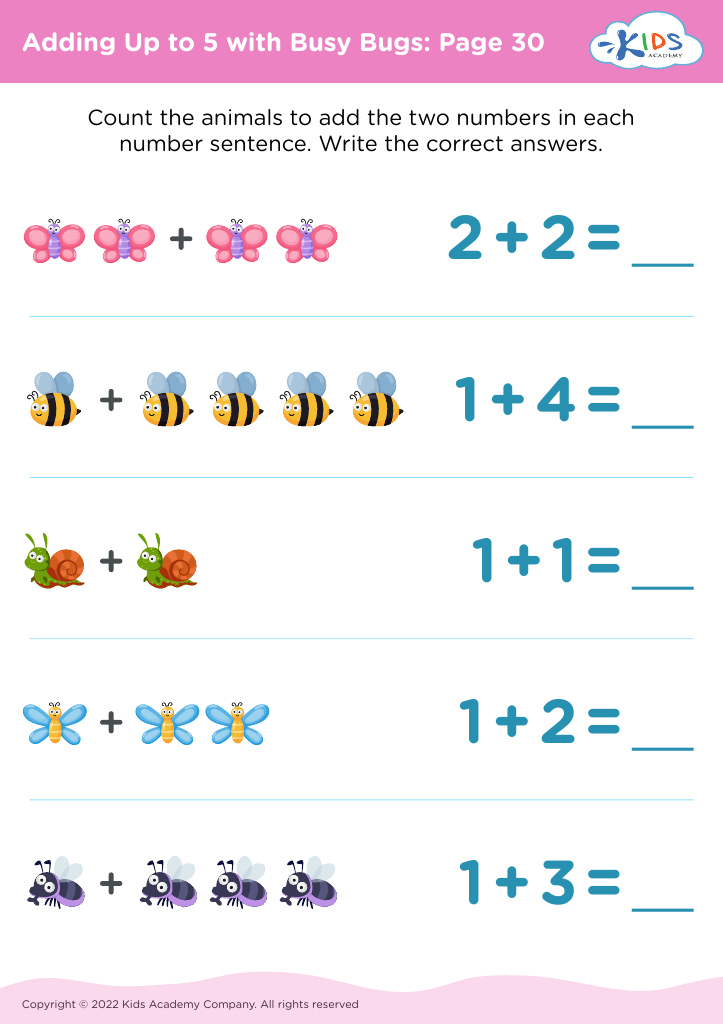
Adding Up to 5 with Busy Bugs: Page 30
Worksheet
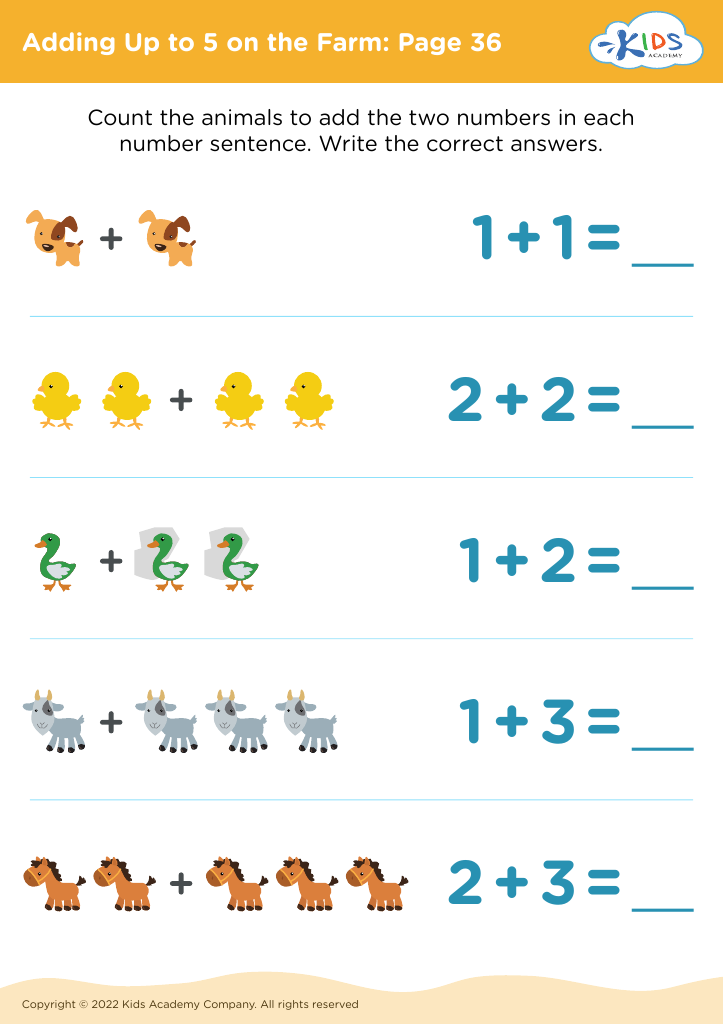
Adding Up to 5 on the Farm: Page 36
Worksheet
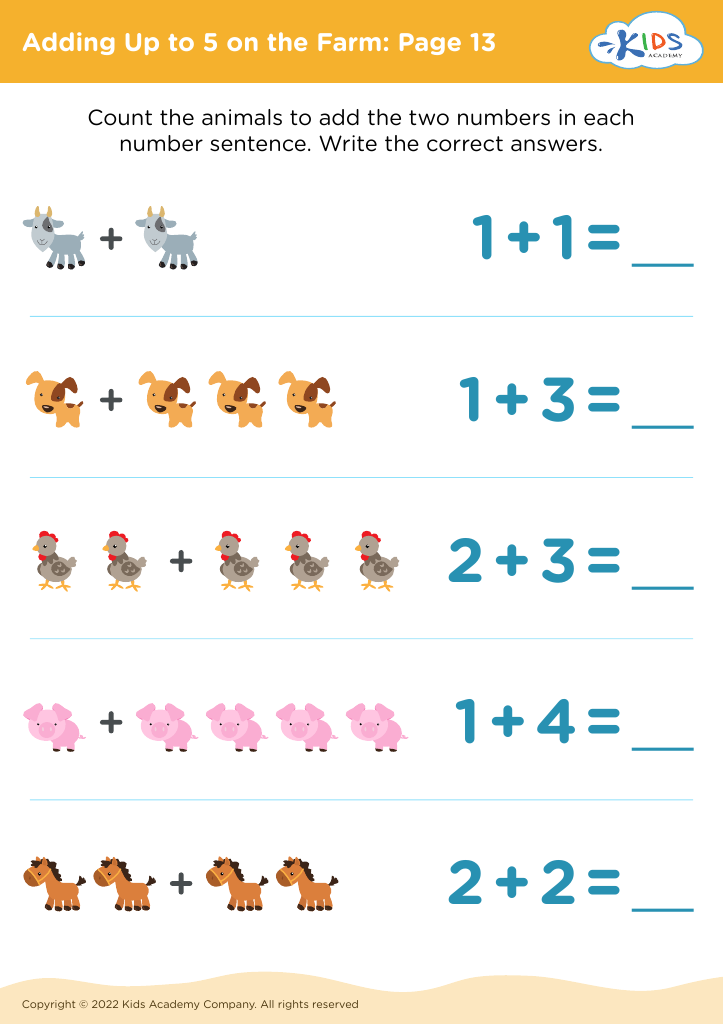
Adding Up to 5 on the Farm: Page 13
Worksheet
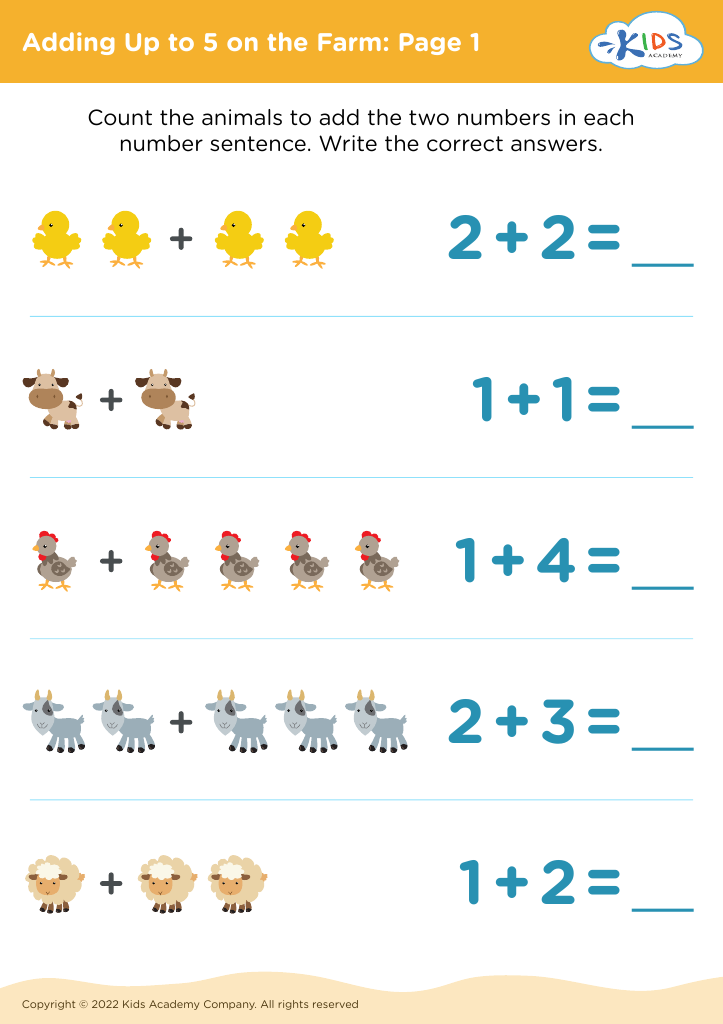
Adding Up to 5 on the Farm: Page 1
Worksheet
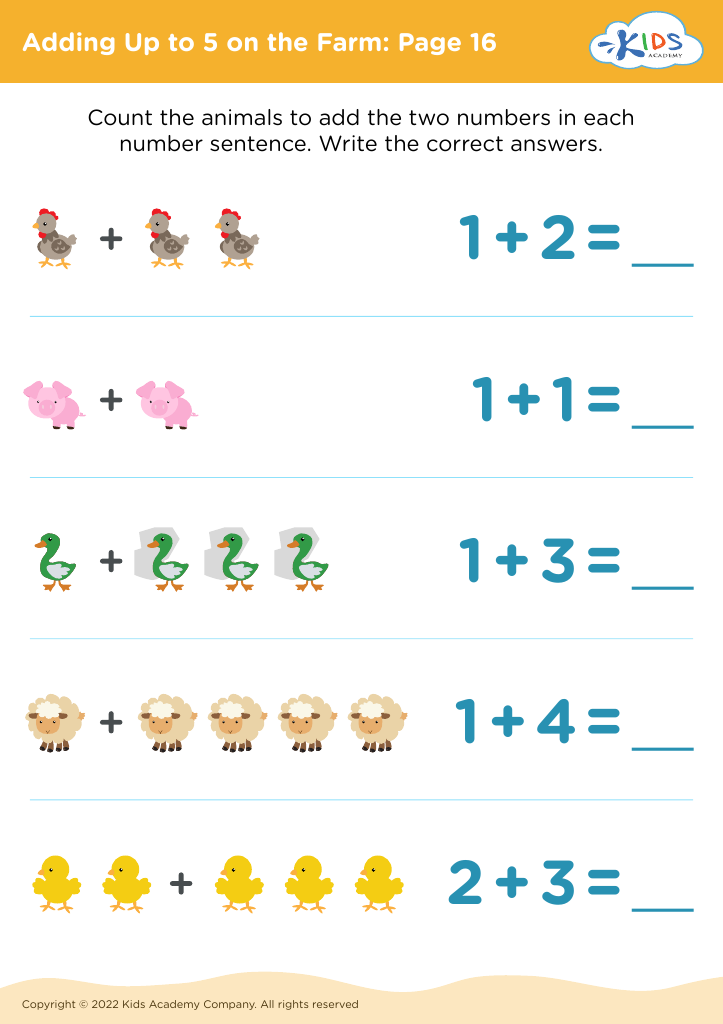
Adding Up to 5 on the Farm: Page 16
Worksheet
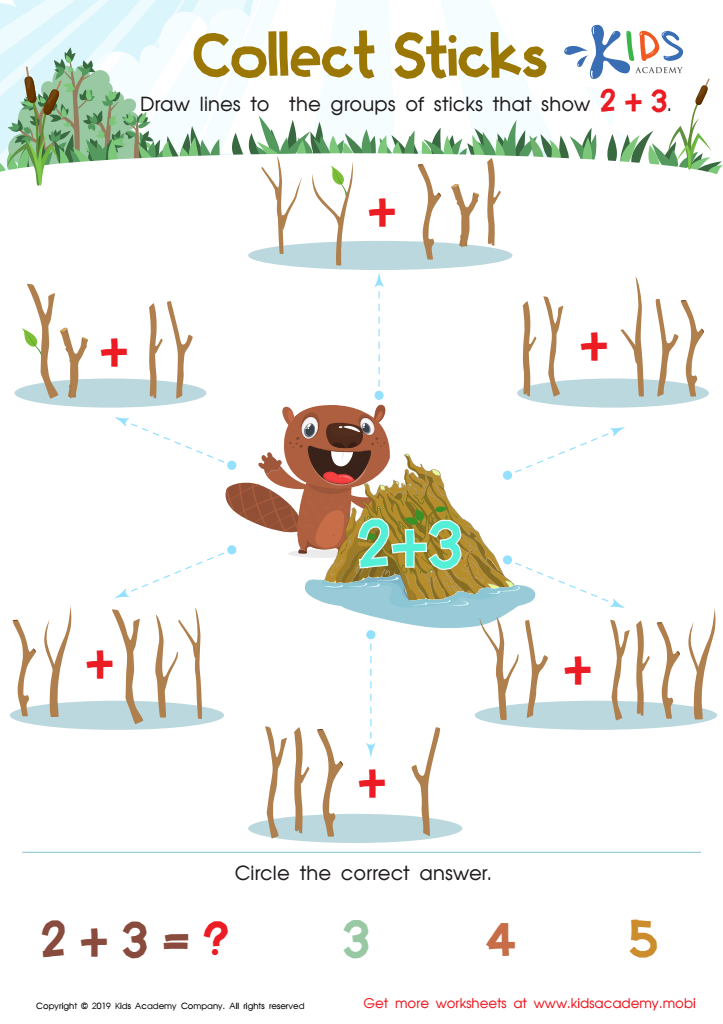
Collect Sticks Worksheet

Collect Sticks Worksheet

Let math be fun for your kids with a simple and colorful worksheet exercise. Addition and subtraction can be daunting, but you can make it enjoyable with exercises like this one. Get them to draw lines to the groups of sticks that show 2+3 and watch them light up.
Collect Sticks Worksheet
Worksheet
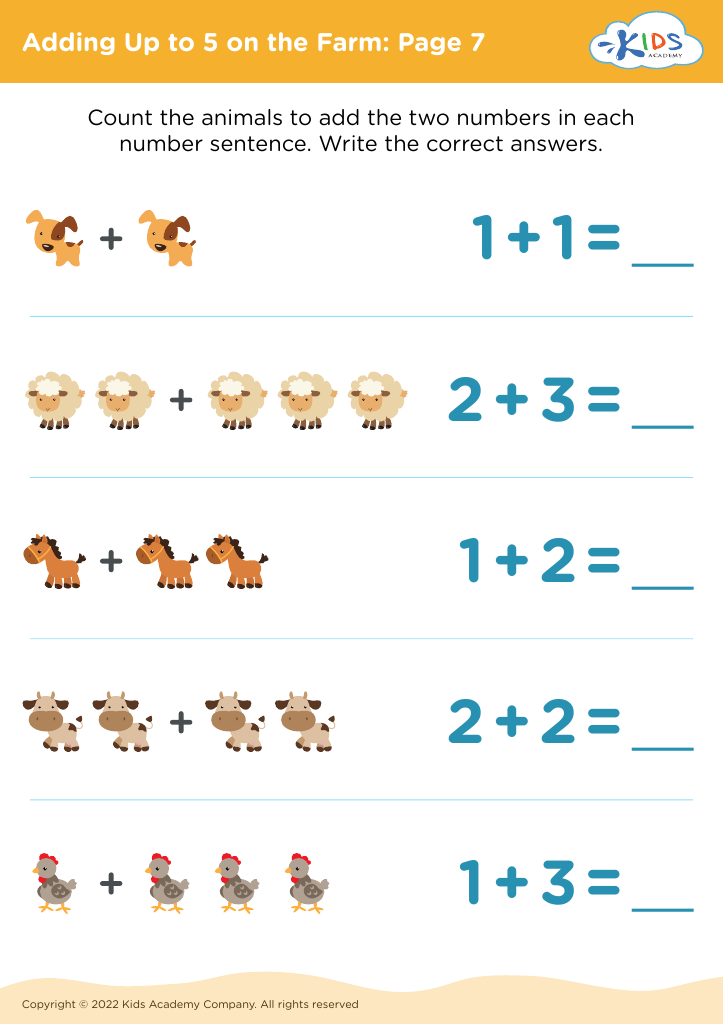
Adding Up to 5 on the Farm: Page 7
Worksheet
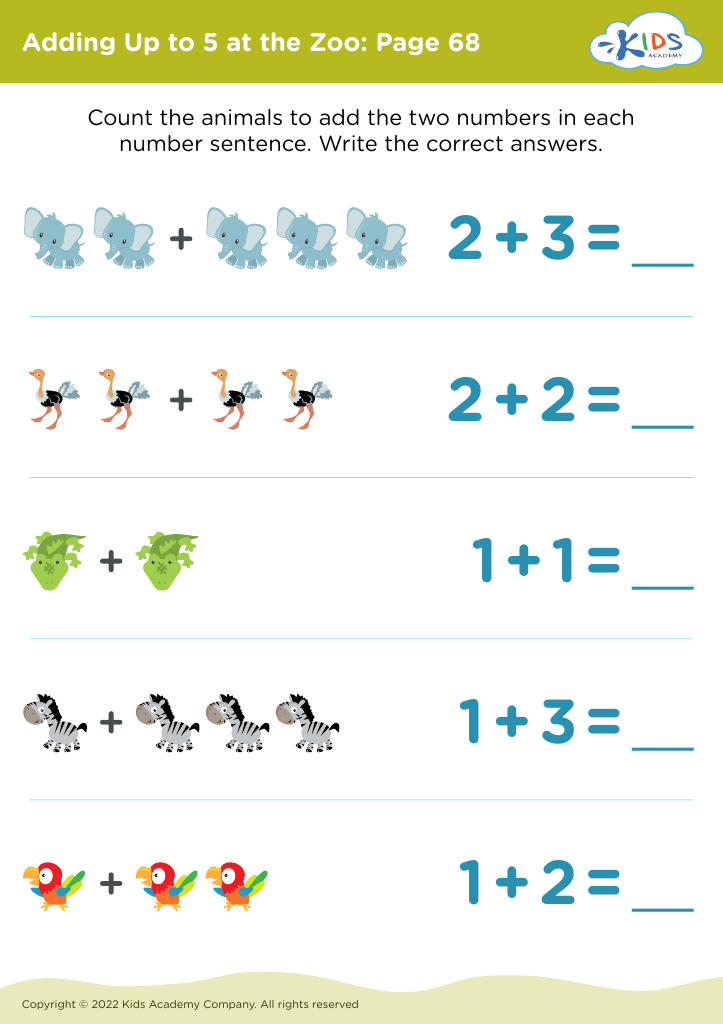
Adding Up to 5 at the Zoo: Page 68
Worksheet
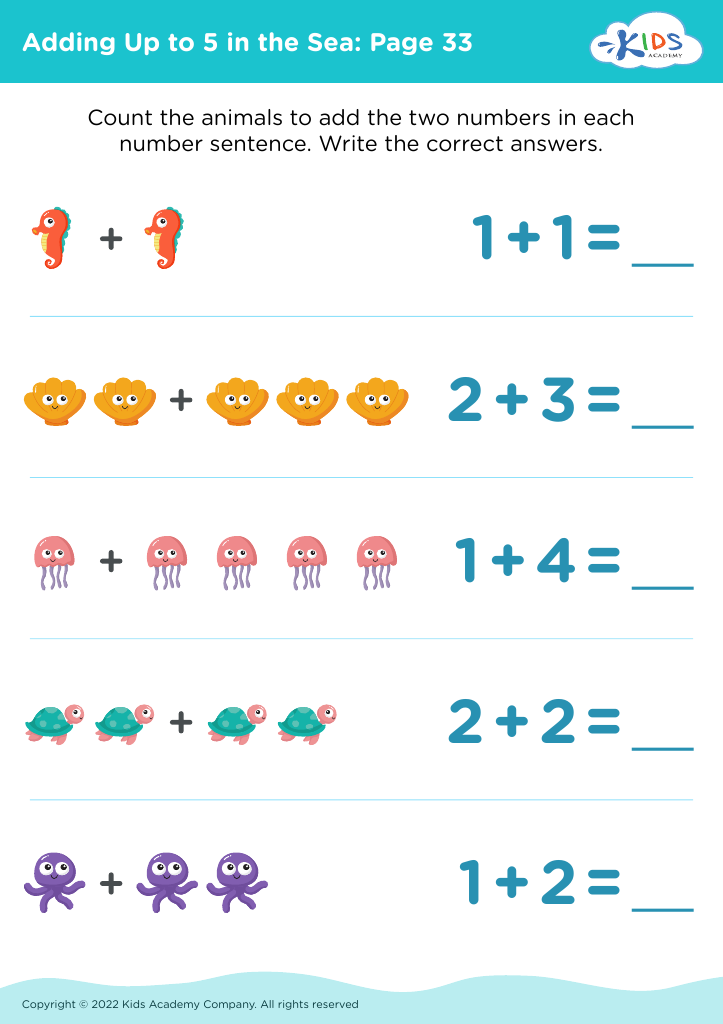
Adding Up to 5 in the Sea: Page 33
Worksheet
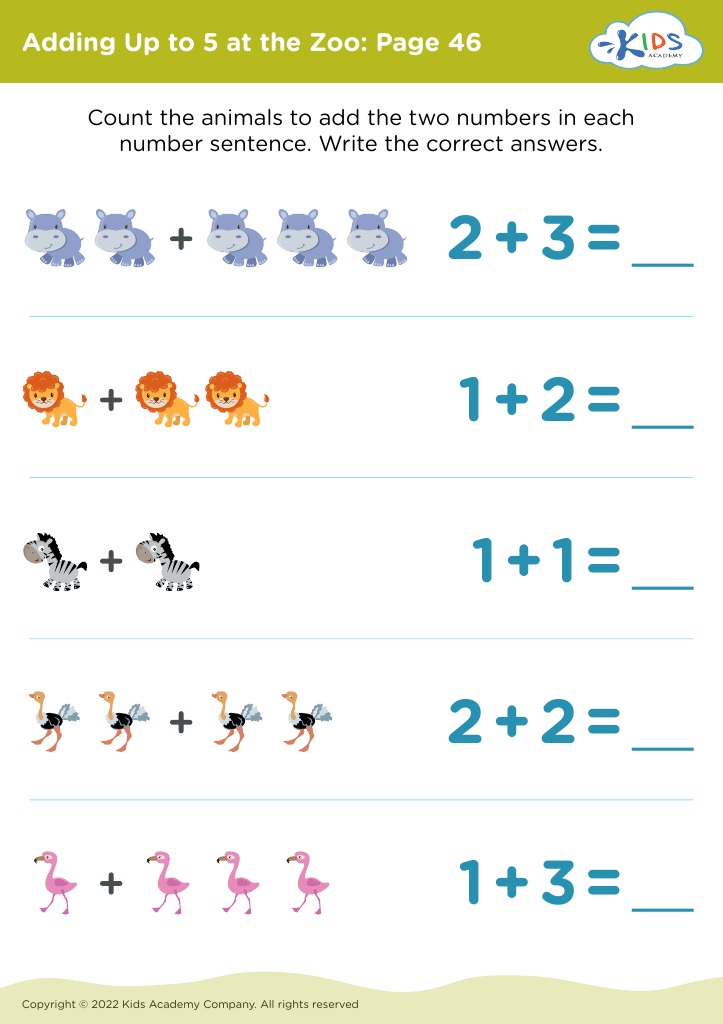
Adding Up to 5 at the Zoo: Page 46
Worksheet


Understanding number recognition and basic addition at an early age is crucial for children's cognitive and mathematical development. For young learners aged 4-6, number recognition is the foundation of their future mathematical learning. Recognizing and understanding numbers help children identify quantities and compare them, which are essential skills for problem-solving in everyday life.

When parents and teachers prioritize number recognition, they are essentially setting children up for success in more complex mathematical concepts. Simple activities like counting objects, recognizing numbers in daily routines, or playing numerical games make learning engaging and meaningful.

Addition, being one of the basic arithmetic operations, introduces children to the concept of combining quantities and understanding simple accumulation and change, fostering logical thinking and reasoning. For example, when a child understands that 2 apples plus 3 apples make 5 apples, they develop an elementary understanding of addition that will support their learning of more complicated mathematics.

By supporting number recognition and addition through fun, age-appropriate activities, caregivers create a positive learning environment that encourages curiosity and confidence in their numerical abilities. These early skills not only benefit future academic pursuits but also aid in everyday problem-solving, critical thinking, and lifelong learning, making early number sense crucial for holistic development.