Visual Learning Addition Worksheets for Ages 4-6 - Page 2
87 filtered results
-
From - To
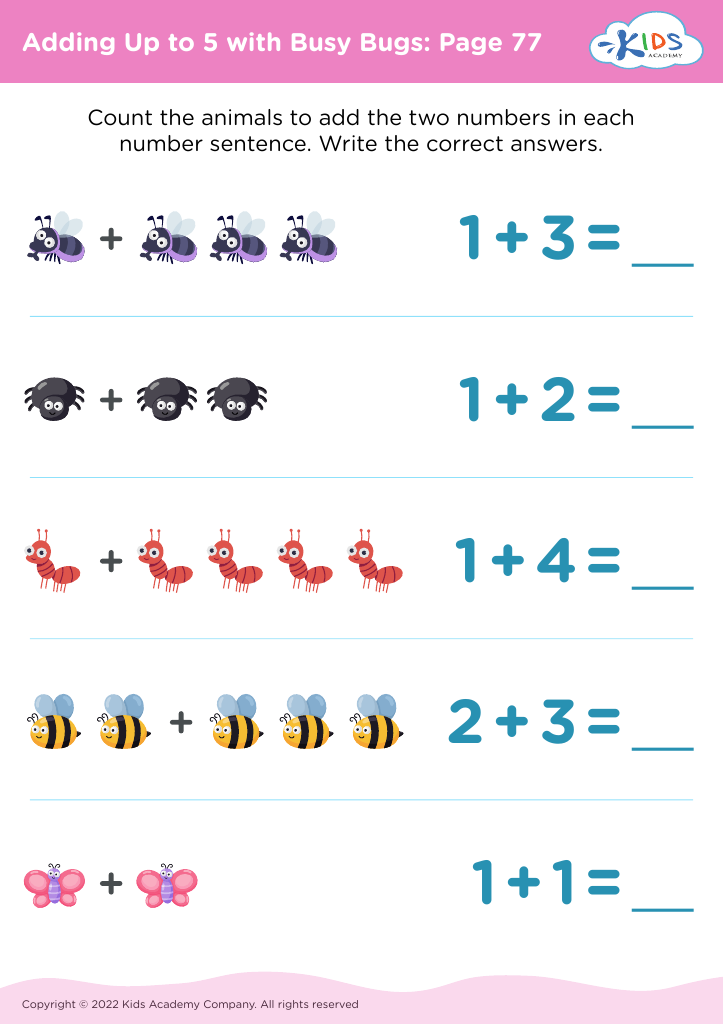
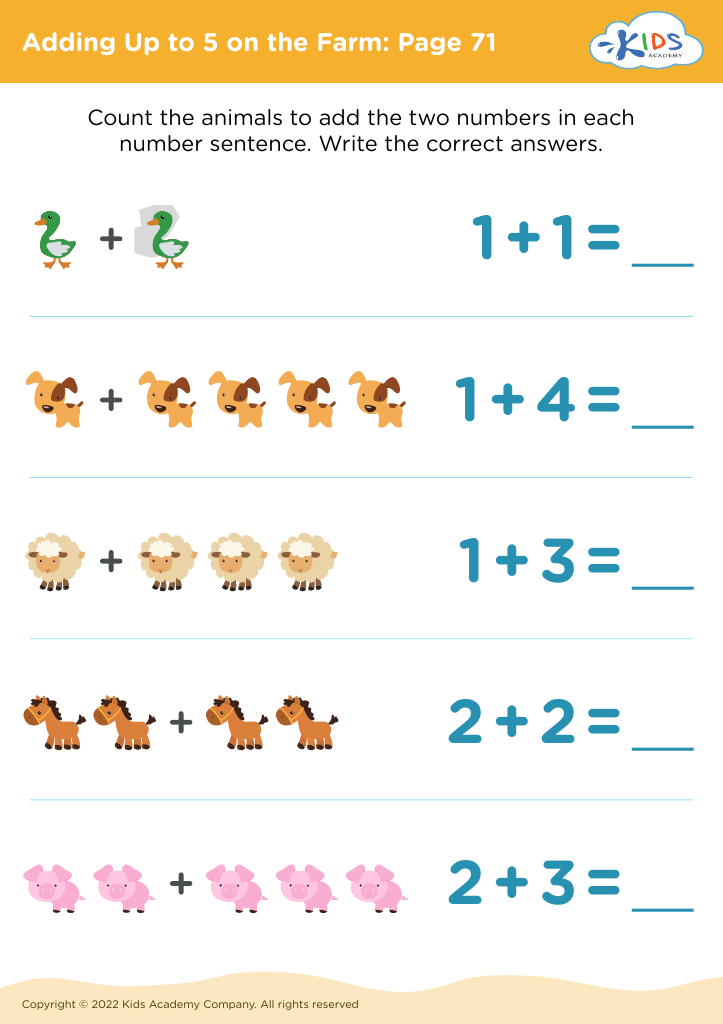
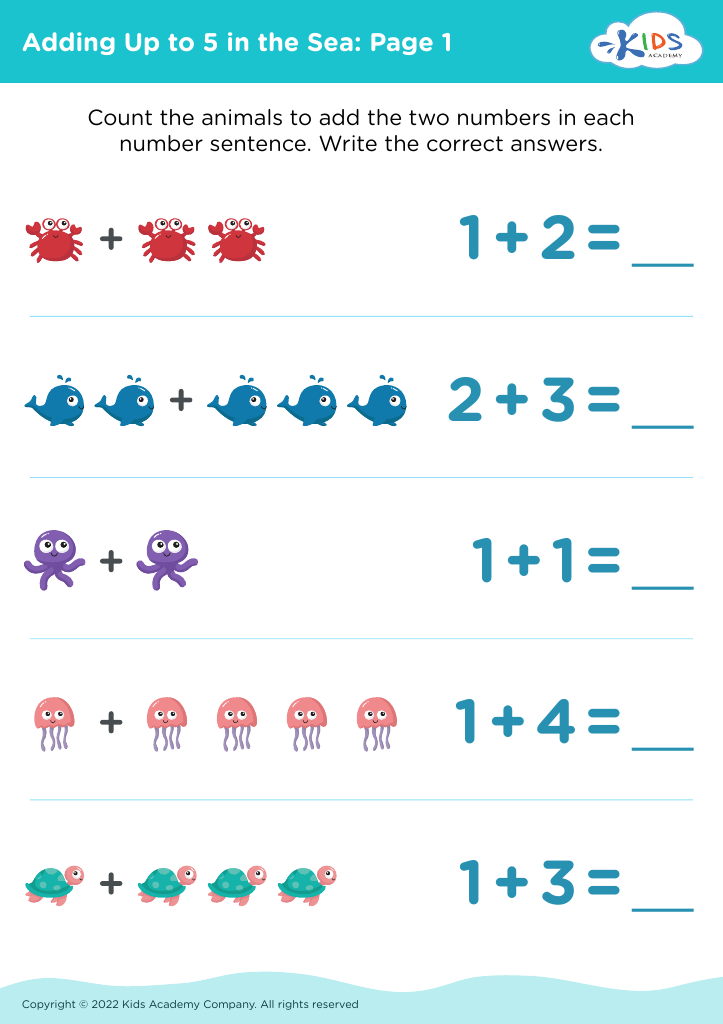
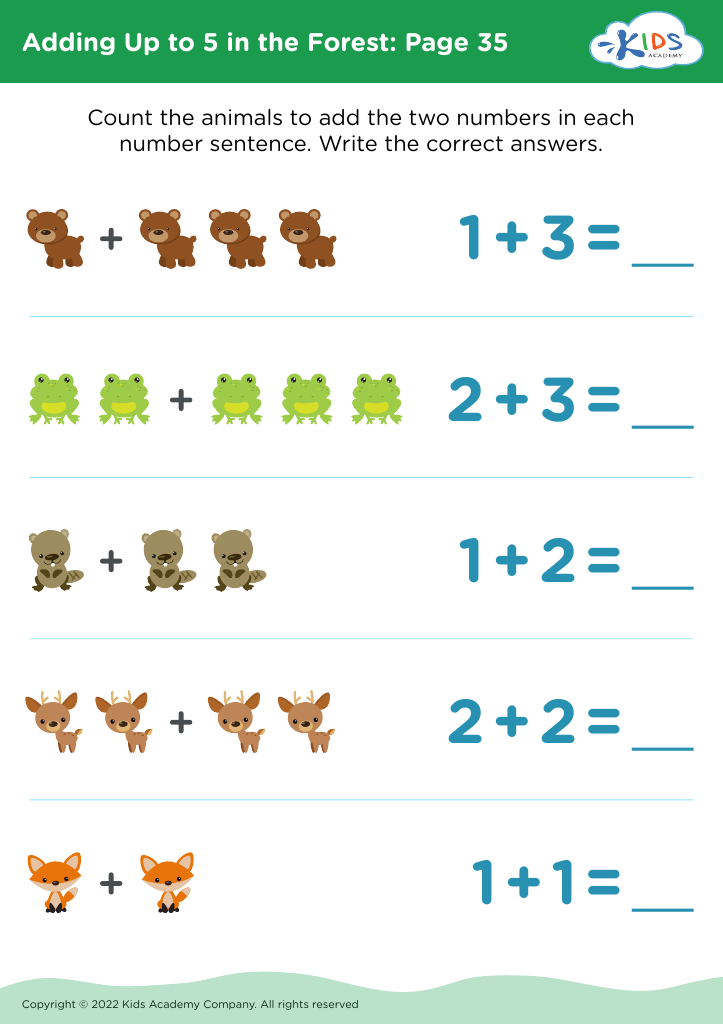
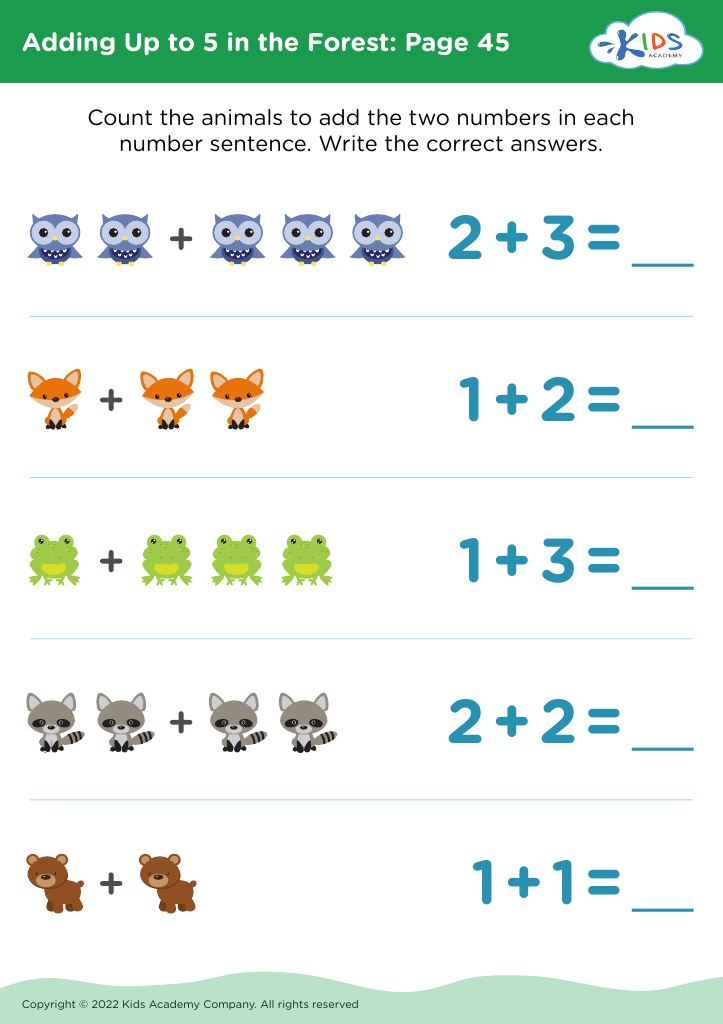
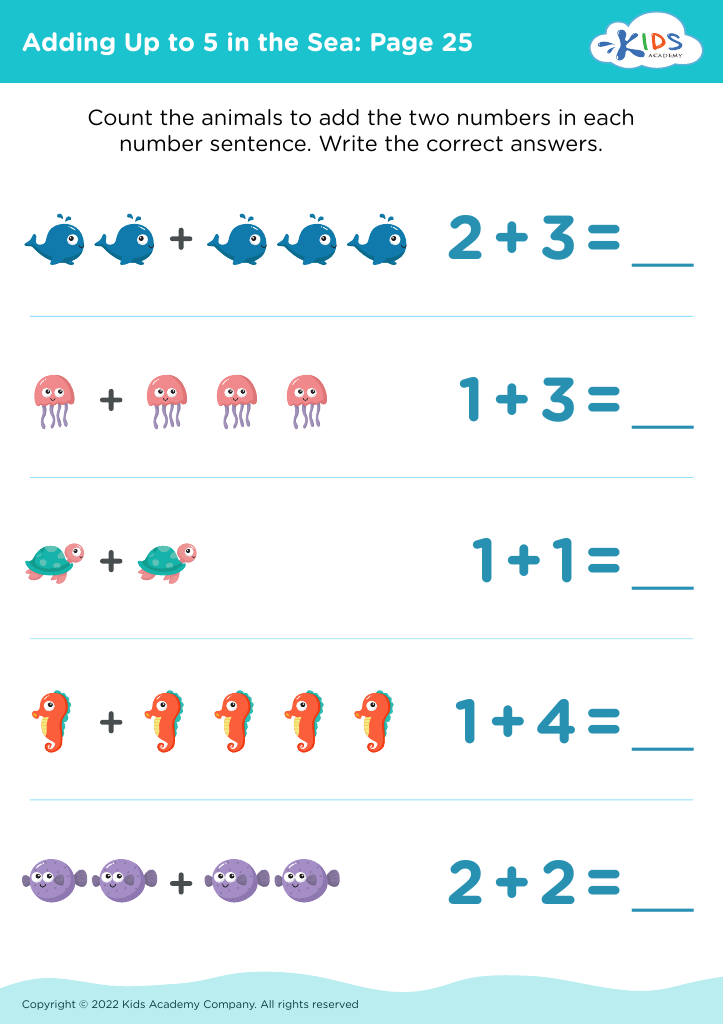
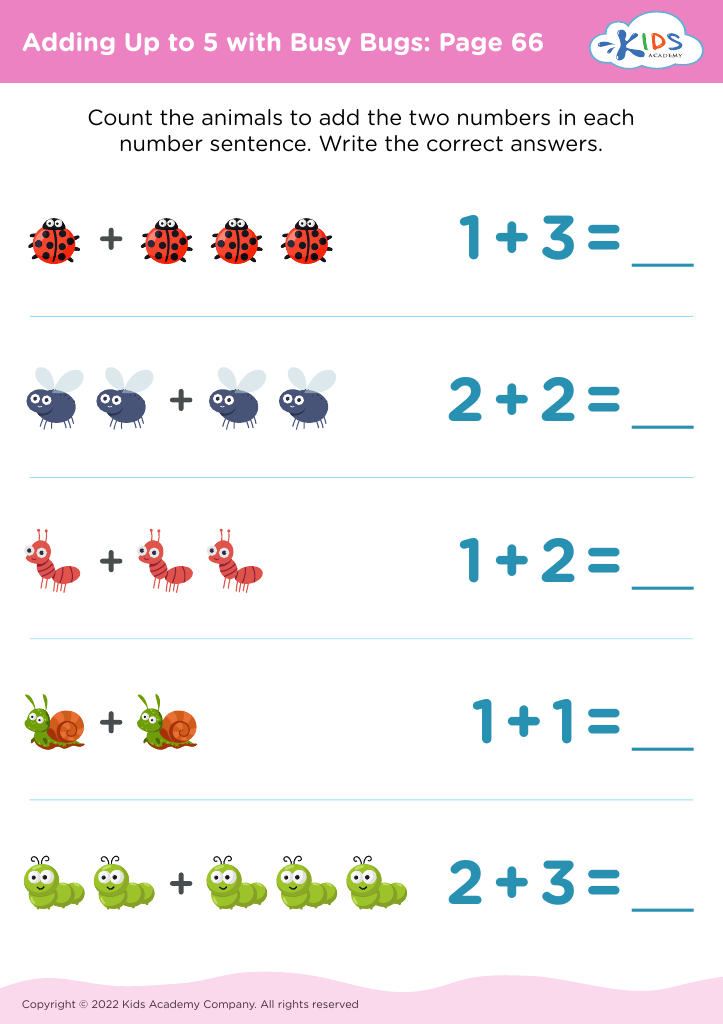
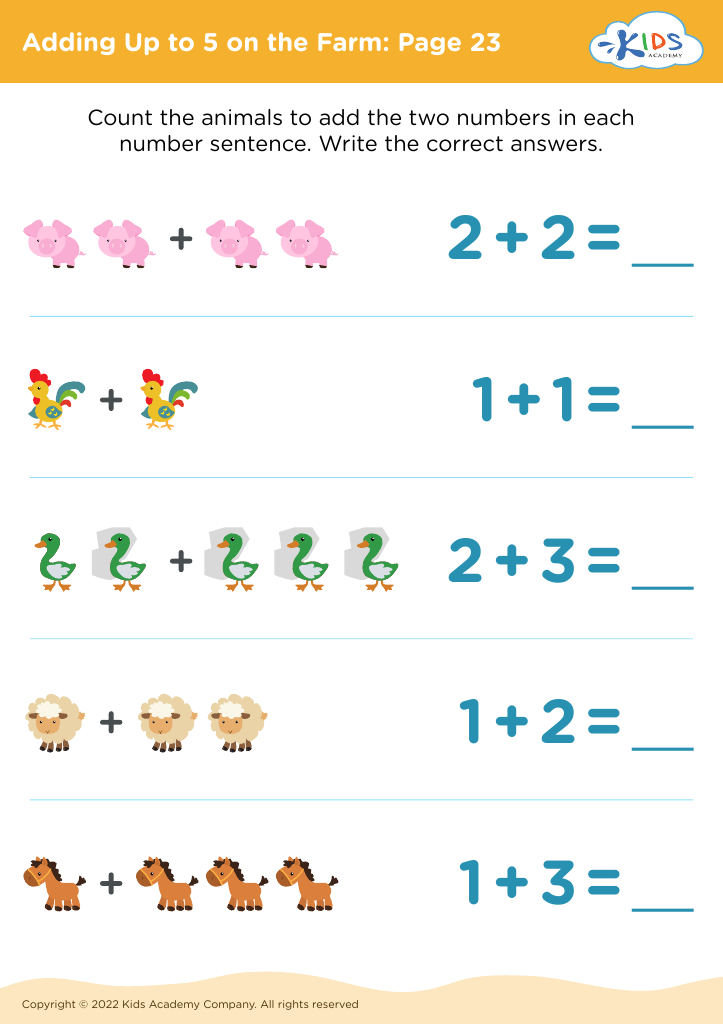
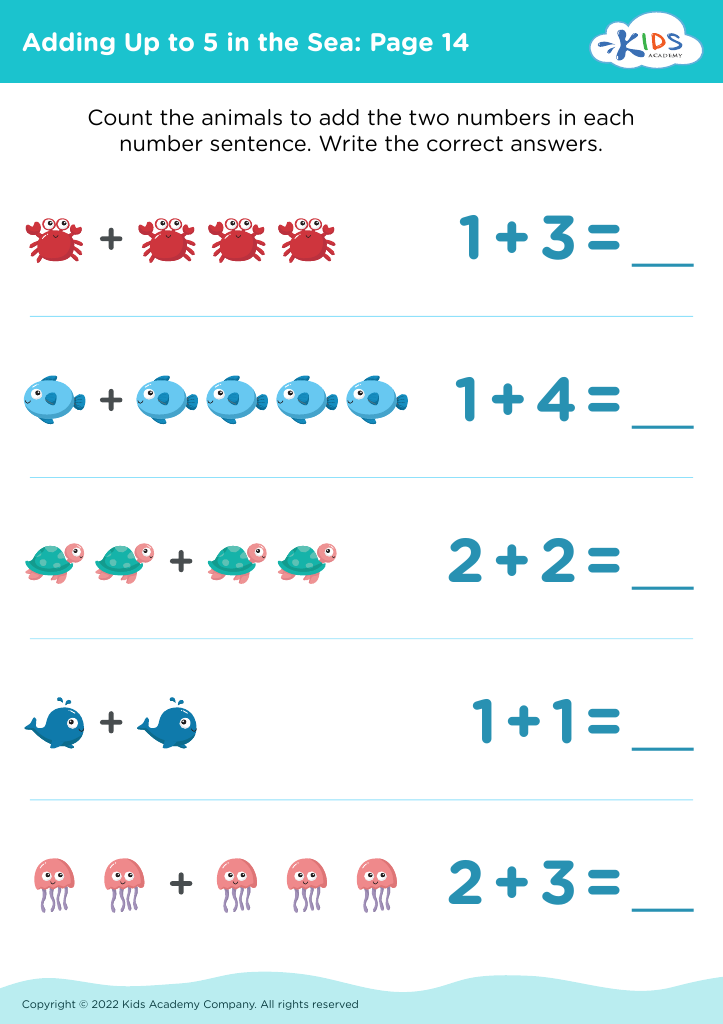
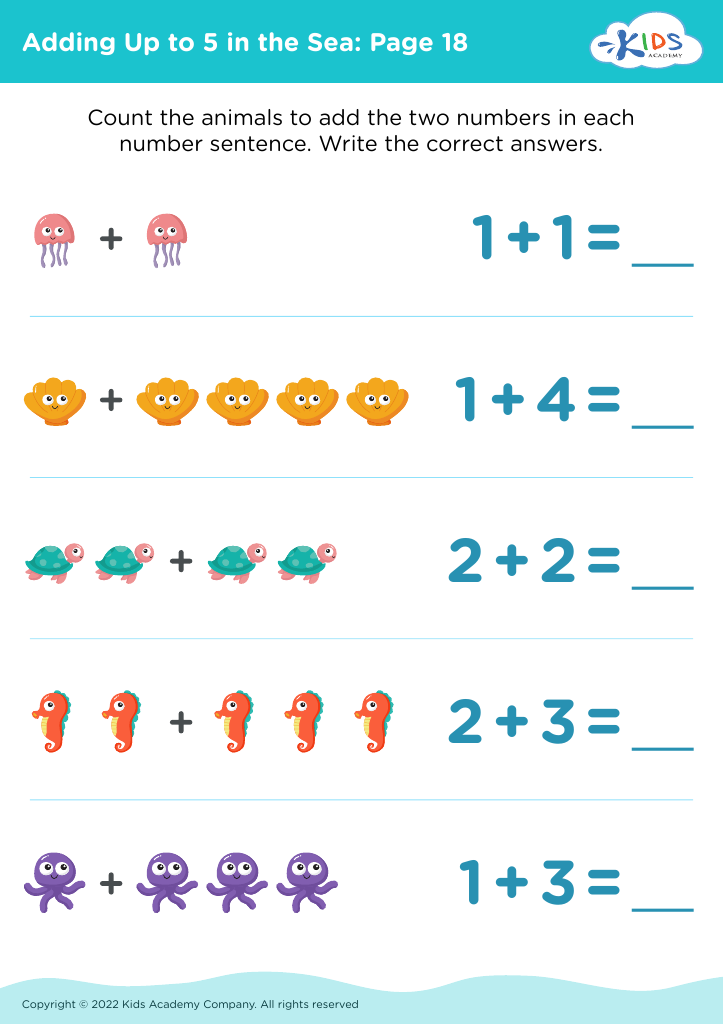
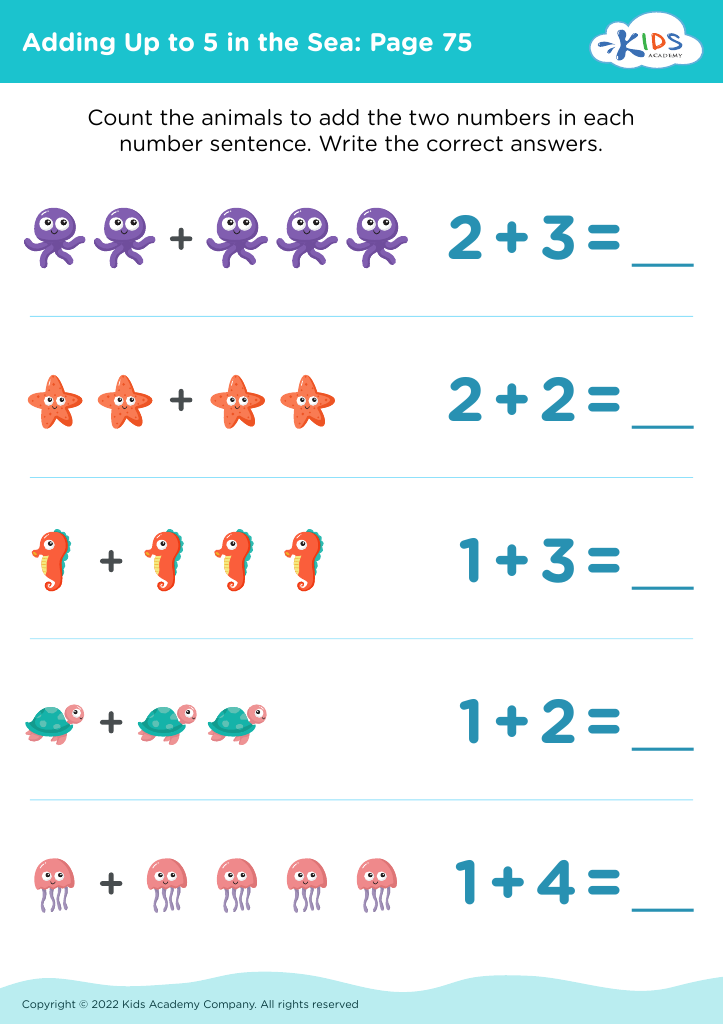
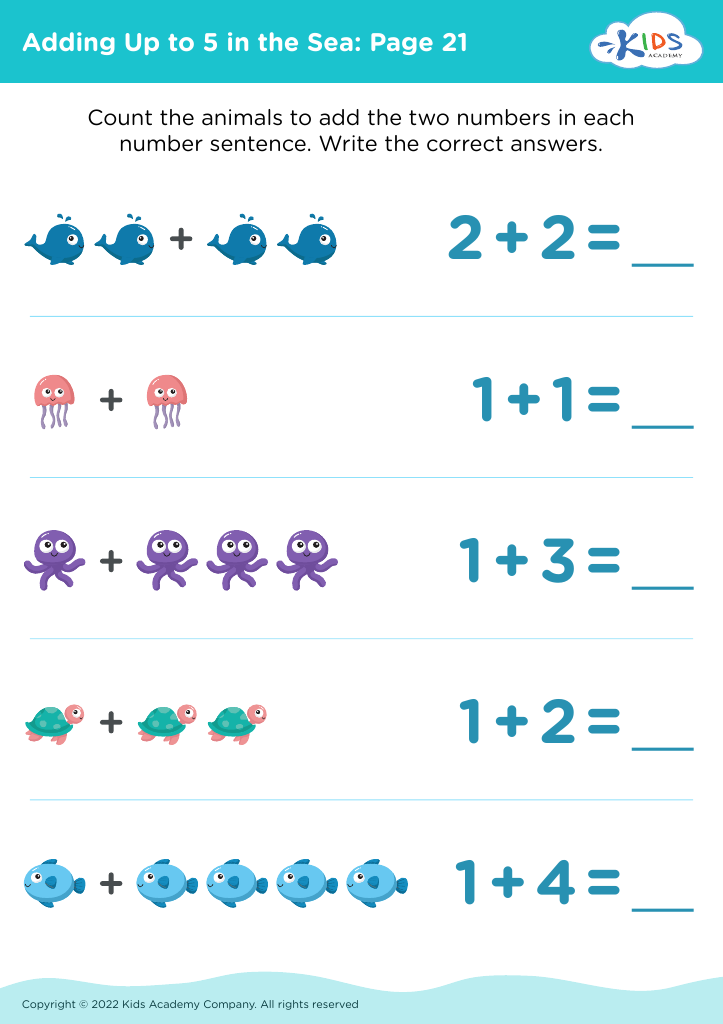
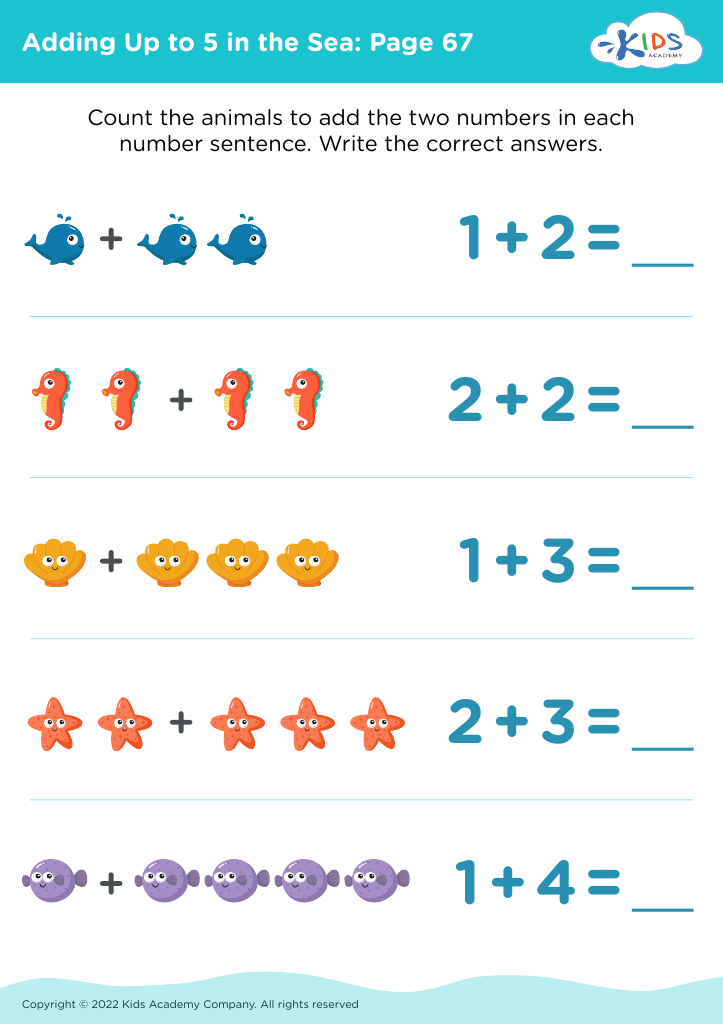
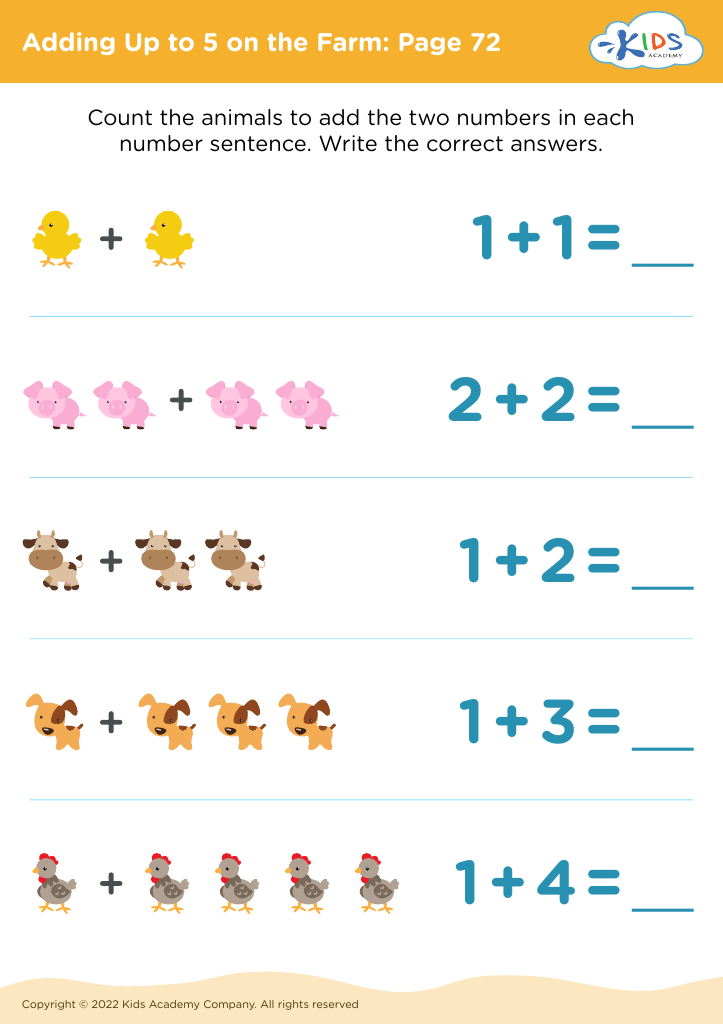
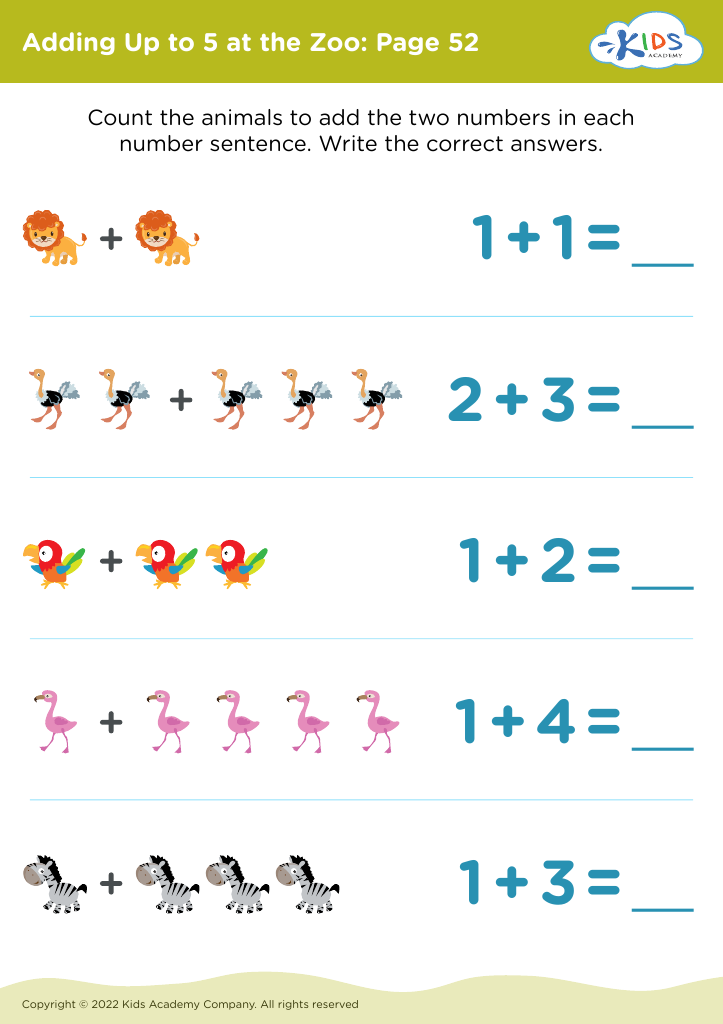
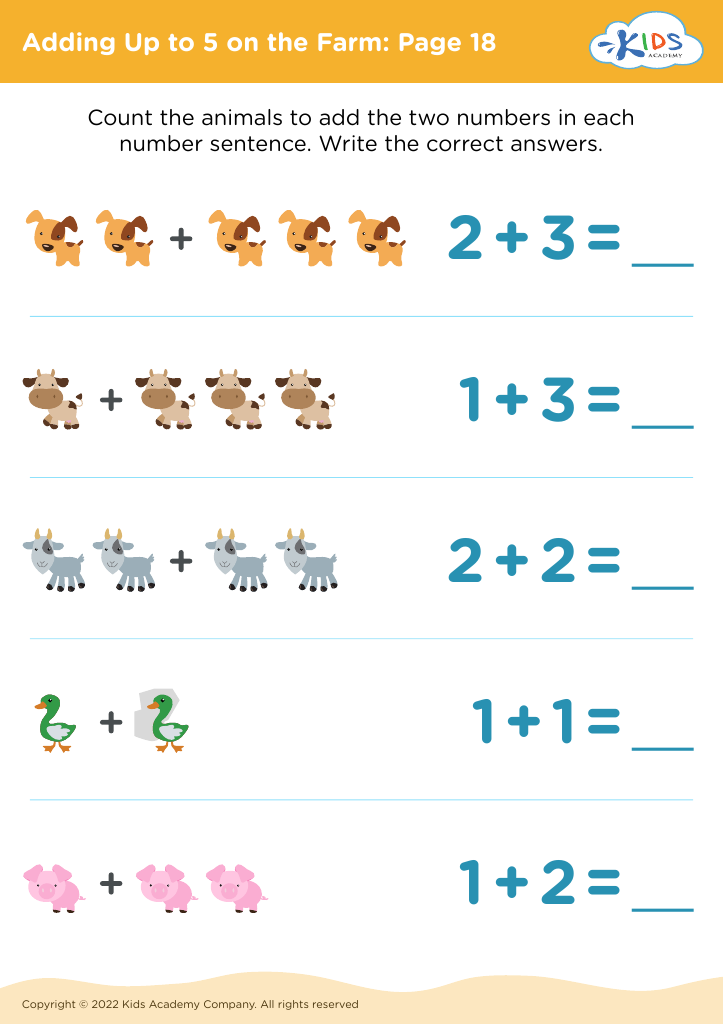
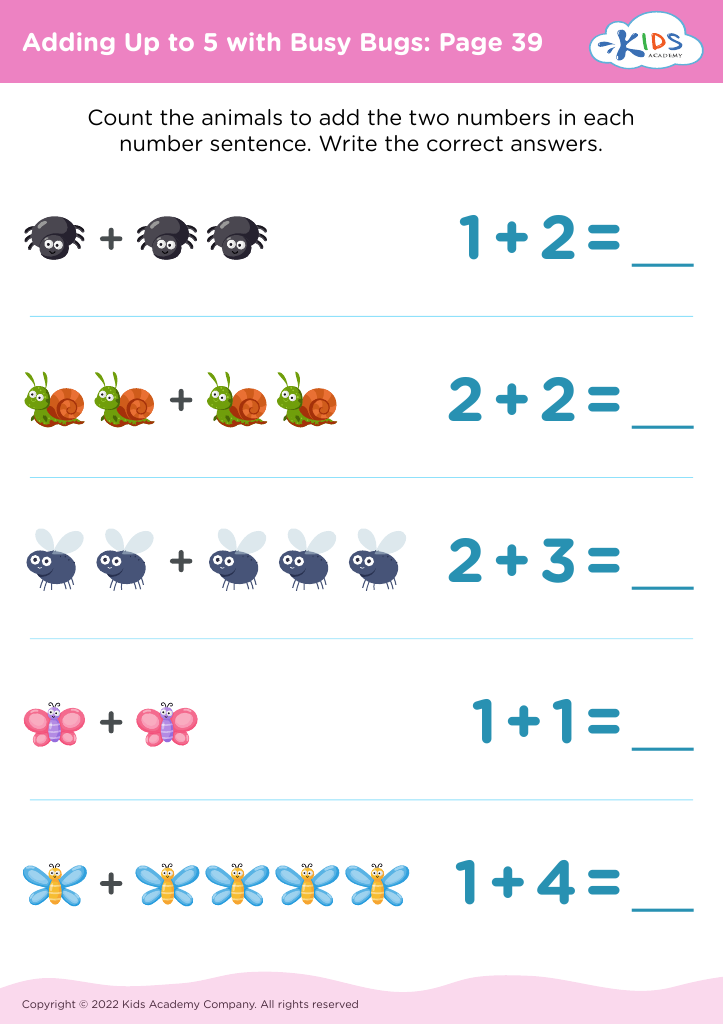
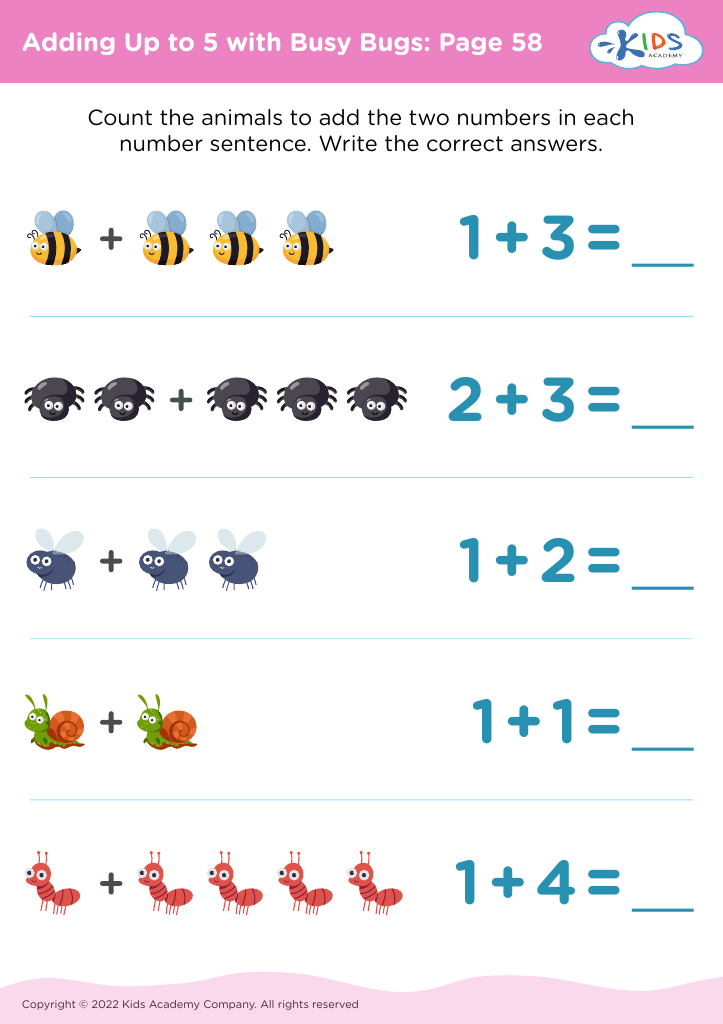
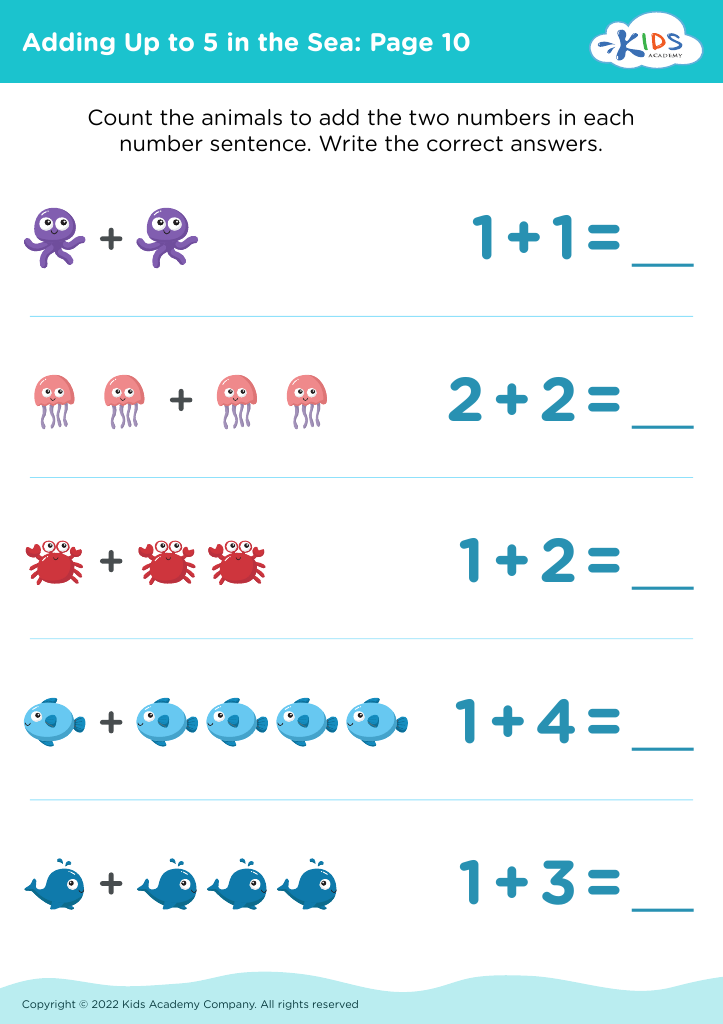
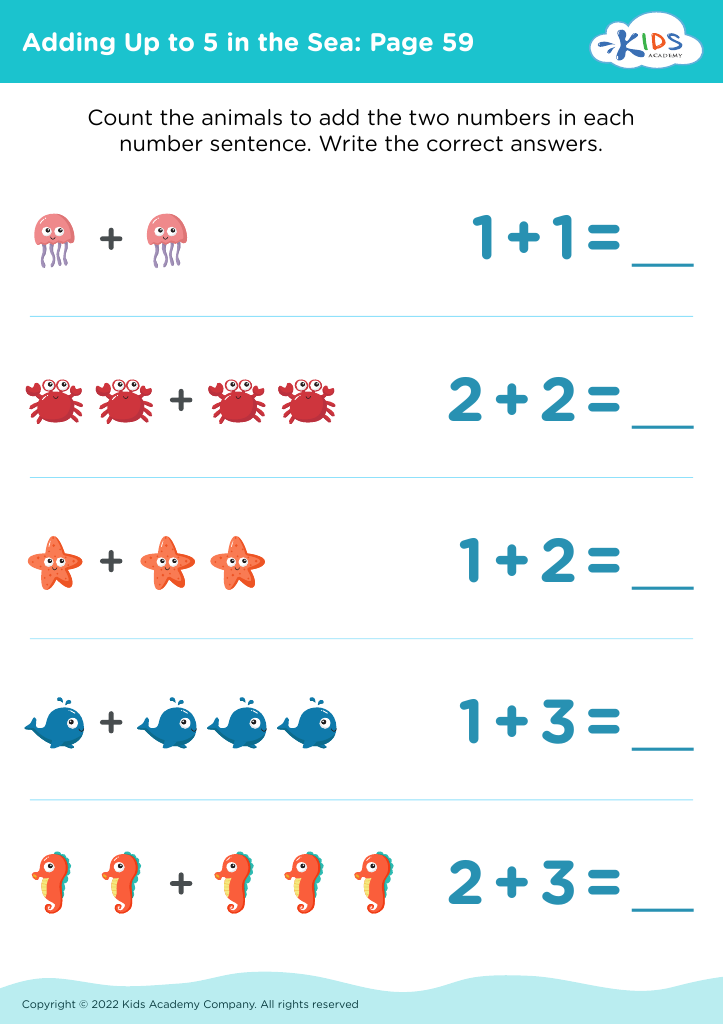
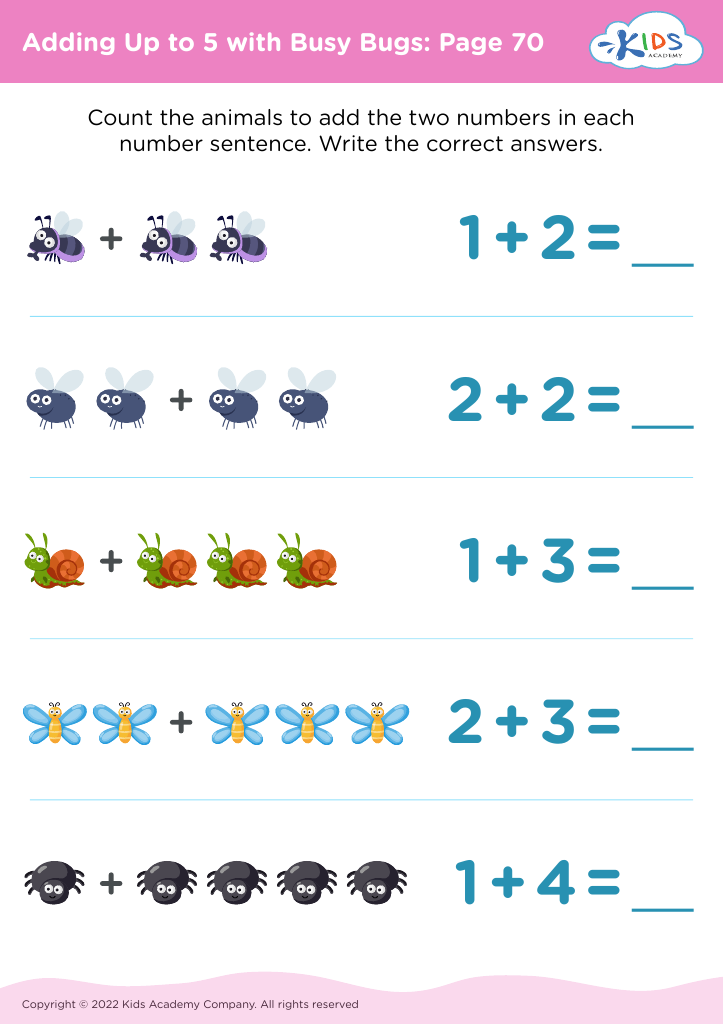
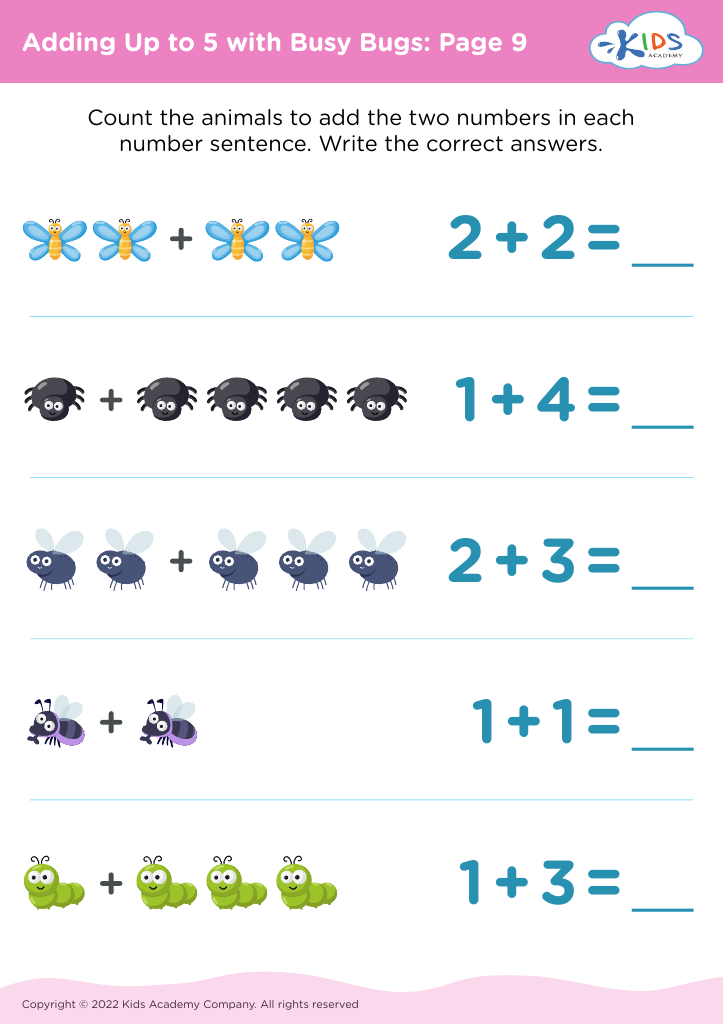
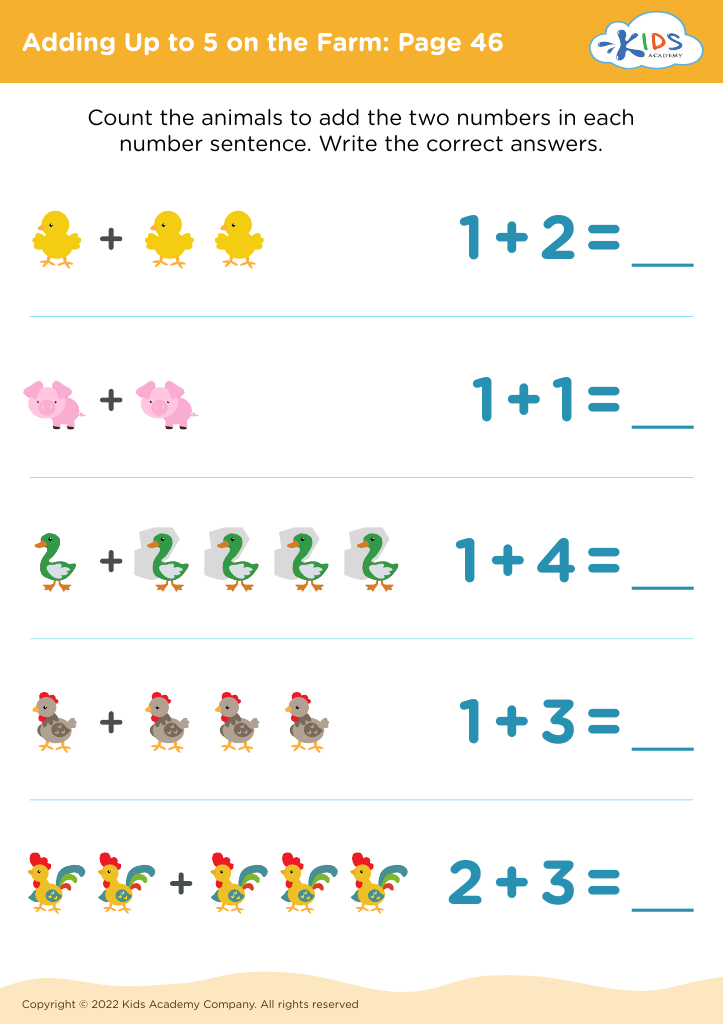
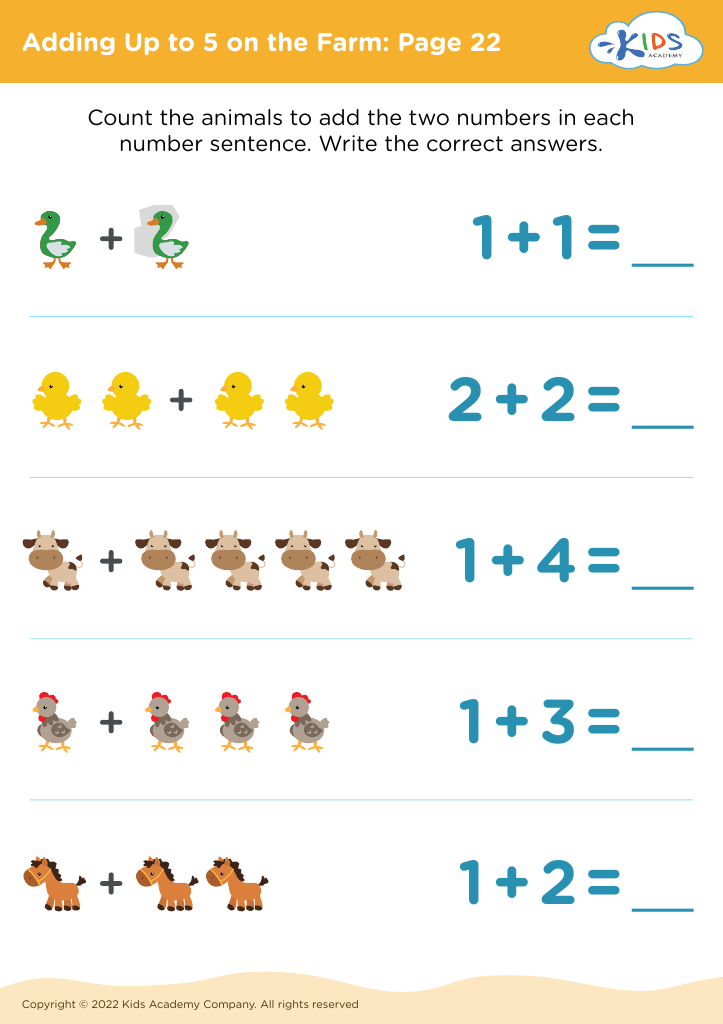








Visual learning is a crucial component in developing mathematical skills for children ages 4-6, as it taps into their innate ability to understand and process information through images and physical representations. Parents and teachers should care about incorporating visual learning techniques for several reasons.
Firstly, young children often think in pictures rather than abstract symbols. Using visual aids like diagrams, counting objects, and colorful charts helps them grasp the concept of addition in a more engaging way. Elements like storybook contexts or physical manipulatives encourage exploration and might deepen their understanding of numbers and operations.
Secondly, visual learning caters to diverse learning styles. Not all children learn best through verbal or auditory means; some may find comfort and context in visual stories or hands-on activities. By embracing visual learning, educators create an inclusive environment that addresses the needs of all students.
Finally, mastering early math skills sets the foundation for future success. When children understand concepts through visual learning, they build confidence and curiosity, promoting a positive attitude toward math. Overall, fostering visual learning in addition not only enhances computational skills but also supports holistic development, laying the groundwork for lifelong learning and problem-solving abilities.








