Counting skills Comparing Numbers Worksheets for Ages 4-6
5 filtered results
-
From - To
Discover our exciting Counting Skills Comparing Numbers Worksheets, designed specifically for children aged 4-6! These engaging worksheets help young learners develop essential counting and comparison skills through fun activities and colorful visuals. Kids will practice comparing quantities, identifying greater and lesser numbers, and understanding concepts like “more” and “less.” Our resources foster a strong mathematical foundation while making learning enjoyable. Perfect for home or classroom use, these worksheets are tailored to meet early childhood education standards. Boost your child's confidence in math and encourage critical thinking with our interactive and enjoyable worksheets today!
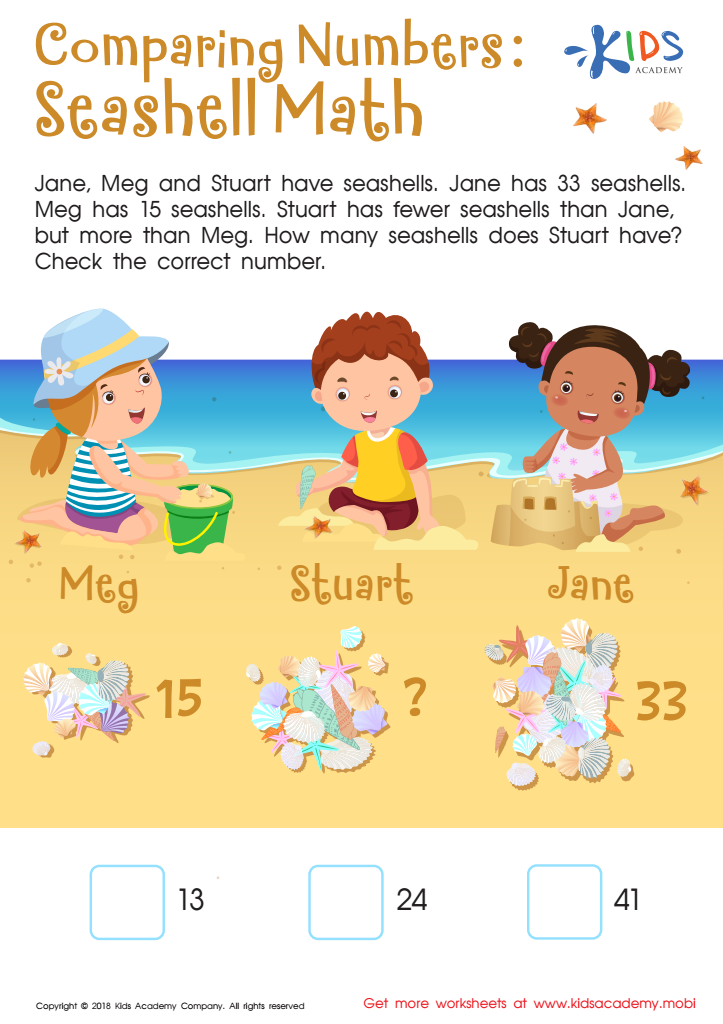
Seashell Collectors Worksheet
 Assign to My Students
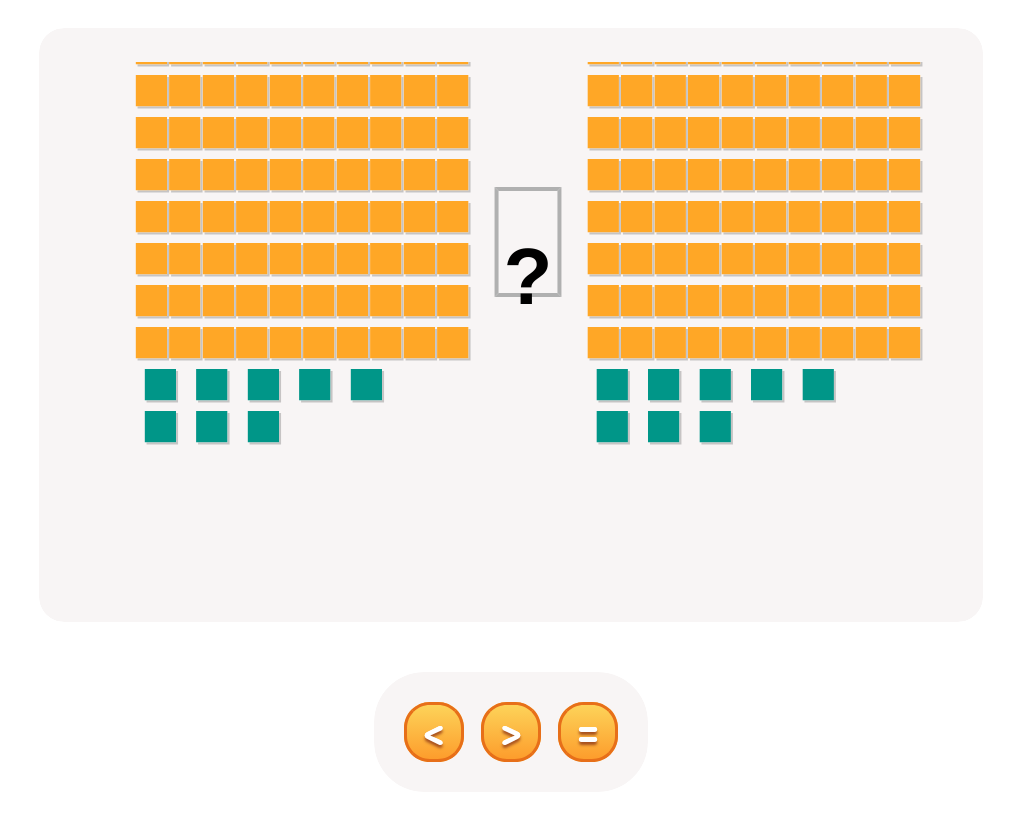

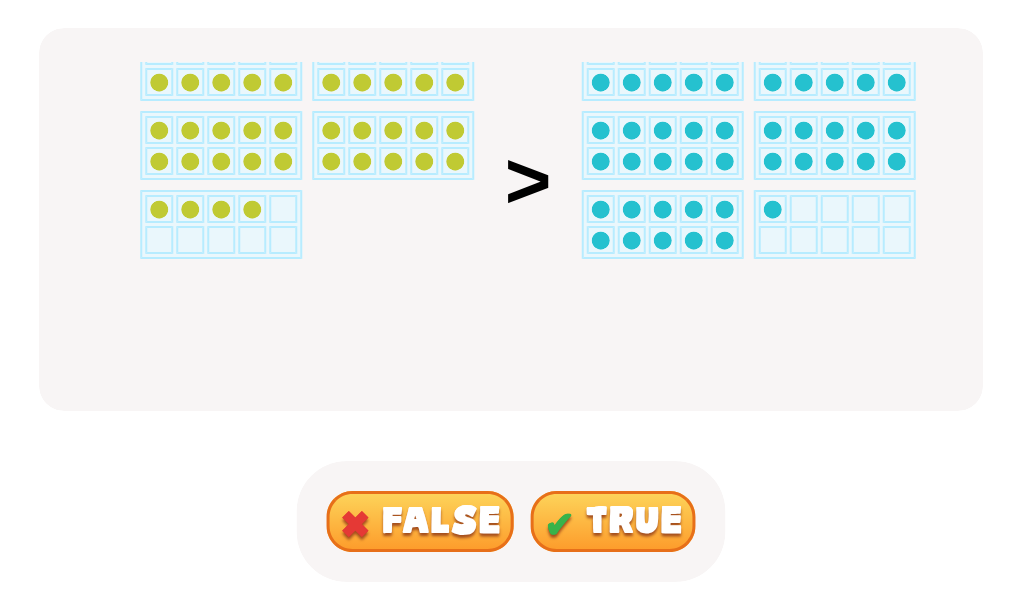
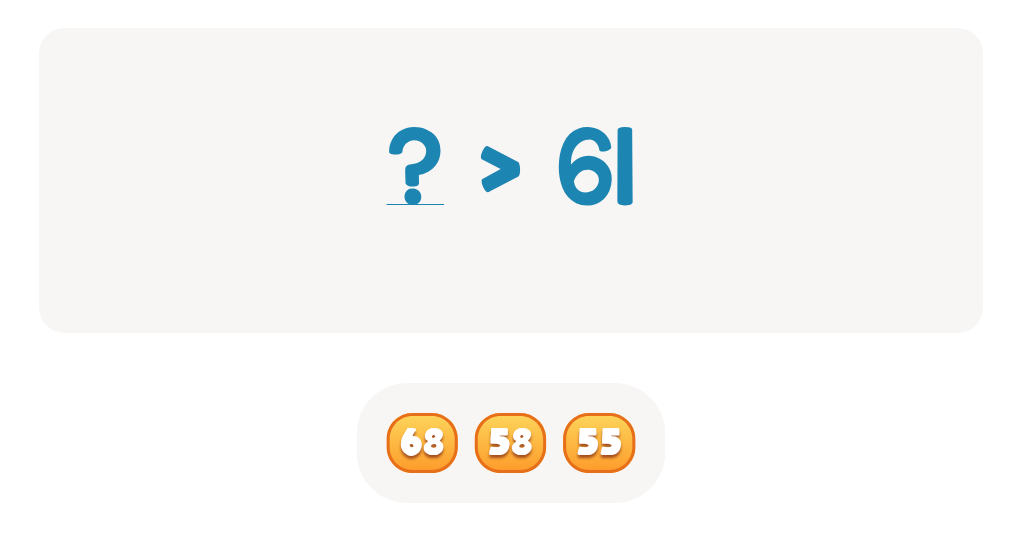
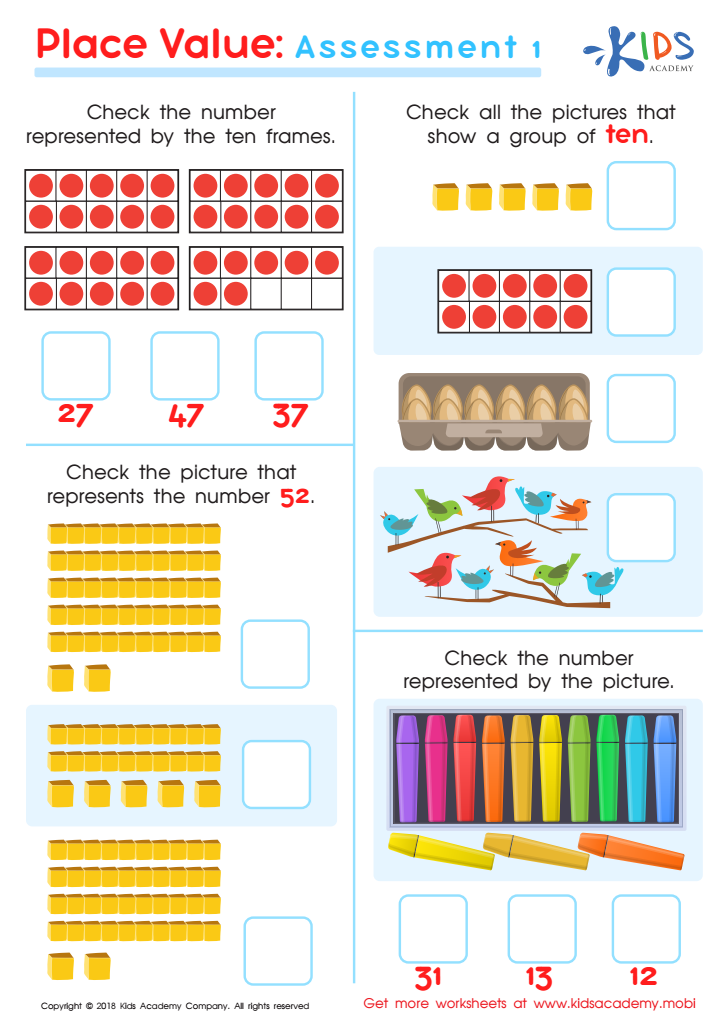
Place Value: Assessment 1 Worksheet
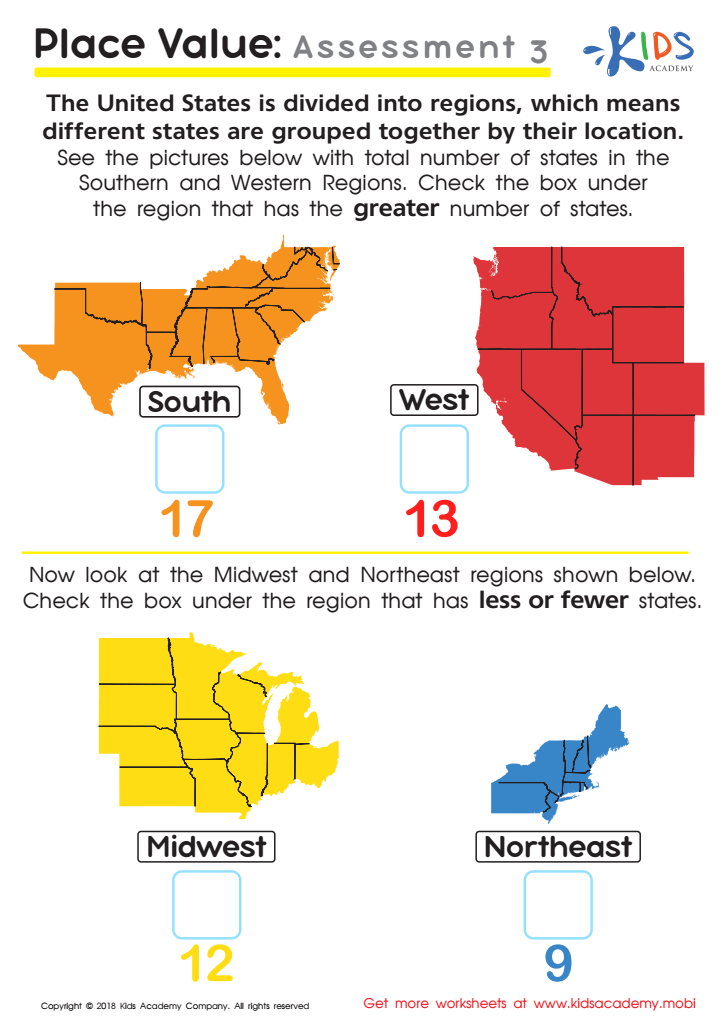
Place Value: Assessment 3 Worksheet
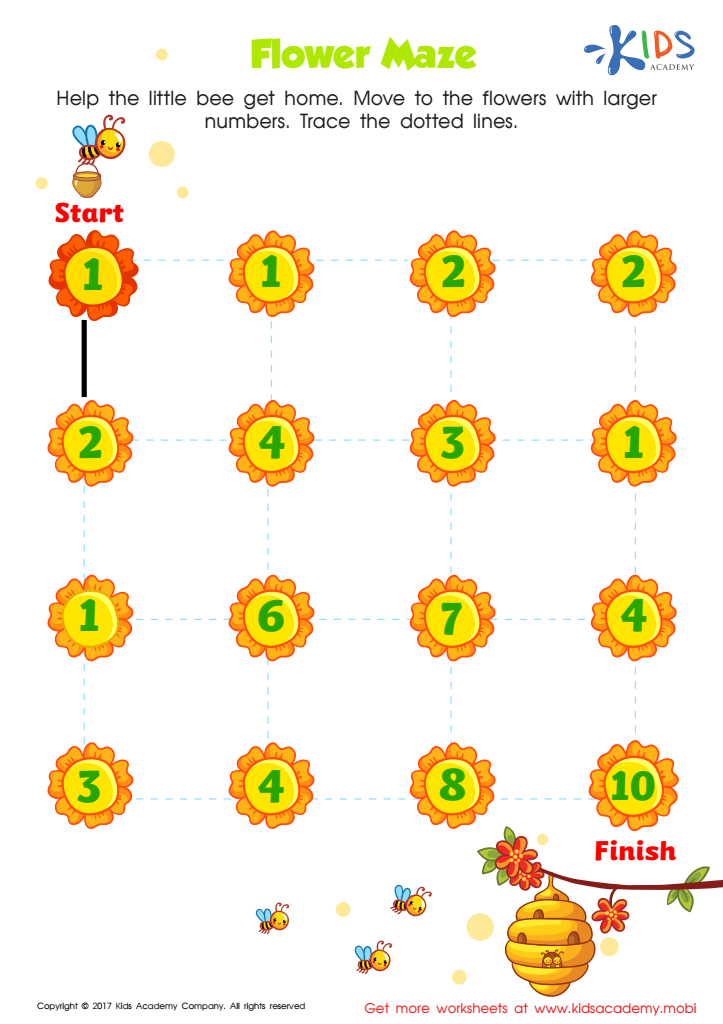
Number Maze For Kindergarten Printable
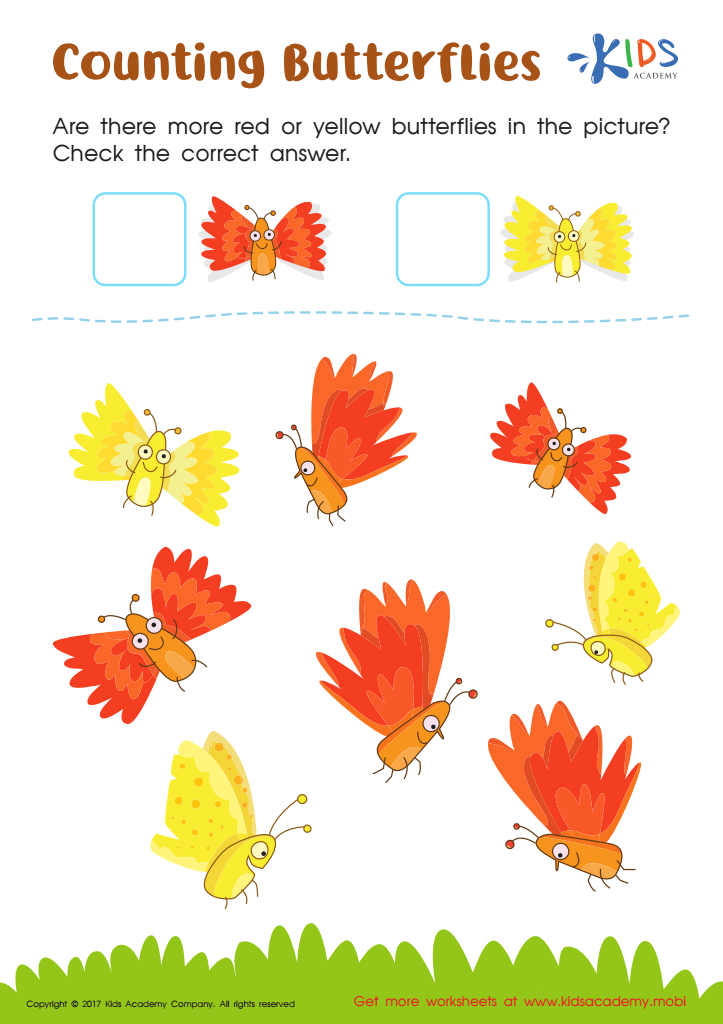
Counting Butterflies Worksheet








Counting skills and the ability to compare numbers are foundational mathematical competencies for young learners aged 4 to 6. Developing these skills is crucial not only for academic success but also for everyday problem-solving and critical thinking.
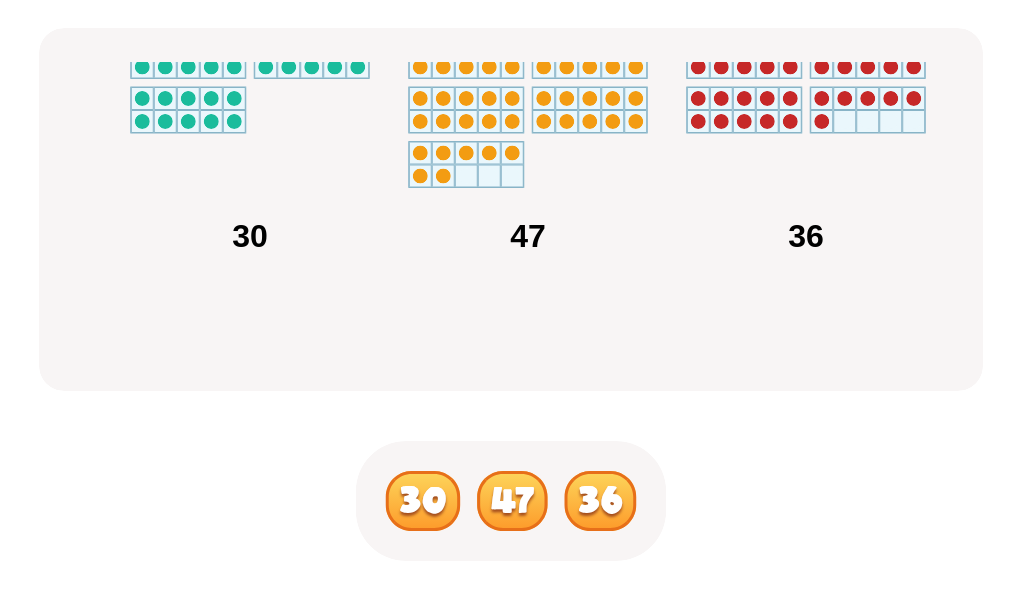
Firstly, counting is one of the first activities that instills a sense of number order and quantity. It helps children understand the concept of one-to-one correspondence and develops their ability to quantify objects, which is essential for future math learning. Teachers and parents can nurture these skills through playful activities that engage children, such as counting toys or using interactive games.
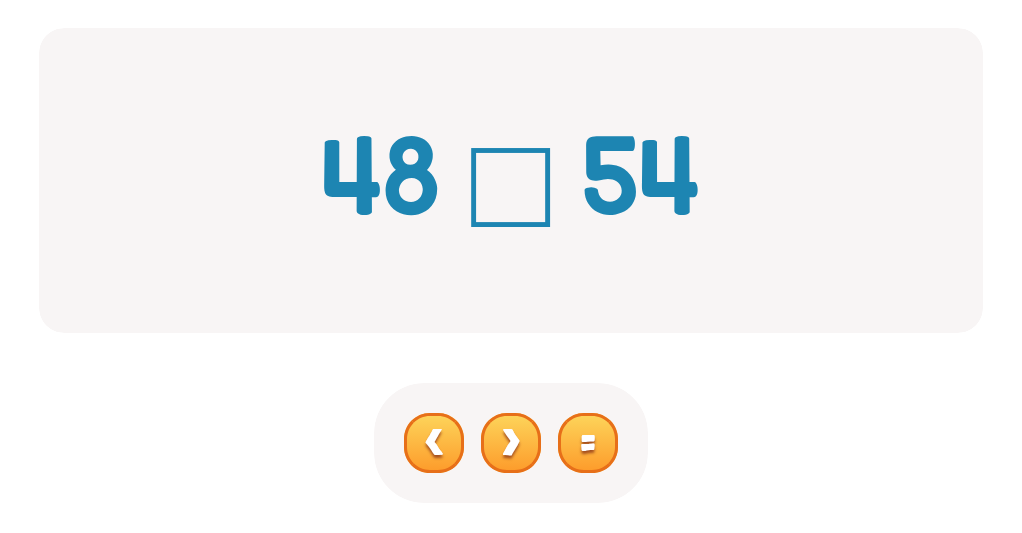
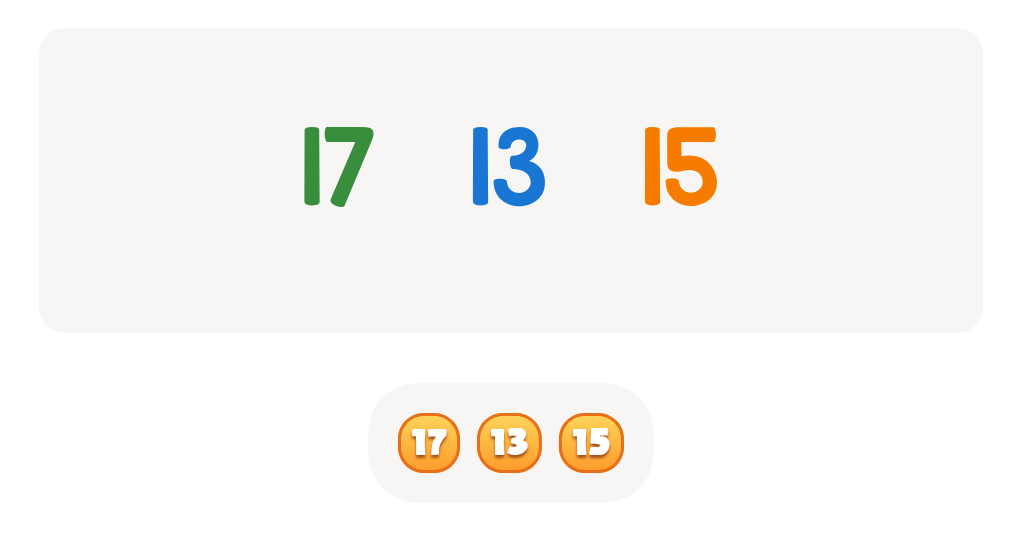
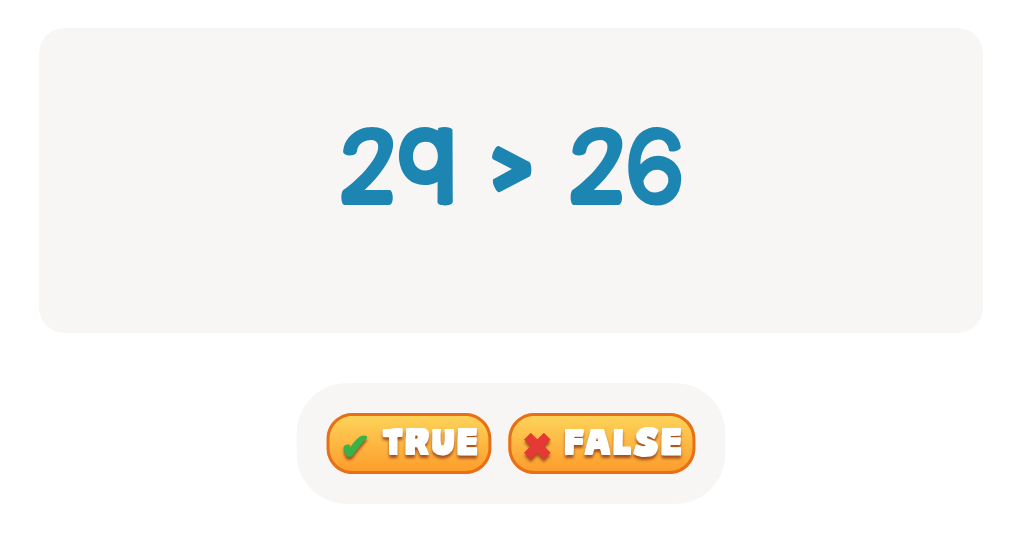
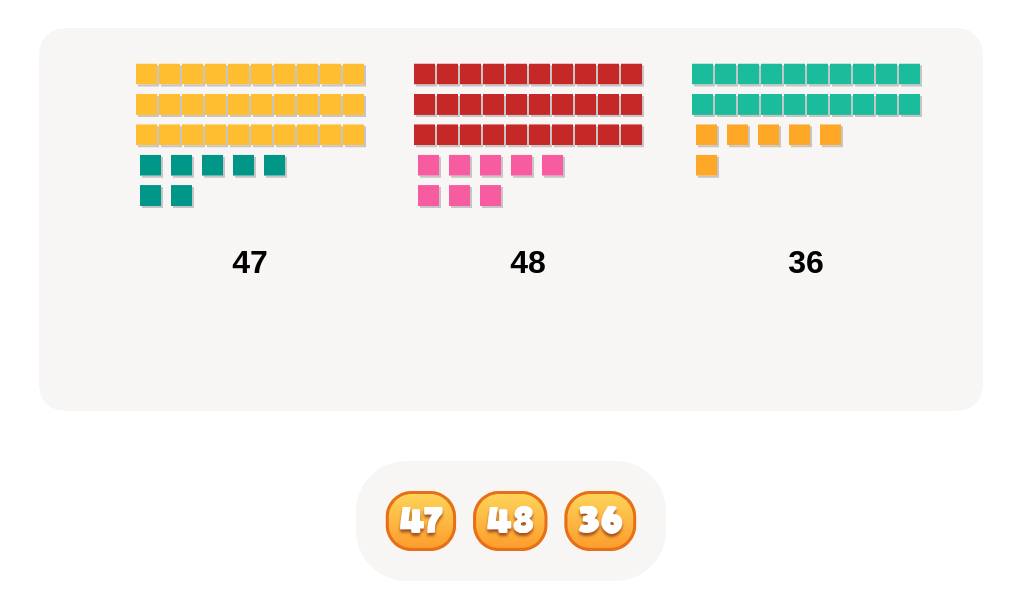
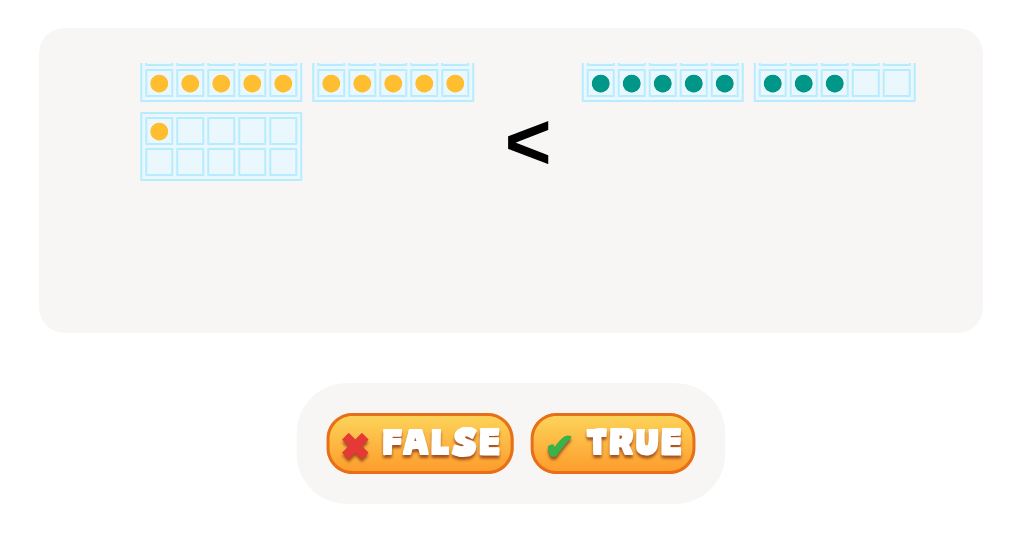
Secondly, comparing numbers introduces children to concepts of smaller and larger quantities, which is critical for making sense of the world around them. Understanding comparisons lays the groundwork for addition, subtraction, and overall number sense. For instance, when children compare numbers, they learn categorization and learn to judge which group has more or fewer objects.
Additionally, strong counting and comparing skills cultivate confidence and promote perseverance in problem-solving. By fostering these competencies early on, parents and teachers are equipping children with the necessary tools to approach math with enthusiasm and ease in their future educational journeys.








