Mental math skills Numbers Worksheets for Ages 4-6
4 filtered results
-
From - To
Enhance your child's numerical capabilities with our "Mental Math Skills Numbers Worksheets for Ages 4-6." These engaging worksheets are tailored to boost your little one's ability to perform basic arithmetic without relying on visual aids. Designed by educational experts, the activities focus on counting, addition, subtraction, and number recognition. Perfect for preschoolers and kindergarten kids, these worksheets encourage independent thinking and problem-solving skills. Make math enjoyable while building a strong foundation for future learning. Visit Kids Academy for vibrant and interactive worksheets that turn learning into a playful adventure.
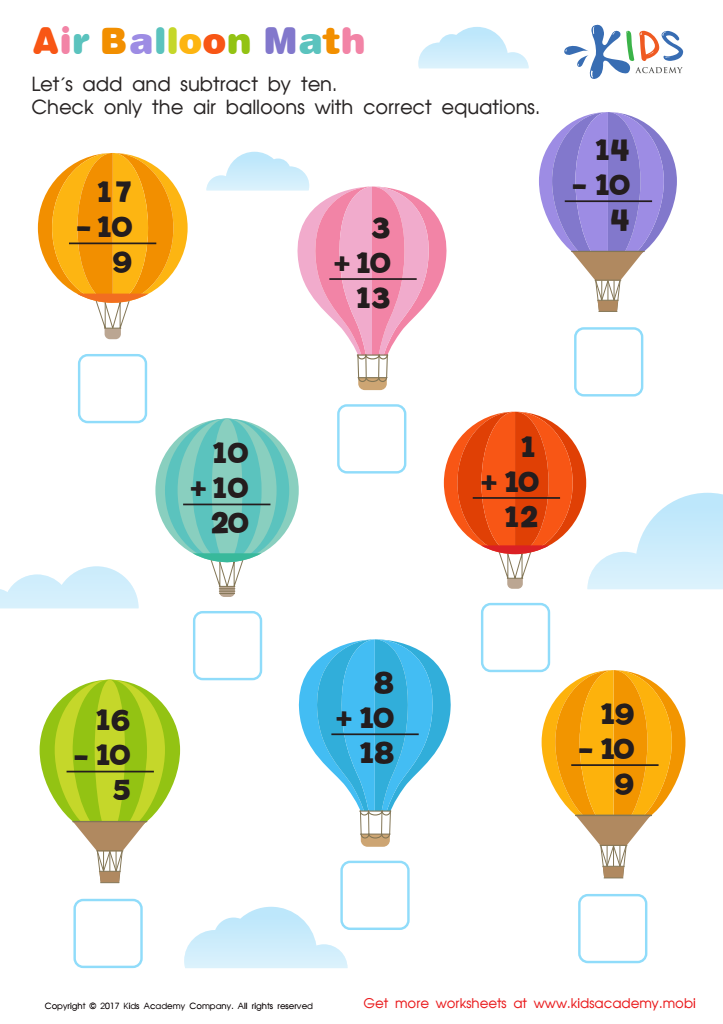
Air Balloon Math Worksheet
 Assign to My Students
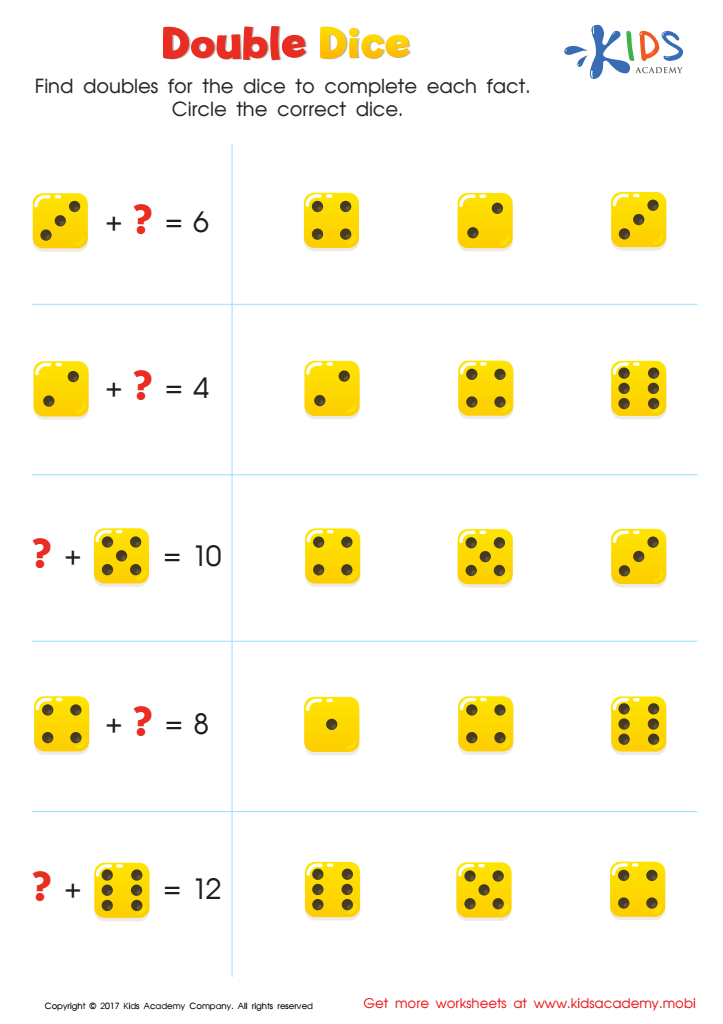
Addition Facts: Double Dice Worksheet
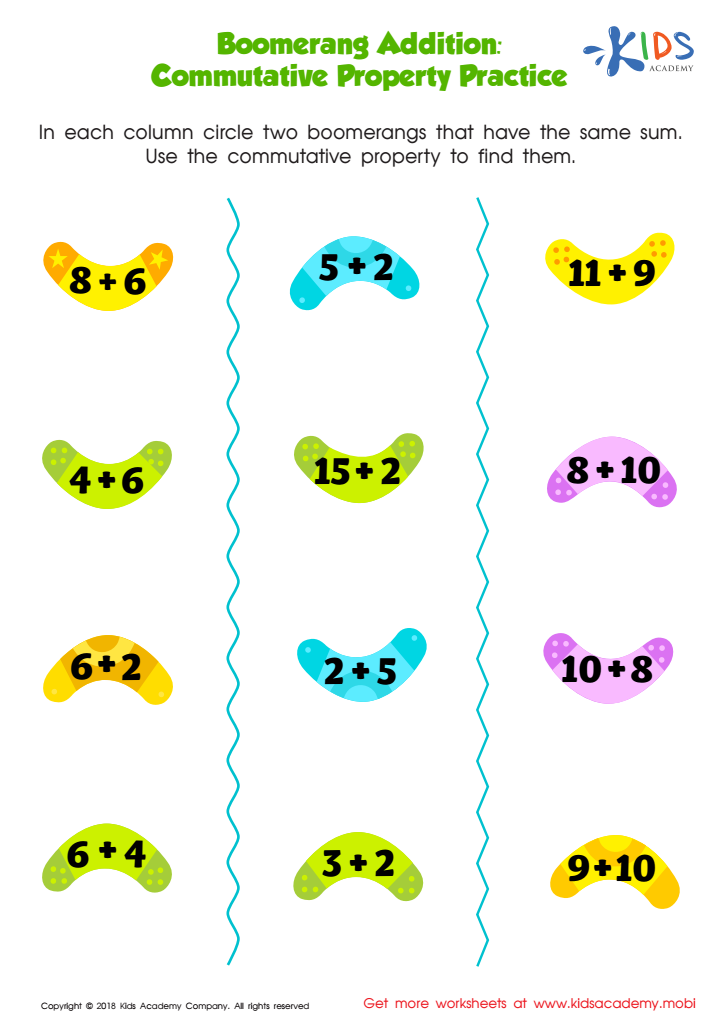
Boomerang Addition Worksheet
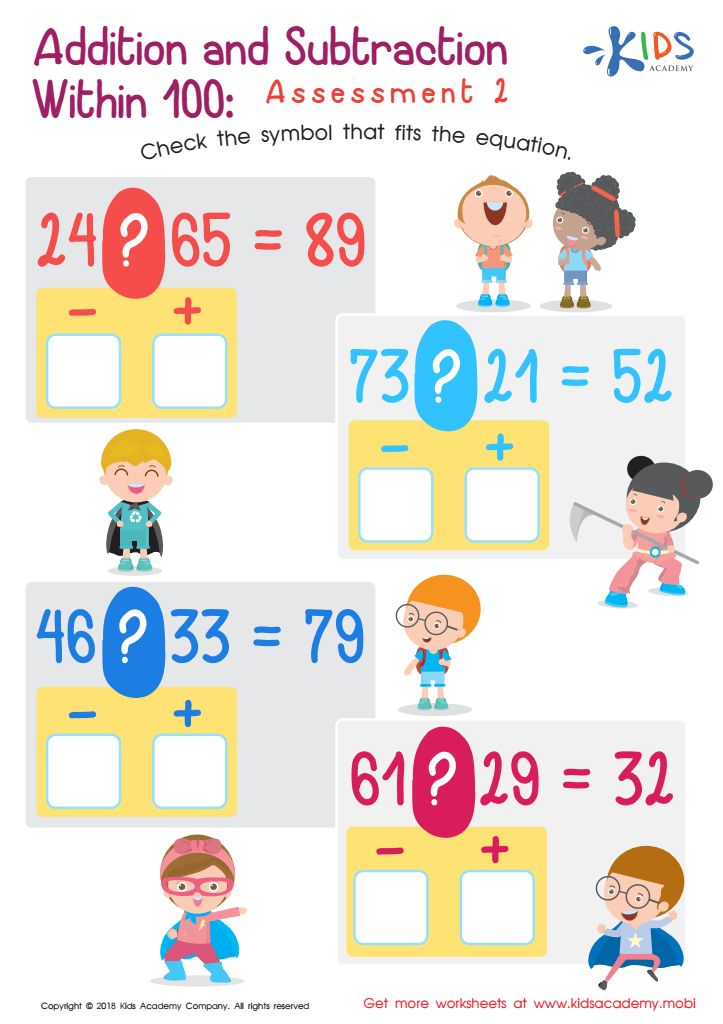
Addition and Subtraction Within 1: Assessment 2 Worksheet








Parents and teachers should place a high priority on developing mental math skills in children aged 4-6 because these foundational abilities enhance cognitive development, boost confidence, and set the stage for future academic success. At this developmental stage, young brains are exceptionally adaptable and ready to absorb new information. Introducing mental math exercises helps to strengthen neural connections and improve memory, attention, and problem-solving skills.
When children become proficient in mental math, they gain a sense of achievement and confidence in their ability to tackle mathematical challenges. This positive mindset can lead to a greater interest in math and other subjects as they progress through school. Moreover, mental math encourages children to use critical thinking and creativity to find solutions, skills that are applicable to a wide range of life scenarios beyond the classroom.
Additionally, having strong mental math skills can make everyday activities more manageable for children. Whether they are sharing toys fairly, telling time, or helping with shopping, being comfortable with numbers will help them navigate the world around them more effectively.
Overall, fostering mental math skills during early childhood sets the groundwork for a lifetime of analytical thinking, problem-solving, and academic resilience, benefiting children not just academically, but in their daily lives as well.








