Pattern recognition Numbers Worksheets for Ages 4-6
4 filtered results
-
From - To
Explore our engaging Pattern Recognition Numbers Worksheets designed for children aged 4-6! These interactive resources help young learners develop essential math skills while enhancing their ability to recognize and predict number patterns. Our worksheets combine colorful visuals with fun exercises that encourage critical thinking and cognitive development. Each activity is tailored to suit early learners, making math a playful and enjoyable experience. Ideal for parents and educators alike, these worksheets promote foundational skills in a supportive environment. Download and discover the joy of learning numbers through patterns today, nurturing your child's confidence and proficiency in mathematics!
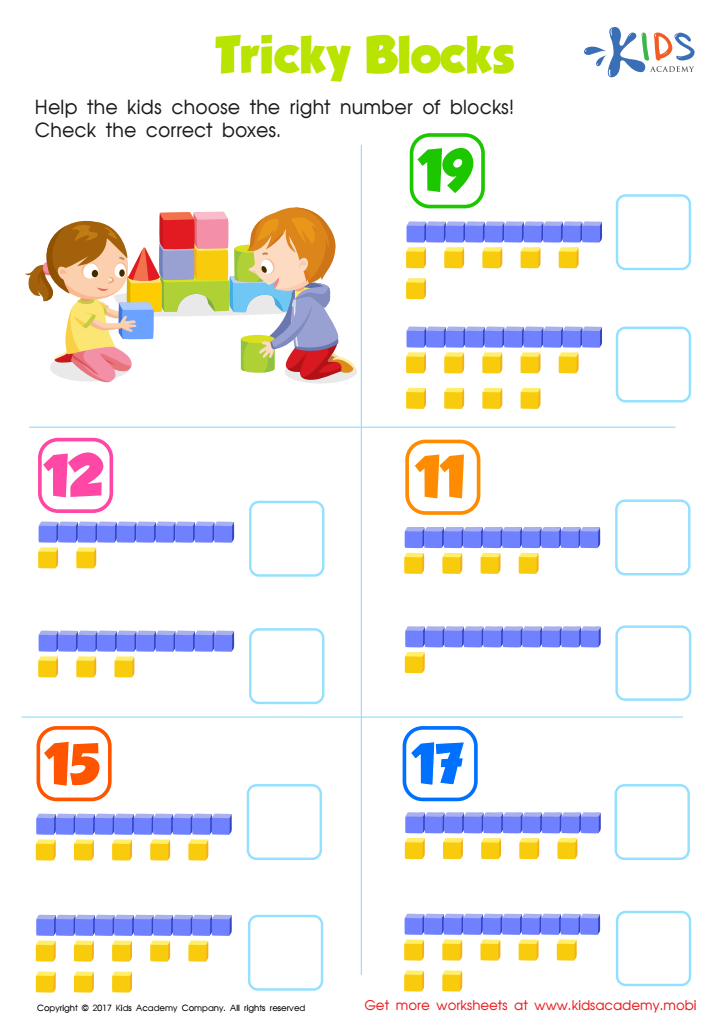
Tricky Blocks Worksheet
 Assign to My Students
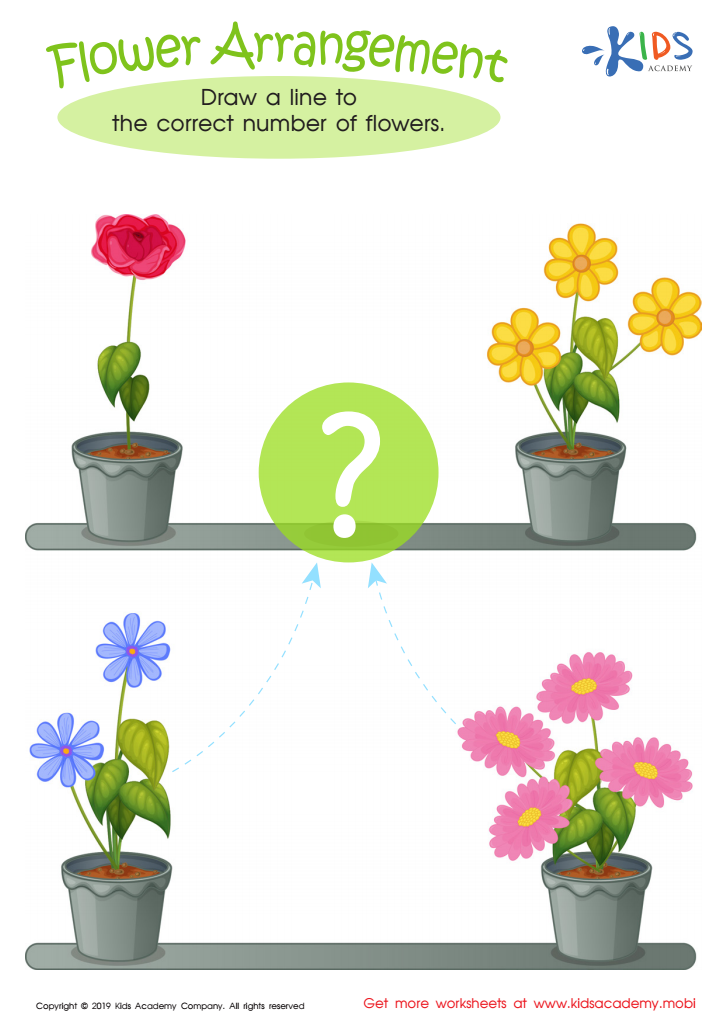
Flower Arrangement Worksheet
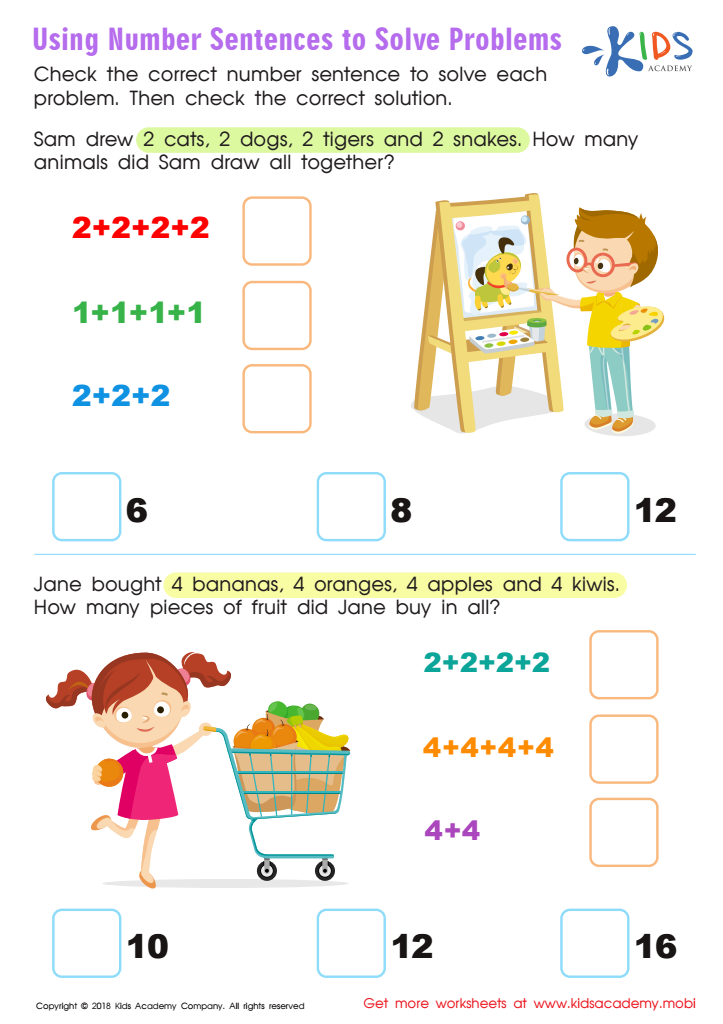
Using Number Sentences to Solve Problems Worksheet
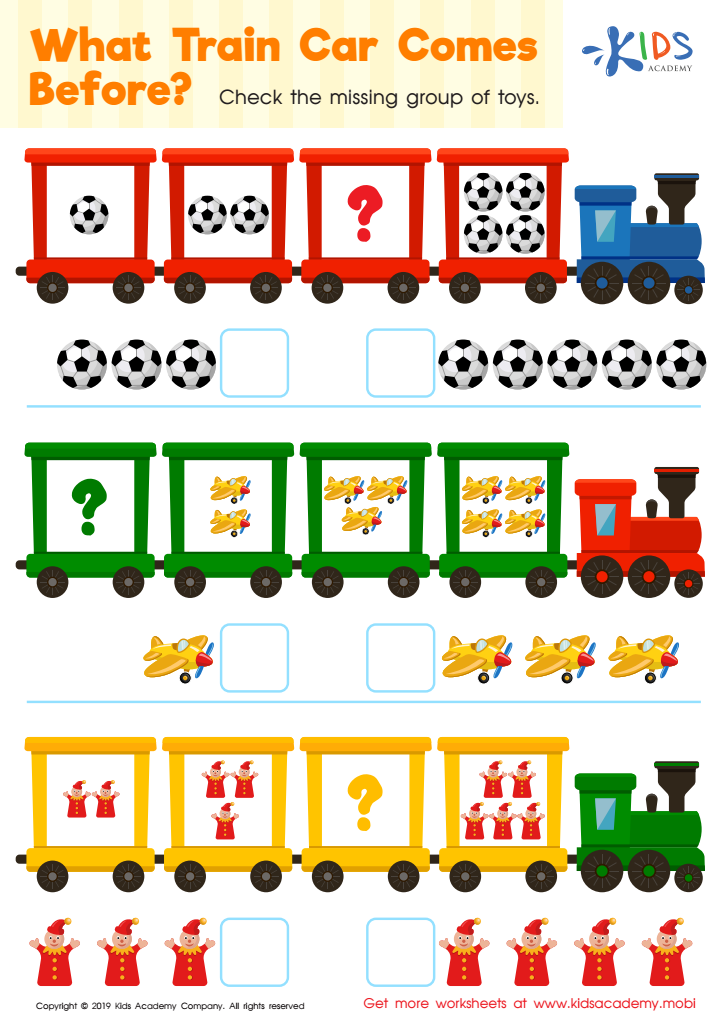
What Train Car Comes Before? Worksheet








Pattern recognition is a fundamental cognitive skill that plays a critical role in early childhood education, especially for children aged 4-6. Parents and teachers should pay close attention to this skill because it forms the bedrock for more advanced mathematical concepts. Recognizing patterns helps children understand relationships between numbers, shapes, and objects, fostering a strong numerical intuition.
Engaging in pattern recognition activities promotes critical thinking and problem-solving skills. For instance, when children identify sequences or repetitions, they enhance their ability to predict outcomes and make logical connections. This foundational knowledge is essential not just in math but also in reading, science, and everyday life.
Moreover, children who develop strong pattern recognition abilities are more likely to excel academically. It can bolster their confidence, making them more willing to tackle challenges in school. Socially, discussing patterns with peers or adults encourages language development, as children learn to articulate their thoughts and discoveries.
Encouraging pattern recognition through games, songs, and hands-on activities sparks interest in learning and lays the groundwork for future success. Therefore, prioritizing this skill is essential for parents and teachers who aim to equip their children with the tools they need for lifelong learning.








