Basic math abilities Math Worksheets for Ages 4-6
3 filtered results
-
From - To
Our "Basic Math Abilities Math Worksheets for Ages 4-6" are specially designed to introduce young learners to fundamental math concepts in a fun and engaging way. These worksheets cover essential skills such as counting, number recognition, simple addition and subtraction, patterns, and more. Through colorful and interactive activities, children develop a strong mathematical foundation that prepares them for future academic success. Perfect for use at home or in the classroom, our expertly crafted worksheets ensure that learning math becomes a joyful and rewarding experience for children aged 4 to 6. Help your child build confidence and a love for math today!
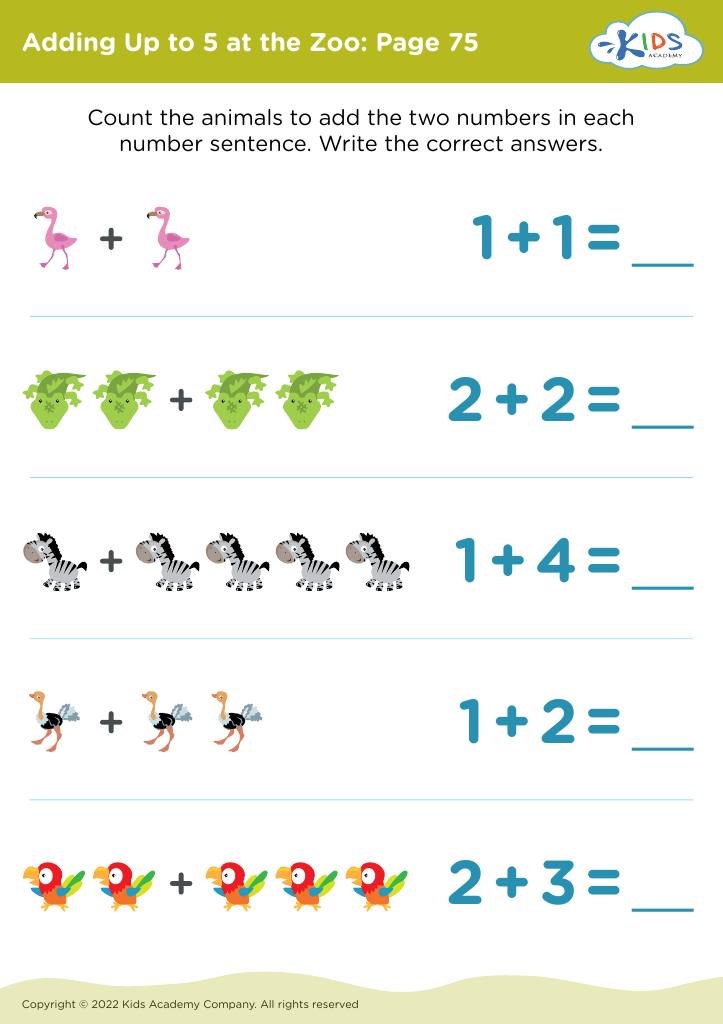
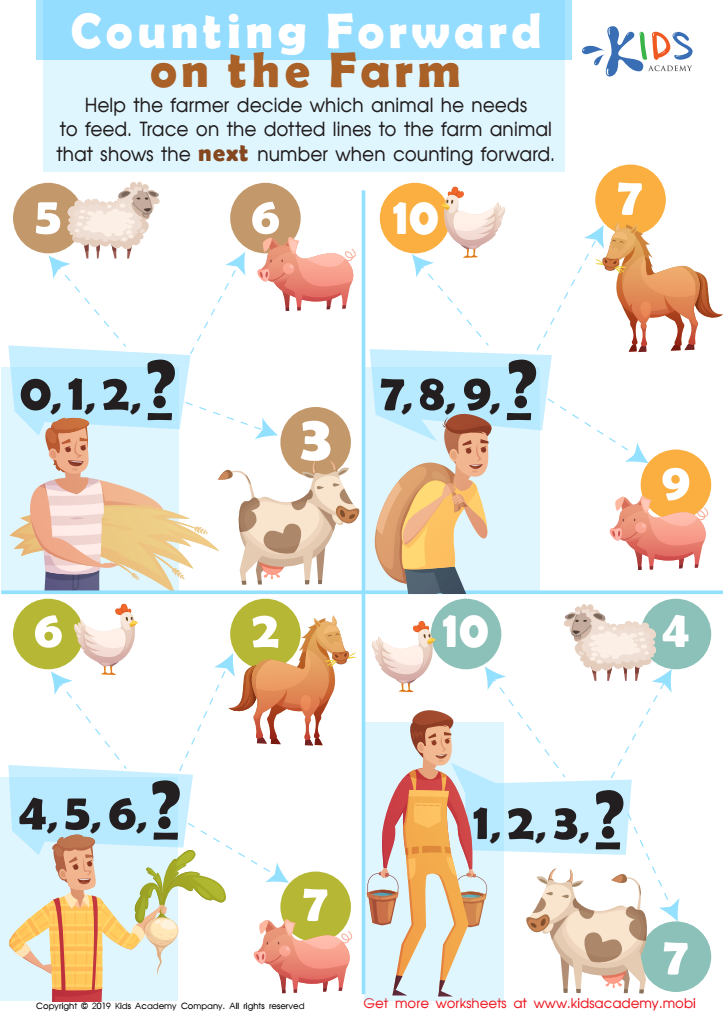
Counting Forward On the Farm Worksheet
 Assign to My Students
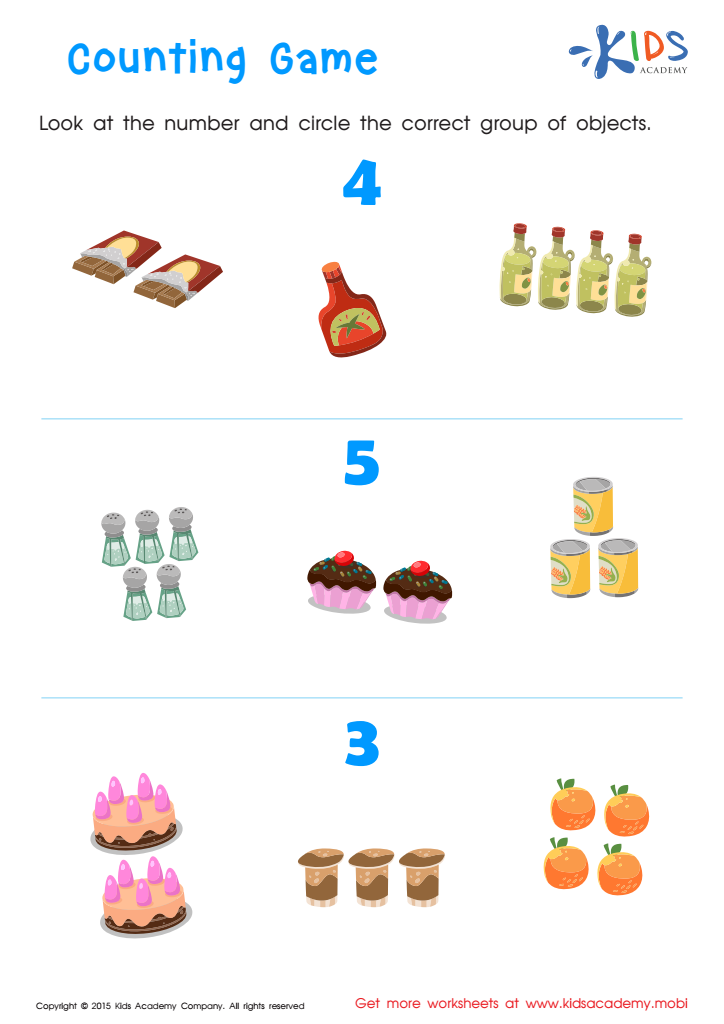
Counting Worksheet








Basic math abilities for children ages 4-6 are crucial for several reasons. First and foremost, early math skills build the foundation for future learning. Children who grasp fundamental concepts such as counting, number recognition, and basic operations (addition and subtraction) at a young age are better prepared for more complex math topics in later grades.
Additionally, early math education fosters cognitive development. It sharpens logical thinking, problem-solving, and analytical skills, which are essential not only in academics but also in everyday life. For instance, understanding numbers and quantities helps children in making decisions and developing reasoning skills.
Moreover, fostering math abilities can boost a child’s self-esteem and confidence. Mastering early math concepts provides a sense of achievement and readiness, encouraging a positive attitude towards learning overall. This confidence often translates into better performance not only in math but in other subjects as well.
Parents and teachers play a pivotal role in reinforcing these skills through engaging activities, games, and real-life applications. Encouraging a fun and explorative attitude towards math during the ages of 4-6 can help children develop a lifelong appreciation and competency in the subject, setting a strong foundation for their academic and personal growth.








