Basic Math understanding Math Worksheets for Ages 4-6
10 filtered results
-
From - To
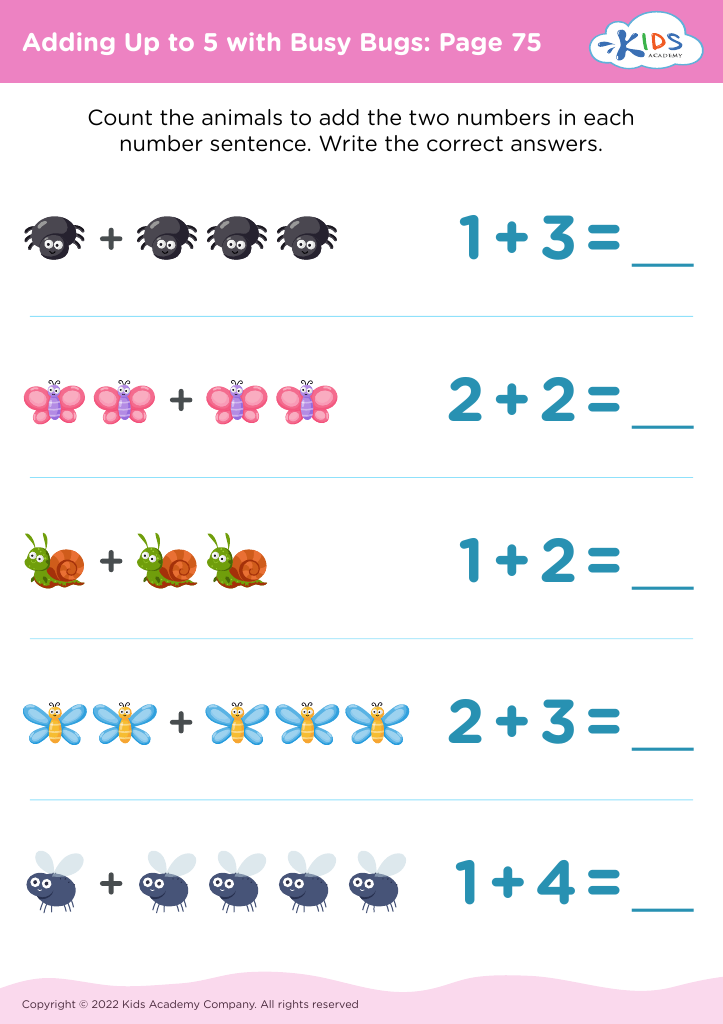
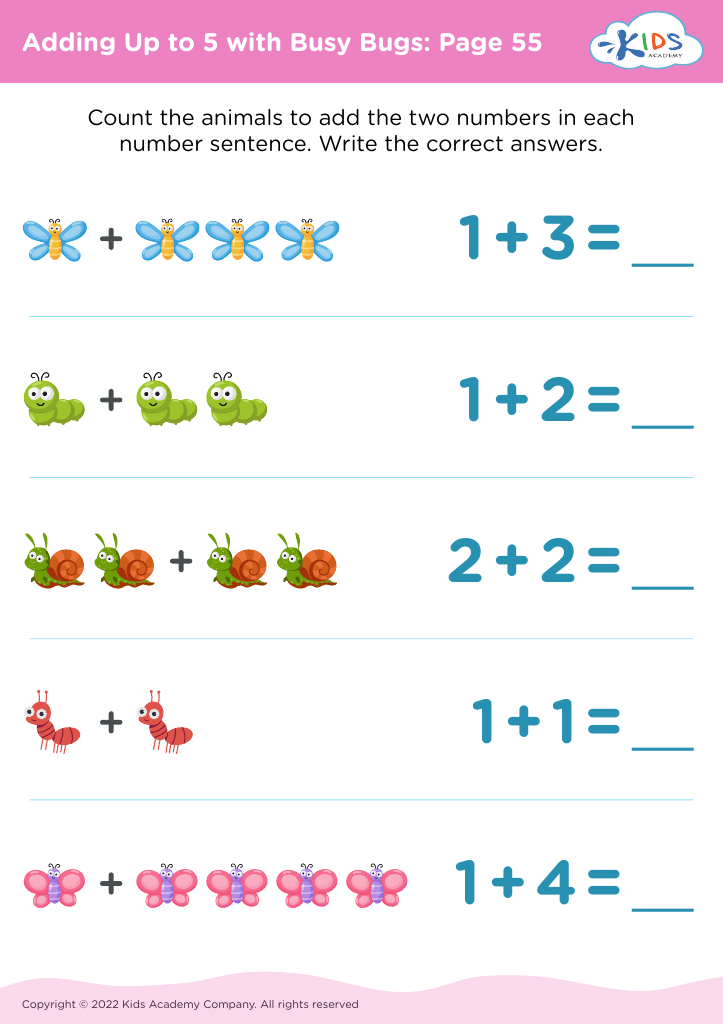
Unlock the joy of learning with our engaging Basic Math Understanding worksheets designed specifically for children aged 4-6! These creative and interactive resources help young learners grasp essential math concepts through colorful illustrations and fun activities. Kids will explore numbers, counting, simple addition, subtraction, and basic shapes while developing critical thinking and problem-solving skills. Our worksheets promote independent learning and reinforce classroom lessons, making them an ideal supplement to early education. Encourage your child's mathematical foundation and prepare them for future success with our easy-to-follow, printable worksheets. Begin the adventure of math mastery today and watch their confidence soar!
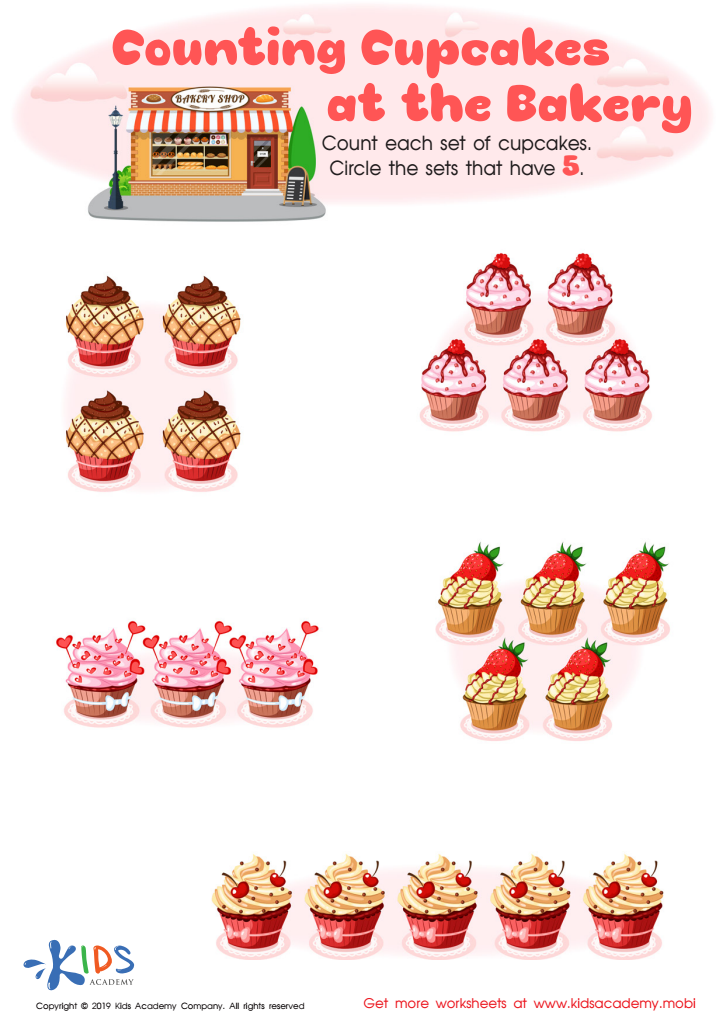
Counting Cupcakes Worksheet
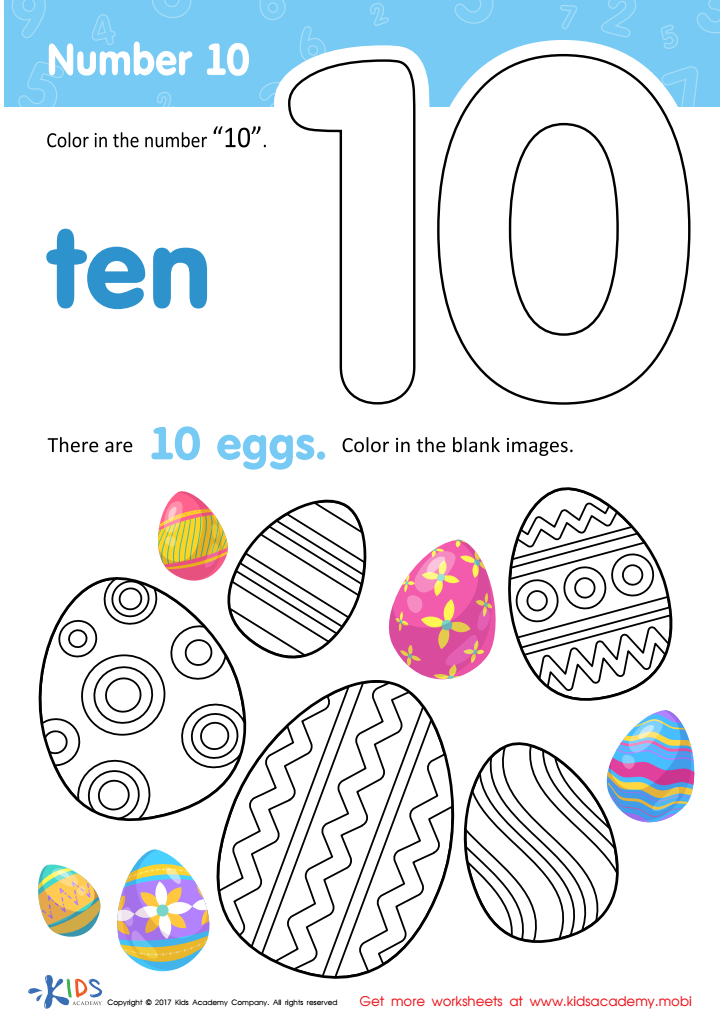
Number 10 Printable
 Assign to My Students
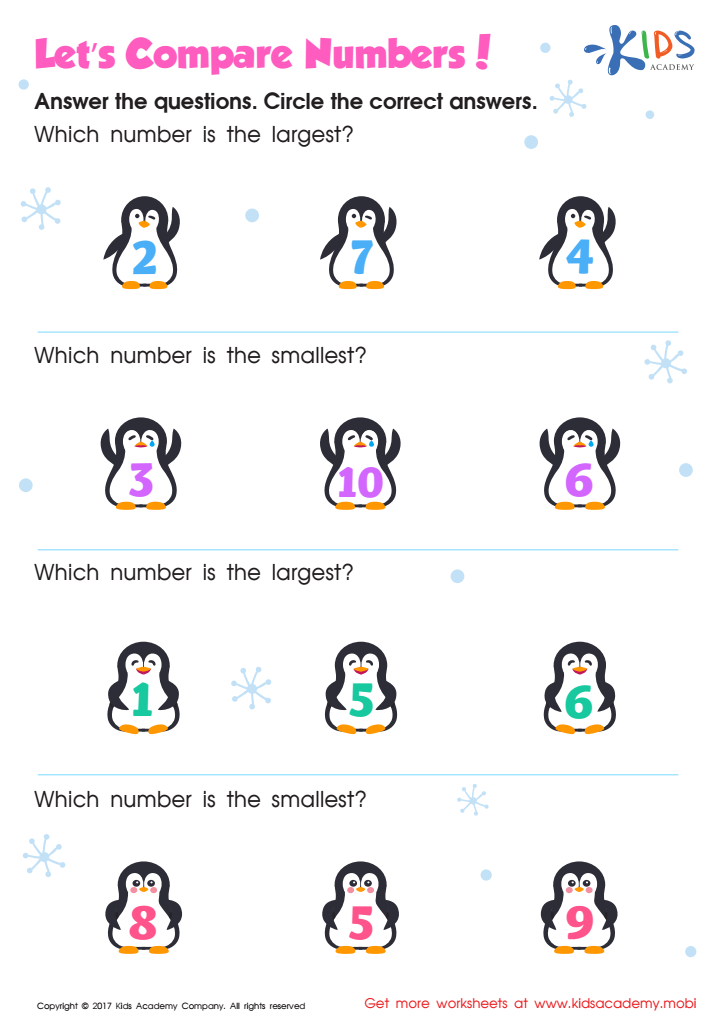
Comparing Numbers 1–10 Worksheet Kindergarten
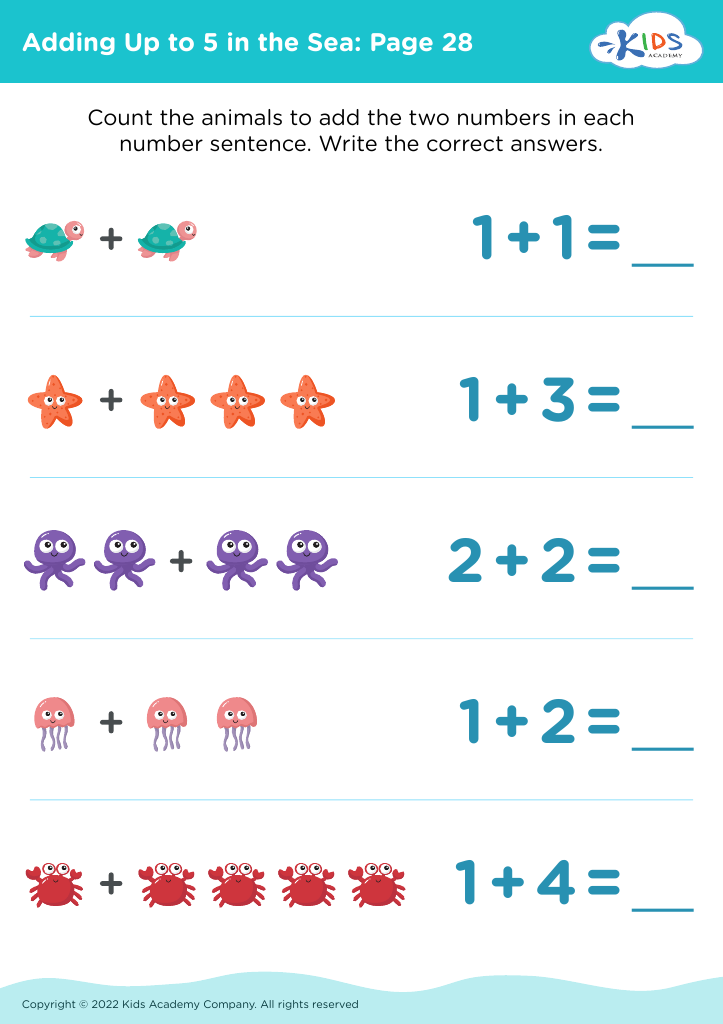
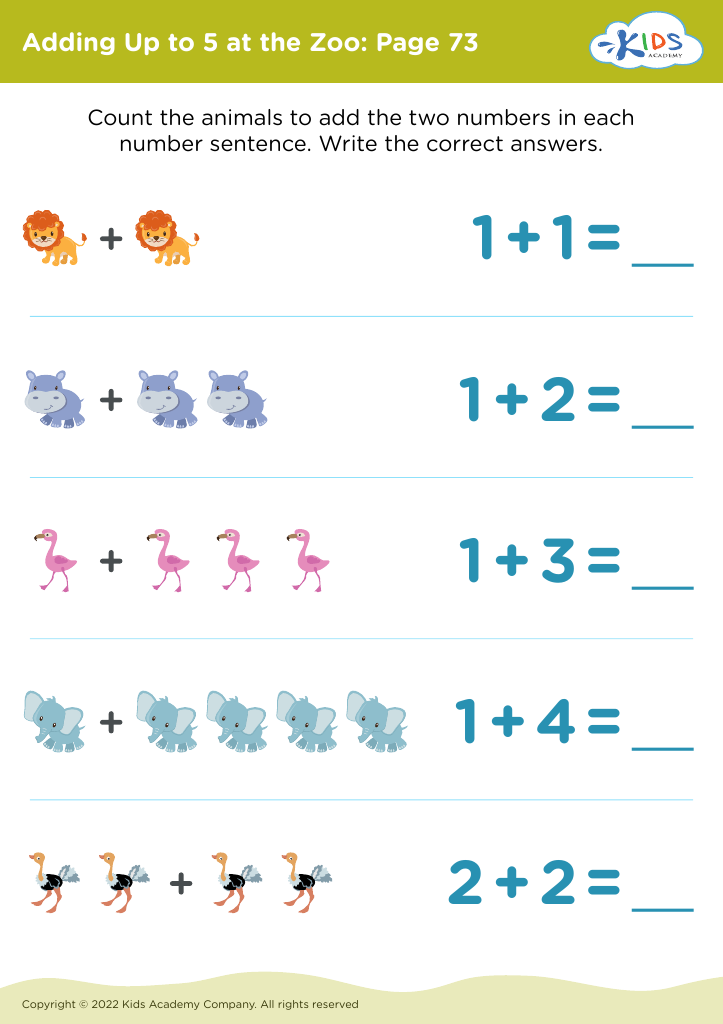
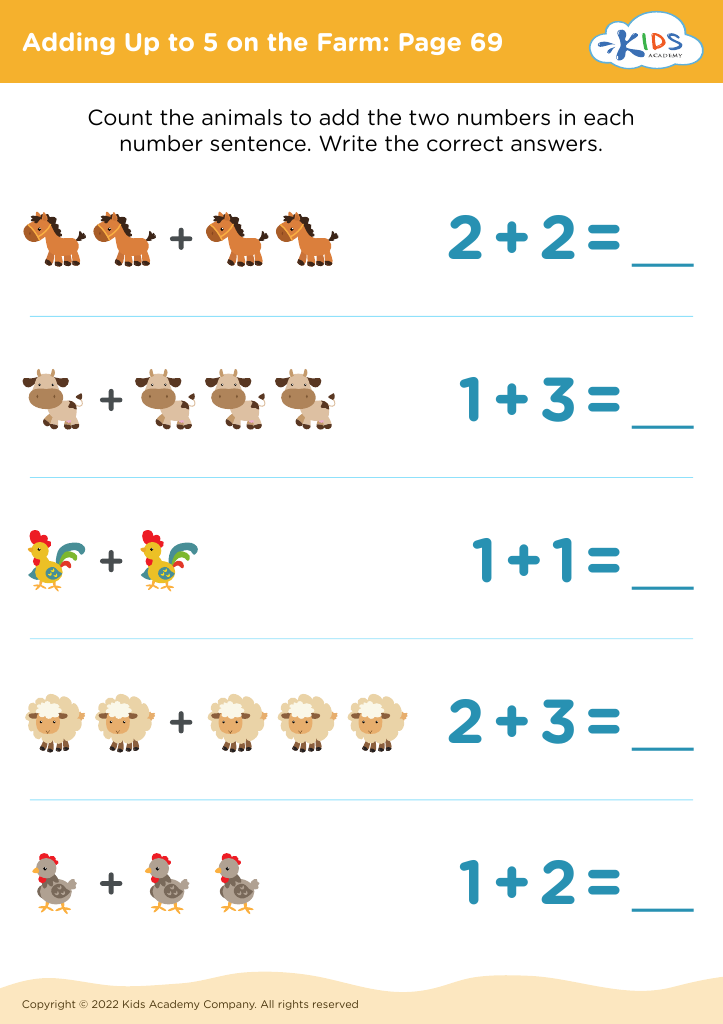
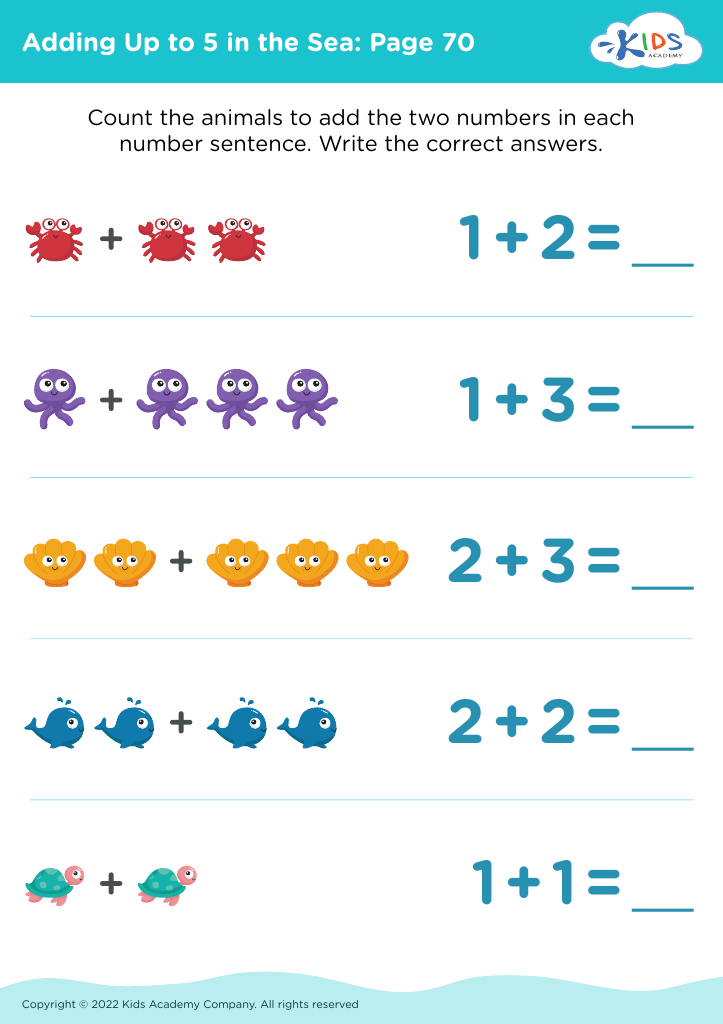
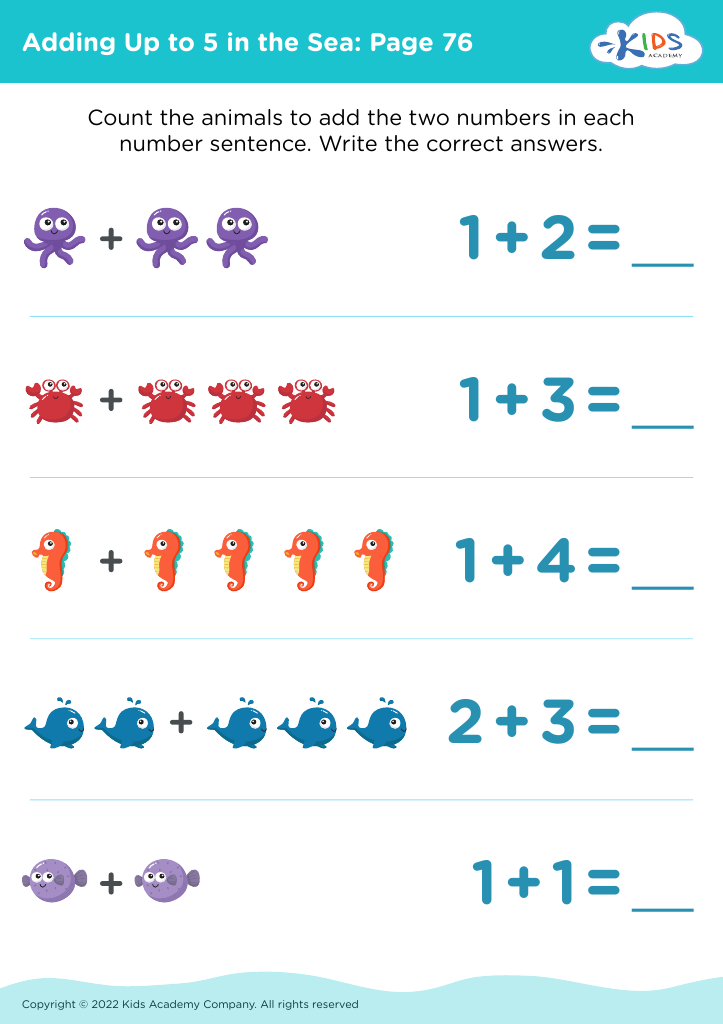







Understanding basic math concepts during the ages of 4-6 is crucial for a child's developmental foundation. At this stage, children are not just learning numbers; they are also developing critical thinking, problem-solving skills, and mathematical reasoning that will remain with them throughout their lives.
Parents and teachers should care about early math exposure because it enhances cognitive abilities and promotes a positive attitude toward learning. Engaging children in fun math activities—such as counting objects, sorting shapes, or measuring during play—fosters an intrinsic motivation to explore and understand the world around them.
Moreover, early math skills improve language development, helping children articulate their thoughts and make connections between numbers and real-life situations. Research shows that strong early math understanding can lead to better performance in school as they progress to higher grades.
Critical early math experiences also reduce the likelihood of math anxiety later on, ensuring that children approach the subject with confidence. Ultimately, a solid grasp of basic math can empower young learners to thrive academically and socially, equipping them with essential skills for future success. By prioritizing math understanding at this age, parents and teachers lay the groundwork for lifelong learning and achievement.








