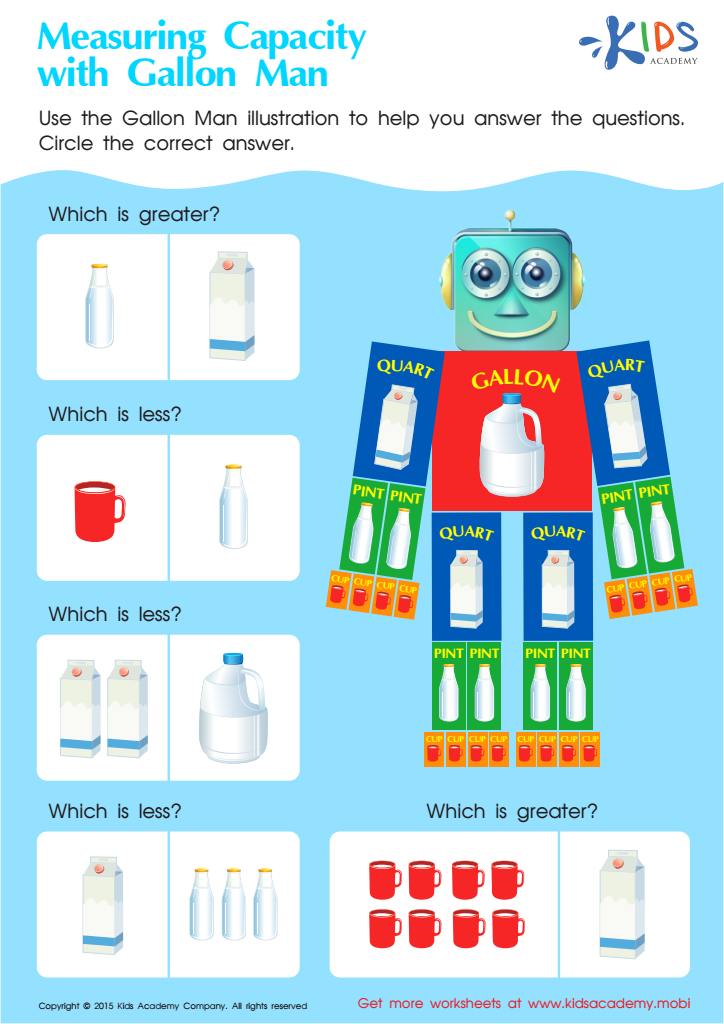
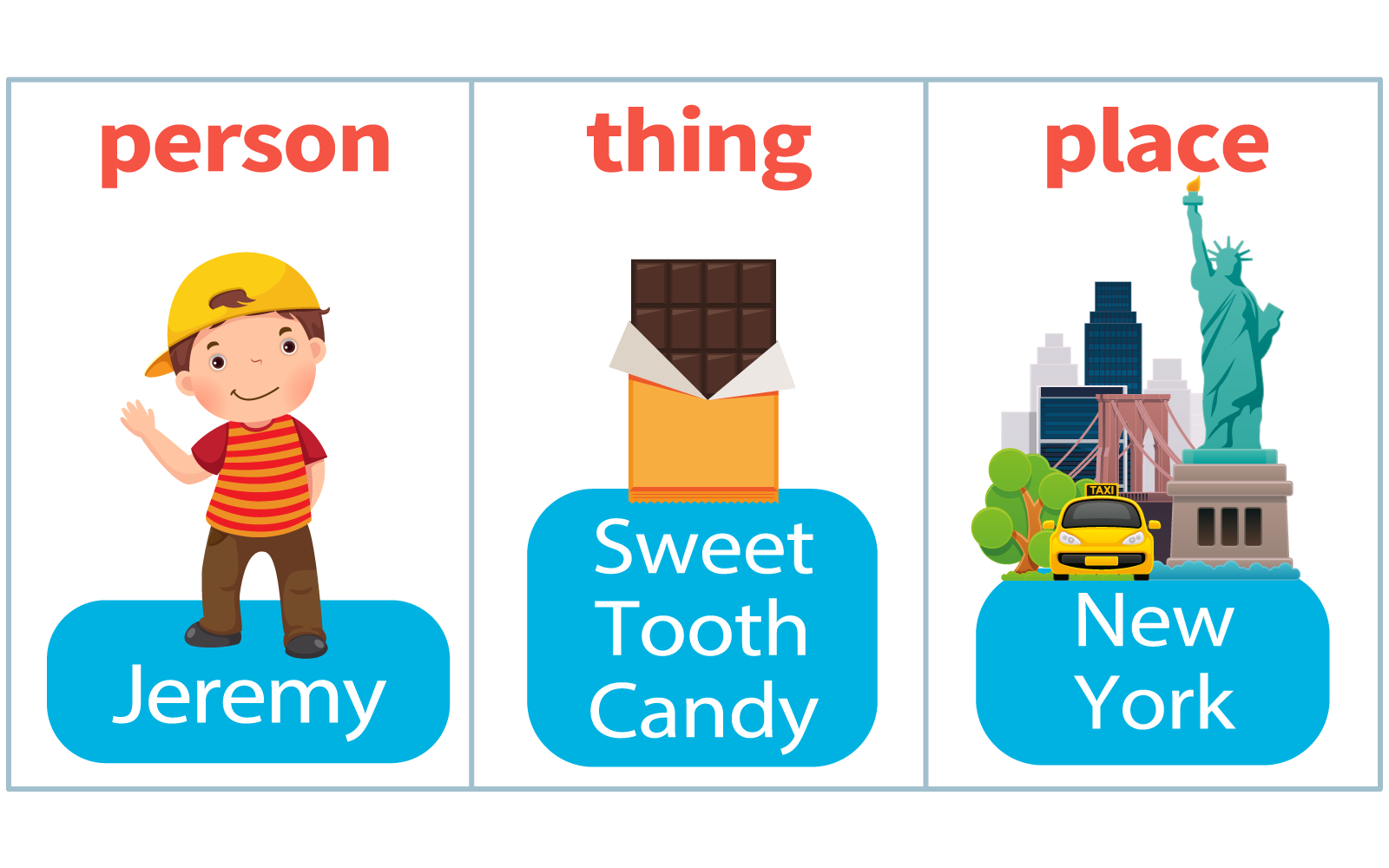
Enhance your child's math skills with our engaging worksheets designed specifically for ages 4-6. Our carefully crafted activities provide a fun and interactive way to introduce fundamental math concepts such as counting, number recognition, addition, and subtraction. With colorful visuals and age-appropriate challenges, these worksheets will ignite your child's love for learning while building their confidence in math. Ideal for homeschooling or supplementary practice, our resources empower children to develop essential skills at their own pace. Explore our collection today and start nurturing a strong mathematical foundation that will last a lifetime!

Check out this FREE Trial Lesson on Math for age 4-6!

Properties of Addition - Part 1

Favorites
With answer key
Interactive
  • 4-6
  • Enhancing math skills
  • Math
Identity Property of Addition Worksheet

Identity Property of Addition Worksheet

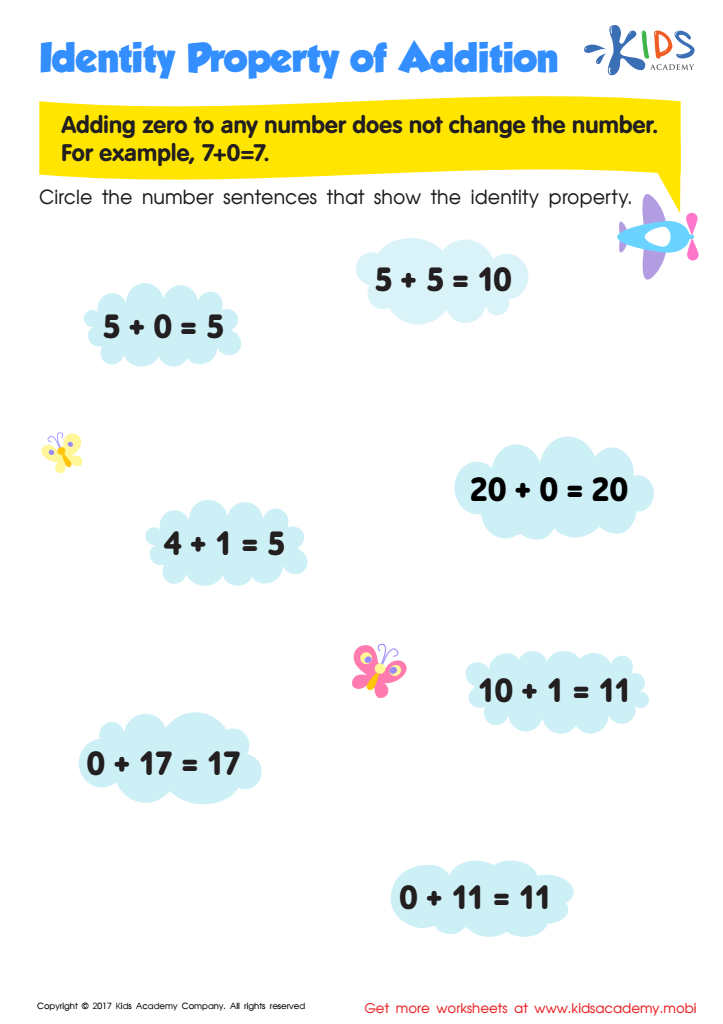
Kids must learn the identity property of addition in math. It states that adding zero to an equation does not change the number. A great way to help kids understand this concept is with a Kids Academy worksheet. It encourages kids to identify which number sentences demonstrate the identity property of addition. Doing so builds vital mental math skills for fast addition.
Identity Property of Addition Worksheet
Worksheet
Measurement PDF Worksheets: Measuring Capacity with Gallon Man

Measurement: Measuring Capacity with Gallon Man Worksheet
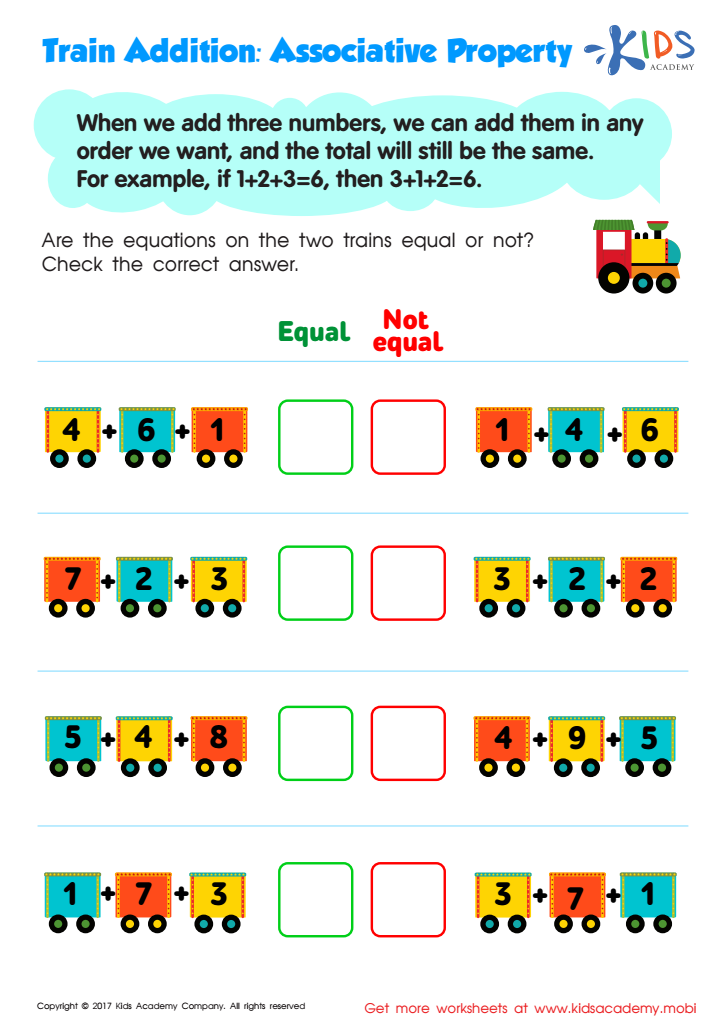
Check out Gallon Man to practice measuring capacity with cups, pints, quarts, and gallons. Our worksheet has questions with answers checked against Gallon Man. For more practice, visit our site for free printable math worksheets for kindergarten and learn math with fun!
Measurement: Measuring Capacity with Gallon Man Worksheet
Worksheet
Train Addition: Associative Property Worksheet

Train Addition: Associative Property Worksheet

The associative property of addition lets us add numbers in any order. Total will remain the same. Help kids practice this pre-algebra skill with a train-themed worksheet. It will help them understand if the equations are equal using this property.
Train Addition: Associative Property Worksheet
Worksheet
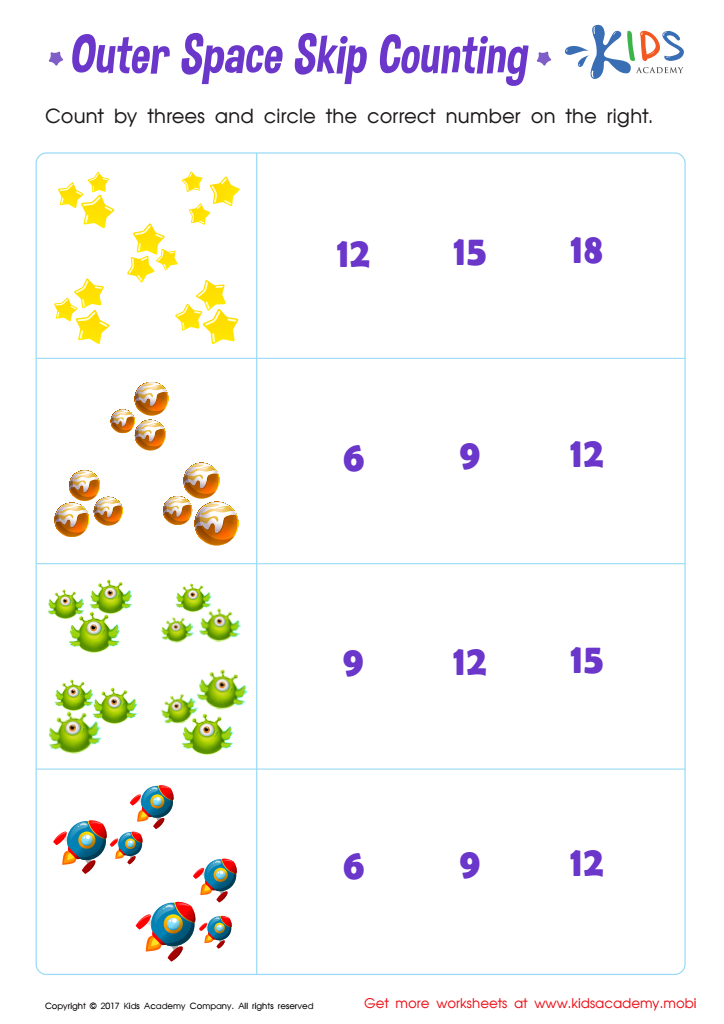
Counting by 3’s Printable Worksheet

Skip Counting by 3s: Outer Space Skip Counting Printable
Want to set your child up for math success? Get them this printable worksheet that helps them practice counting in groups of 3’s, building a foundation for more advanced math skills. Skipping counting helps kids master logical reasoning and cognitive skills, making a connection between counting objects individually and in groups. The colorful images will keep them engaged and having fun - without realizing how hard they're working!
Skip Counting by 3s: Outer Space Skip Counting Printable
Worksheet
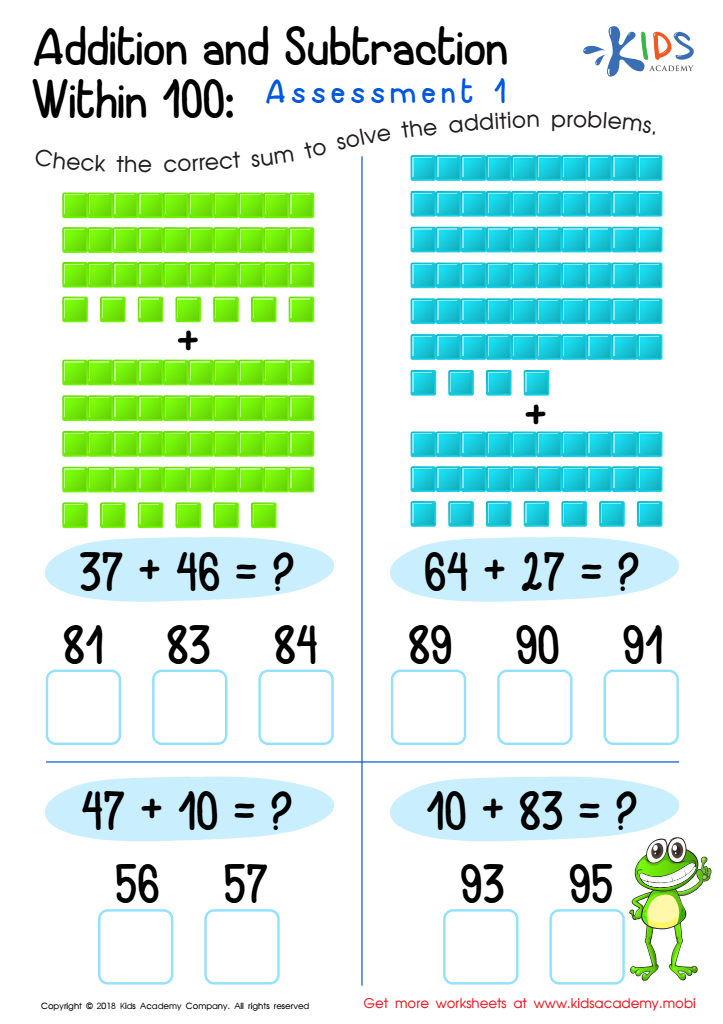
Addition and Subtraction Within 1: Assessment 1 Worksheet


Addition and Subtraction Within 1: Assessment 1 Worksheet

Help your kids develop their math skills with this worksheet! Addition and subtraction can be daunting for young learners, but you can make it easier for them with this pdf. Use it to check the correct sum and help them solve the addition problems. This is a great way to get them ready to be future great mathematicians.
Addition and Subtraction Within 1: Assessment 1 Worksheet

Worksheet


Enhancing math skills for children aged 4-6 is crucial for their overall development and future academic success. At this stage, children are like sponges, absorbing new information quickly. Developing foundational math skills not only helps them understand numbers but also reinforces critical thinking, problem-solving, and logical reasoning—abilities that are essential in everyday life.

Exposure to math concepts in early childhood supports cognitive development, laying the groundwork for more complex mathematical ideas as they progress. Engaging in simple activities such as counting objects, recognizing shapes, or measuring using their surroundings cultivates an early interest in mathematics, making learning enjoyable and intuitive.

Additionally, these skills boost children’s confidence and encourage a positive attitude toward math, reducing anxiety around the subject as they grow. For teachers and parents, providing consistent support and reinforcement at home and in educational settings ensures that children have the necessary tools and skills to advance academically. Ultimately, investing in early math education fosters not just proficient mathematicians but well-rounded individuals poised for success in a rapidly evolving world that increasingly relies on STEM (science, technology, engineering, and mathematics) skills.