Fine motor development Math Worksheets for Ages 4-6
6 filtered results
-
From - To
Unlock your child's potential with our engaging Fine Motor Development Math Worksheets for ages 4-6! Designed to enhance coordination and control while learning essential math concepts, these worksheets offer a fun, hands-on approach. Through activities that involve tracing, cutting, and coloring, youngsters will strengthen their fine motor skills and develop number recognition, counting, and basic problem-solving abilities. Each worksheet is thoughtfully crafted to keep young learners engaged and motivated. Perfect for home or classroom use, our resources help lay the foundation for a lifetime of mathematical proficiency. Explore our collection today and watch your child's confidence and skills soar!
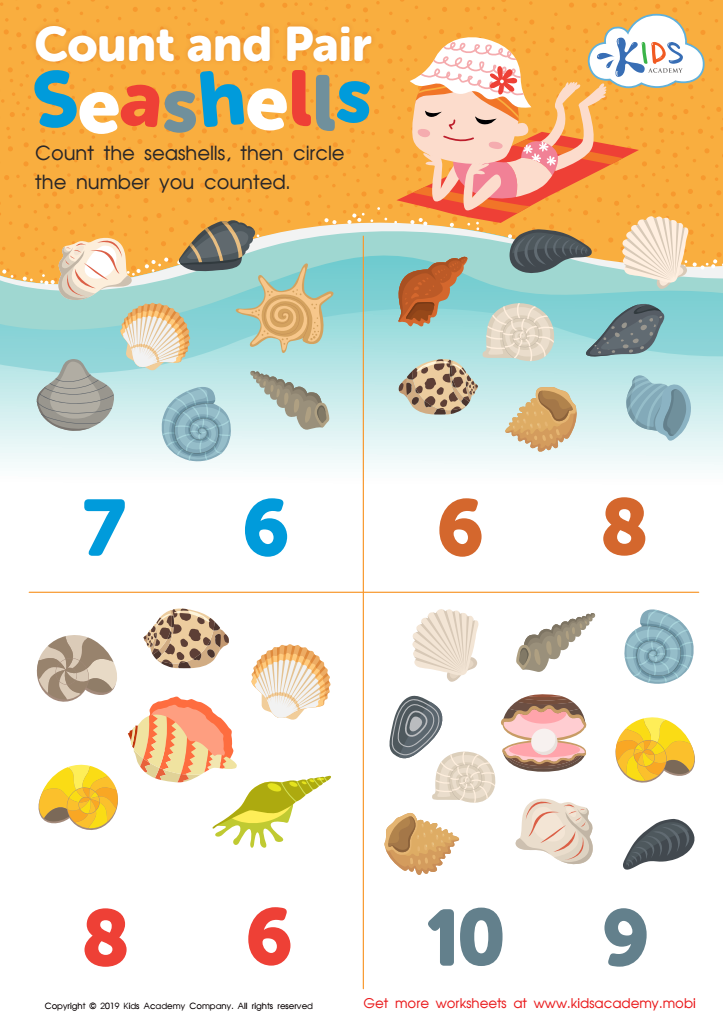
Count and Pair Seashells Worksheet
 Assign to My Students
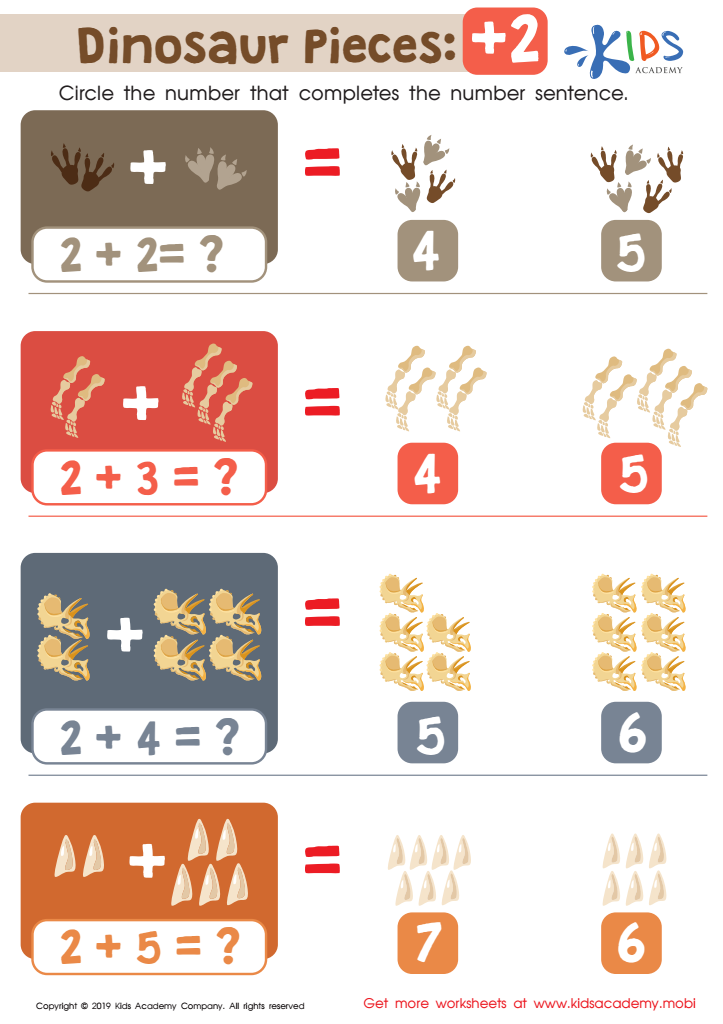
Dinosaur Pieces: +2 Worksheet
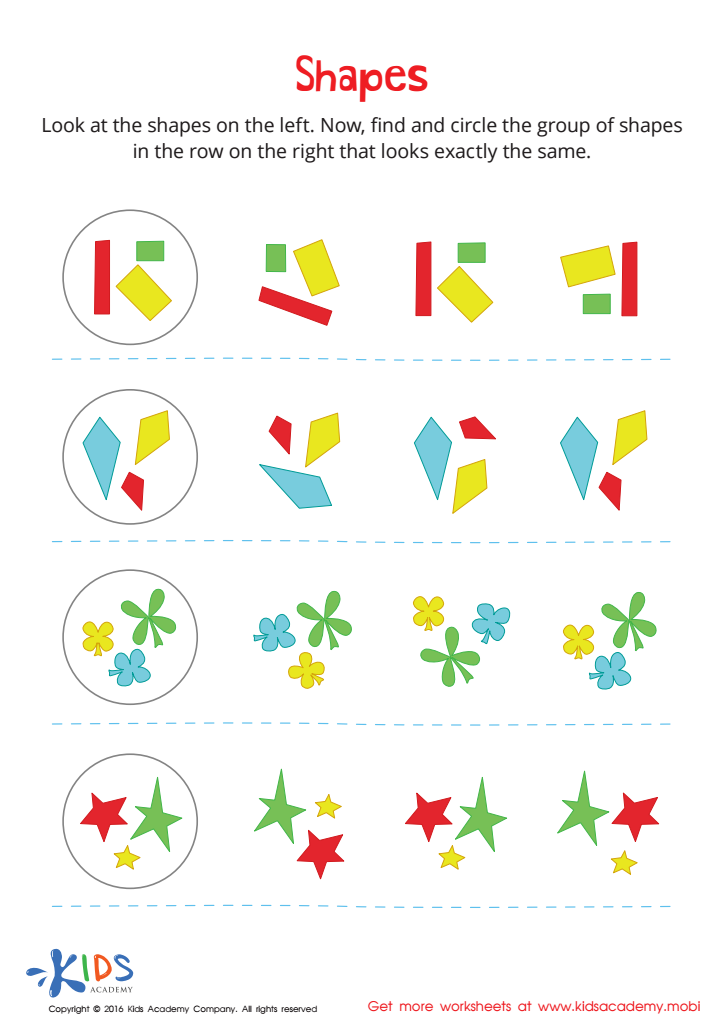
Shapes Worksheet
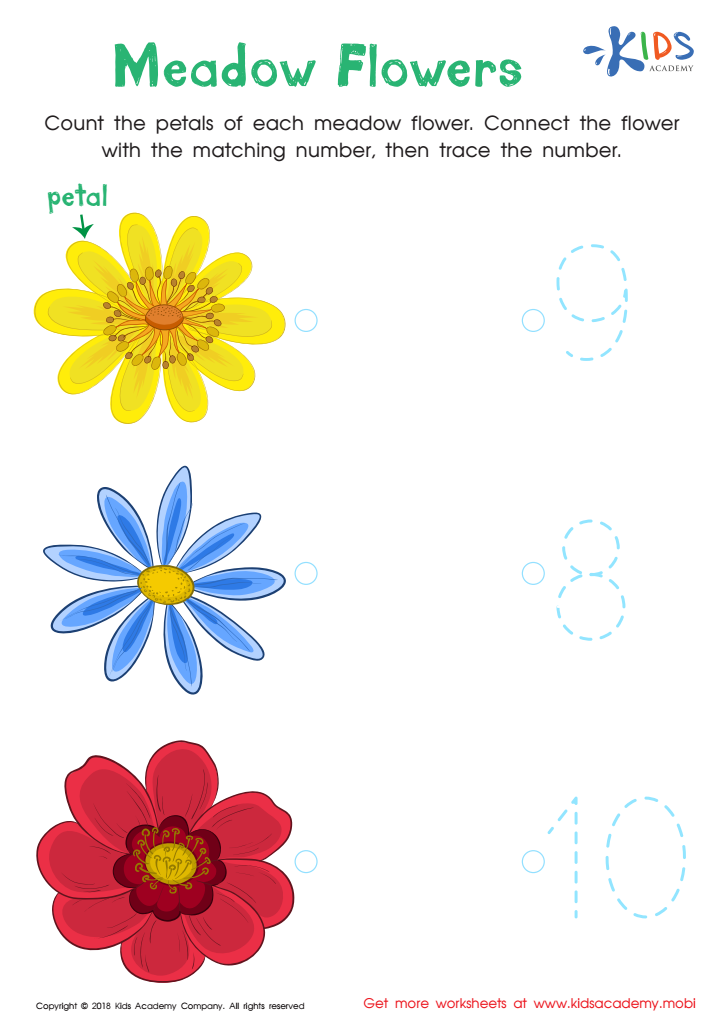
Kindergarten Number Tracing: Medow Flowers Worksheet








Fine motor development is crucial for young children's overall growth, especially in the context of math skills for ages 4-6. During this developmental stage, children refine their small muscle movements, which are essential for tasks like holding a pencil, manipulating objects, and performing functions that involve precision—key components of early math experiences.
When parents and teachers support fine motor skills, they also enhance children's ability to engage with mathematical concepts. For instance, activities like cutting shapes, threading beads, or manipulating playdough not only build hand strength and coordination but also introduce foundational math skills like shape recognition, counting, and the understanding of spatial relationships.
Moreover, fine motor activities often incorporate elements of problem-solving and critical thinking, promoting cognitive development alongside physical skills. As children develop confidence in their fine motor abilities, they are more likely to enjoy math-related tasks, fostering a positive attitude towards learning.
Investing time in fine motor development can help set the stage for future success in math, as proficient fine motor skills support literacy and numeracy progress in primary education. Thus, parent and teacher involvement promotes a holistic approach to learning, enabling children to thrive academically and personally.








