Fine motor skills development Math Worksheets for Ages 4-6
3 filtered results
-
From - To
Discover our engaging fine motor skills development math worksheets designed specifically for children aged 4-6. These creative resources enhance hand-eye coordination and motor control while introducing foundational math concepts. Through fun activities like tracing, coloring, and counting, young learners will strengthen their fine motor skills in a playful way. Each worksheet is tailored to vary in difficulty, helping children progress at their own pace. Perfect for parents and educators, our math worksheets provide a stimulating environment that fosters confidence in early learning. Equip your child with essential skills while they enjoy the exciting world of numbers and shapes!
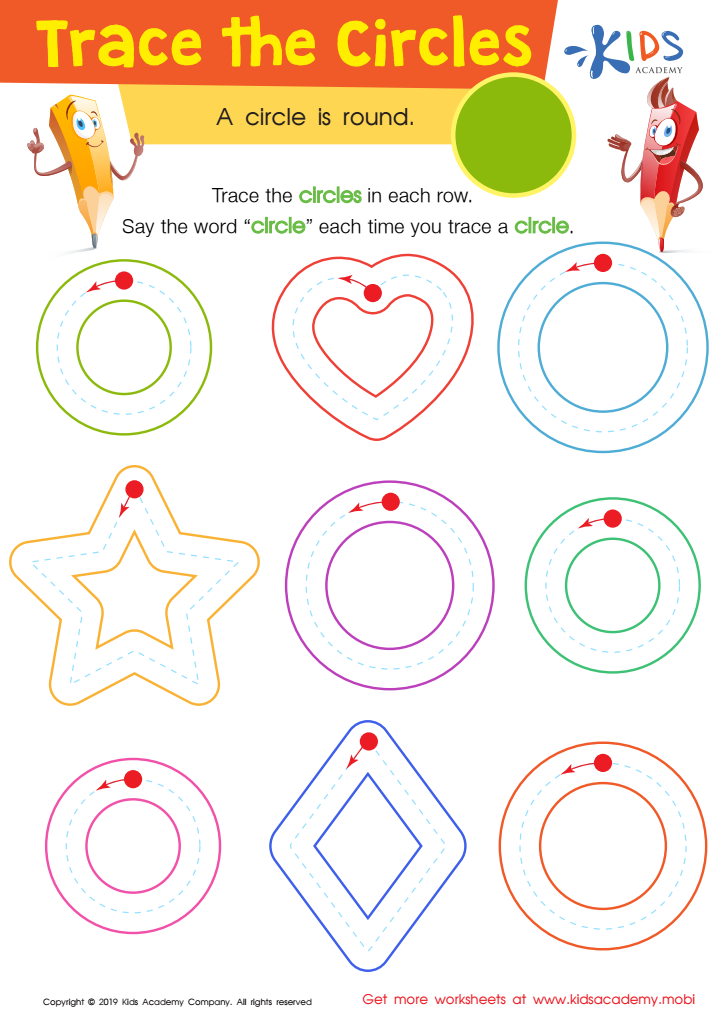
Trace The Circles Worksheet
 Assign to My Students
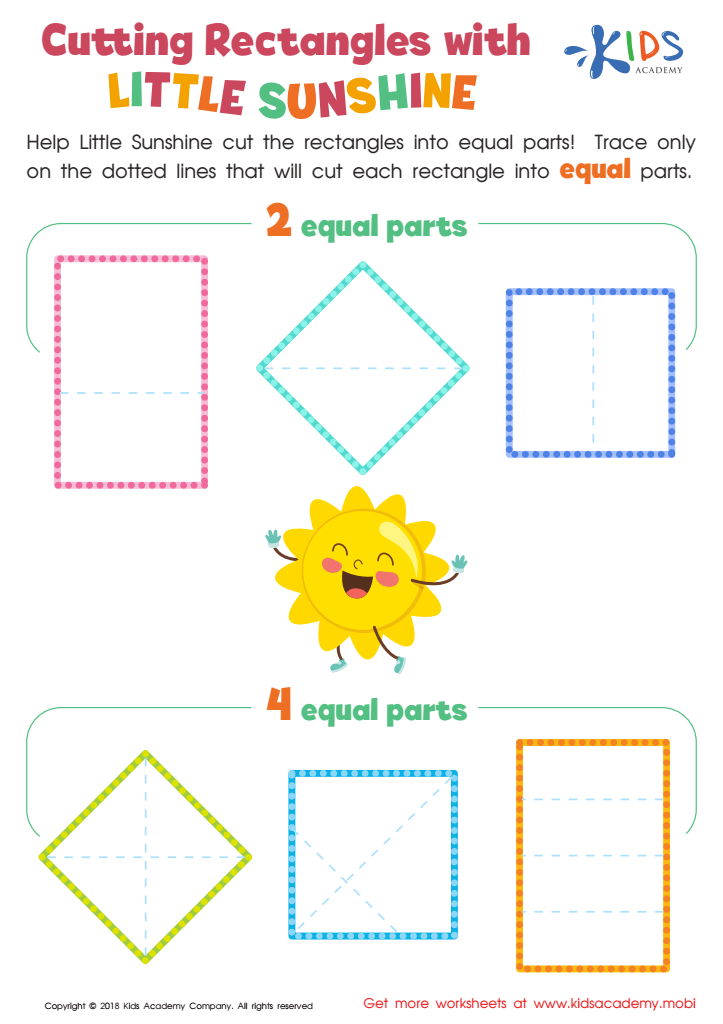
Cutting Rectangles with Little Sunshine Worksheet
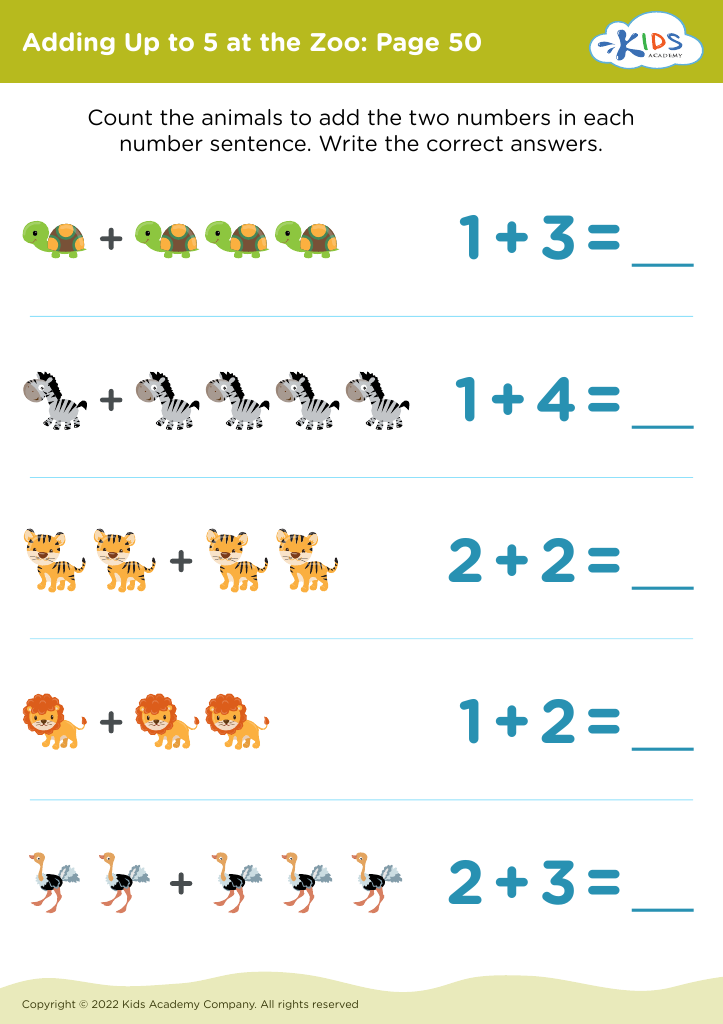






.jpg)

Fine motor skills are crucial for children aged 4-6, particularly in their cognitive development, including early math skills. These skills involve the coordination of small muscles in the hands and fingers, enabling activities such as writing, cutting, and manipulating objects. They play a pivotal role in how children interact with mathematical concepts.
Developing fine motor skills helps children grasp tools like pencils and scissors, which enhances the precision needed for drawing numbers and shapes fundamental to early math. As children manipulate objects—like counting blocks or tracing numbers—they strengthen the neurological connections necessary for problem-solving and critical thinking.
For parents and teachers, investing time in activities that promote fine motor skills—like playdough shaping, stringing beads, or simple crafting—can deepen children's understanding of math through hands-on experiences. Fine motor development fosters independence, confidence, and a sense of achievement, fueling motivation to explore math concepts deeply.
Ultimately, fostering fine motor skills encourages children to engage with math in a tactile and enjoyable way, creating foundational skills that will support their learning throughout their educational journey. By prioritizing these skills, adults can vastly enhance their child's future academic success and everyday decision-making abilities.








