Recognizing Patterns Math Worksheets for Ages 4-6
5 filtered results
-
From - To
Discover our engaging "Recognizing Patterns Math Worksheets" specially designed for children aged 4-6. These worksheets help young learners identify, create, and extend patterns using fun illustrations and interactive exercises. By practicing pattern recognition, kids develop critical thinking and early math skills essential for their academic journey. Our user-friendly printable resources ensure an enjoyable learning experience for both parents and teachers. Enhance your child's cognitive abilities while making math fun! Explore a variety of activities that spark creativity and curiosity in your little ones. Start their path to mathematical proficiency today with our exciting pattern worksheets!
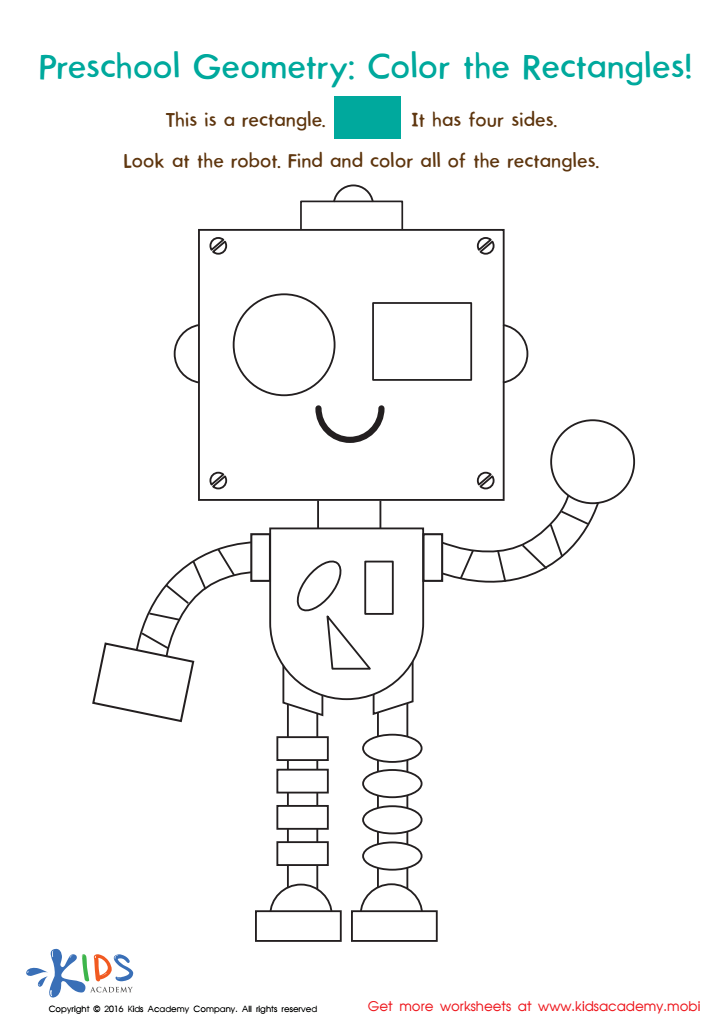
Geometry Worksheet
 Assign to My Students
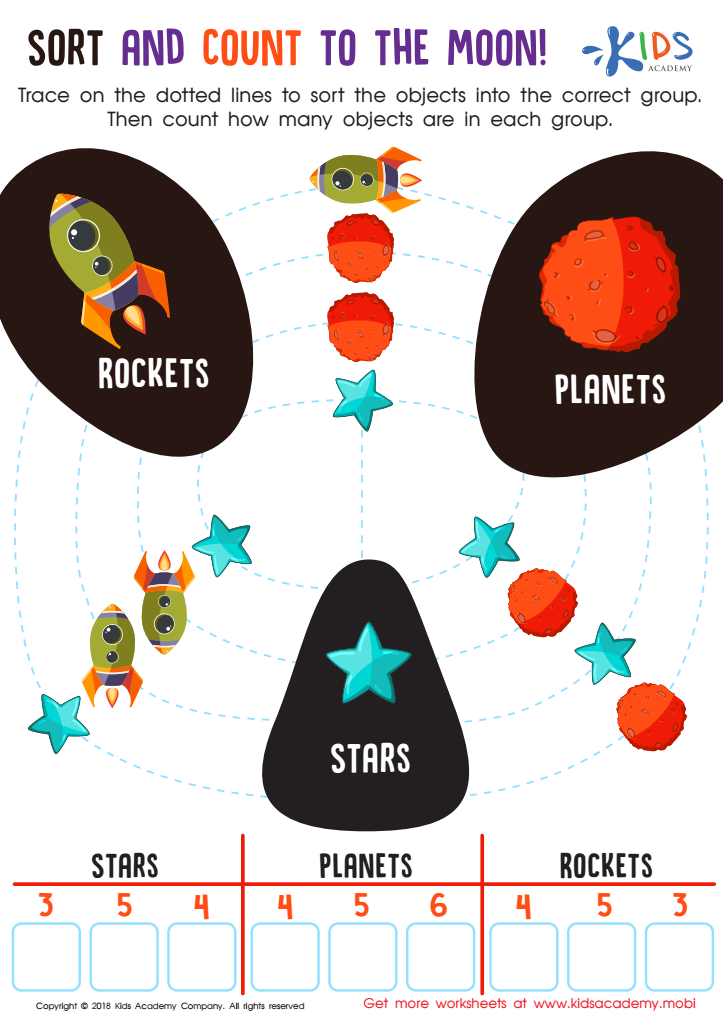
Sort and Count to the Moon Worksheet
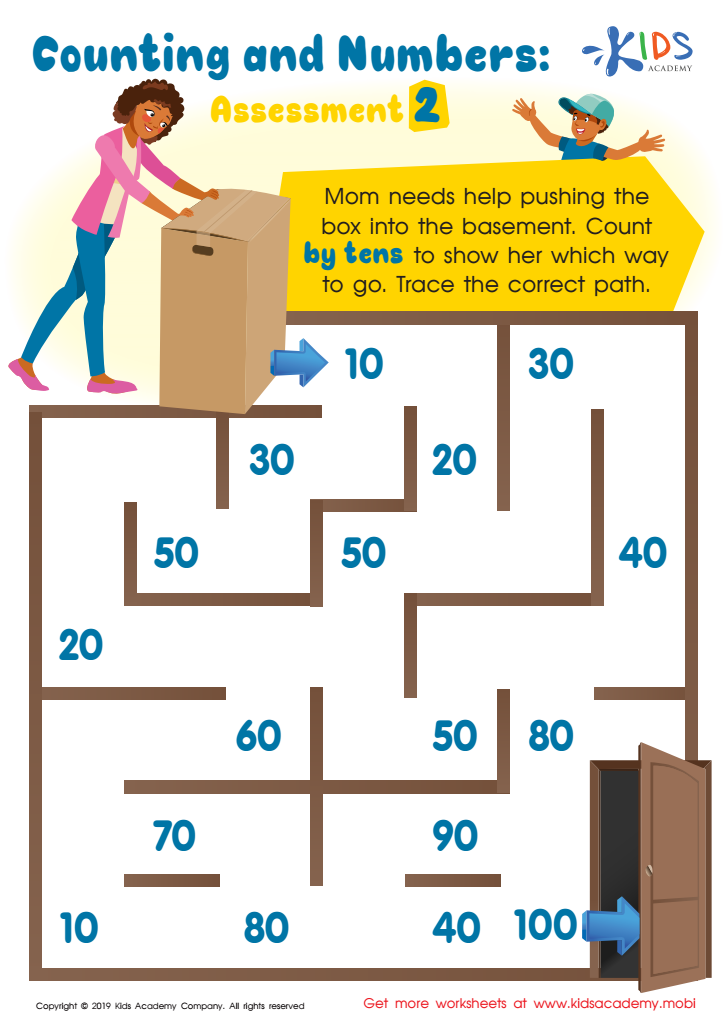
Counting and Numbers: Assessment 2 Worksheet
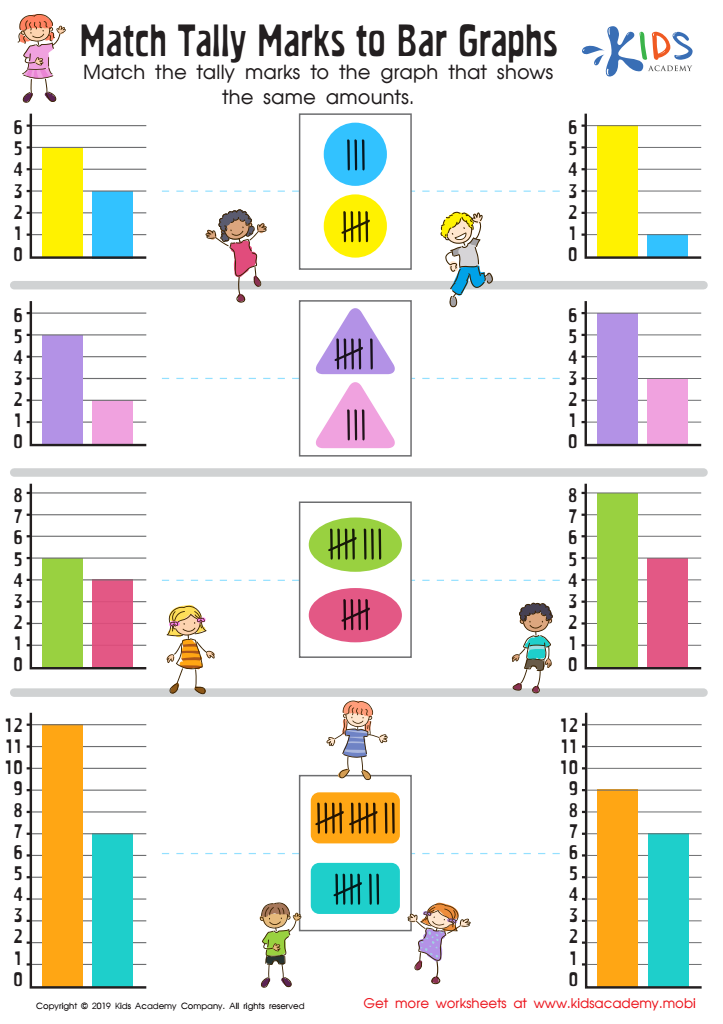
Match Tally Marks to Bar Graphs Worksheet
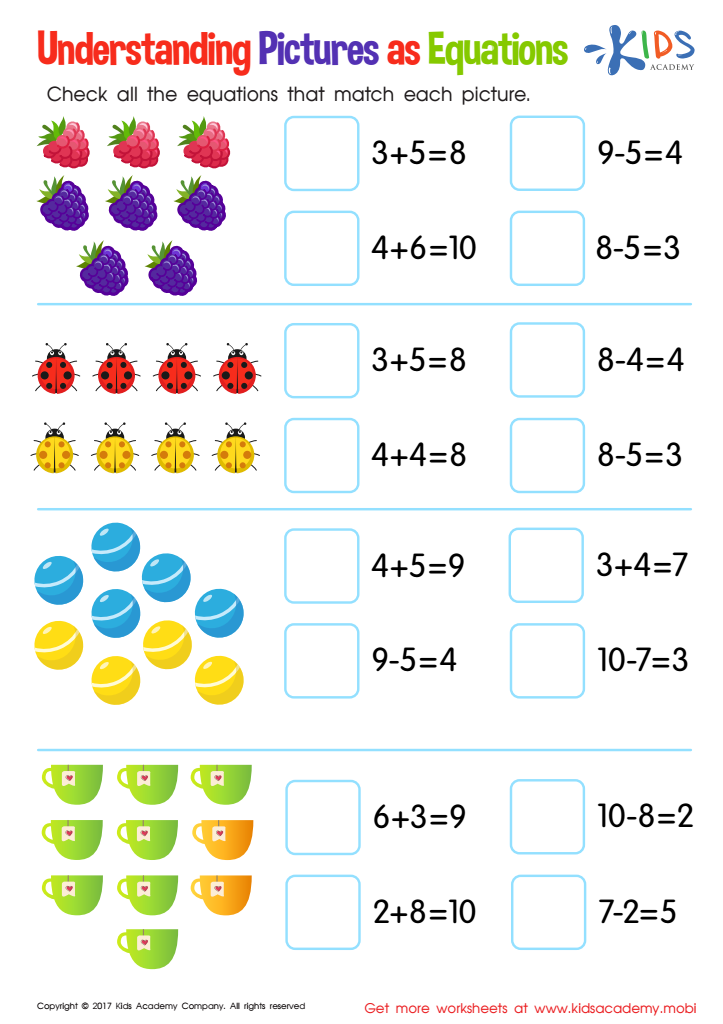
Understanding Pictures as Equations Worksheet







Recognizing patterns is a vital foundational skill for young children, pivotal in their early math education, especially for ages 4-6. At this stage, children begin to explore their environment, and pattern recognition intertwines with critical thinking, logical reasoning, and problem-solving skills. Through identifying colors, shapes, and sequences, children learn to predict what comes next, which enhances their cognitive development and encourages engagement with math concepts.
Moreover, understanding patterns fosters creativity and pattern-based thinking, skills that extend beyond mathematics into art, music, and everyday problem-solving. When parents and teachers emphasize pattern recognition, they help children develop the ability to organize their thoughts and observations, laying a sturdy groundwork for future arithmetic concepts, such as addition and subtraction.
Additionally, activities that focus on patterns are often interactive and playful, making learning enjoyable. They promote social interaction and communication among peers as children share their pattern discoveries and work collaboratively. By investing time in recognizing patterns, parents and teachers cultivate a positive attitude towards mathematics, making it clear that these concepts are not only essential for academic success but also relevant in everyday life. Thus, recognizing patterns is not merely a classroom exercise; it's a critical life skill.








