
Understanding measurement units Math Worksheets for Ages 4-6
3 filtered results
Difficulty Level
Grade
Age
-
From - To
Subject
Activity
Standards
Welcome to our "Understanding Measurement Units" math worksheets for ages 4-6! This engaging resource helps young learners explore the essential concepts of measurement through fun and interactive activities. Our worksheets are designed to introduce children to various units of measurement, such as length, weight, and volume, using relatable examples. With colorful visuals and easy-to-understand tasks, kiddos will develop foundational skills in measuring and comparing items. Perfect for home or classroom use, these worksheets encourage hands-on learning and problem-solving. Start your child’s mathematical journey today and help them master the basics of measurement with joy and confidence!
Favorites
With answer key
Interactive
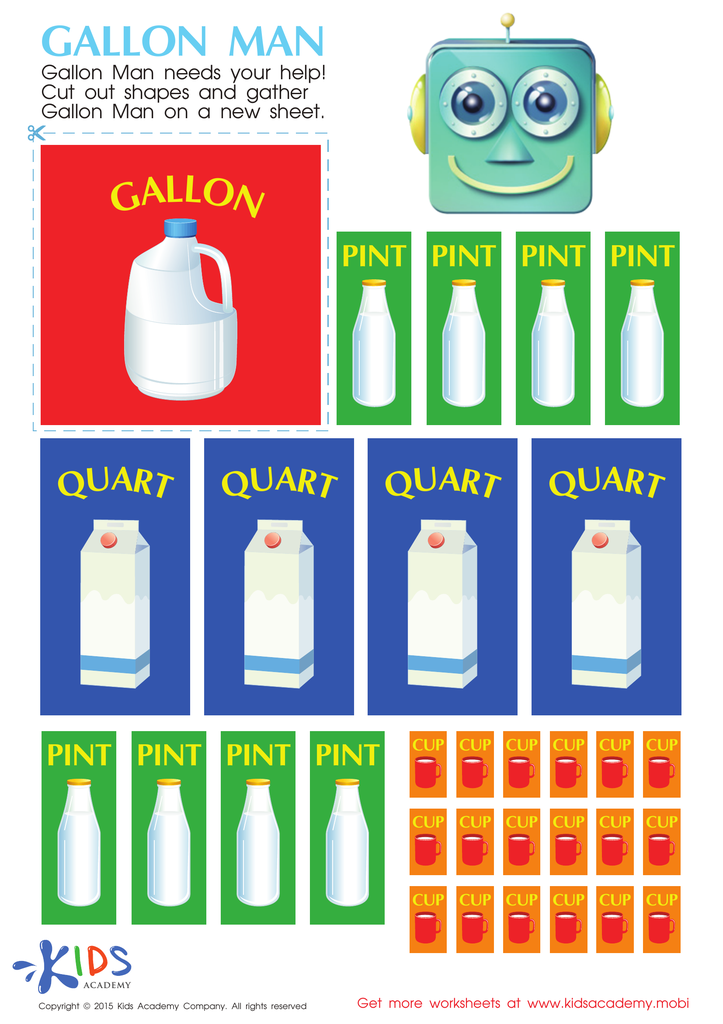
Cups, Pints and Quarts With Gallon Man Worksheet
Measurement in cups, pints, quarts and gallons has never been this fun!
Cups, Pints and Quarts With Gallon Man Worksheet
Worksheet
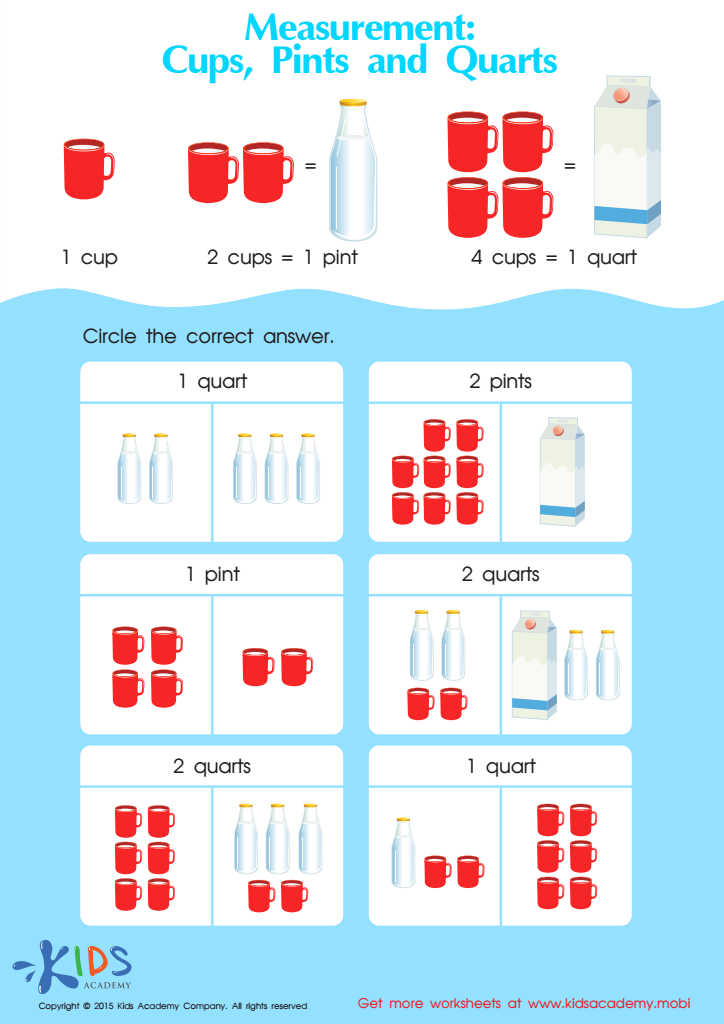
Cups, Pints and Quarts Worksheet
Let your kids explore the world of math with our worksheet! Have them count cups, pints and quarts in pictures and circle the right answer. Get even more free printable math worksheets for kindergarten on our website. Come on, join the adventure!
 Assign to My Students
Cups, Pints and Quarts Worksheet
Worksheet
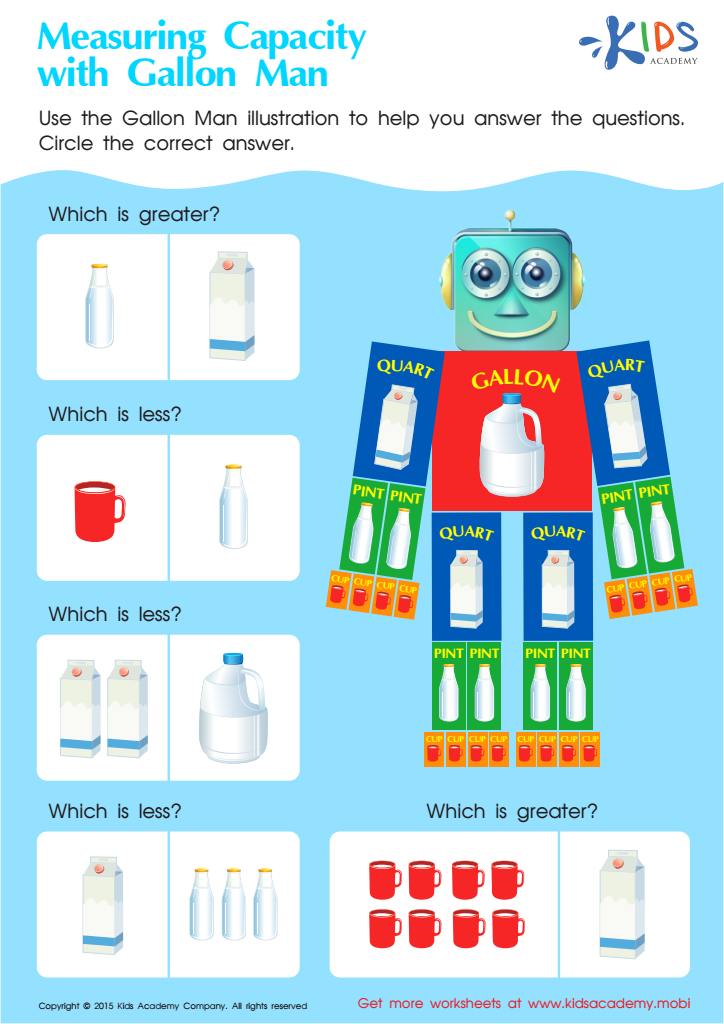
Measurement: Measuring Capacity with Gallon Man Worksheet
Check out Gallon Man to practice measuring capacity with cups, pints, quarts, and gallons. Our worksheet has questions with answers checked against Gallon Man. For more practice, visit our site for free printable math worksheets for kindergarten and learn math with fun!
Measurement: Measuring Capacity with Gallon Man Worksheet
Worksheet
Join Kids Academy for Free
Who is primarily going to use this learning content?






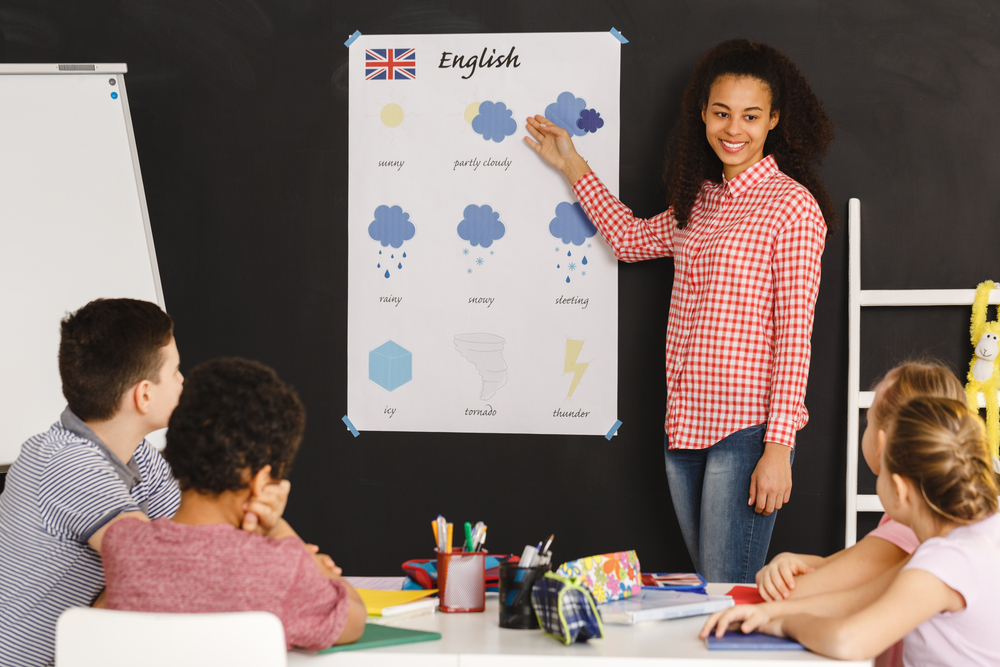
Understanding measurement units is essential for children aged 4-6, as it lays the groundwork for critical thinking and real-world problem-solving. At this early age, children are naturally curious about their environment, making it a perfect time to introduce concepts of measurement. By learning about measurements, such as length, weight, and capacity, children develop essential skills that influence their cognitive growth.
Fostering an understanding of measurement units encourages children to explore, compare, and categorize objects in their surroundings. These activities promote basic math skills while also enhancing their observational abilities. For instance, when children learn to distinguish between “how long” or “how heavy,” they begin to make connections that deepen their comprehension of distance, size, and volume in everyday life.
Moreover, grasping measurement units helps children develop language skills and precision in communication. As they discuss sizes, weights, and lengths, they learn to articulate their thoughts, expanding their vocabulary and comprehension. Ultimately, parents and teachers should prioritize measurement units because they contribute significantly to a child’s overall academic success and readiness for more advanced mathematical concepts in the future. By nurturing these foundational skills, adults can support children in becoming confident learners and critical thinkers.








