Understanding numeracy Math Worksheets for Ages 4-6
4 filtered results
-
From - To
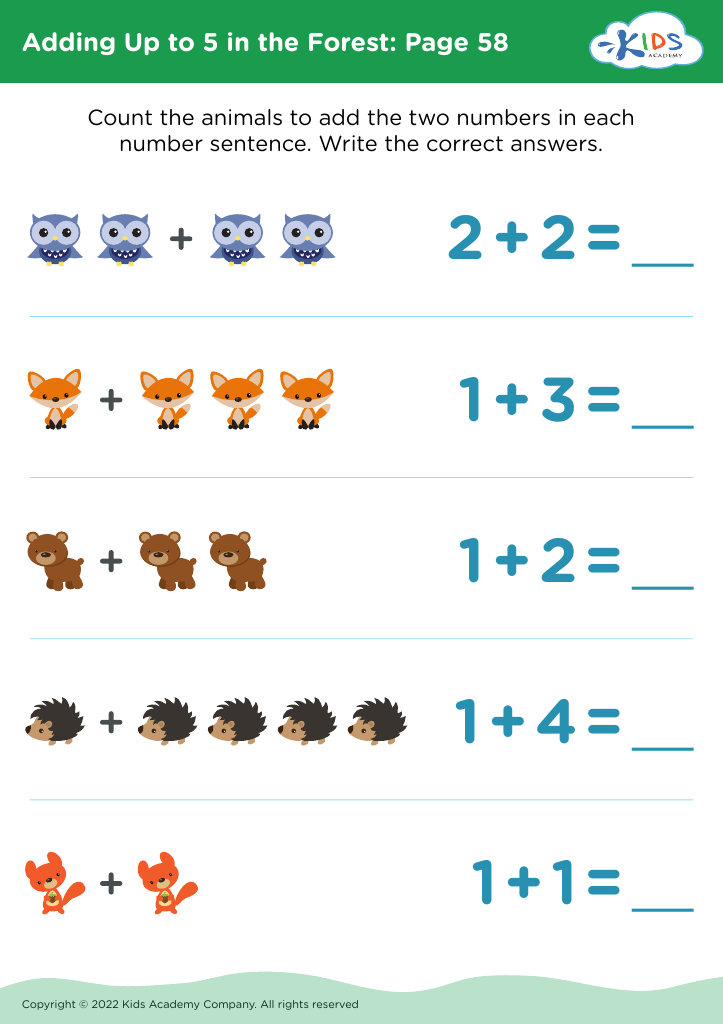
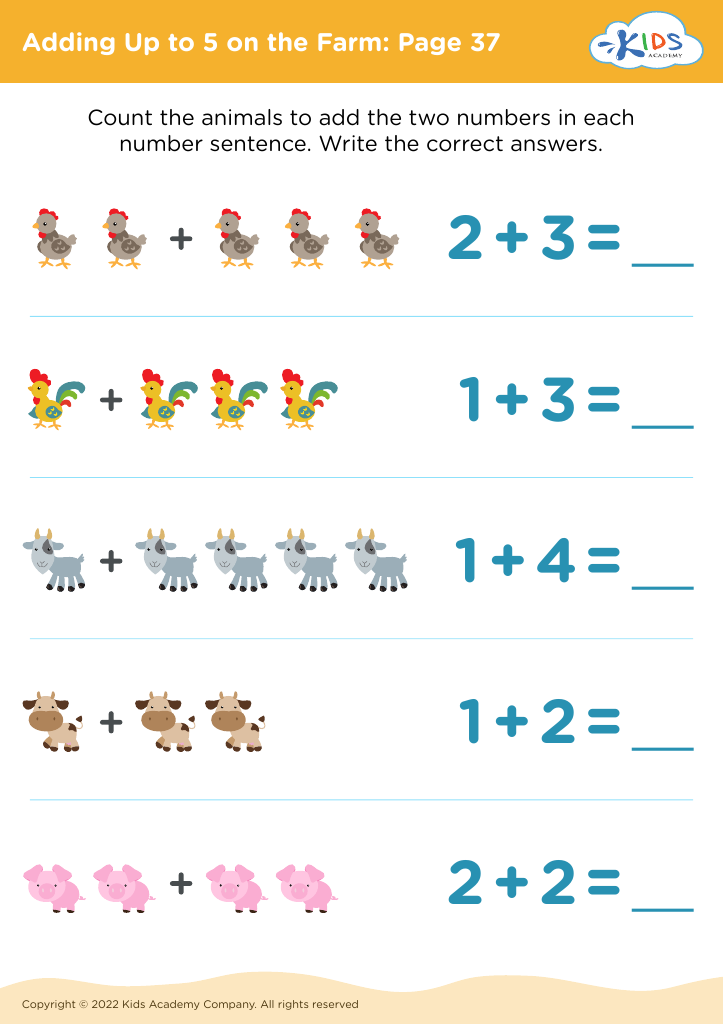
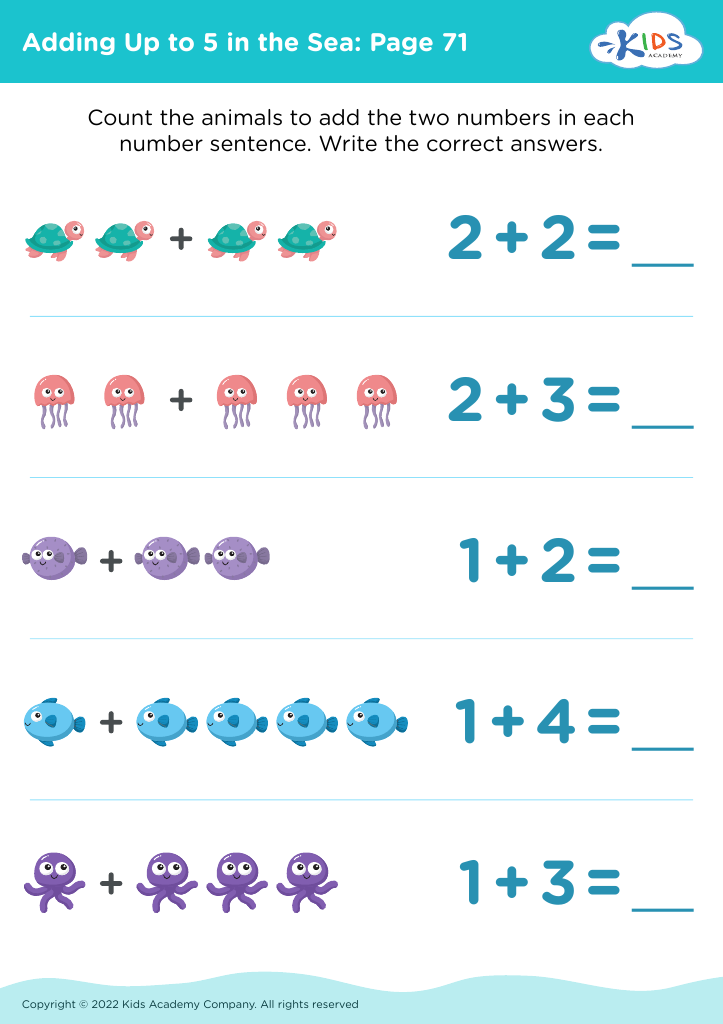
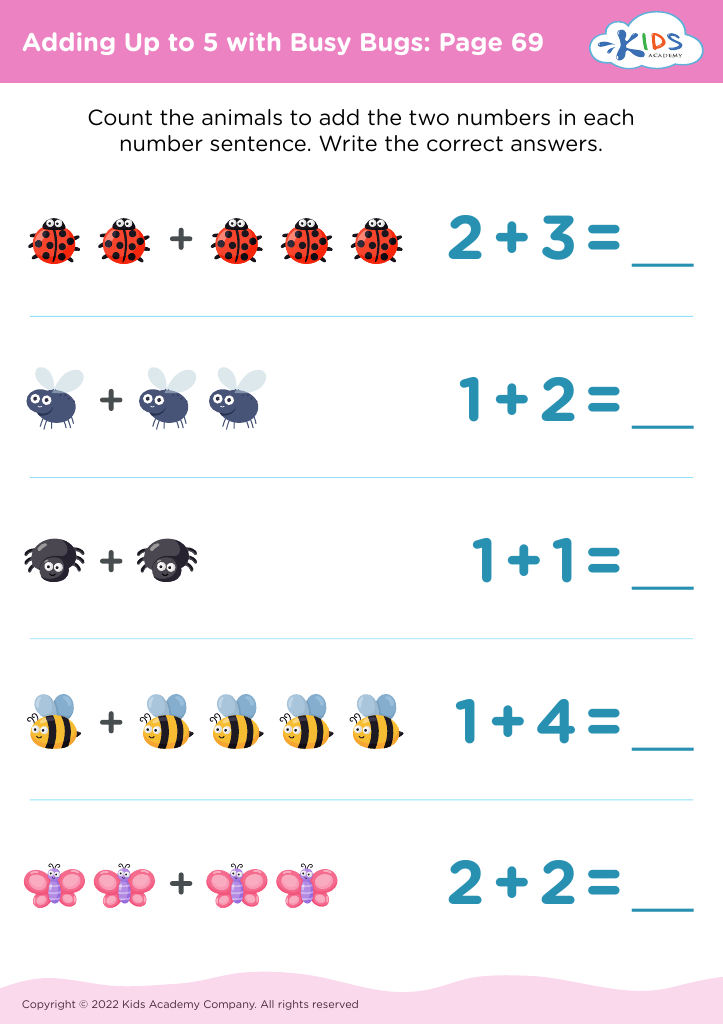
Understanding Numeracy Math Worksheets for Ages 4-6 are carefully designed to lay the foundation for mathematical skills crucial for young learners. These engaging, age-appropriate worksheets help children grasp essential concepts such as counting, number recognition, basic addition, and subtraction through fun, interactive activities. From matching numbers with objects to solving simple puzzles, each worksheet aims to build confidence and enhance problem-solving abilities. Perfect for both parents and teachers, these printable resources make learning math enjoyable and effective, setting the stage for future academic success. Download now to support your child's early numeracy development!






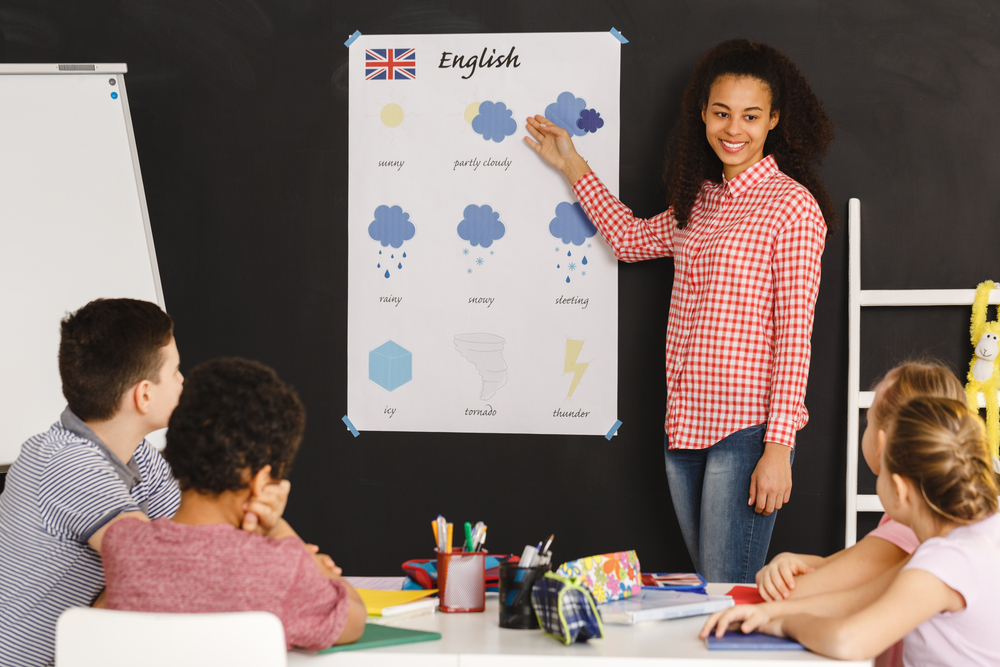
Understanding numeracy for ages 4-6 is crucial as it forms the foundation of mathematical learning which is important for a child’s academic success and daily life. Numeracy, the ability to understand and work with numbers, builds essential skills such as problem-solving, logical thinking, and reasoning. At this tender age, children are naturally curious and most receptive to new concepts; introducing basic math concepts during this period can spark a lifelong interest in learning.
For parents and teachers, fostering numeracy skills in early childhood sharpens cognitive and affective domains simultaneously. Early recognition of shapes, patterns, counting, and simple addition/subtraction boosts memory, attention span, and prepares the young minds for more complex mathematical concepts in the future.
Engaging kids in fun, hands-on activities can make math enjoyable and relatable; using blocks, toys, everyday objects, or interactive games helps to contextualize learning experiences. A strong numeracy base supports other subjects like science and technology, forming a holistic education approach. Moreover, fundamental numeracy skills positively impact a child's self-confidence and independence, making everyday tasks easier, from managing time to understanding money.
Thus, caring about numeracy means investing in a child’s overall development, ensuring they build strong problem-solving skills and intellectual independence early on.








