Visual discrimination Matching Worksheets for Ages 4-6
3 filtered results
-
From - To
Enhance your child's visual discrimination skills with our engaging Visual Discrimination Matching Worksheets, specially designed for ages 4 to 6. These worksheets promote the ability to identify and match similar shapes, colors, and patterns, laying a strong foundation for critical thinking and problem-solving. Perfect for early learners, our user-friendly resources make learning fun and interactive, helping children improve their observation skills at their own pace. Ideal for use at home or in the classroom, these worksheets include colorful visuals and engaging activities to capture your child's interest. Unlock your child's potential today and watch them thrive through playful learning!
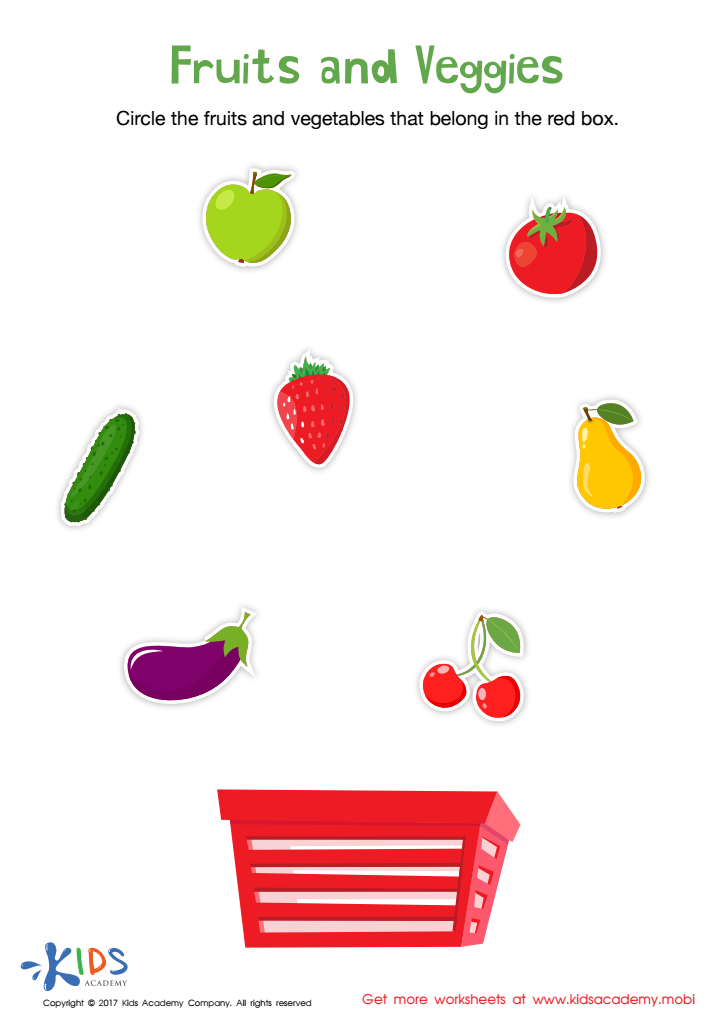
 Assign to My Students
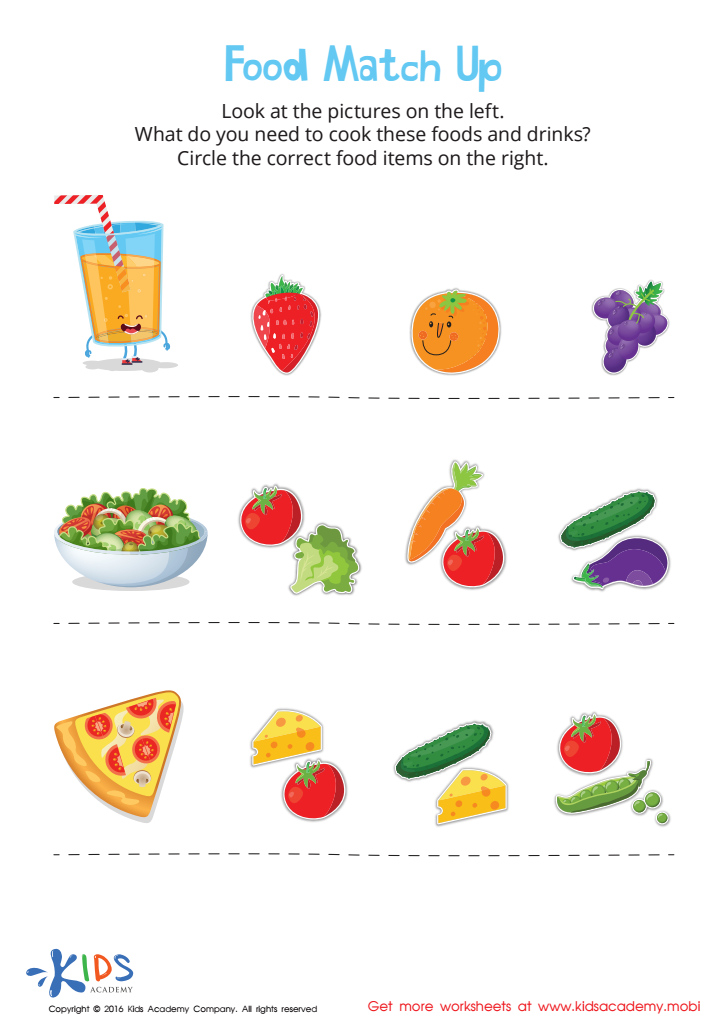
Food Match Up Worksheet
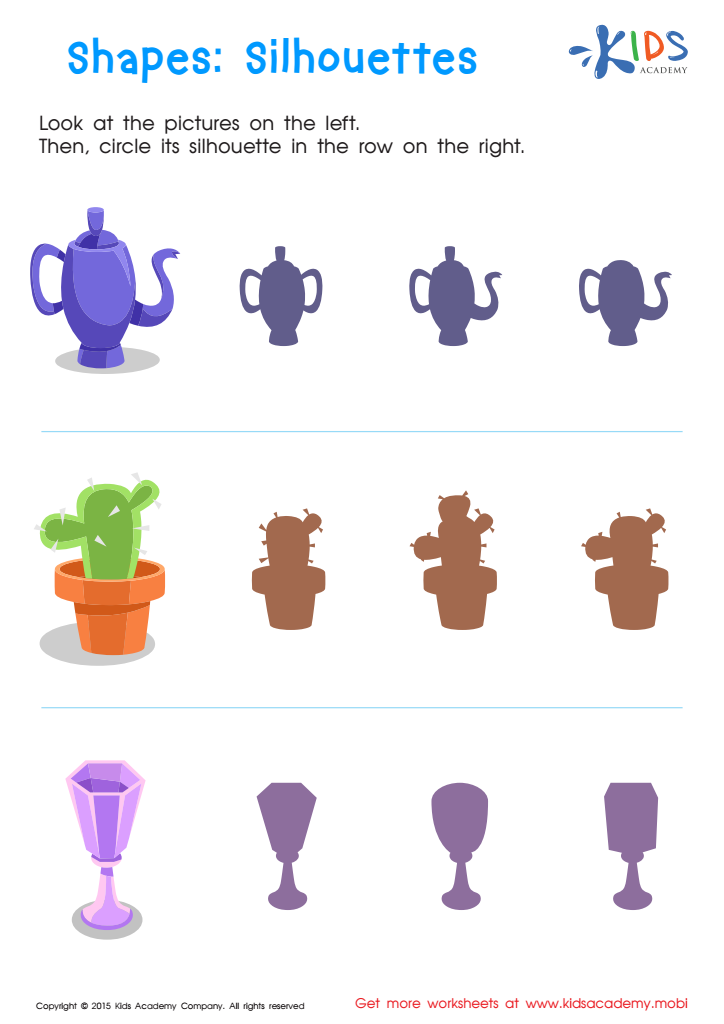
Silhouettes – Shapes Worksheet







Visual discrimination matching is a crucial skill for children aged 4-6 as it lays the foundation for various academic and everyday tasks. This ability enables young learners to differentiate between similar objects or images based on characteristics such as shape, color, size, and patterns. For parents and teachers, fostering visual discrimination skills can greatly enhance children's learning experiences and cognitive development.
Improved visual discrimination supports early literacy, as students learn to identify letters and words by their shapes and differences. This skill also impacts math readiness; recognizing numerical symbols and patterns is essential for future success in mathematics. Beyond academics, visual discrimination helps in developing better observation skills, necessary for problem-solving and critical thinking.
Additionally, recognizing these nuances can bolster children's confidence, as enhanced skills enable them to tackle increasingly complex tasks with ease. Parents and teachers can engage children in games and activities that promote visual matching, creating a fun yet educational environment. This focus on visual discrimination not only enriches learning but also prepares children for future learning challenges and uncertainties they will face in and out of the classroom.








