Understanding place values Place Value Worksheets for Ages 4-6
4 filtered results
-
From - To
"Understanding Place Values: Place Value Worksheets for Ages 4-6"
Our engaging place value worksheets are designed specifically for young learners aged 4-6, introducing them to the fundamental concept of place value in a fun and interactive way. Through exciting activities, children will learn to identify and understand the value of digits in different positions, helping them develop a strong math foundation. These worksheets seamlessly blend learning with play, making it easy for young minds to grasp essential math skills. Whether in the classroom or at home, our expertly crafted resources ensure kids build confidence and proficiency in early mathematics. Start your learning adventure today!
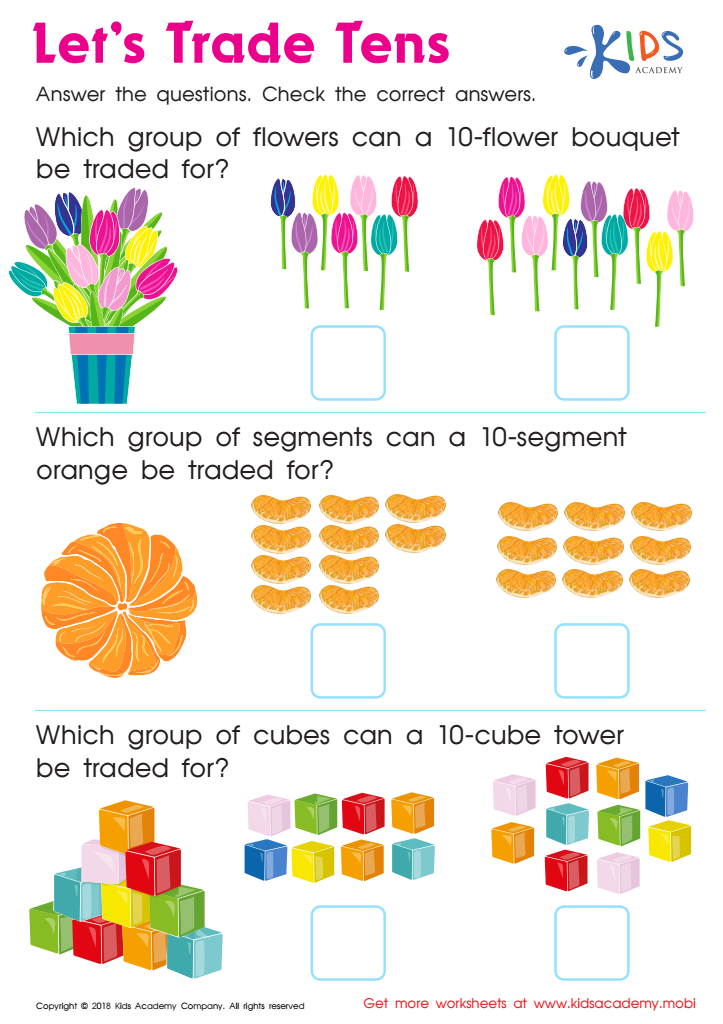
Lets Trade Tens Worksheet
 Assign to My Students
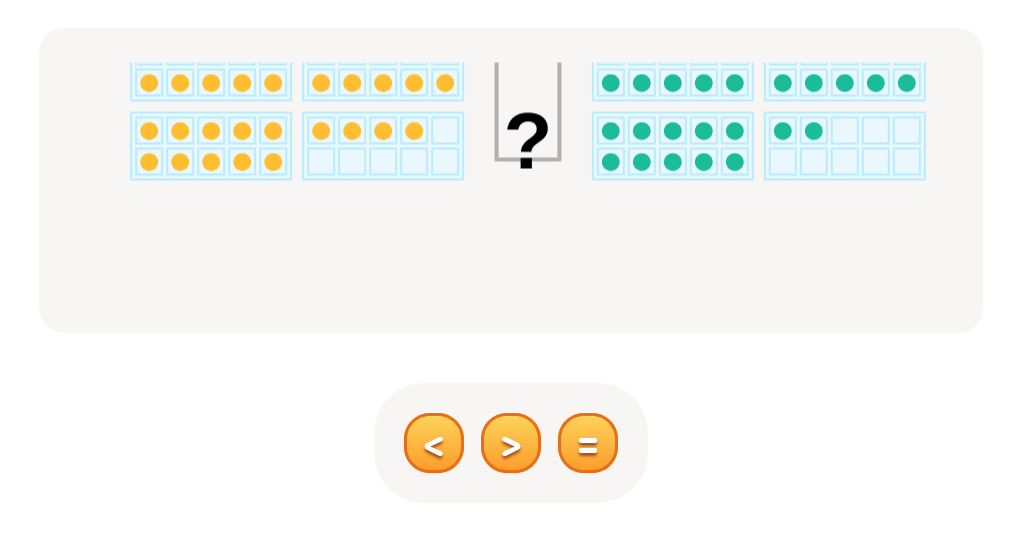

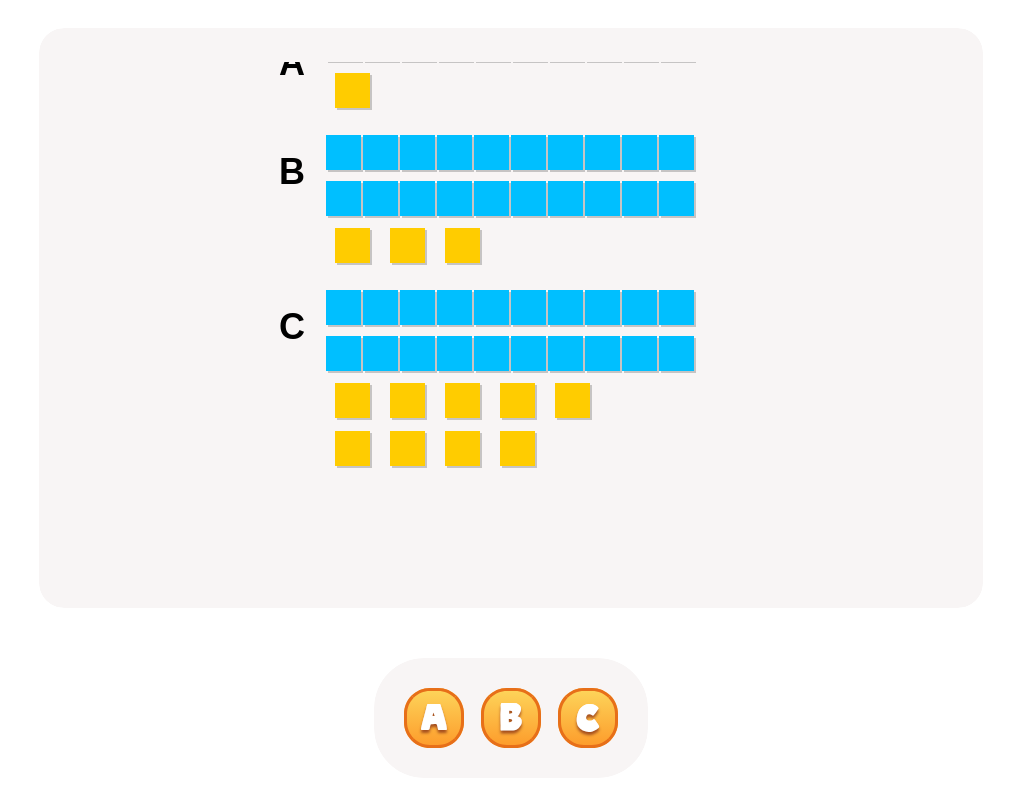
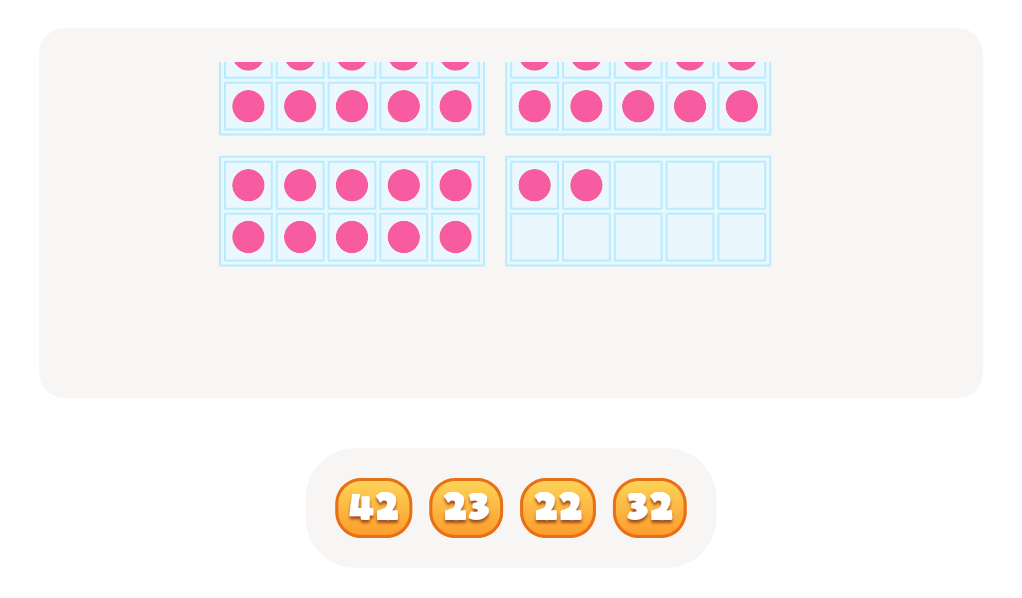
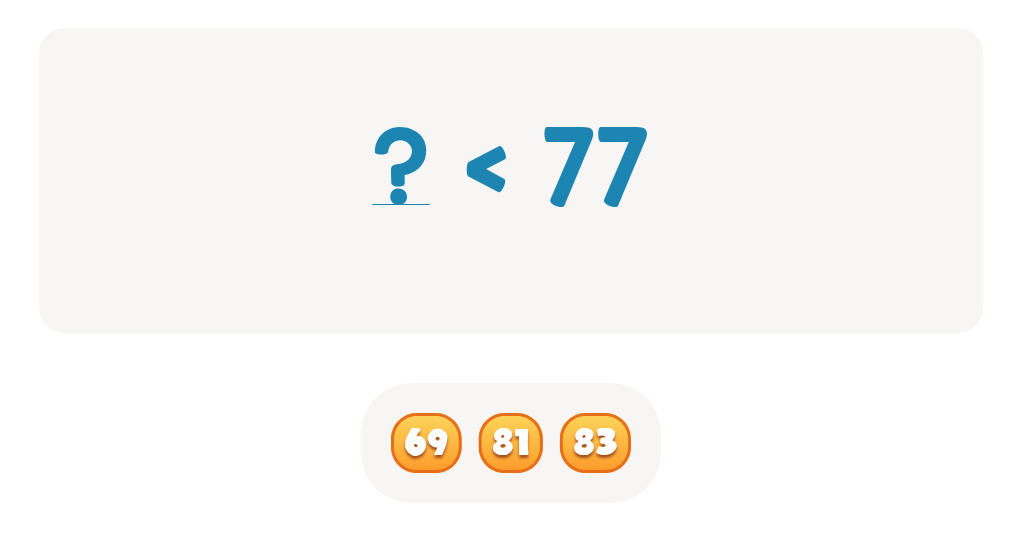
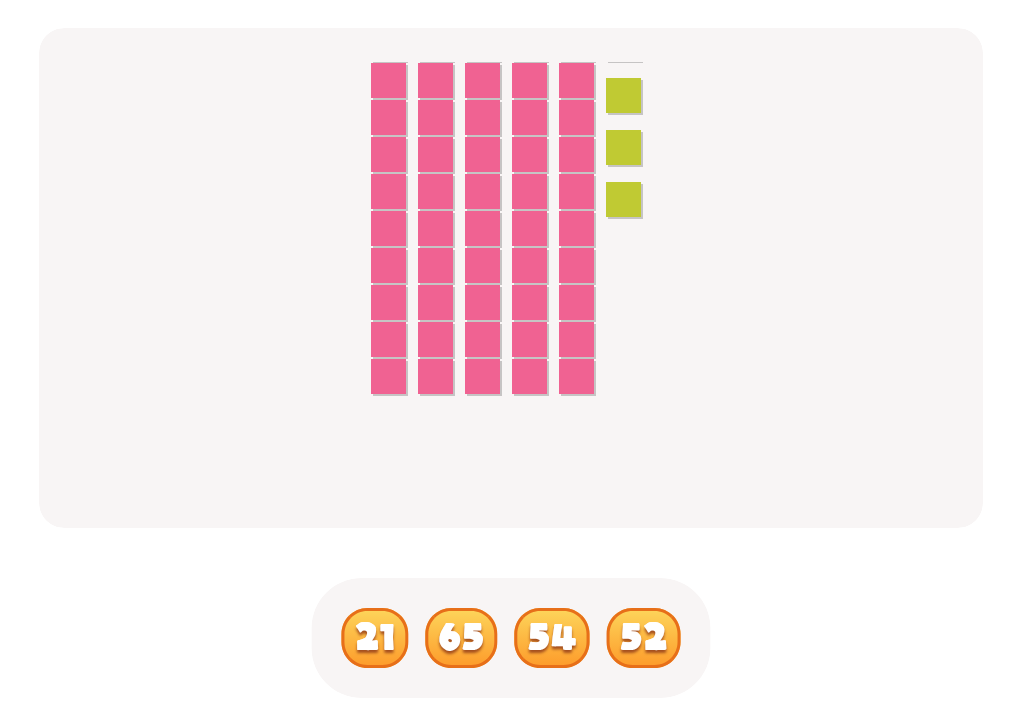
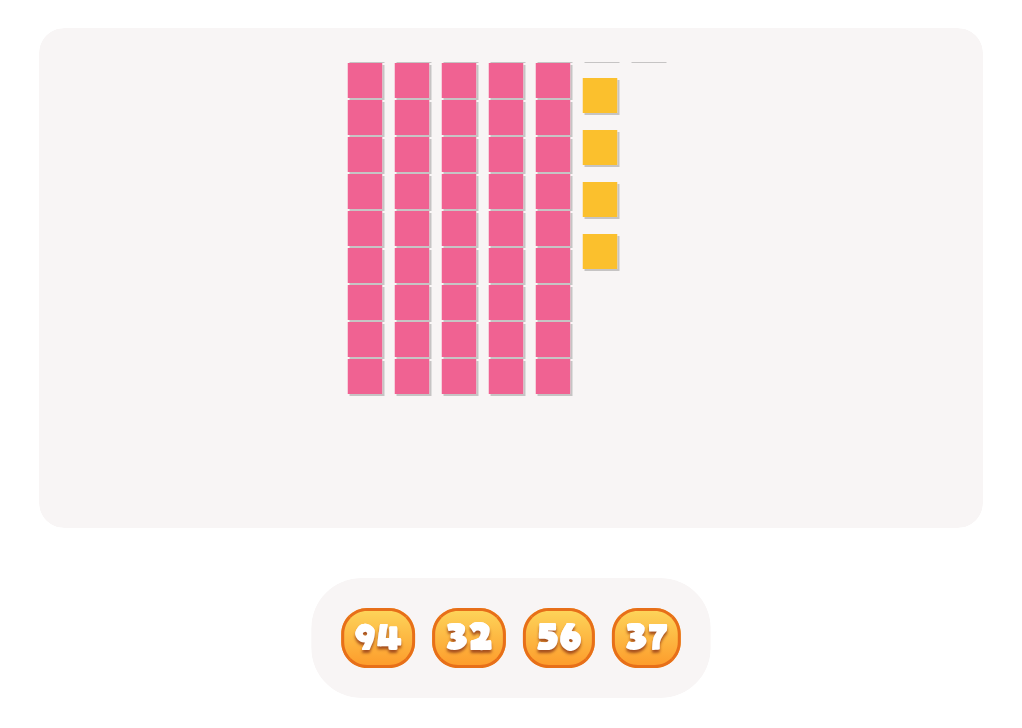
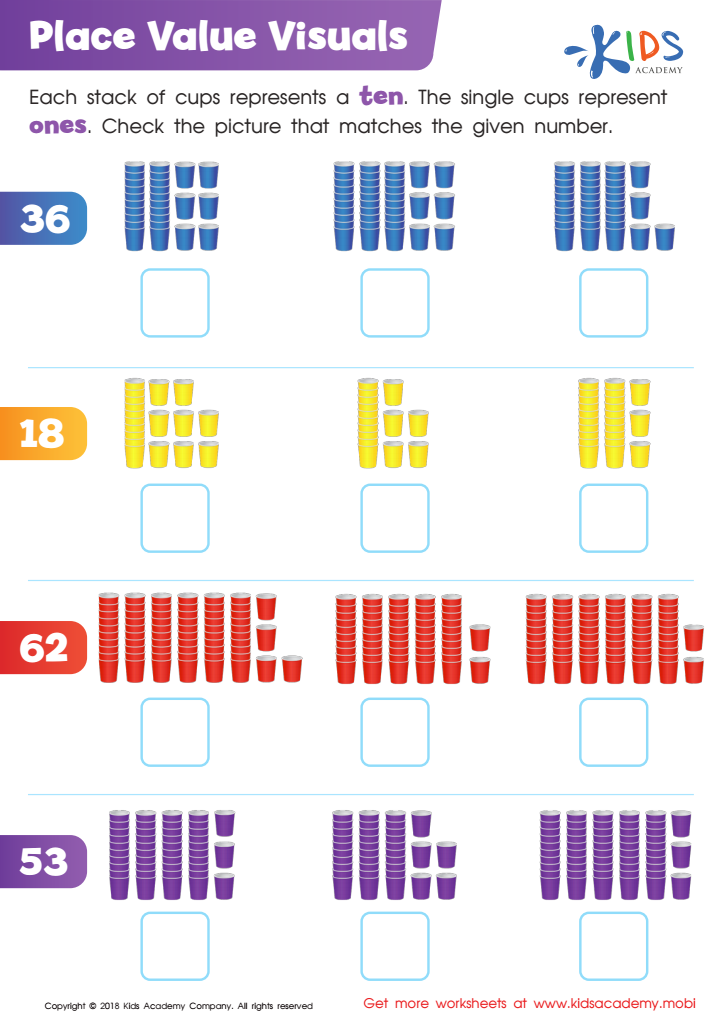
Place Value Visuals Worksheet
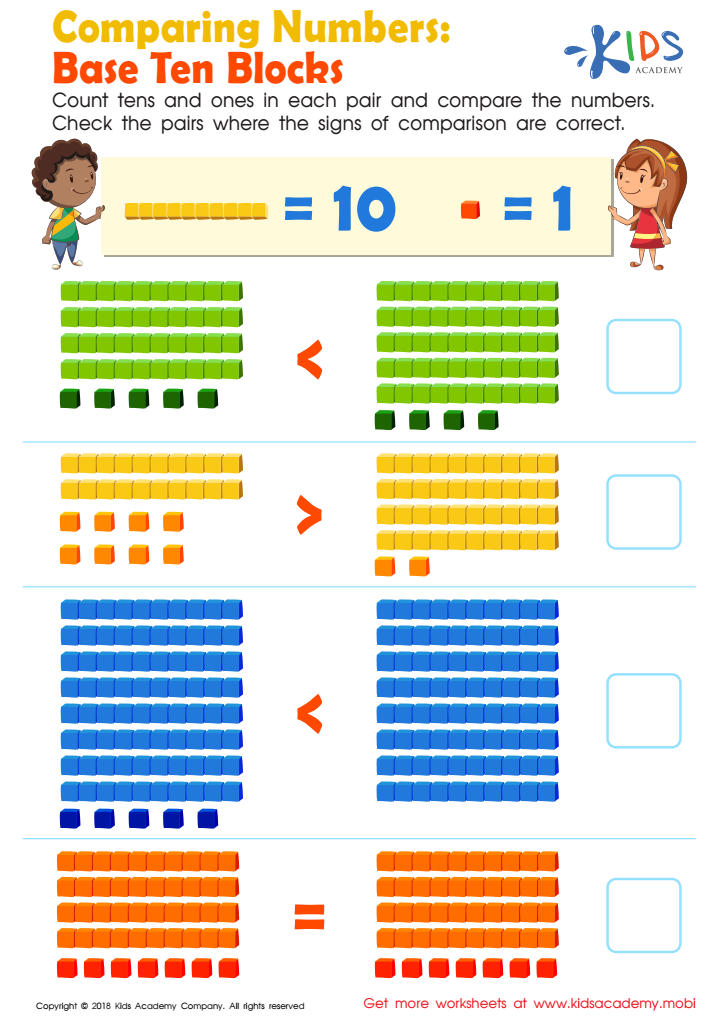
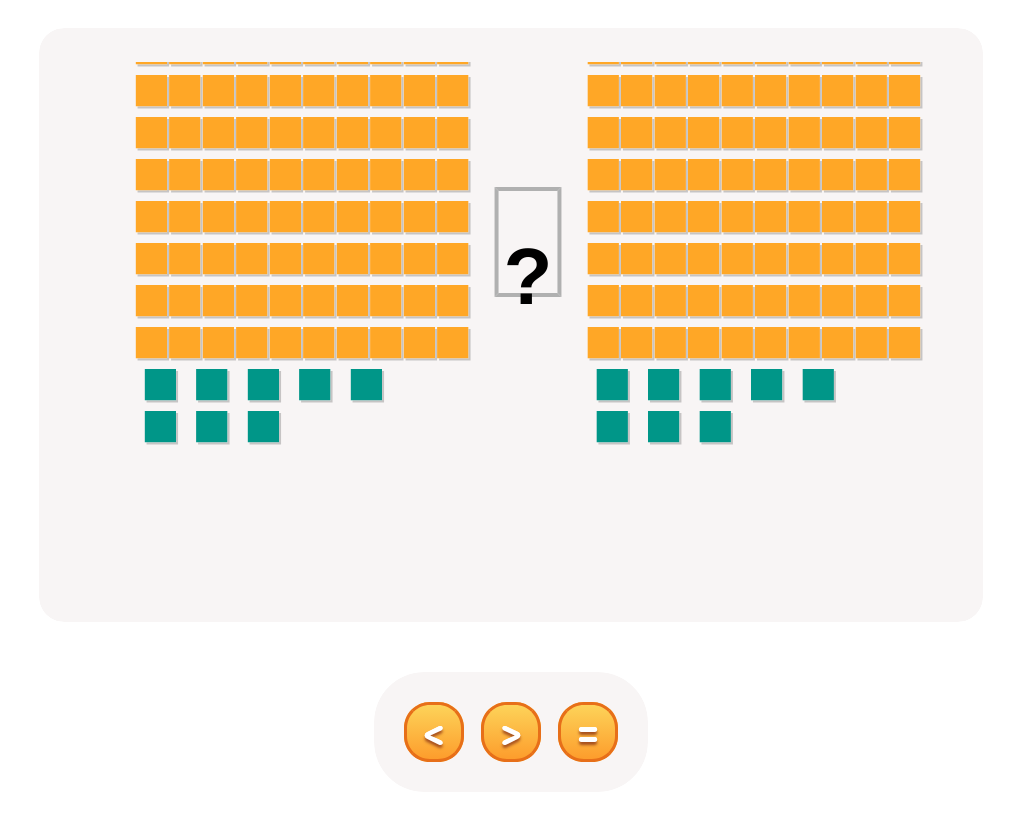
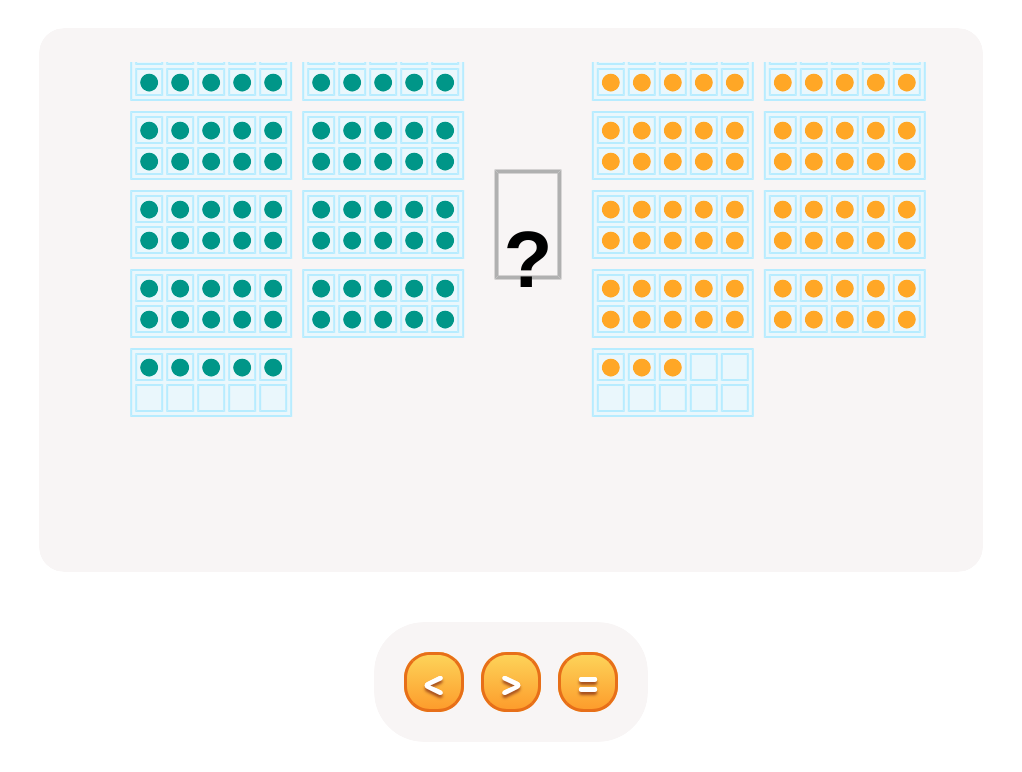
Comparing Numbers: Base Ten Blocks Worksheet
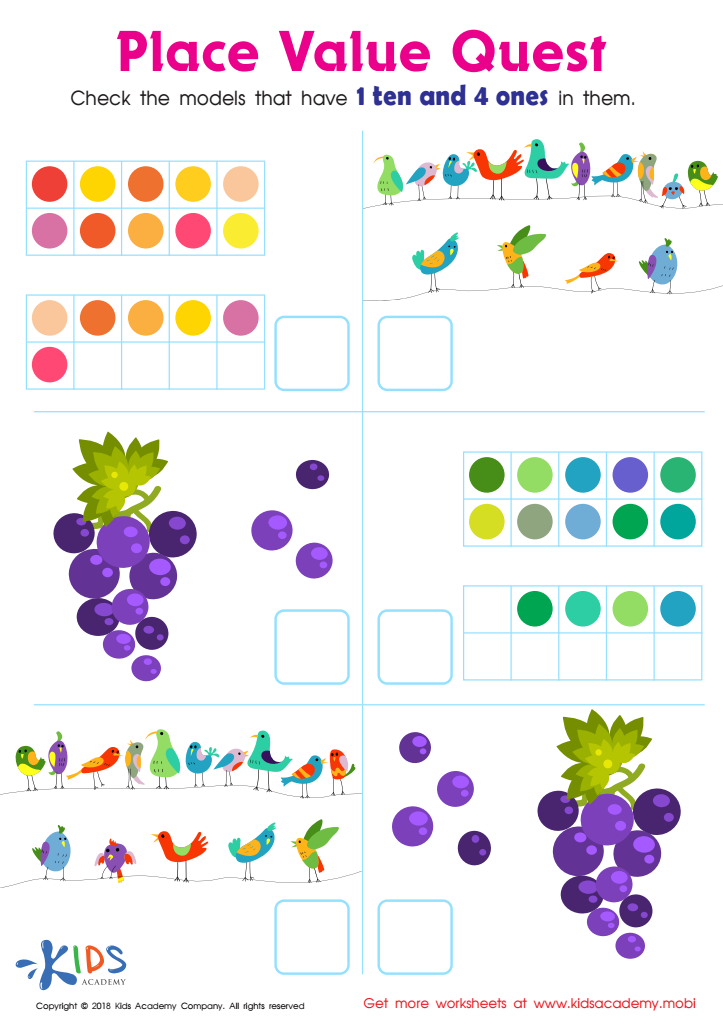
Place Value Quest Worksheet


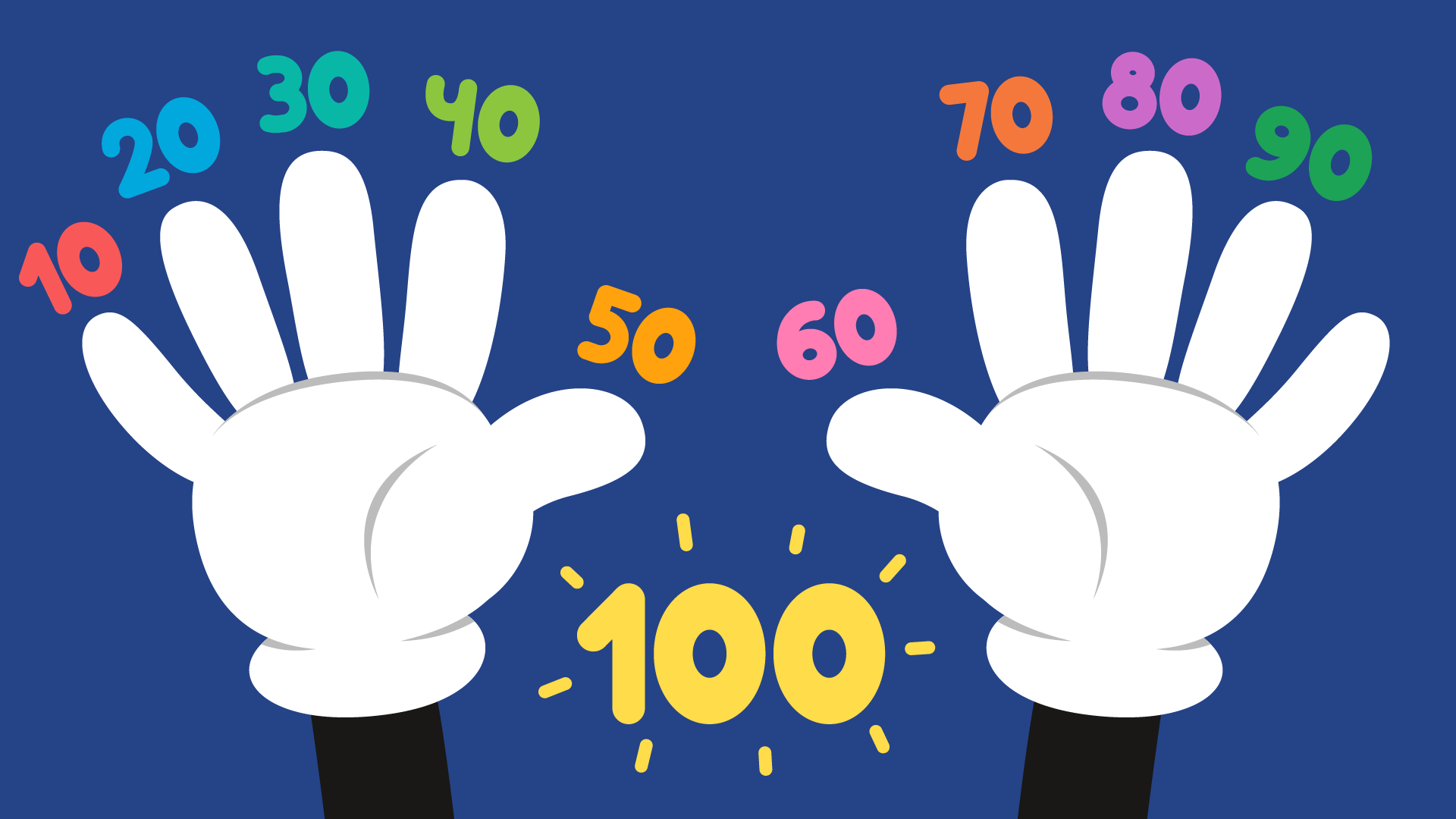





Understanding place values is fundamental for children aged 4-6 as it lays the groundwork for future math proficiency. At this early developmental stage, grasping the concept of place value helps children comprehend how numbers work beyond simple counting. It is the building block for more complex arithmetic operations like addition, subtraction, multiplication, and even division.
When young children understand place values, they recognize that in a multi-digit number, the position of each digit represents a different value (units, tens, hundreds, etc.). For instance, in the number 54, the '5' represents five tens (or 50) and the '4' represents four ones. This realization allows them to decipher why 54 is larger than 45, rather than just memorizing it as a fact.
For teachers and parents, emphasizing the importance of place values ensures that children develop critical thinking and problem-solving skills early on. Activities such as using manipulatives like base-ten blocks or visual aids can make learning engaging and accessible. Additionally, a strong understanding of place value empowers children with the confidence and tools necessary for handling everyday tasks requiring math skills, such as counting money or measuring ingredients while cooking.
Ultimately, mastering place values paves the way for academic success in math, promotes logical reasoning, and reduces future learning challenges, making it a crucial component of early education.