Following instructions Building Vocabulary Coloring Pages Worksheets for Ages 4-6
4 filtered results
-
From - To
Empower your children with our "Following Instructions Building Vocabulary Coloring Pages Worksheets" designed for ages 4-6. These worksheets blend fun coloring activities with essential vocabulary-building exercises, ensuring kids follow directions while enhancing their language skills. Each worksheet introduces young learners to new words and contexts, fostering comprehension and retention in an engaging way. Perfect for early readers, these activities make learning enjoyable and interactive, allowing children to develop crucial cognitive skills while expressing creativity through coloring. Ideal for both parents and educators, our printable worksheets are a great resource to support your child's early educational journey.
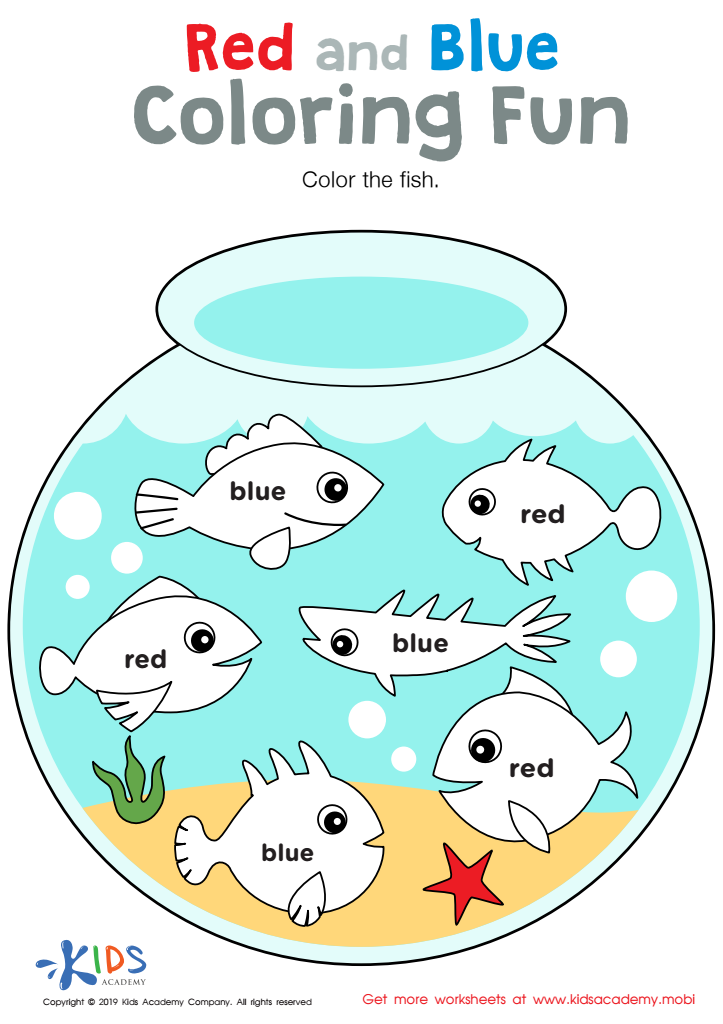
Red and Blue Coloring Fun Worksheet
 Assign to My Students
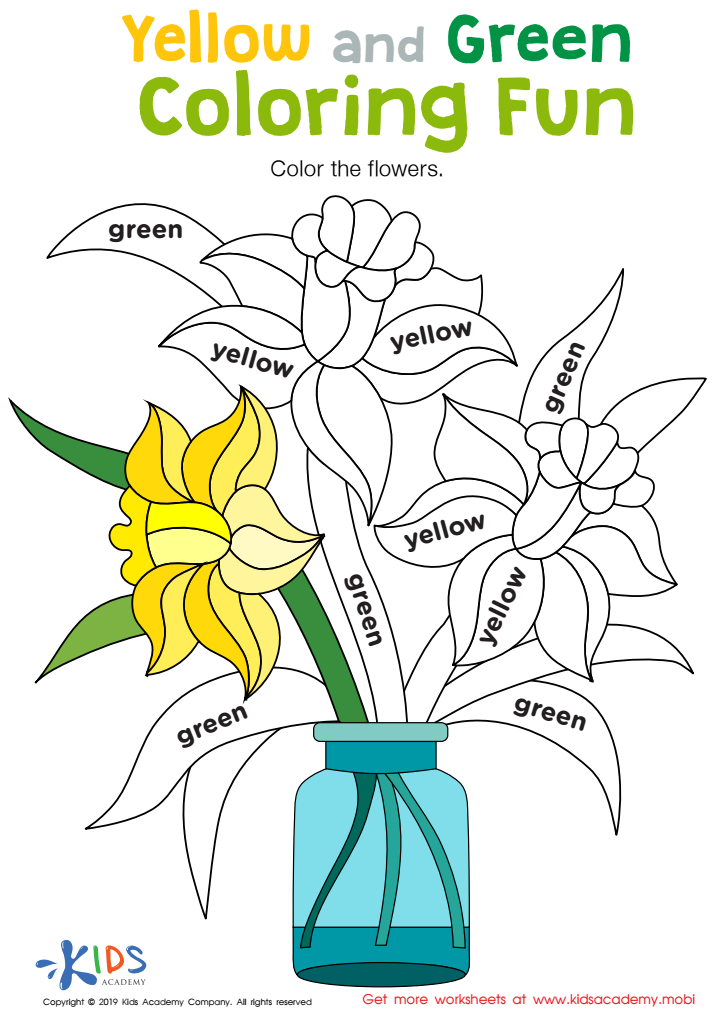
Yellow and Green Coloring Fun Worksheet
Assign to My Students
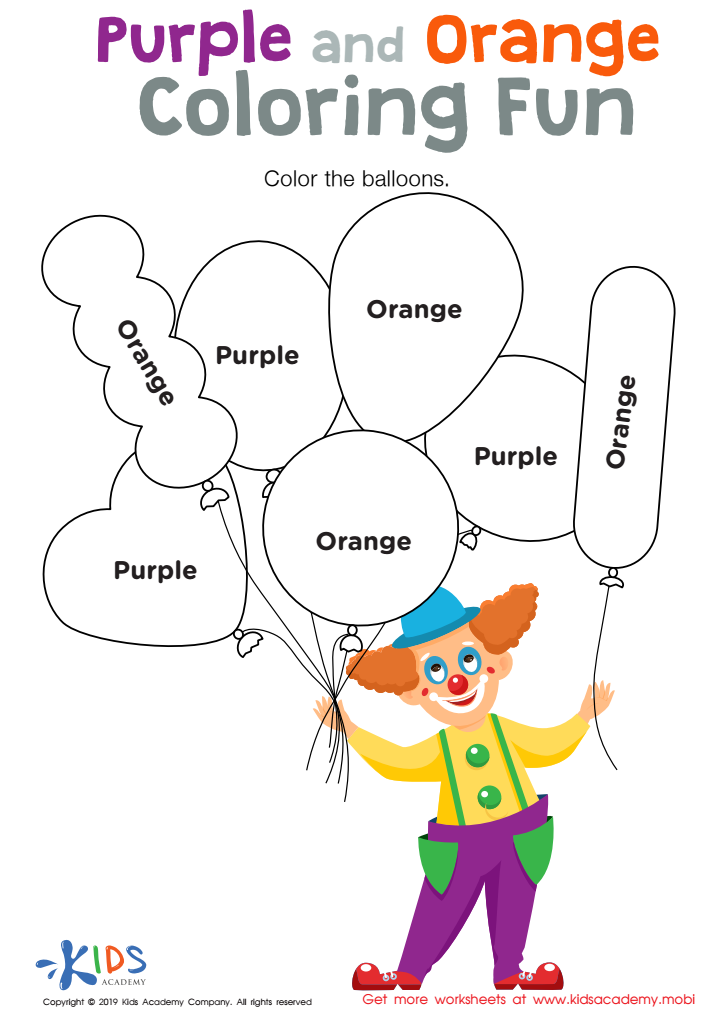
Purple and Orange Coloring Fun Worksheet
Assign to My Students
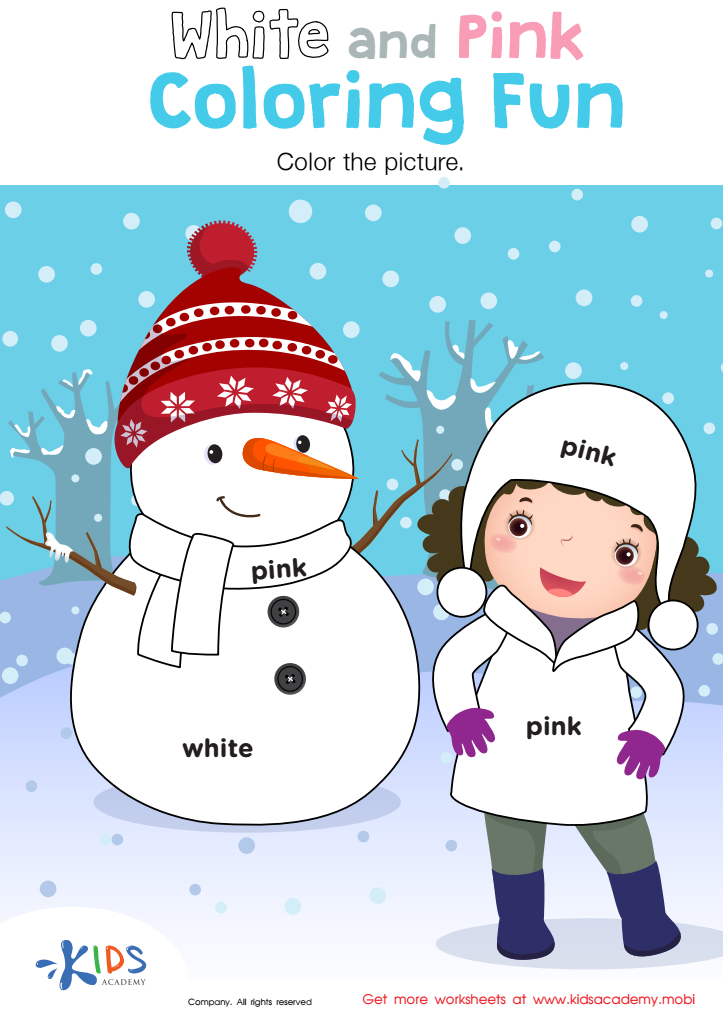
White and Pink Coloring Fun Worksheet
Assign to My Students



Parents and teachers should prioritize activities like following instructions, building vocabulary, and coloring pages for children ages 4-6 as these are foundational building blocks for future learning and development.
Following instructions is a critical skill that teaches children about the importance of listening, processing information, and executing tasks accurately. It nurtures their attention span, promotes self-discipline, and aids in developing their ability to follow complex processes as they grow. This early mastery translates into better performance in academic and social settings, where adhering to instructions is often required.
Building vocabulary is equally crucial as it feeds into every aspect of communication. A robust vocabulary enriches a child’s ability to express thoughts, ask questions, and engage in conversations with peers and adults. It sets the stage for reading comprehension, which is pivotal for academic success across all subjects. Vocabulary development at this early stage also stimulates cognitive growth and piques curiosity, fostering a lifelong love for learning and exploration.
Coloring pages, on the other hand, serve more than just an artistic purpose. They improve fine motor skills, hand-eye coordination, and focus. These activities offer children an outlet for creative expression and relaxation, which are essential for managing emotions and stress. Combined, these activities contribute to a well-rounded developmental foundation, ensuring children are better prepared for the more structured learning environments they will encounter in school.








