Reading comprehension Building Vocabulary Coloring Pages Worksheets for Ages 4-6
4 filtered results
-
From - To
Unlock the world of words for your little ones with our "Reading Comprehension Building Vocabulary Coloring Pages Worksheets" designed for ages 4-6! These engaging and interactive worksheets combine fun coloring activities with essential vocabulary-building exercises, making learning an enjoyable experience. Each page encourages creativity while enhancing reading skills, helping children to deepen their understanding of language. As they color, kids will explore new words in context, fostering their comprehension abilities. Perfect for home or classroom use, our worksheets support early literacy development and create a solid foundation for reading success. Start your child's reading journey today with these delightful, educational resources!
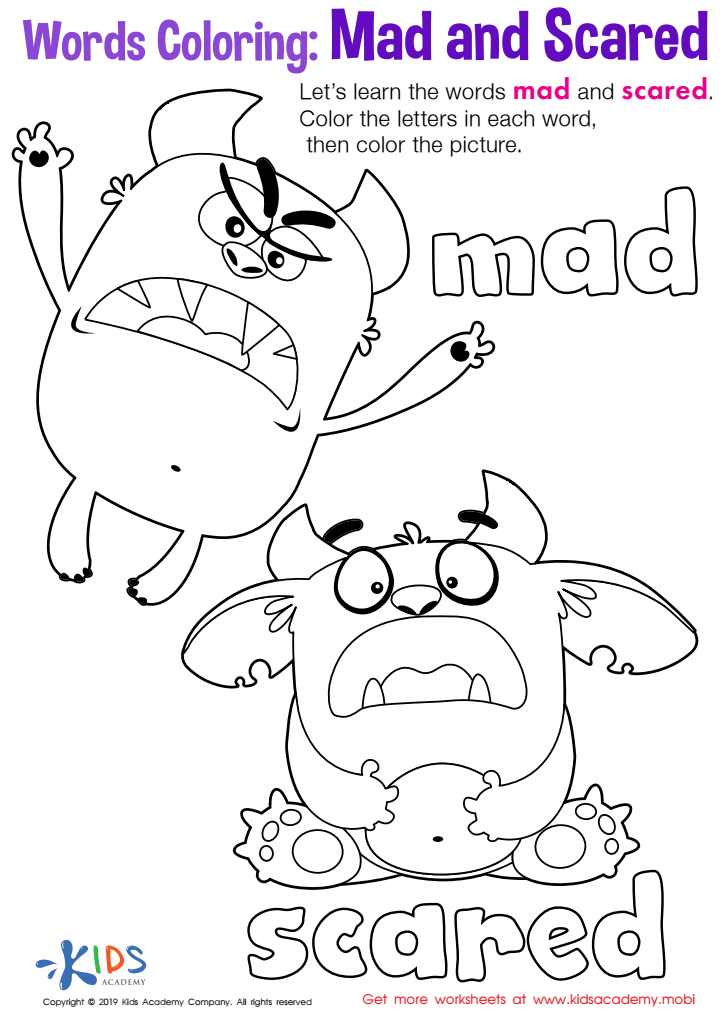
Mad and Scared Words Coloring Worksheet
 Assign to My Students
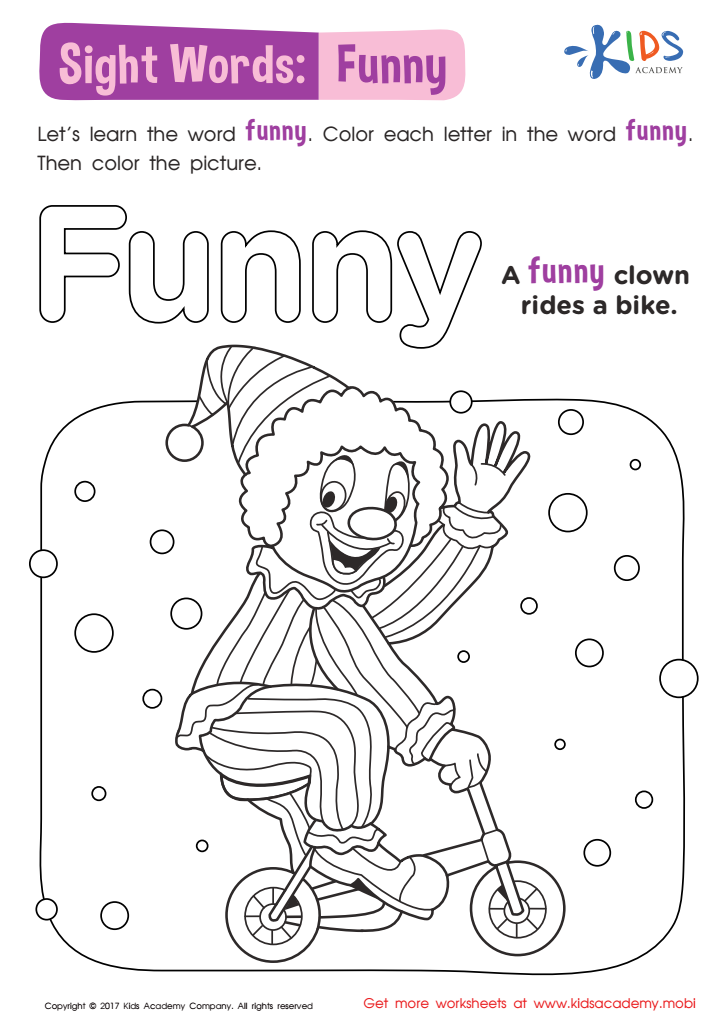
Funny Worksheet Sight Words Worksheet
Assign to My Students

Long and Short E Worksheet
Assign to My Students
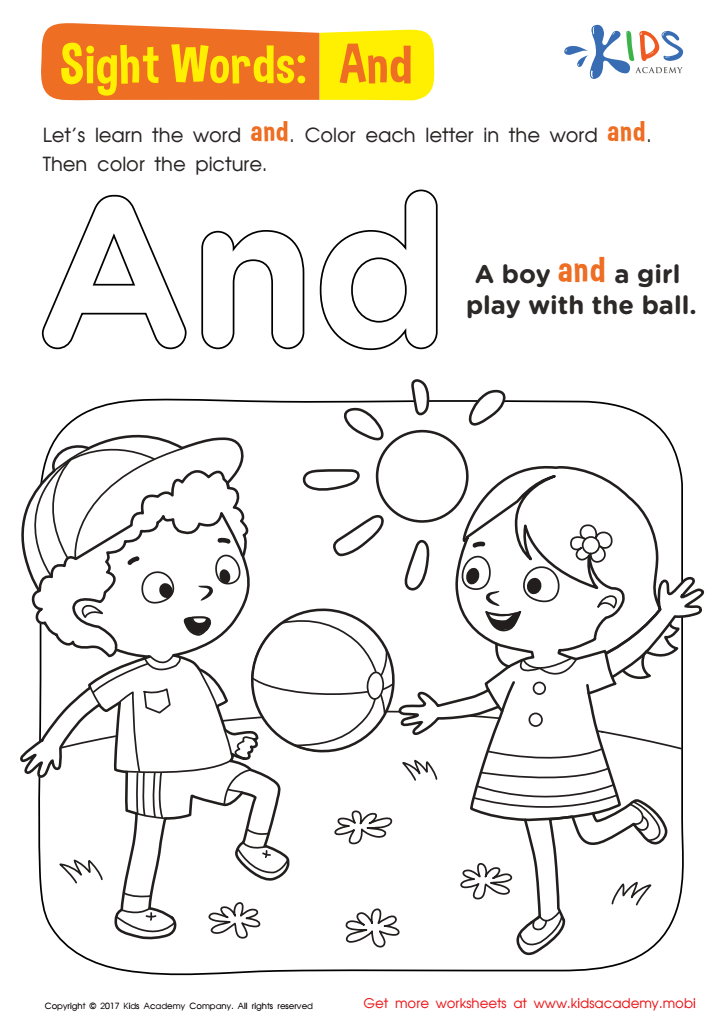
And Worksheet Sight Words Worksheet
Assign to My Students



Reading comprehension and vocabulary development are crucial skills that lay the foundation for a child’s academic success. For parents and teachers, especially those working with children aged 4-6, effective use of tailored resources like coloring pages can significantly enhance these skills.
Coloring pages serve as engaging tools that can promote vocabulary building. As children color illustrations that depict various objects, animals, or scenes, they can also learn the corresponding words. This method makes learning enjoyable; the visual element stimulates interest and retention.
Moreover, interactive coloring activities foster discussions between adults and children, further enhancing reading comprehension. As parents or teachers ask questions about the images or connect them to stories or concepts, they encourage critical thinking and expressive language abilities.
Additionally, these activities can help develop fine motor skills necessary for writing, which is closely associated with literacy. Incorporating coloring pages into learning routines creates a multi-dimensional approach, where kids are not just passive receivers of information but active participants in their learning.
Ultimately, parents and teachers should recognize that fostering vocabulary and comprehension through playful, age-appropriate activities like coloring can lead to lifelong learning and a love for reading in young children.








