Basic Addition Building Vocabulary Worksheets for Ages 4-6
3 filtered results
-
From - To
Introducing our engaging "Basic Addition Building Vocabulary Worksheets" designed specifically for children ages 4-6! These worksheets provide a fun and interactive way for young learners to develop their addition skills while expanding their vocabulary. Kids will enjoy colorful illustrations and easy-to-follow instructions that guide them through basic addition concepts. Each worksheet encourages critical thinking and problem-solving, helping children build a strong mathematical foundation. With a variety of activities, including number recognition and simple equations, these worksheets make learning enjoyable. Perfect for home or classroom use, unlock your child's potential in math and language with these essential resources today!
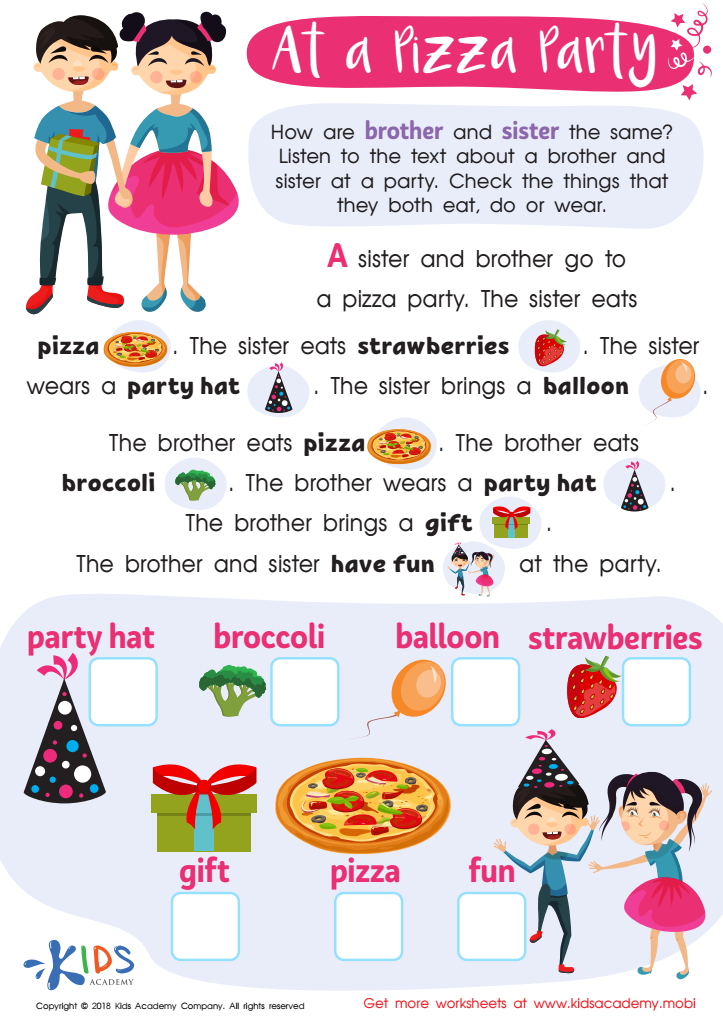
At a Pizza Party Worksheet
 Assign to My Students











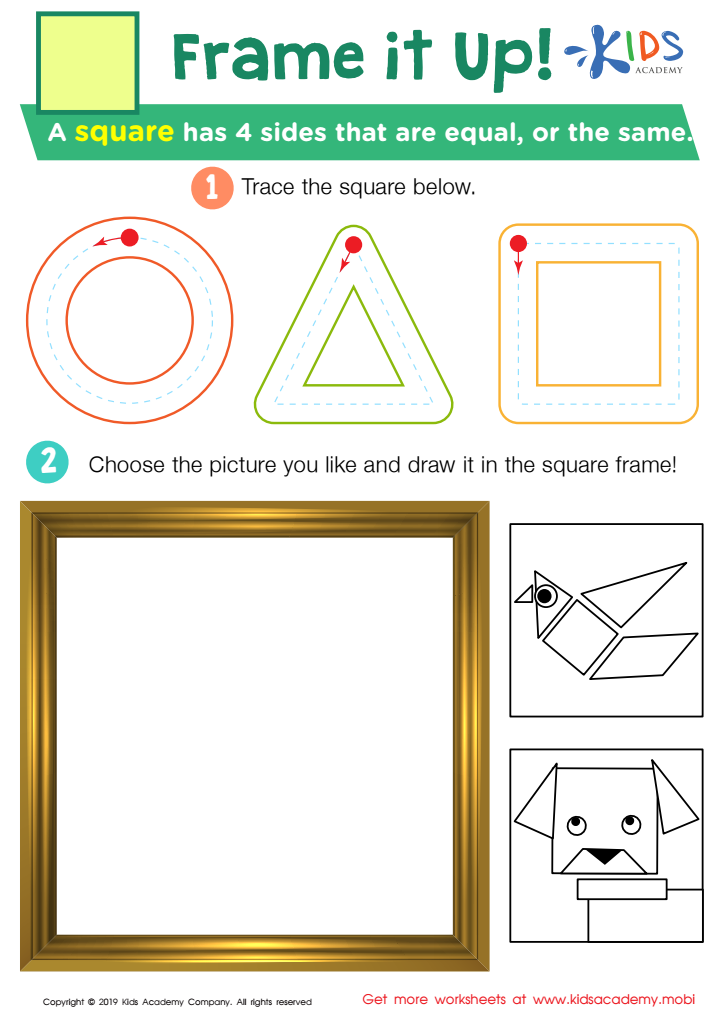
Frame it Up Worksheet
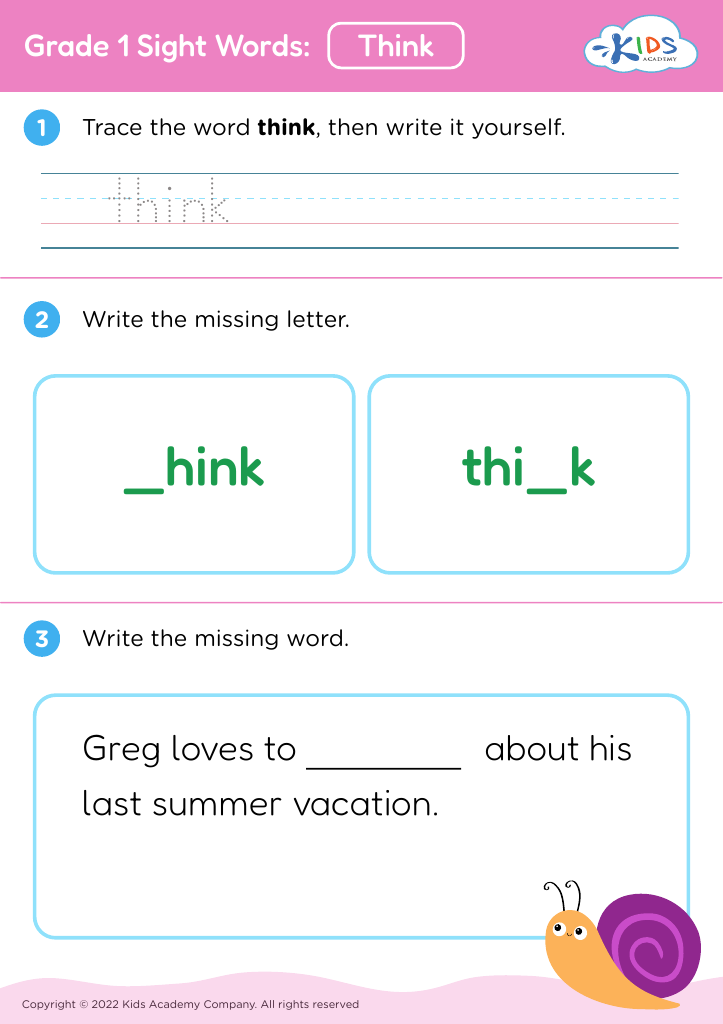



.jpg)



.jpg)
Parents and teachers should care deeply about building a basic addition vocabulary for children aged 4-6 because early mathematical proficiency lays the foundation for future academic success. At this age, children are not just learning numbers and symbols; they are also developing critical thinking, problem-solving skills, and a love for learning. A robust vocabulary in basic addition—terms such as "plus," "equals," and "total"—empowers children to articulate their thoughts and understand mathematical concepts more clearly.
Incorporating addition vocabulary into daily activities fosters an engaging, supportive learning environment. This not only boosts children's confidence but also enhances their ability to communicate mathematically. When teachers and parents model and encourage the use of this vocabulary, children can make connections between spoken language and mathematical ideas, reinforcing their understanding.
Moreover, cultivating a strong mathematical lexicon at an early age helps children transition smoothly into more complex concepts later on, setting them up for success in higher grades. Lastly, as these identifiable skills contribute to overall cognitive development, parents and teachers play a vital role in nurturing this aspect of a child’s education, making it essential to focus on building their basic addition vocabulary early on.








