Basic Addition Skills Building Vocabulary Worksheets for Ages 4-6
5 filtered results
-
From - To
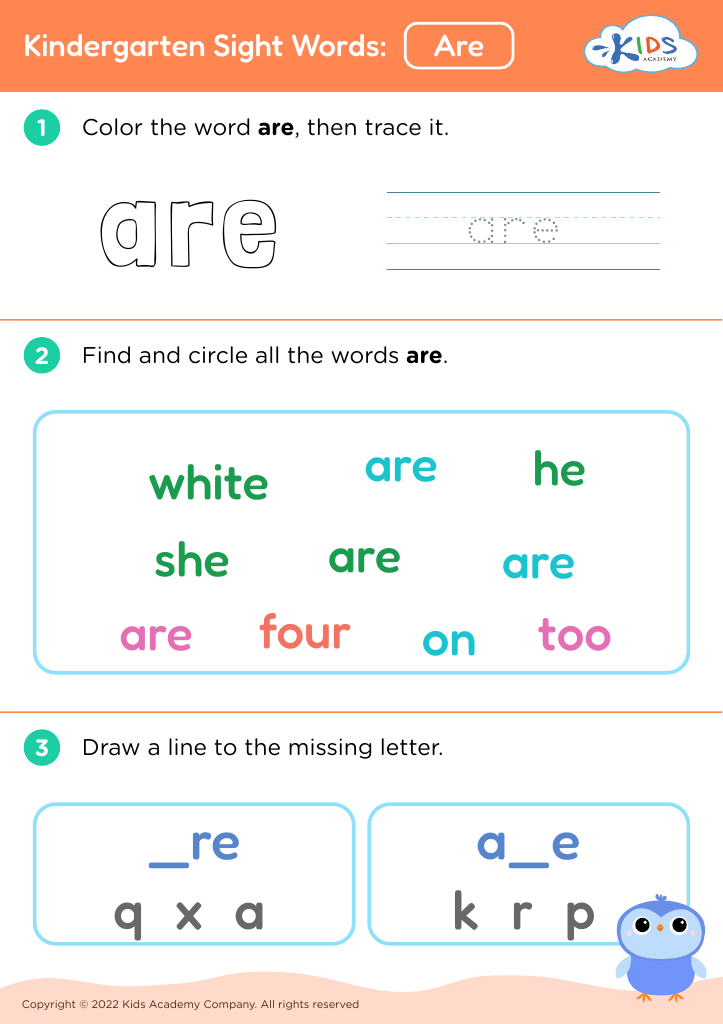
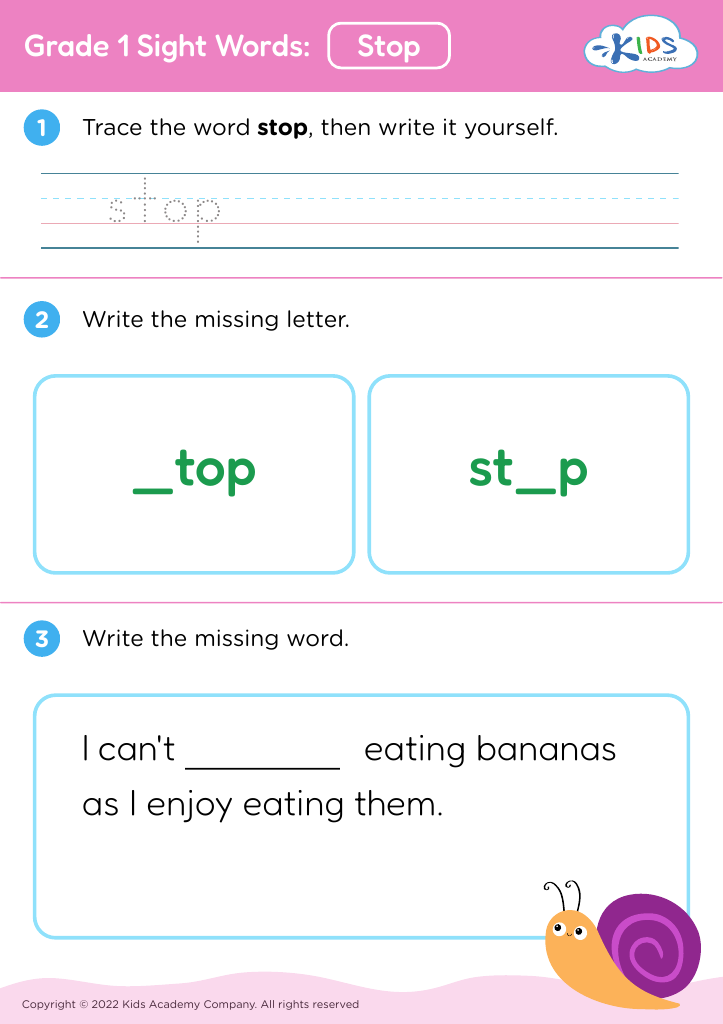
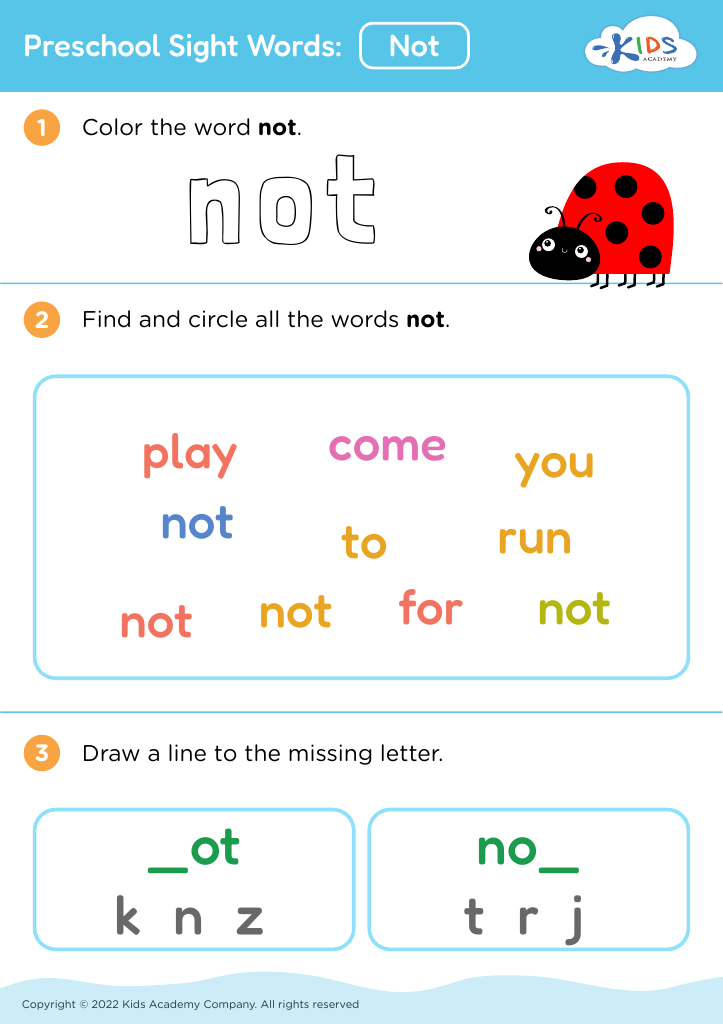
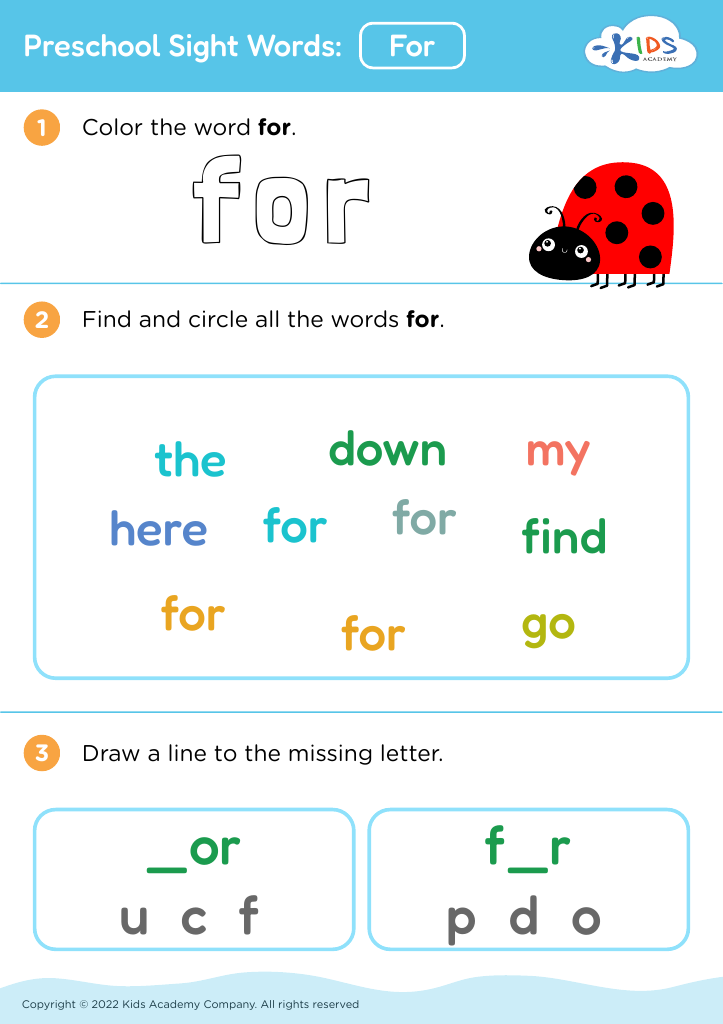
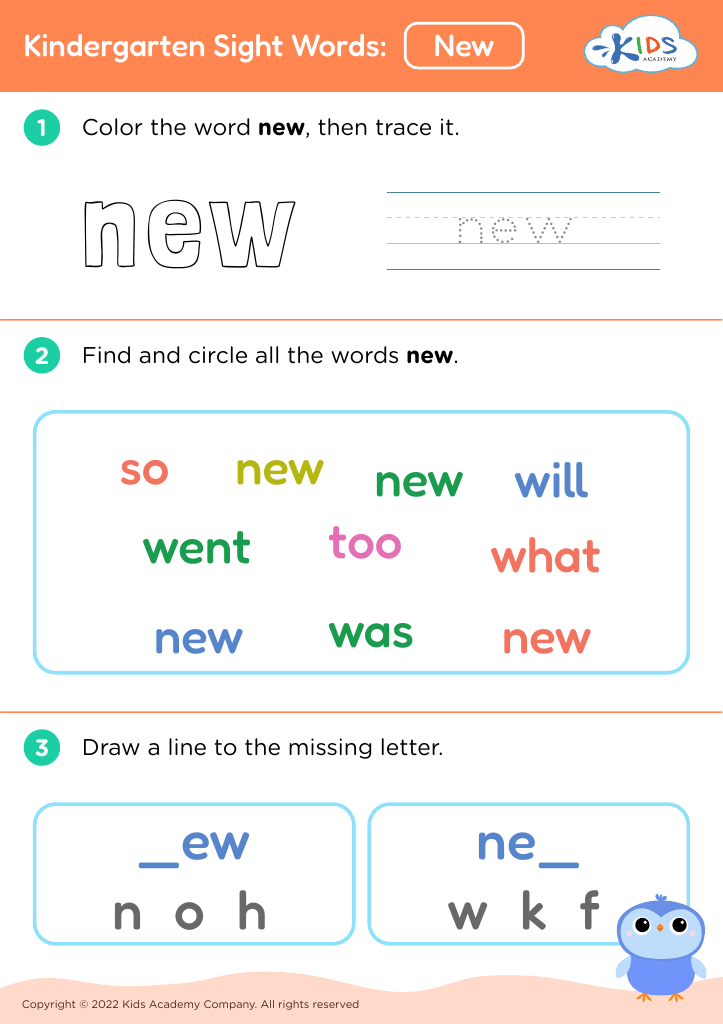
Boost young learners' math success with our Basic Addition Skills Building Vocabulary Worksheets for Ages 4-6 available on Kids Academy. Tailored for preschool and early elementary students, these worksheets blend essential math practice with engaging activities to enhance both addition skills and vocabulary. Designed to match developmental stages, each worksheet features colorful illustrations and relatable scenarios to make learning fun. Start building a strong math foundation while expanding language abilities with our expertly crafted resources. Unlock a world of learning opportunities and watch your child's confidence and proficiency in math soar. Perfect for classroom use or at-home practice!















.jpg)

.jpg)

Parents and teachers should care deeply about building basic addition skills and expanding vocabulary for children aged 4-6 because these foundational skills create the bedrock for future academic success. At this early age, the brain is incredibly receptive to learning, and experiences during these formative years significantly impact cognitive development. Basic addition helps develop numerical literacy, introducing children to concepts such as counting, number recognition, and simple arithmetic operations, which are essential for more advanced math skills.
Similarly, an enriched vocabulary aids in language development, fostering better communication and comprehension skills. Vocabulary is crucial not only for reading proficiency but also for overall academic performance as it supports understanding across subjects. A broad vocabulary enables children to express themselves more clearly and respond to questions accurately, enhancing their academic engagement and confidence.
Combining math with language skills ensures a holistic approach to early education, developing both logical reasoning and verbal articulation. It prepares children for increasingly complex learning, both in math and reading, setting a strong foundation for lifelong educational achievements. Fostering these skills early on helps prevent future learning gaps, enabling children to thrive academically and beyond. This investment in foundational skills creates a positive learning trajectory, encouraging curiosity, problem-solving, and effective communication.








