
Color recognition Building Vocabulary Worksheets for Ages 4-6
11 filtered results
Difficulty Level
Grade
Age
-
From - To
Subject
Activity
Standards
Explore our engaging "Color Recognition Building Vocabulary Worksheets" designed specifically for children aged 4-6. These worksheets guide young learners in identifying and naming colors while enhancing their vocabulary skills. Featuring vibrant illustrations and fun activities, these resources help children connect colors to the world around them. By encouraging creativity and exploration, our worksheets support early literacy development through interactive learning. Ideal for both classroom and home use, these printable resources empower educators and parents to foster essential language skills while making learning enjoyable. Start your child's journey to color mastery and vocabulary enrichment today! Perfect for boosting cognitive development and confidence!
Favorites
With answer key
Interactive
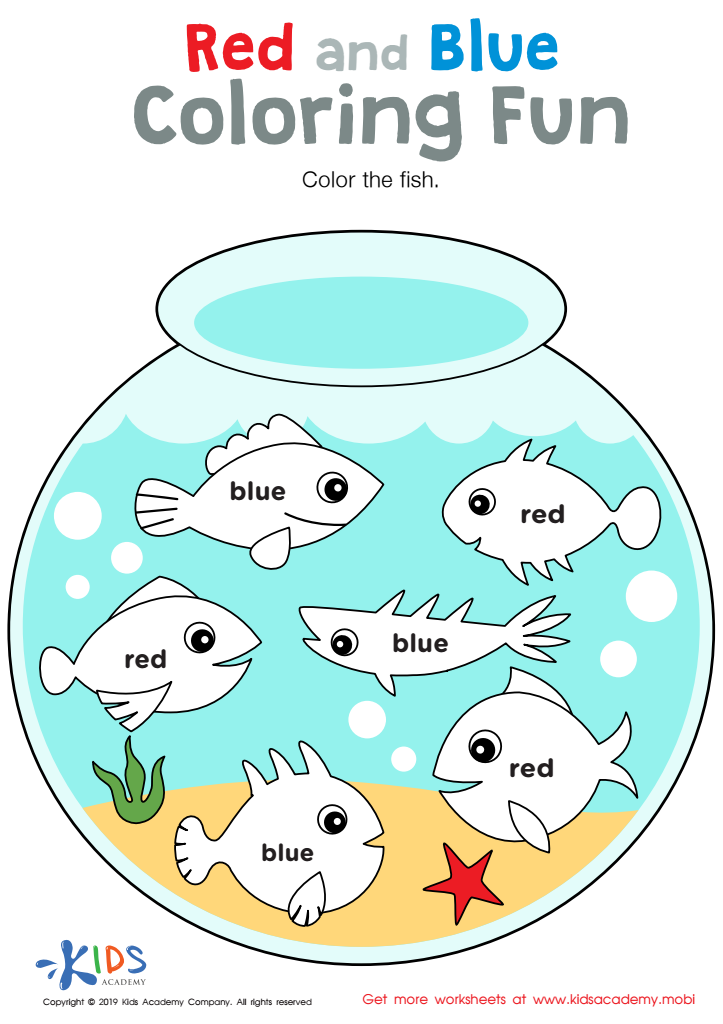
Red and Blue Coloring Fun Worksheet
Kids know colors like red and blue. But can they read these words? Give them practice with this fun fish bowl coloring sheet. They'll look at the fish, then color them the corresponding hue. Home or classroom, they'll be sure to get a kick out of learning colors in this creative way!
Download (PDF)
 Assign to My Students
Assign to My Students
Red and Blue Coloring Fun Worksheet
Worksheet











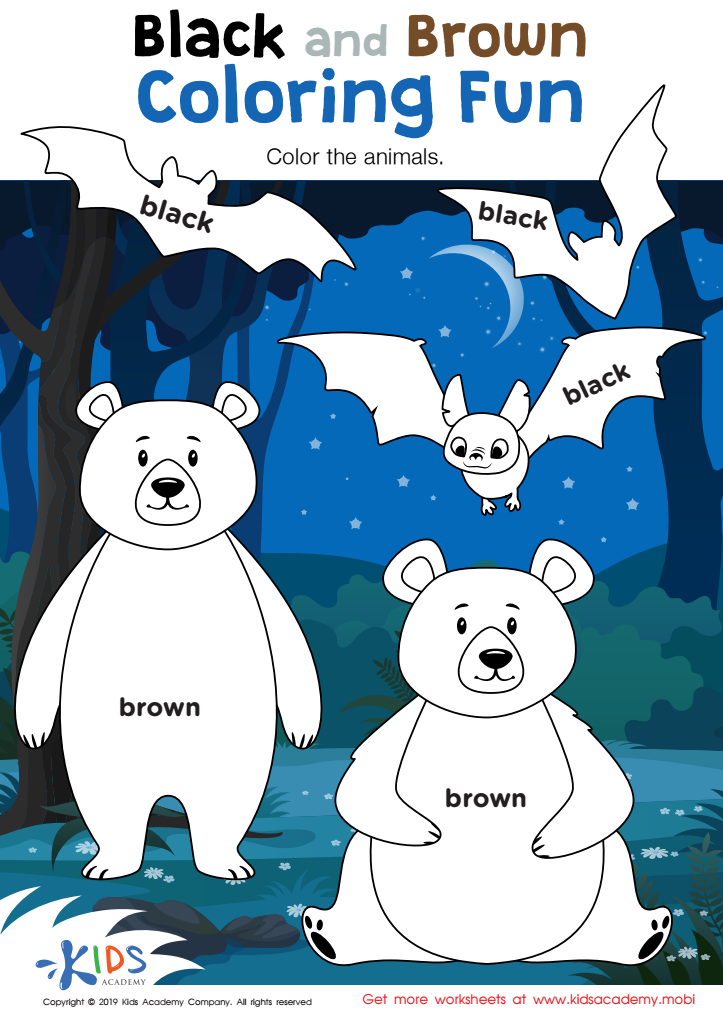
Black and Brown Coloring Fun Worksheet
Young readers can learn the difference between black and brown with this free, downloadable worksheet. The page features coloring activities: students color bears brown and bats black. This helps children learn to read color words by sight, as they are among the first reading experiences for young ones. But black and brown can be tricky as they start with the same consonant sound. This worksheet will help clear up any confusion.
Download (PDF)
Assign to My Students
Assign to My Students
Black and Brown Coloring Fun Worksheet
Worksheet
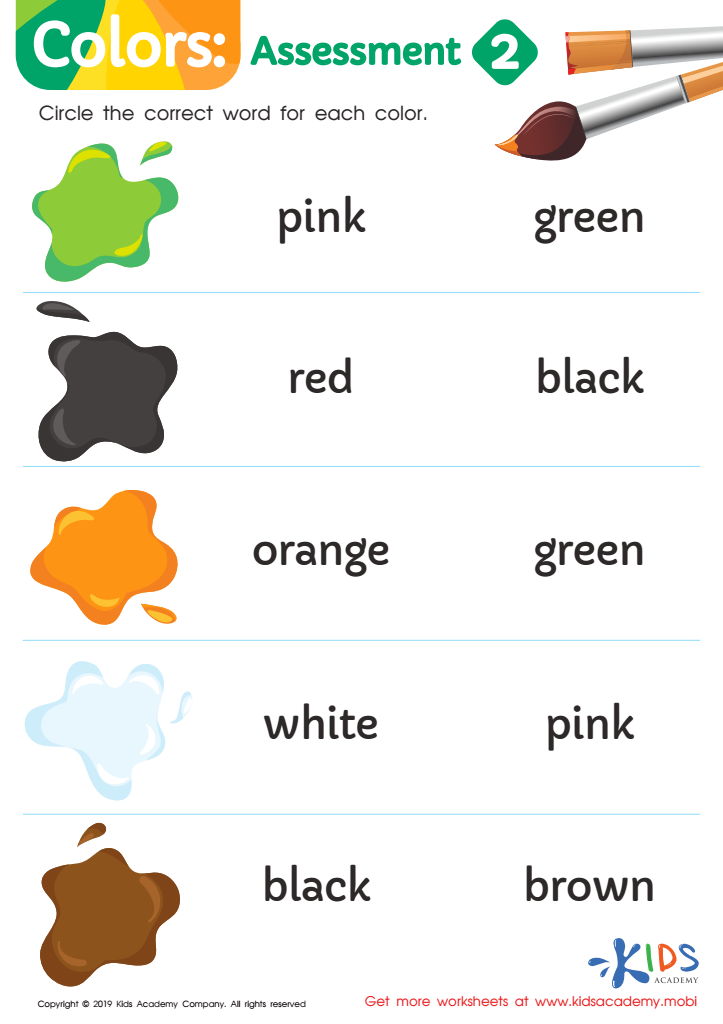
Colors: Assessment 2 Worksheet
Teach color words to young students to build fluency and confidence. Check knowledge with an assessment worksheet. Have students look at paint samples and circle the correct color word. This assessment helps parents and teachers measure a child’s accuracy when reading color words.
Colors: Assessment 2 Worksheet
Worksheet
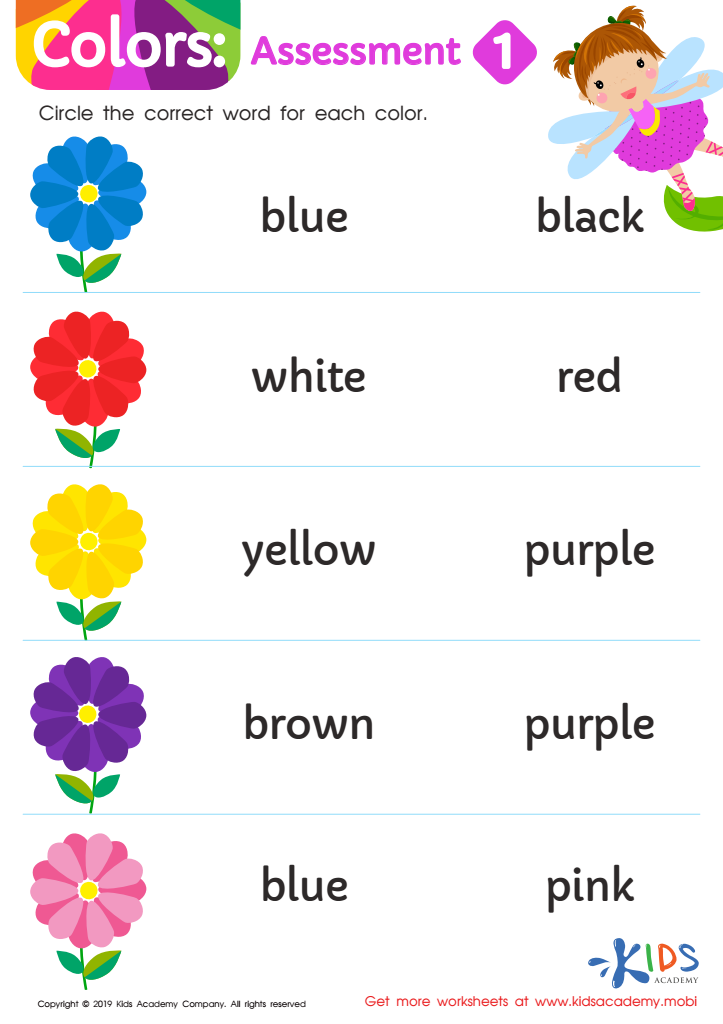
Colors: Assessment 1 Worksheet
Children can decode unfamiliar words by sounding them out or by recognizing sight words. Color words are an important part of sight word knowledge, so add them to your child's list! This color word worksheet is an effective assessment tool for teachers to use with preschool and kindergarten students. It checks their knowledge of five color words - they simply look at the flower and circle the appropriate color word!
Colors: Assessment 1 Worksheet
Worksheet
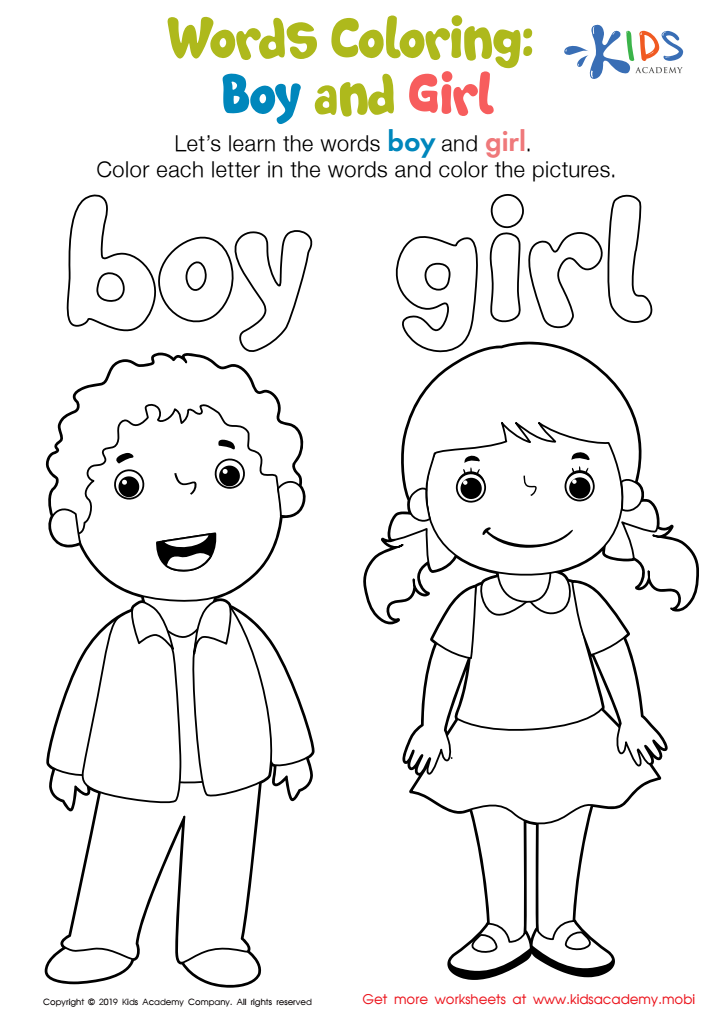
Boy and Girl Words Coloring Worksheet
Help your students build their sight word vocabulary! Early readers may not be able to sound out all words, so this worksheet teaches them to read two important sight words: boy and girl. They will color the letters and a picture of each, making it a fun and educational way to learn. Download the PDF now.
Download (PDF)
Assign to My Students
Assign to My Students
Boy and Girl Words Coloring Worksheet
Worksheet
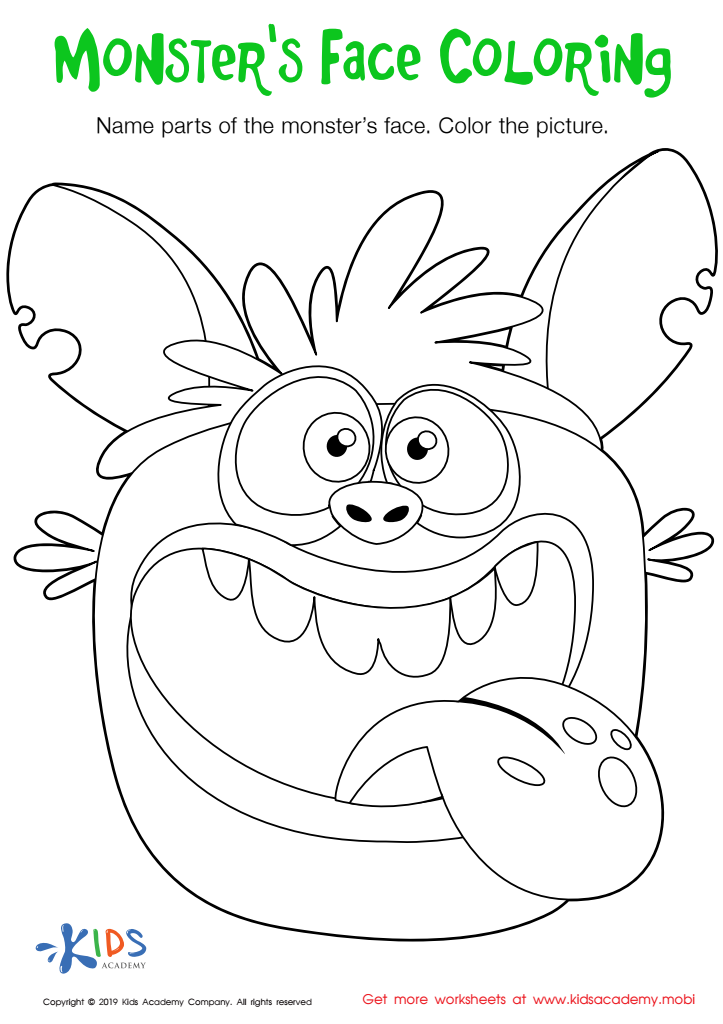
Monster's Face Coloring Worksheet
Have your students practice identifying face parts with this fun worksheet. Teach them how to say eyes, nose, mouth, and ears. Help them master these words so they can express themselves better. And have some fun with the monster coloring page too!
Download (PDF)
Assign to My Students
Assign to My Students
Monster's Face Coloring Worksheet
Worksheet
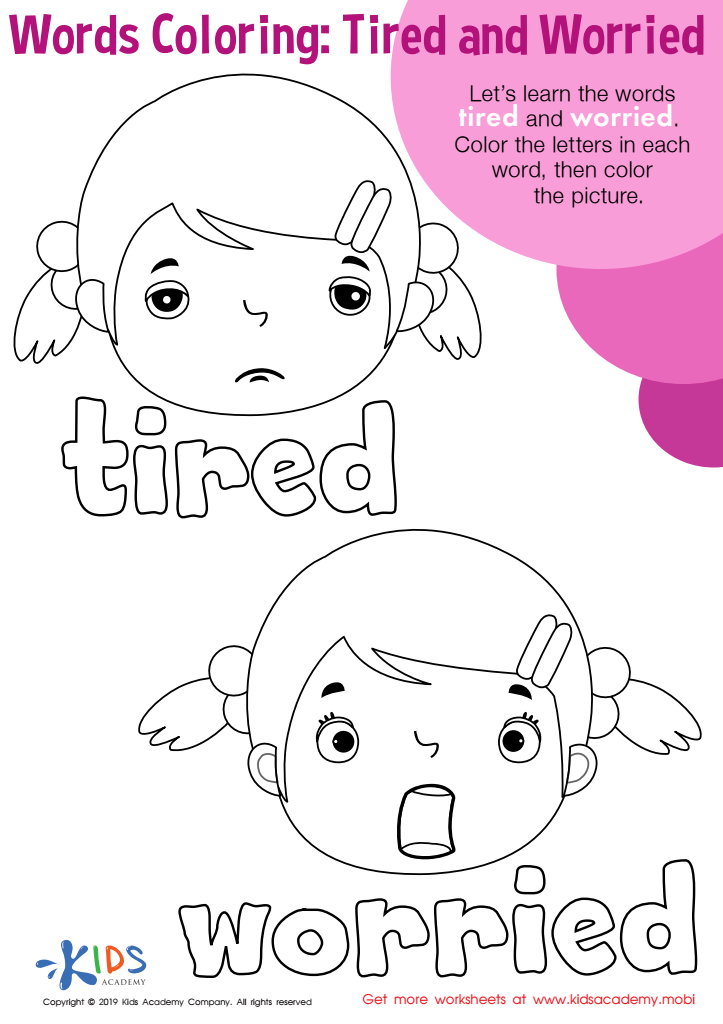
Tired and Worried Words Coloring Worksheet
Teach your students about "tired" and "worried" with this worksheet. Have them read and color the emotion words, then color the pictures of a tired girl and a worried girl. Discuss what makes them tired and worried. Expand their vocabulary with this fun coloring activity!
Download (PDF)
Assign to My Students
Assign to My Students
Tired and Worried Words Coloring Worksheet
Worksheet
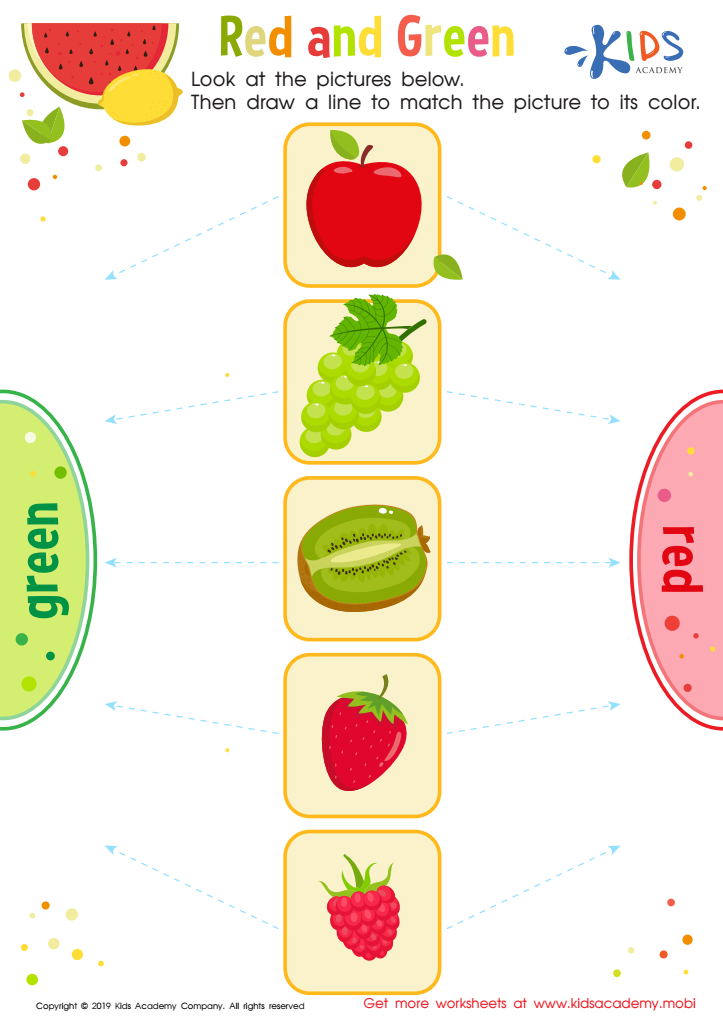
Red and Green Worksheet
Engage your kids in fun exercises and colorful pictures to help build their vocabulary. Start with a colorful worksheet - can they identify the colors? Guide them to draw a line from each picture in the middle to the correct color. It's a great way to boost their vocabulary and have fun at the same time!
Red and Green Worksheet
Worksheet
Happy Family Coloring Worksheet
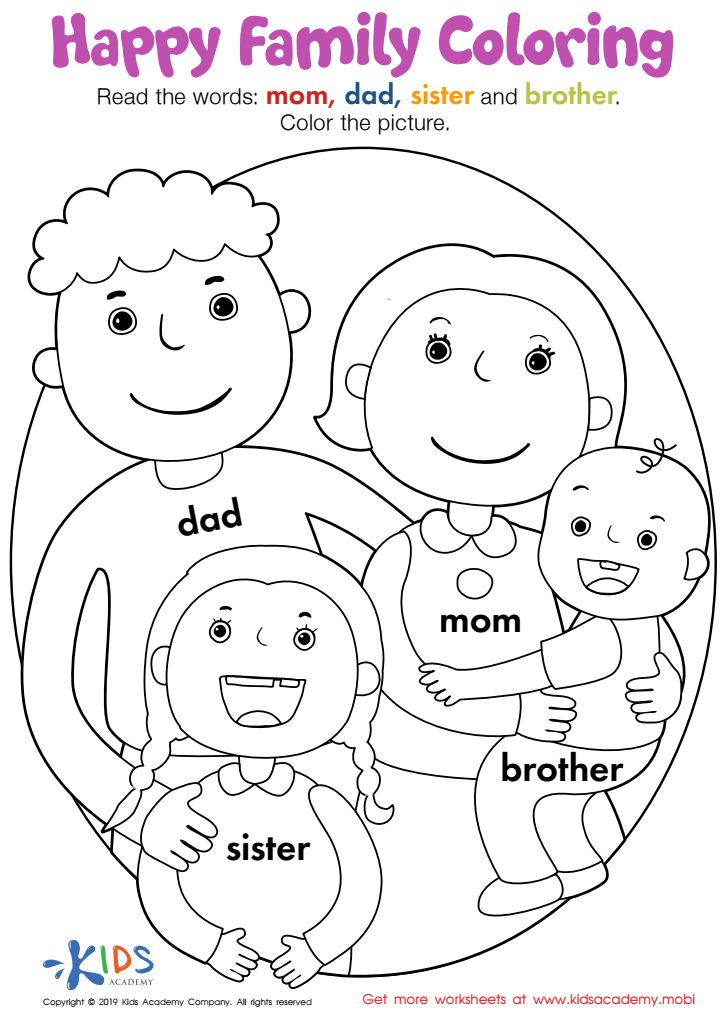
Help your students gain confidence in family vocabulary with this worksheet. Labelled images of a family (dad, mom, sister, brother) are featured, along with an accompanying activity to colour in the picture. Your students will feel a sense of accomplishment after reading and completing the printable.
Download (PDF)
Assign to My Students
Assign to My Students
Happy Family Coloring Worksheet
Worksheet
Join Kids Academy for Free
Who is primarily going to use this learning content?








Color recognition is a fundamental aspect of early childhood development that significantly impacts vocabulary building for children aged 4-6. At this age, children are naturally curious and eager to explore their environment, making it a perfect time to introduce colors as integral components of their learning.
Firstly, color recognition enhances cognitive skills. When children identify and name colors, it fosters critical thinking and observation skills. This cognitive engagement lays the groundwork for more complex language and literacy development. Furthermore, by associating colors with objects, emotions, and concepts, children build a richer vocabulary and learn to express themselves more effectively.
Additionally, color recognition supports social-emotional growth. Discussing colors can help children articulate their feelings and preferences, providing them with language to express themselves. Social interactions during color-related activities, such as group projects or art, also facilitate collaboration and teamwork.
For parents and teachers, integrating color recognition into daily learning experiences—through games, art, and conversation—can reinforce these skills in a fun and engaging way. By prioritizing color recognition, caregivers nurture young learners’ cognitive, linguistic, and emotional development, promoting a lifetime of effective communication and creativity. This foundation not only bolsters school readiness but also enriches everyday interactions.








