Unlock the world of fractions with our "Comparing Fractions Building Vocabulary Worksheets" designed specifically for children ages 4-6. These engaging worksheets help young learners understand the concept of comparing fractions through colorful visuals and simple exercises. Each activity promotes numerical literacy while enhancing vocabulary, ensuring a well-rounded learning experience. Kids will enjoy hands-on learning as they practice identifying and comparing fractions using relatable examples. Ideal for classroom or home use, these resources support early math skills development, making learning both fun and effective. Foster a strong foundation in mathematics and language skills with our thoughtfully designed worksheets today!

Check out this FREE Trial Lesson on Building Vocabulary for age 4-6!

H

Favorites
With answer key
Interactive
  • 4-6
  • Comparing Fractions
  • Building Vocabulary
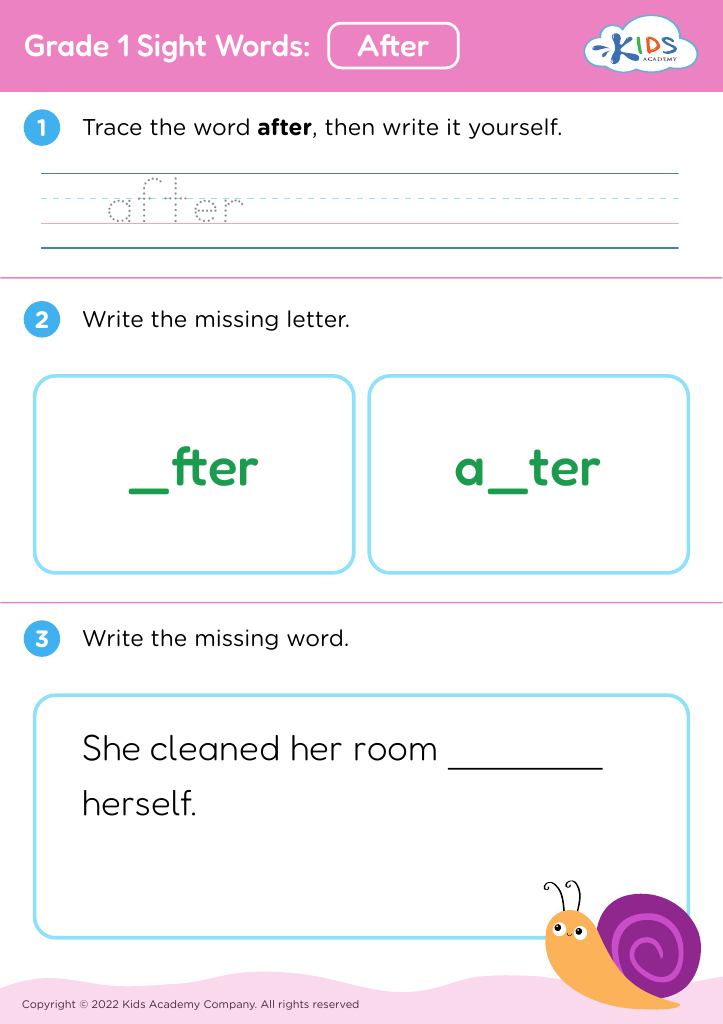
Grade 1 Sight Words: After

Grade 1 Sight Words: After

Grade 1 Sight Words: After
Worksheet
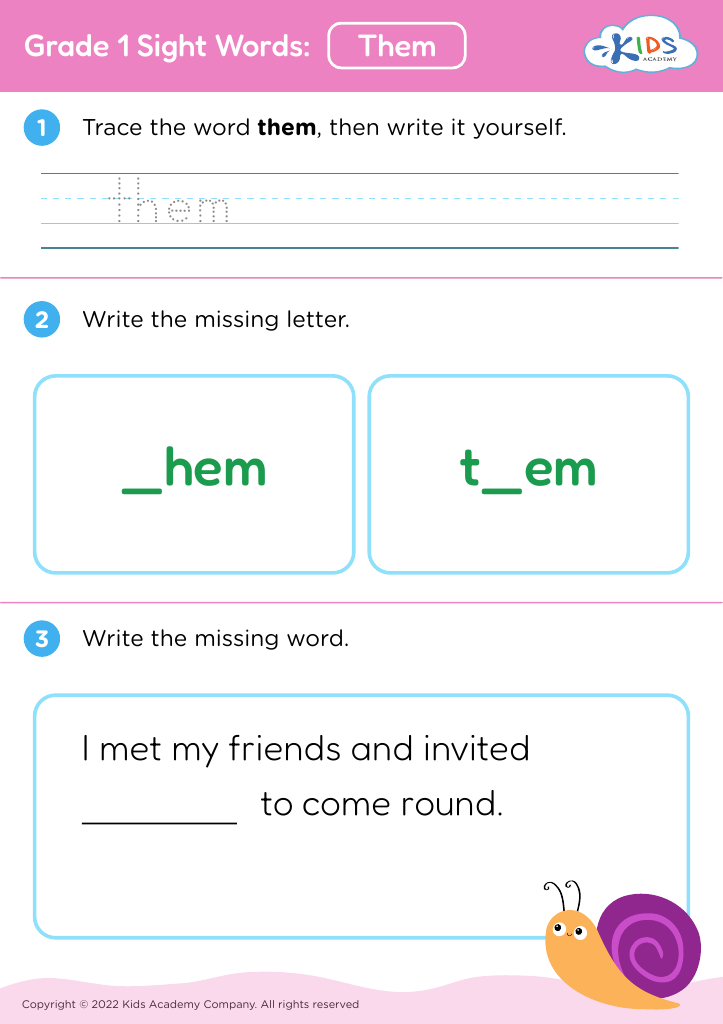
Grade 1 Sight Words: Them

Grade 1 Sight Words: Them

Grade 1 Sight Words: Them
Worksheet
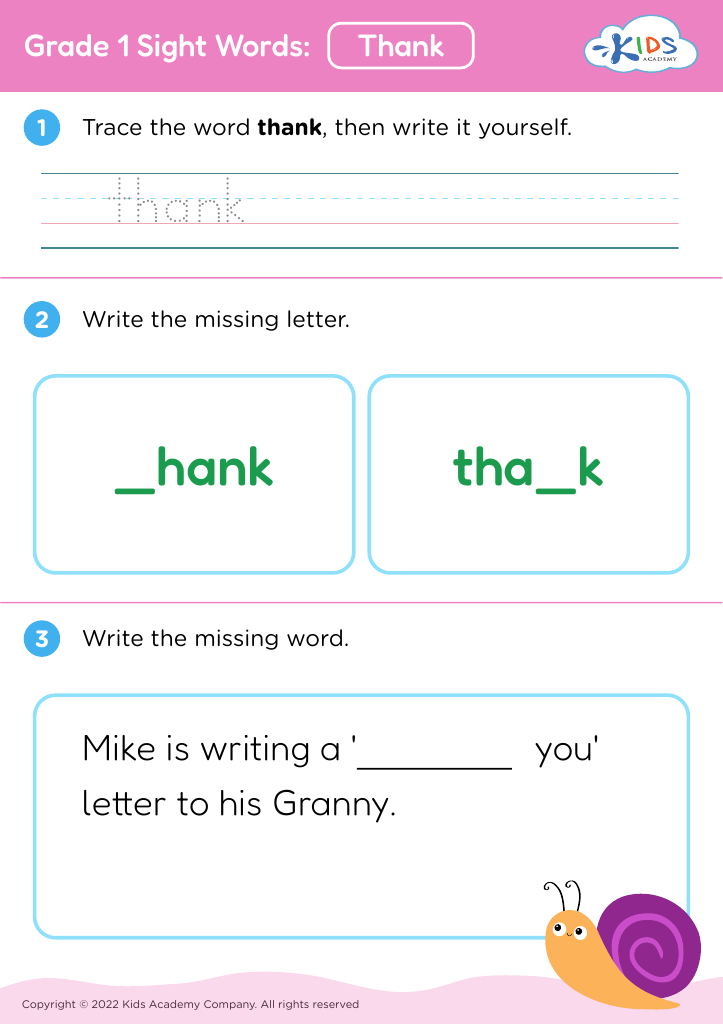
Grade 1 Sight Words: Thank

Grade 1 Sight Words: Thank

Grade 1 Sight Words: Thank
Worksheet
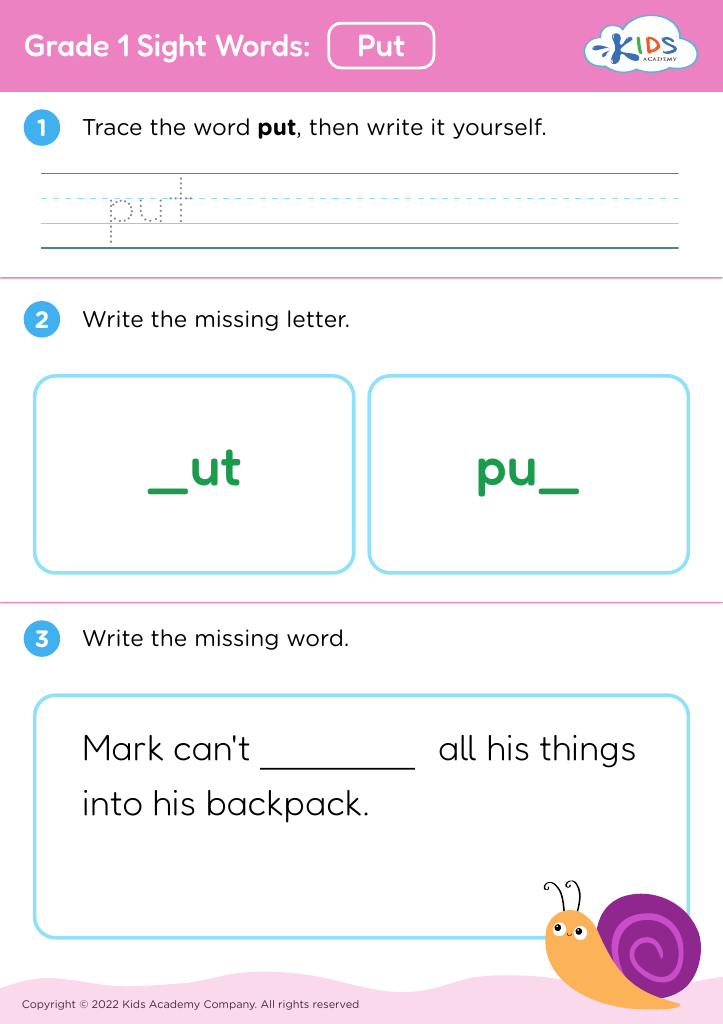
Grade 1 Sight Words: Put

Grade 1 Sight Words: Put

Grade 1 Sight Words: Put
Worksheet
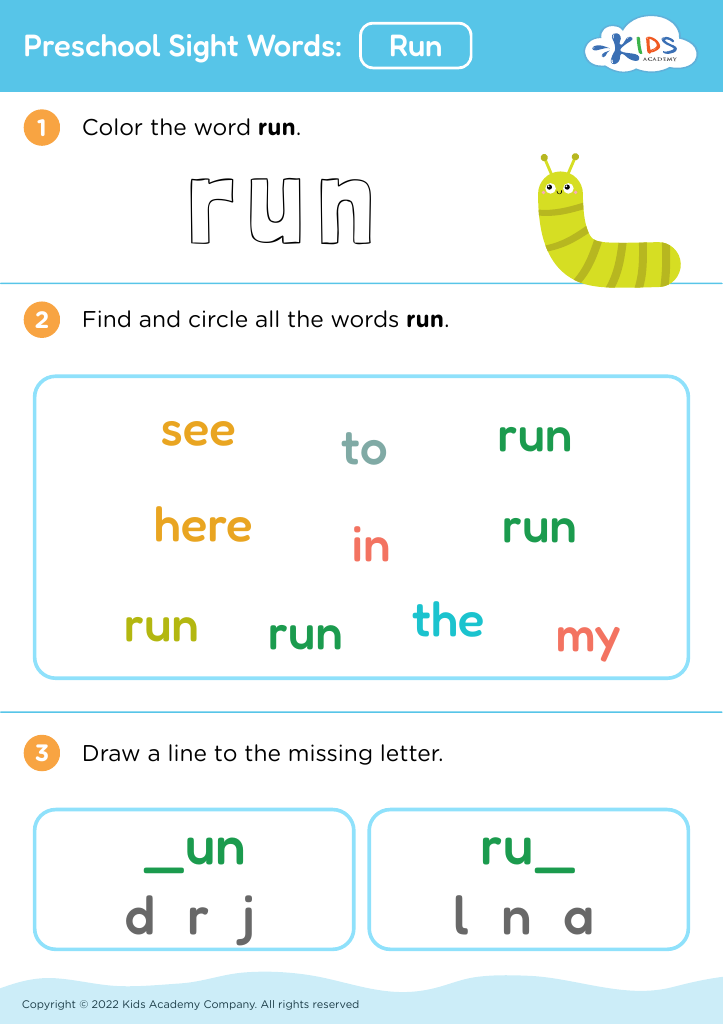
Preschool Sight Words: Run

Preschool Sight Words: Run

Preschool Sight Words: Run
Worksheet
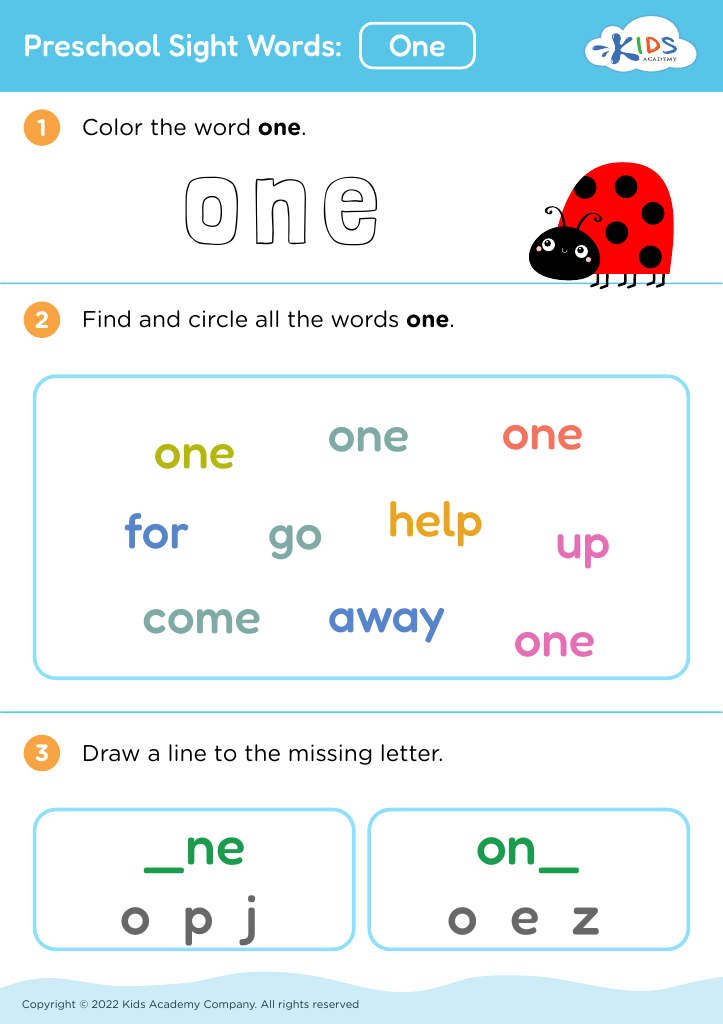
Preschool Sight Words: One

Preschool Sight Words: One

Preschool Sight Words: One
Worksheet
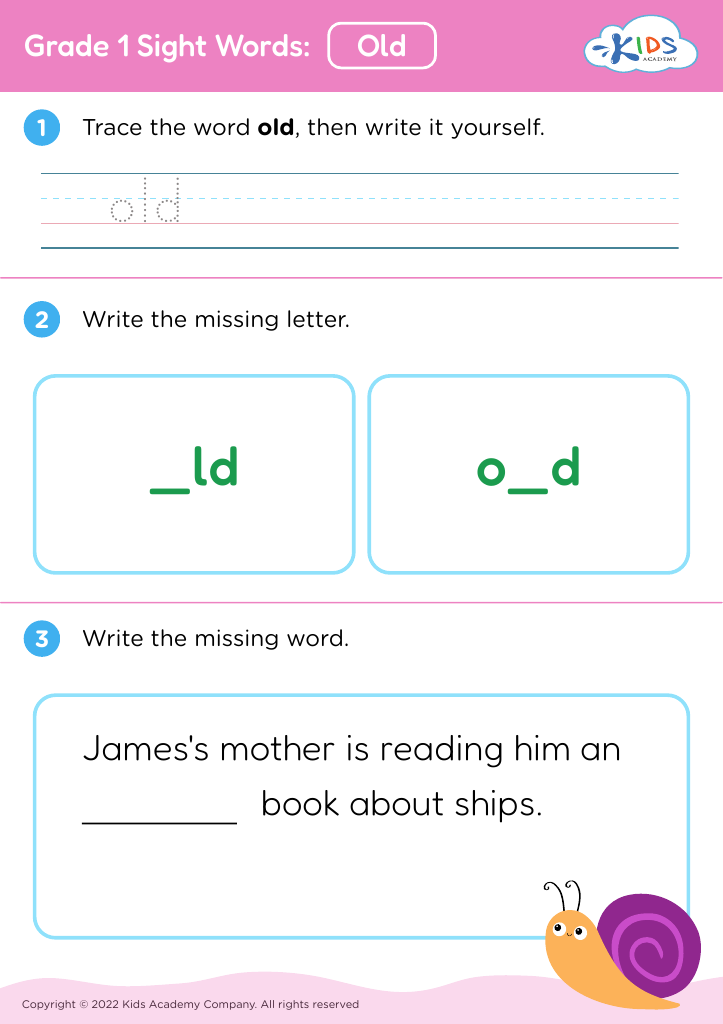
Grade 1 Sight Words: Old

Grade 1 Sight Words: Old

Grade 1 Sight Words: Old
Worksheet
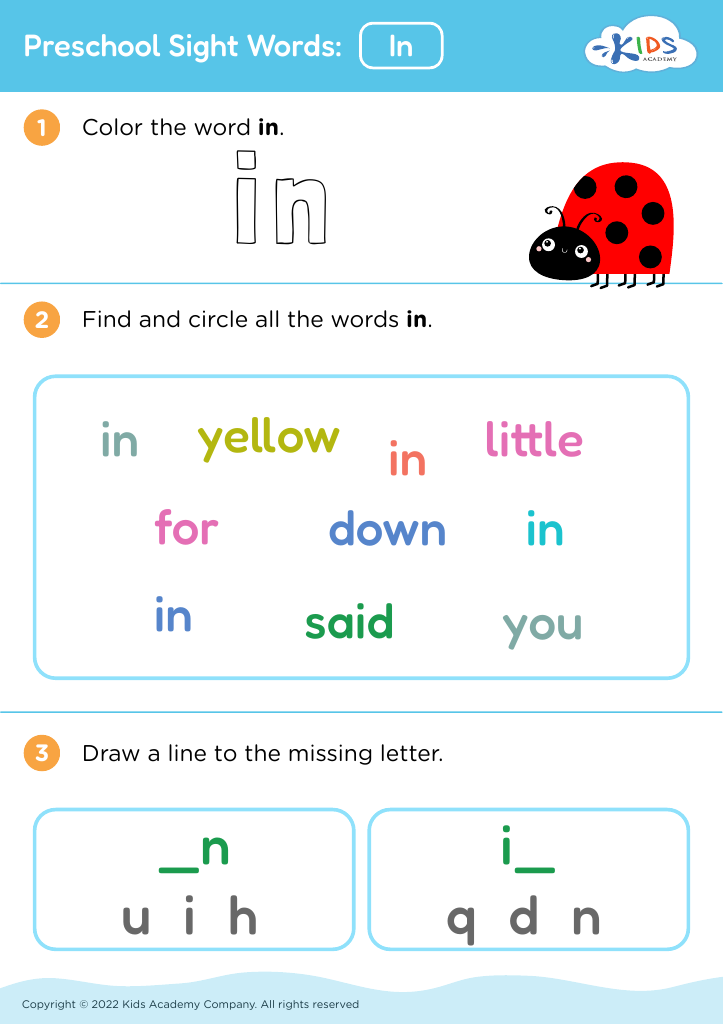
Preschool Sight Words: In

Preschool Sight Words: In

Preschool Sight Words: In
Worksheet
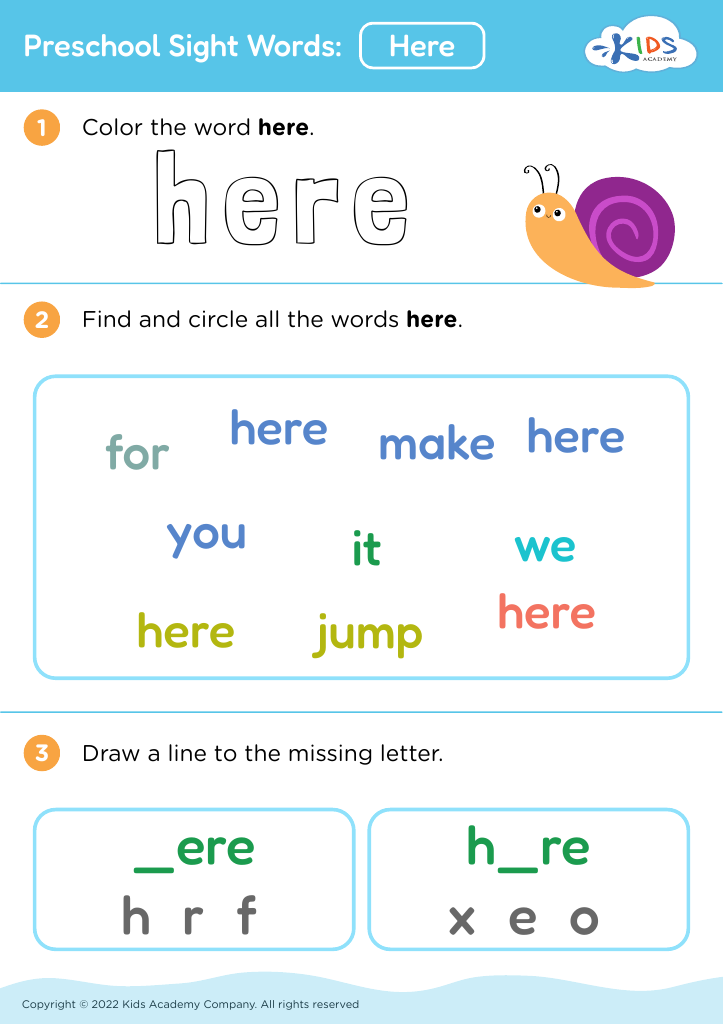
Preschool Sight Words: Here

Preschool Sight Words: Here

Preschool Sight Words: Here
Worksheet
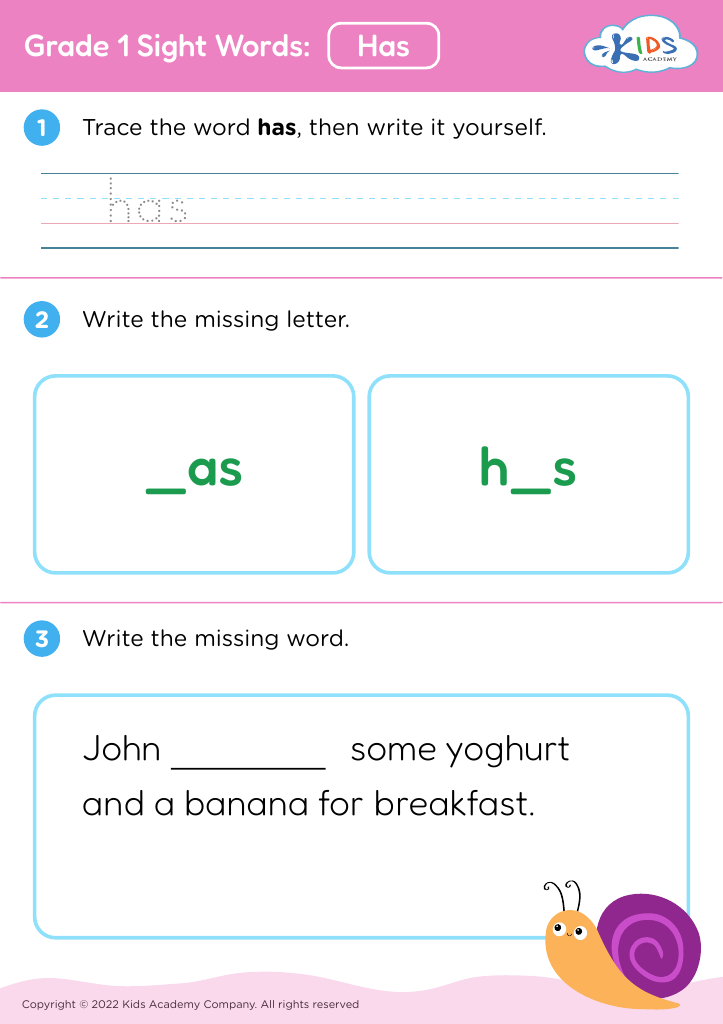
Grade 1 Sight Words: Has

Grade 1 Sight Words: Has

Grade 1 Sight Words: Has
Worksheet
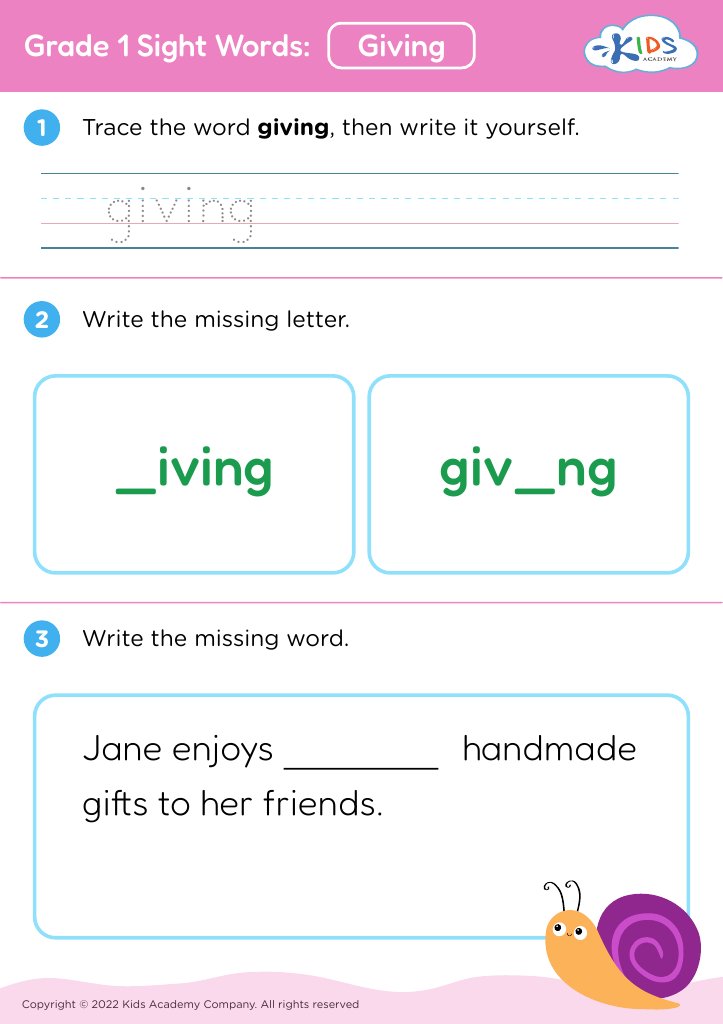
Grade 1 Sight Words: Giving

Grade 1 Sight Words: Giving

Grade 1 Sight Words: Giving
Worksheet
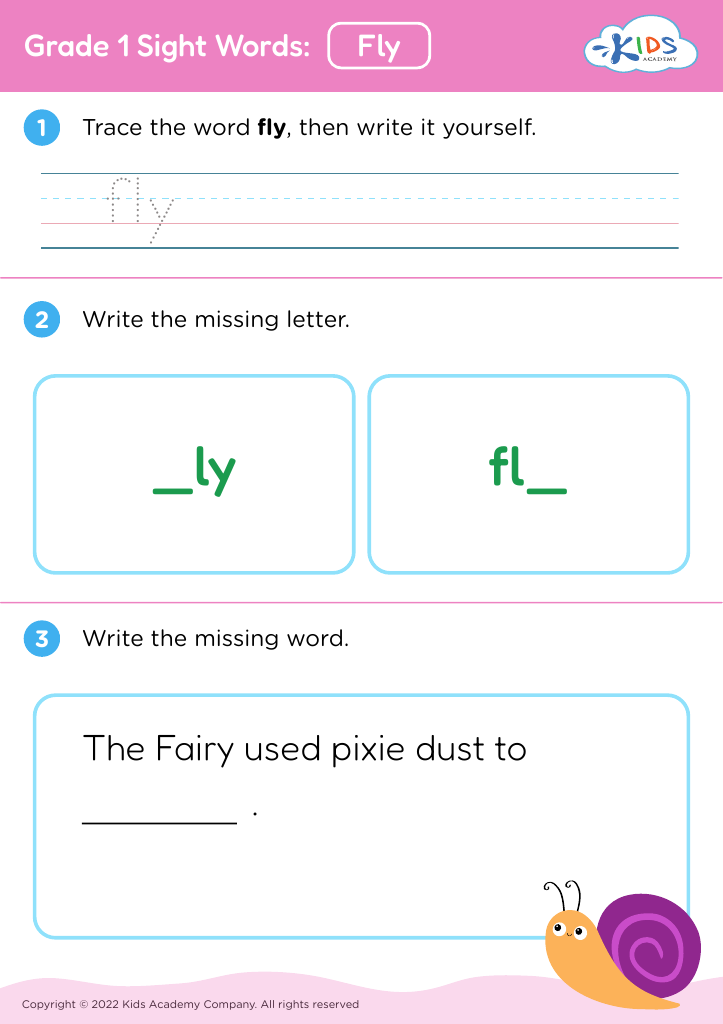
Grade 1 Sight Words: Fly

Grade 1 Sight Words: Fly

Grade 1 Sight Words: Fly
Worksheet
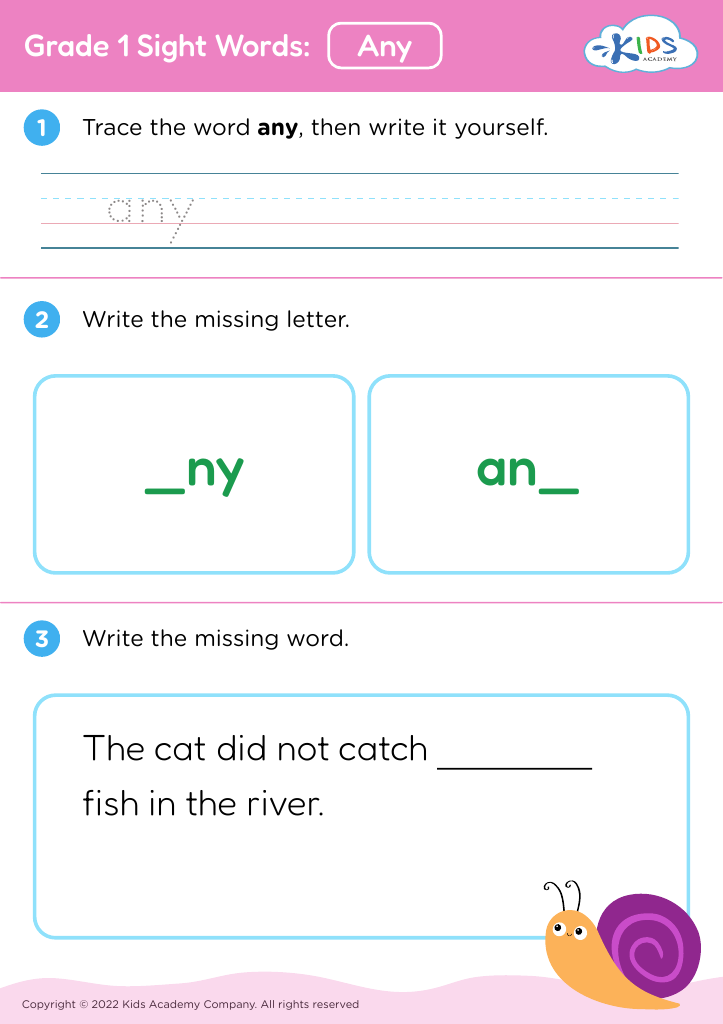
Grade 1 Sight Words: Any

Grade 1 Sight Words: Any

Grade 1 Sight Words: Any
Worksheet
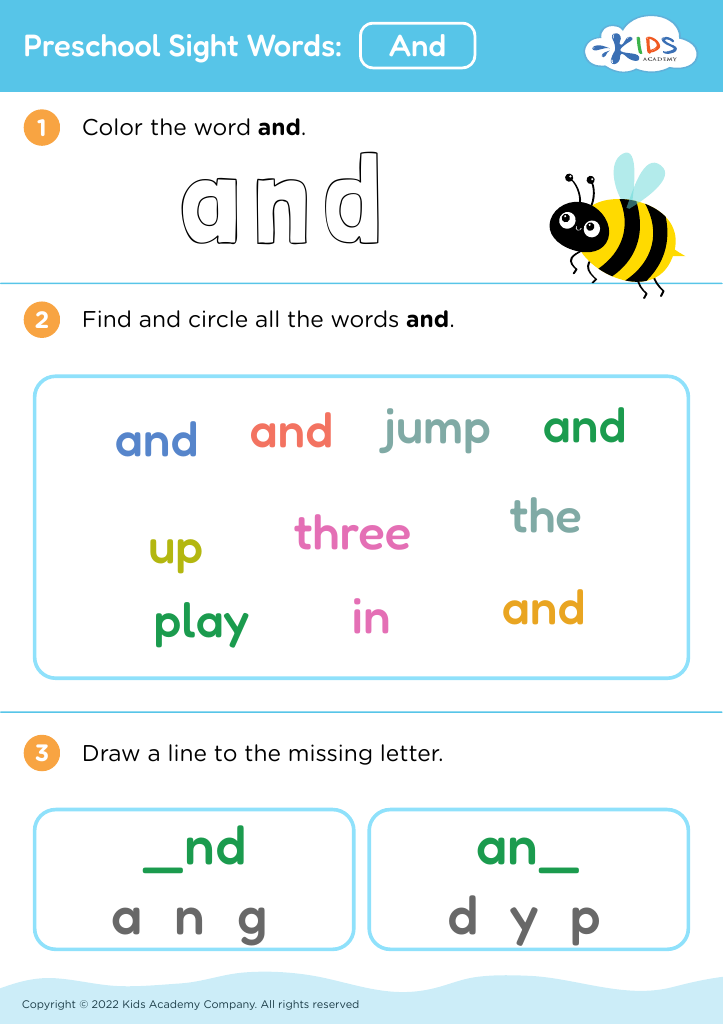
Preschool Sight Words: And

Preschool Sight Words: And

Preschool Sight Words: And
Worksheet
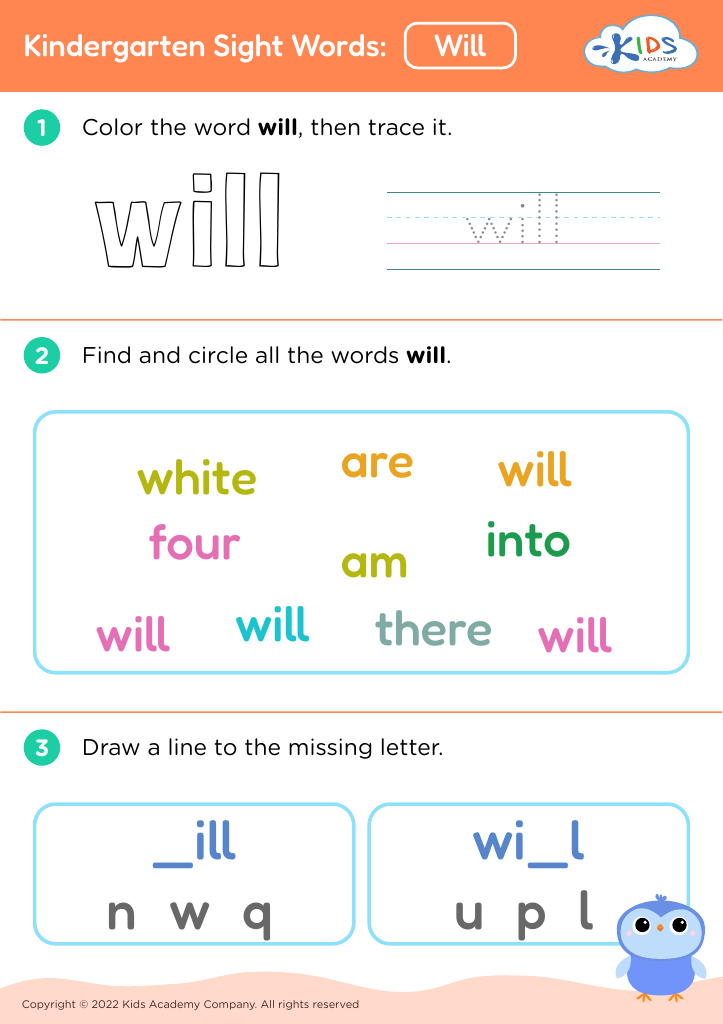
Kindergarten Sight Words: Will

Kindergarten Sight Words: Will

Kindergarten Sight Words: Will
Worksheet
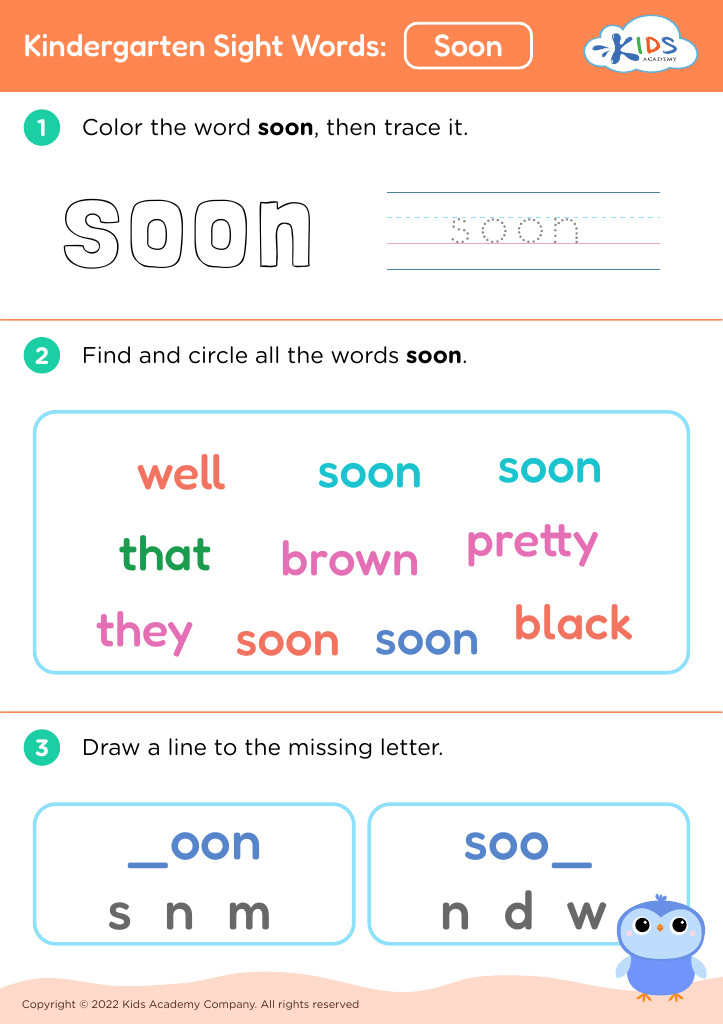
Kindergarten Sight Words: Soon

Kindergarten Sight Words: Soon

Kindergarten Sight Words: Soon
Worksheet
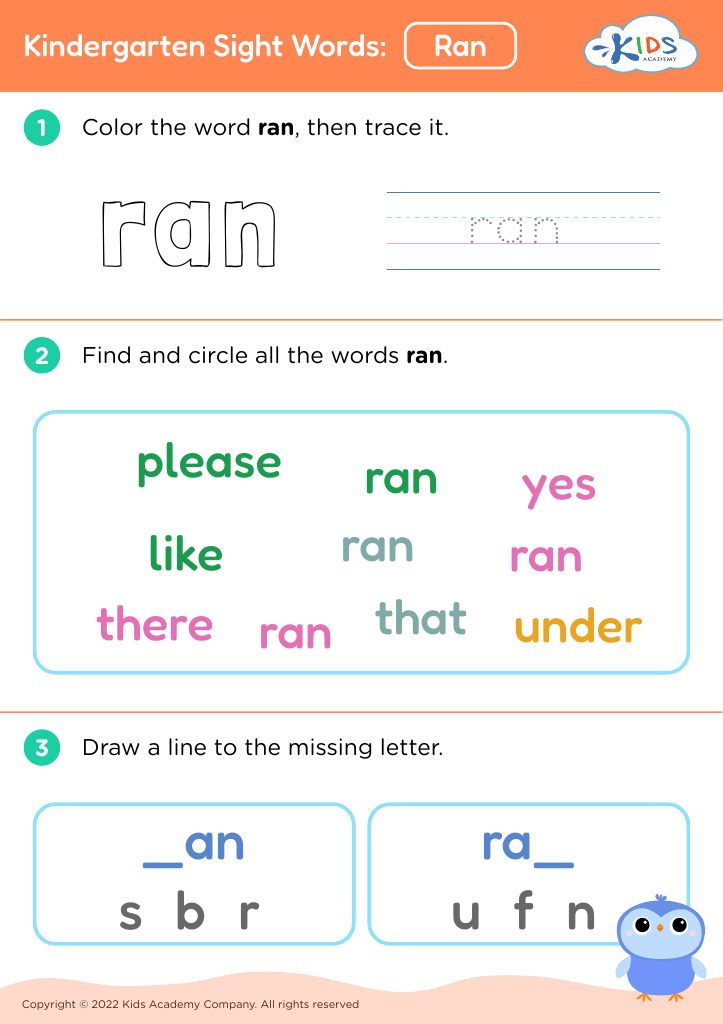
Kindergarten Sight Words: Ran

Kindergarten Sight Words: Ran

Kindergarten Sight Words: Ran
Worksheet
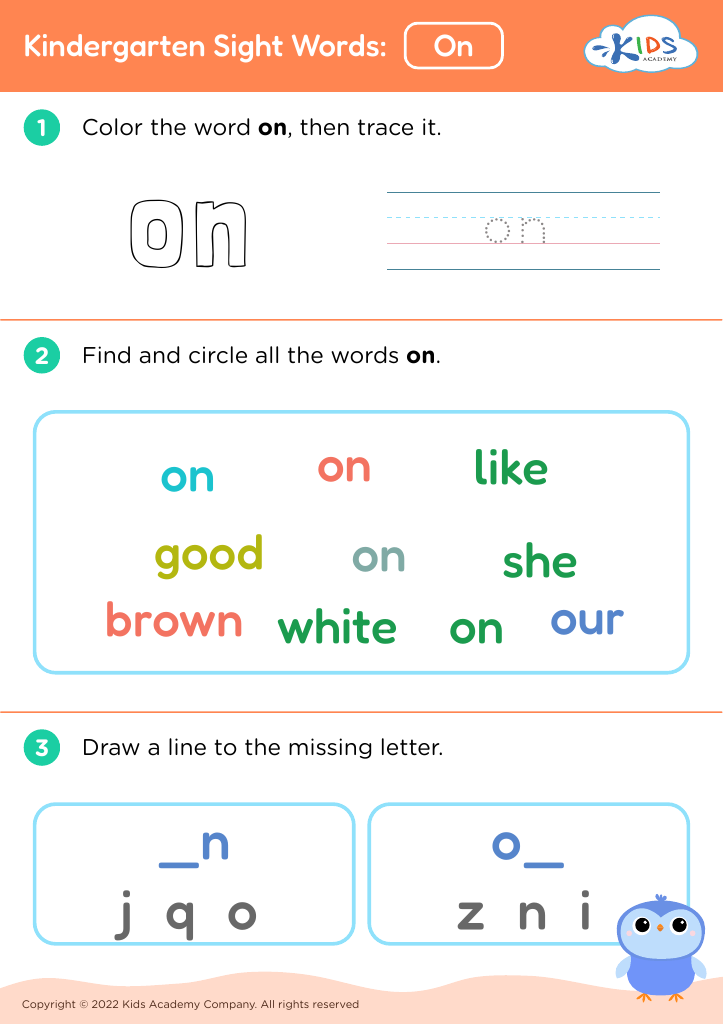
Kindergarten Sight Words: On

Kindergarten Sight Words: On

Kindergarten Sight Words: On
Worksheet
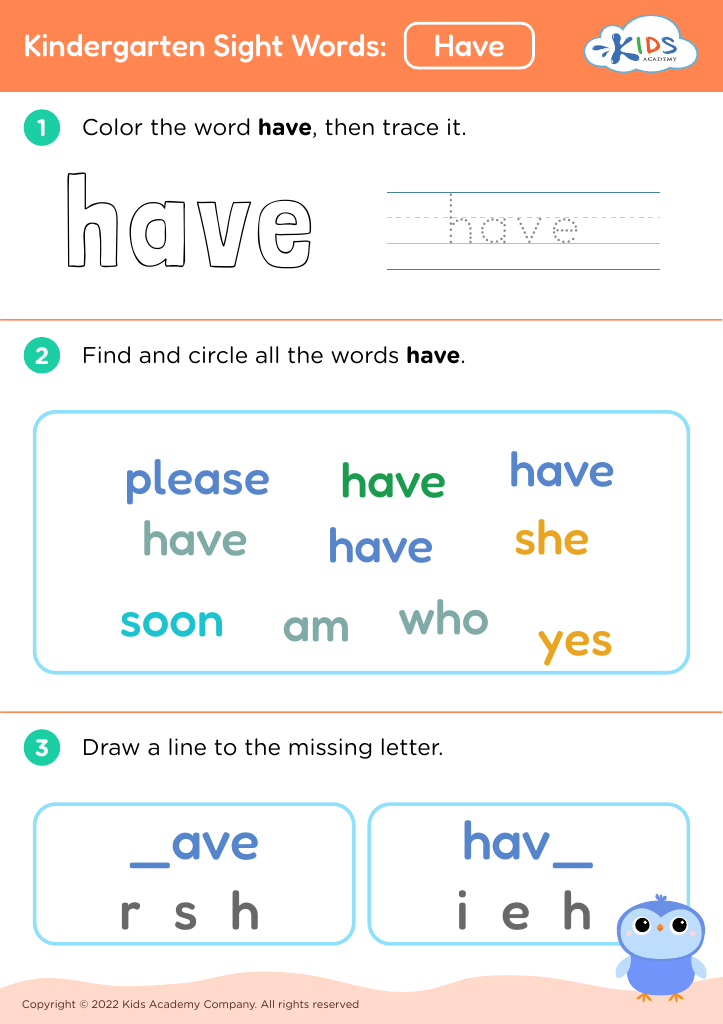
Kindergarten Sight Words: Have

Kindergarten Sight Words: Have

Kindergarten Sight Words: Have
Worksheet
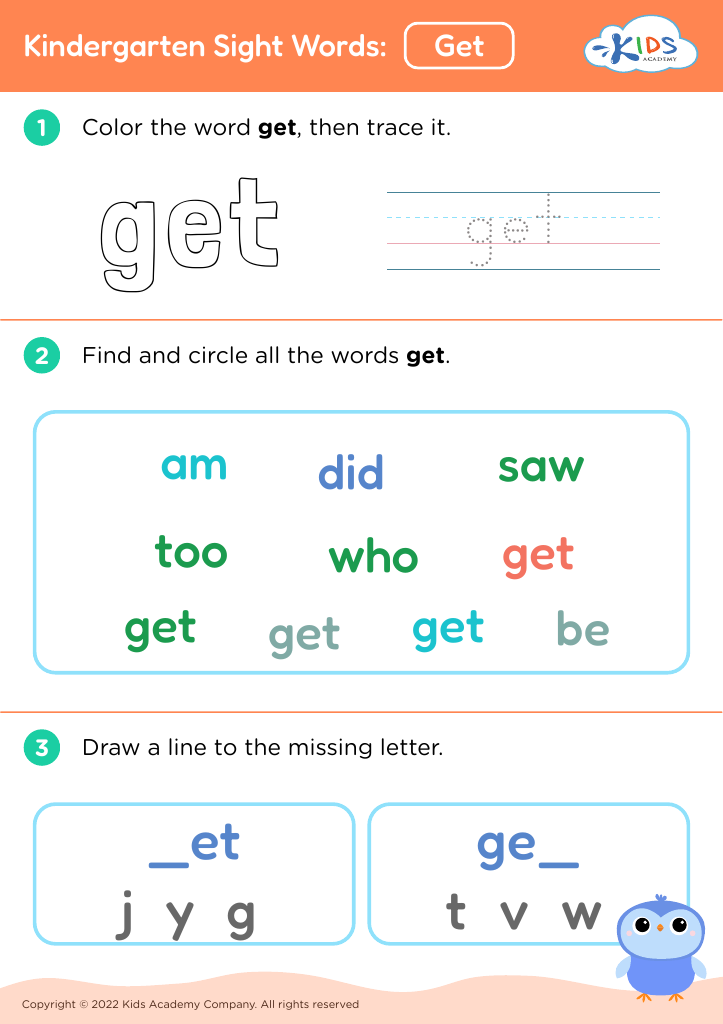
Kindergarten Sight Words: Get

Kindergarten Sight Words: Get

Kindergarten Sight Words: Get
Worksheet
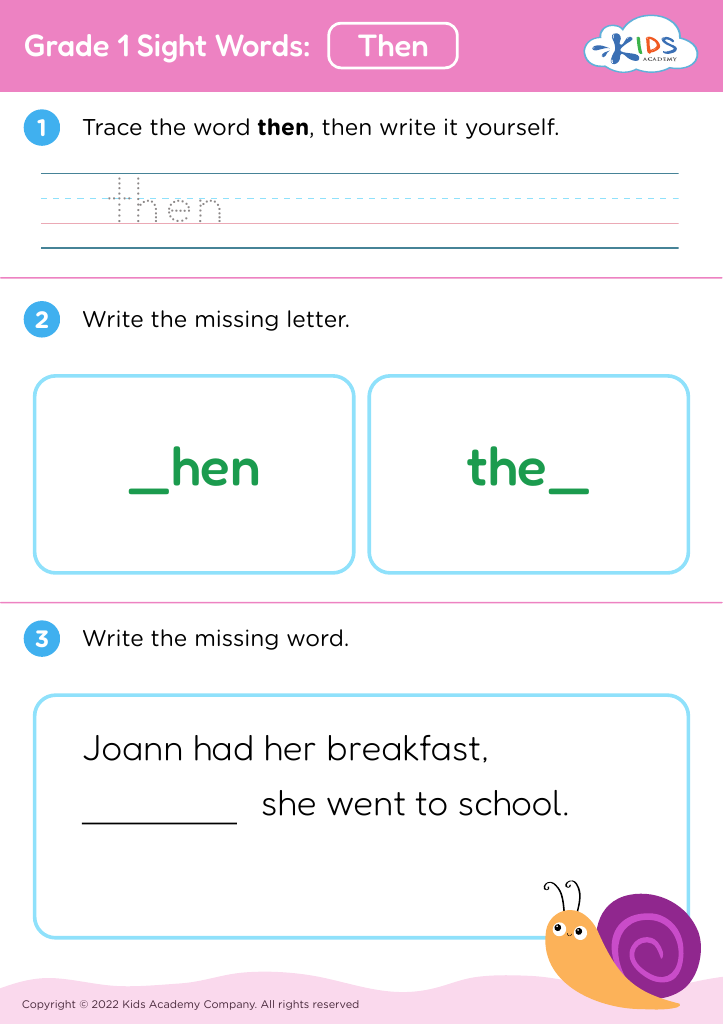
Grade 1 Sight Words: Then

Grade 1 Sight Words: Then

Grade 1 Sight Words: Then
Worksheet
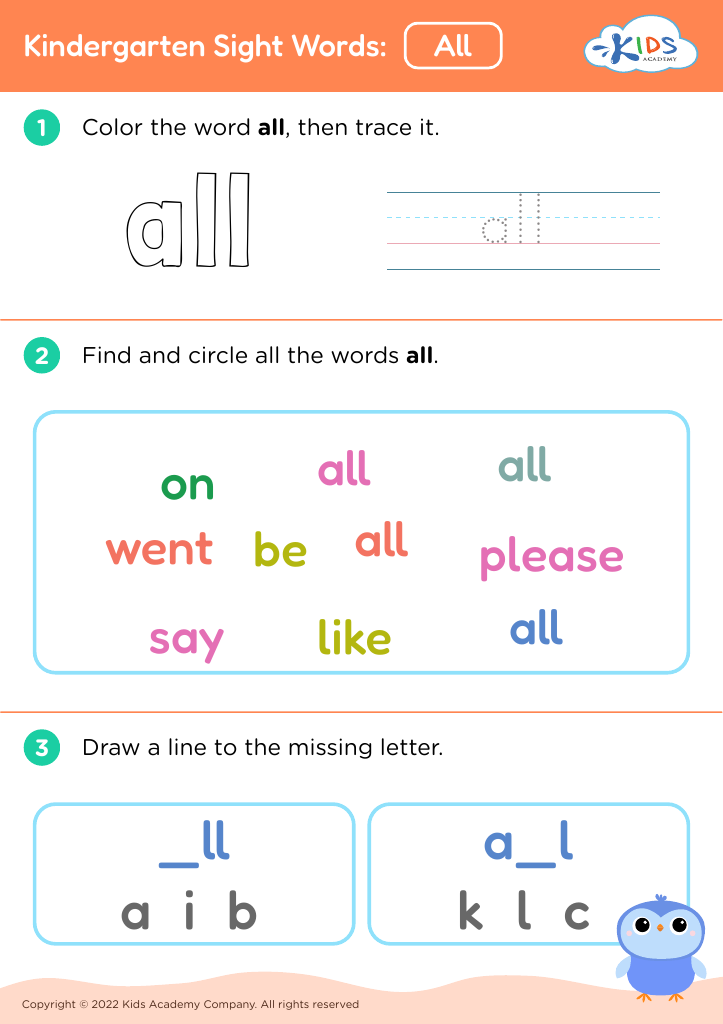
Kindergarten Sight Words: All

Kindergarten Sight Words: All

Kindergarten Sight Words: All
Worksheet


Parents and teachers play a crucial role in early childhood education, particularly in foundational math concepts like comparing fractions. For children aged 4-6, developing a strong vocabulary around fractions not only enhances their understanding of mathematical concepts but also builds their confidence. When children learn terms like "greater than," "less than," and "equal," they begin to construct a mental framework for understanding relationships between parts and wholes.

Focusing on comparing fractions at a young age helps children cultivate critical thinking skills and number sense. This foundational knowledge supports later math learning, paving the way for more complex operations. Furthermore, engaging in discussions about fractions encourages language development as children articulate their reasoning and understanding.

Moreover, incorporating fun activities, such as using visual aids or everyday objects like slices of fruit, makes the learning process enjoyable. When parents and teachers prioritize vocabulary building in comparing fractions, they foster a positive learning environment. This not only aids in comprehension but also ignites a passion for learning math in general. Ultimately, having a strong foundational understanding of fractions supports lifelong mathematical skills and empowers children to tackle challenges with confidence.