Enhance comprehension Building Vocabulary Worksheets for Ages 4-6
4 filtered results
-
From - To
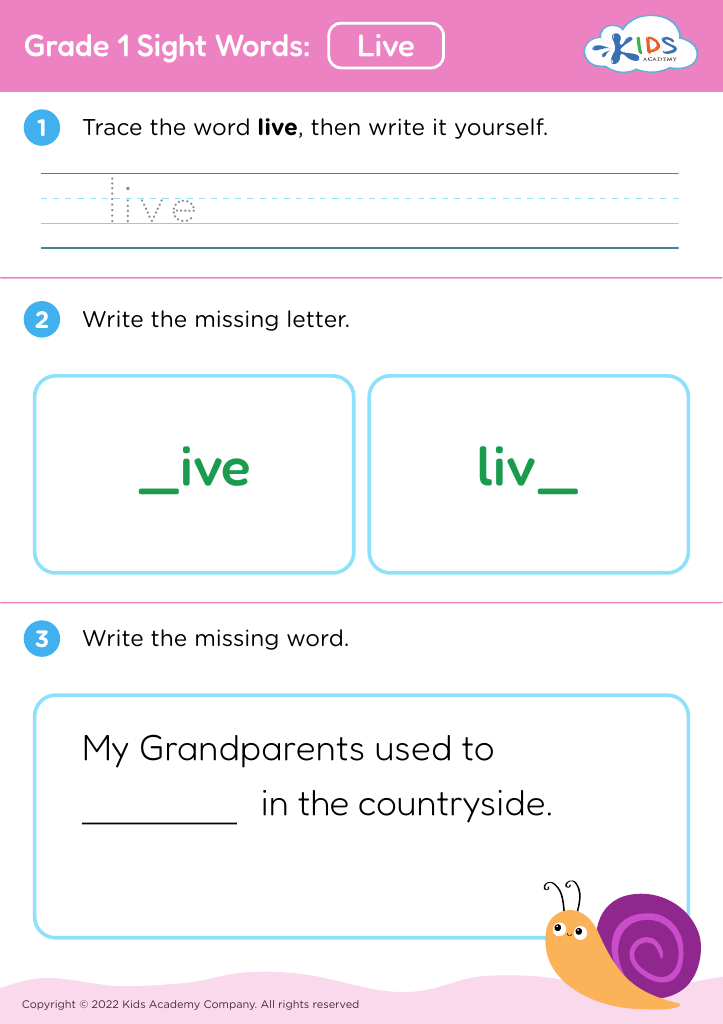
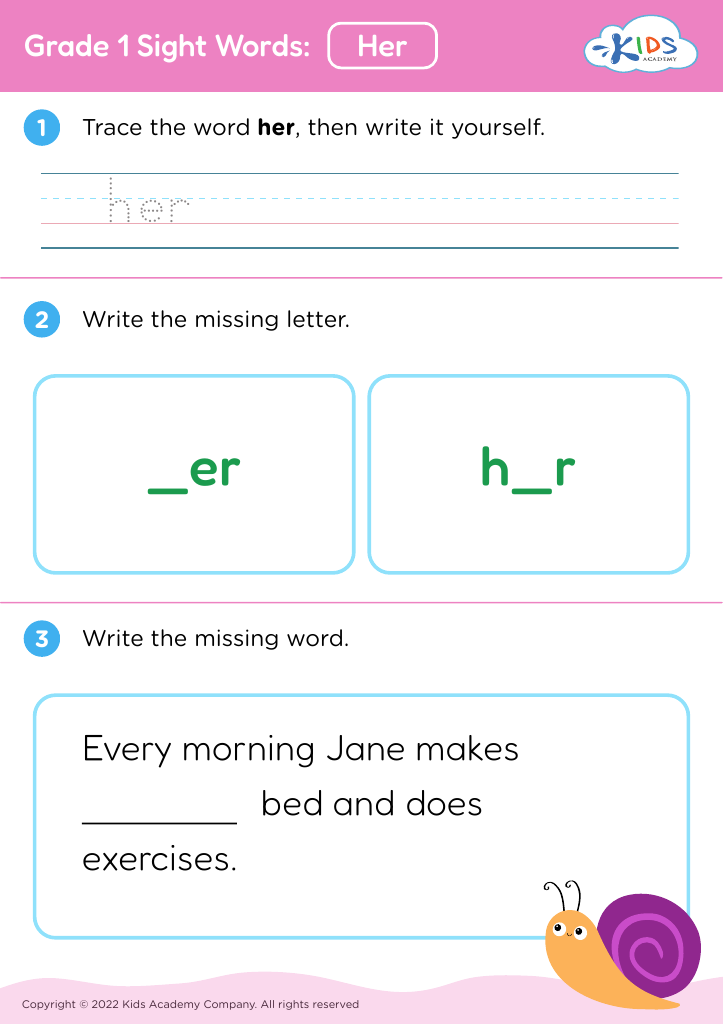
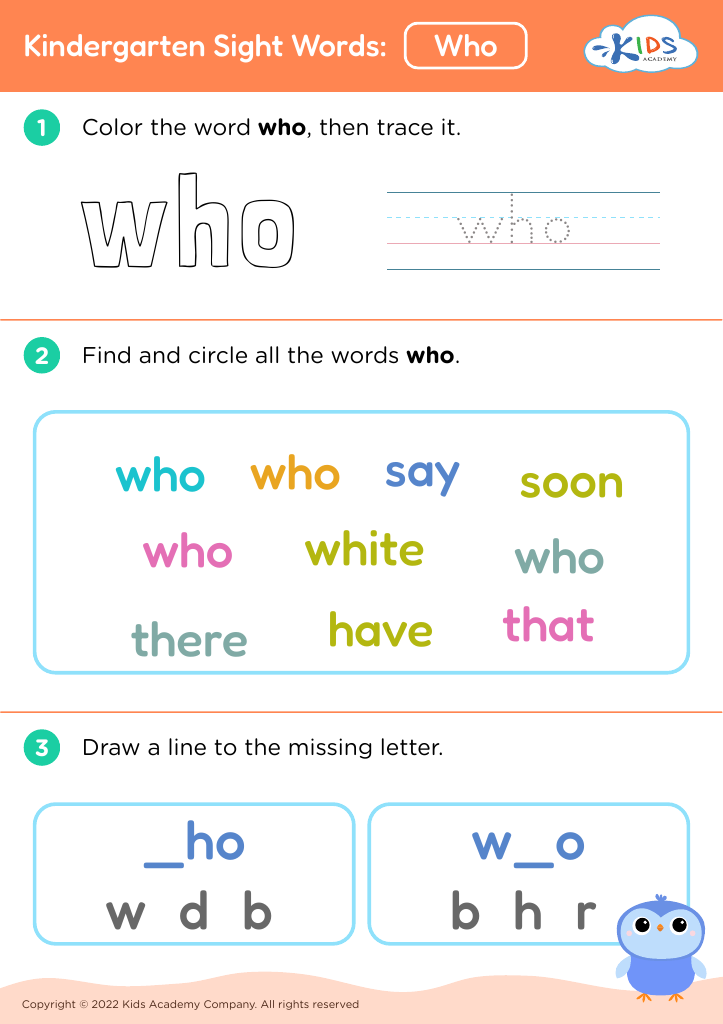
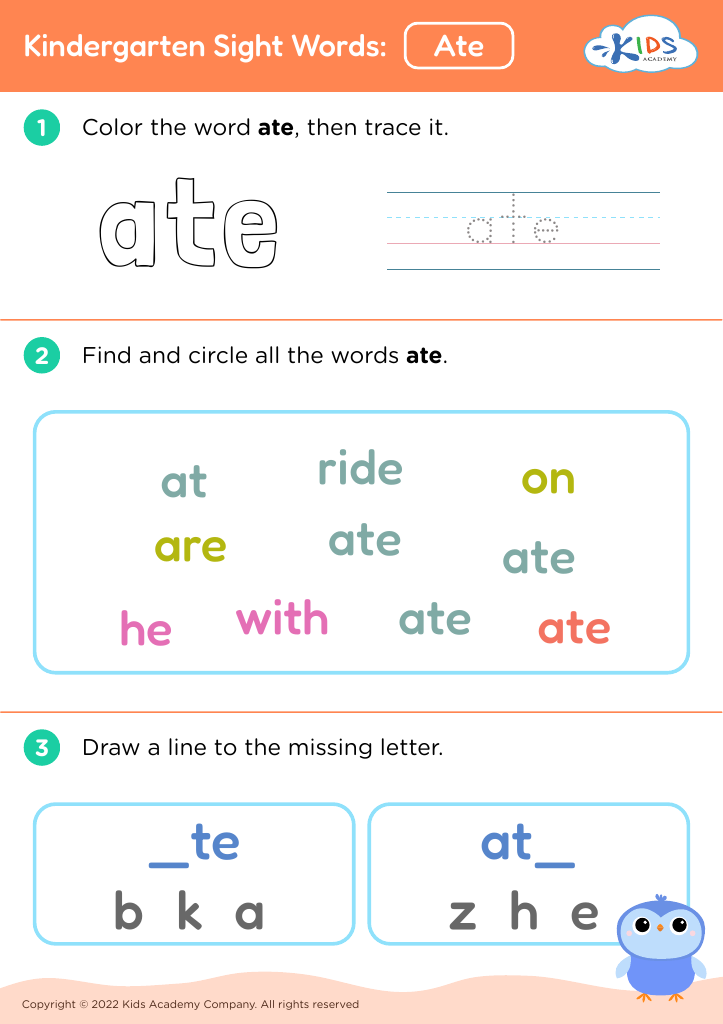
Our "Enhance Comprehension: Building Vocabulary Worksheets for Ages 4-6" are designed to ignite a love for reading and expand young minds. These engaging activities focus on increasing word knowledge, which is fundamental to understanding and enjoying texts. Tailored for kindergarten and early elementary levels, our worksheets make learning new words fun and interactive through colorful images, matching exercises, and storytelling prompts. Help your child boost their reading comprehension and language skills today with activities that capture their curiosity and enthusiasm. Visit Kids Academy and find the perfect resources to support your child’s educational journey.



















Building vocabulary and enhancing comprehension in children aged 4-6 is foundational for their educational success and overall cognitive development. This age range is a critical period for language acquisition, as children's brains are incredibly receptive to learning new words and concepts. A robust vocabulary not only improves communication skills but also enhances reading comprehension, which is essential for academic progress.
Developing a strong vocabulary provides the bedrock upon which all other literacy skills can be built. When children understand individual words, they can more easily grasp the meaning of entire sentences and stories, leading to better comprehension. This improved understanding fosters a love for reading and learning, which can enrich a child's educational experience.
Moreover, vocabulary acquisition and comprehension are closely linked to cognitive skills such as memory, attention, and critical thinking. Children with a rich vocabulary can better express their thoughts and questions, leading to more effective learning and problem-solving abilities. Additionally, well-developed language skills are important for social interactions and emotional development, enabling children to articulate their feelings and understand those of others.
In conclusion, investing time in building vocabulary and comprehension for young children lays a strong foundation for their future academic achievements and personal growth. Parents and teachers play a crucial role in this developmental stage, and their efforts can yield lifelong benefits.








