Fraction comparison Building Vocabulary Worksheets for Ages 4-6
9 filtered results
-
From - To
Enhance your child’s learning journey with our engaging Fraction Comparison Building Vocabulary Worksheets, designed for ages 4-6! These worksheets provide a fun and interactive way to help young learners grasp the concept of fractions while improving their vocabulary. Each activity encourages critical thinking and promotes understanding of how to compare different fractions, making it easier for children to visualize and comprehend mathematical relationships. Our colorful and age-appropriate worksheets are perfect for at-home learning or classroom use. Foster your child’s mathematical confidence and vocabulary skills today with these thoughtfully crafted resources that make learning fractions enjoyable and accessible!
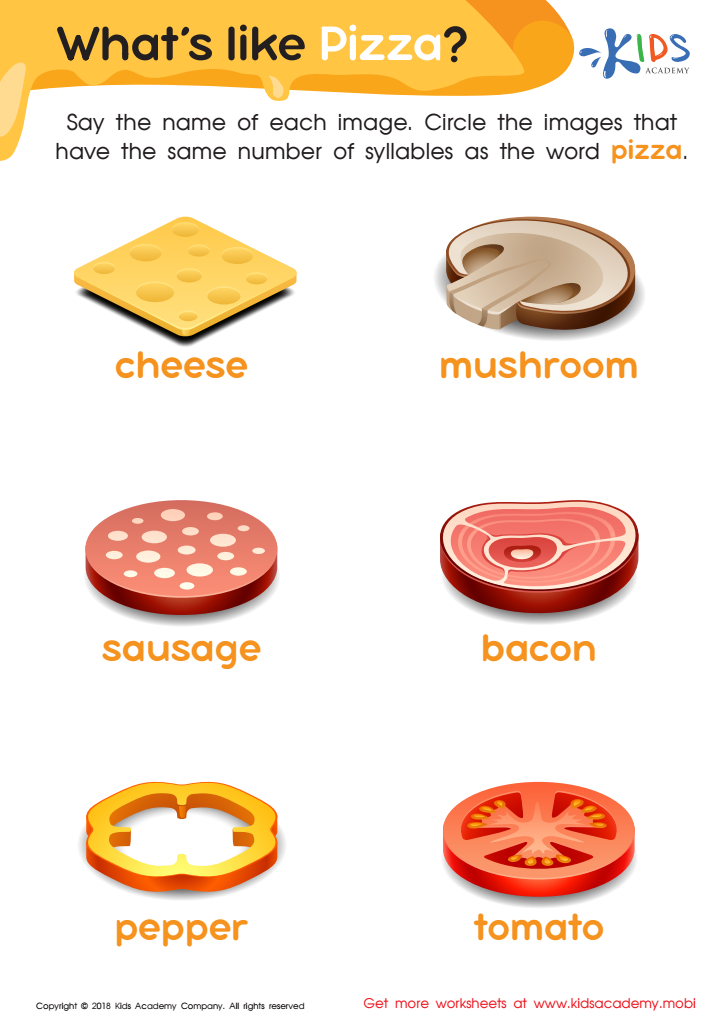
What's Like Pizza? Worksheet
 Assign to My Students











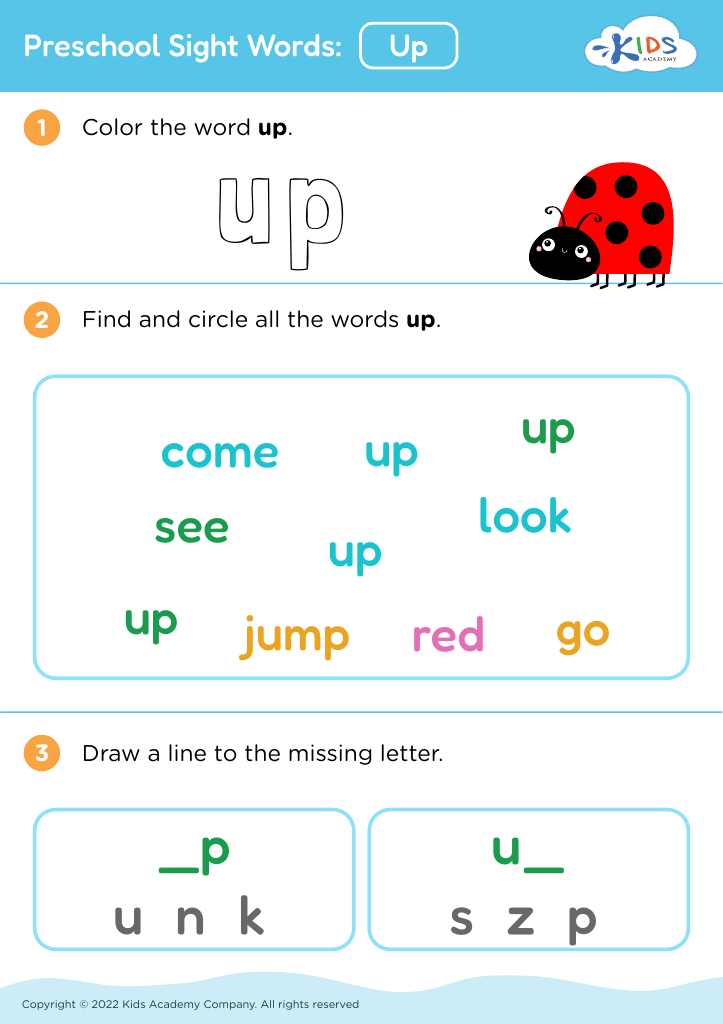
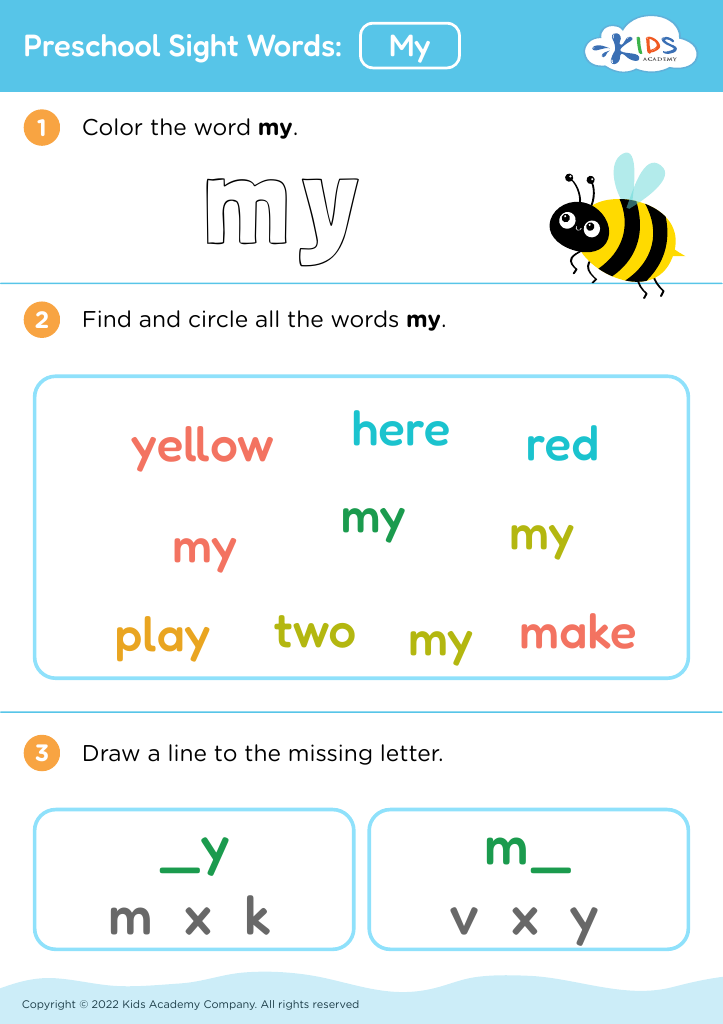
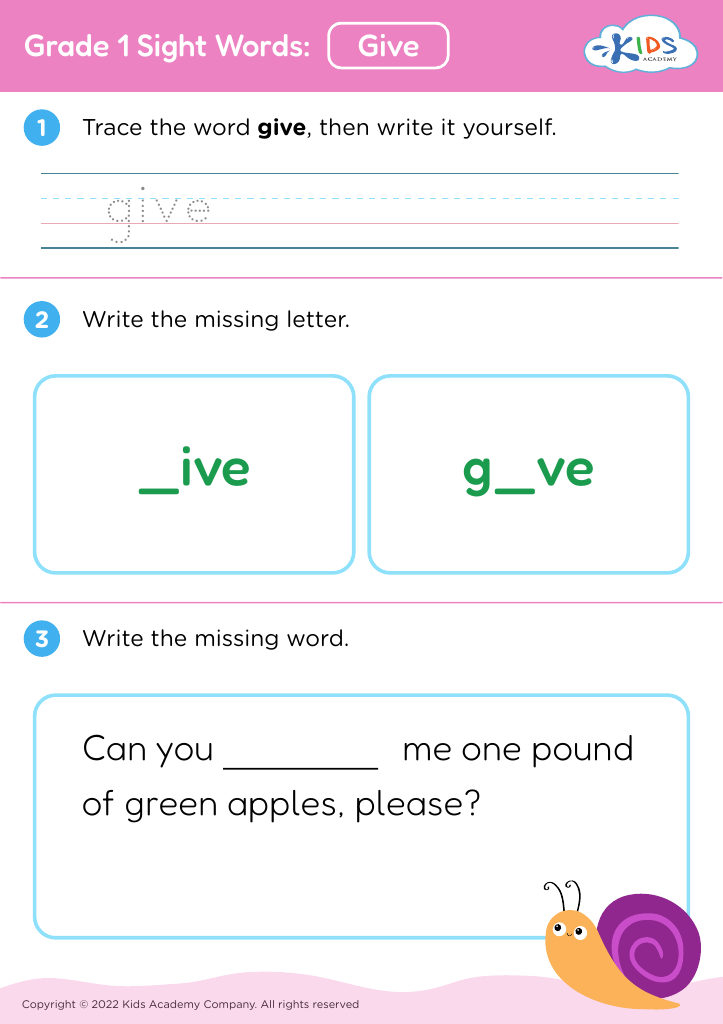








Teaching young children about fraction comparisons is crucial for their cognitive development, mathematical understanding, and vocabulary building. For children ages 4-6, grasping the concept of fractions lays the groundwork for future mathematical learning. Understanding how to compare fractions encourages critical thinking, problem-solving skills, and analytical reasoning, which are essential competencies in early education.
Focusing on vocabulary associated with fractions—such as "whole," "equal," "half," "more," and "less"—helps children communicate their understanding and reasoning effectively. Vocabulary serves as a crucial tool they will use for expressing mathematical concepts. This enriching language environment allows kids to articulate their thoughts, ask questions, and engage in discussions about mathematical ideas.
Furthermore, using relatable, age-appropriate materials—like pizza slices or fruit pieces—makes these concepts more tangible. These lessons encourage social interaction, enhancing collaboration among peers.
Lastly, parents and teachers should care about building a solid foundational understanding of fractions because such early literacy in math will boost children’s confidence. Fostering an engaging and supportive learning atmosphere helps to instill a long-lasting appreciation of mathematics as they grow. This foundational learning experience not only aids in their academic journey but also prepares them for real-world scenarios where comparing quantities and values is essential.








