
Fraction simplification Building Vocabulary Worksheets for Ages 4-6
7 filtered results
Difficulty Level
Grade
Age
-
From - To
Subject
Activity
Standards
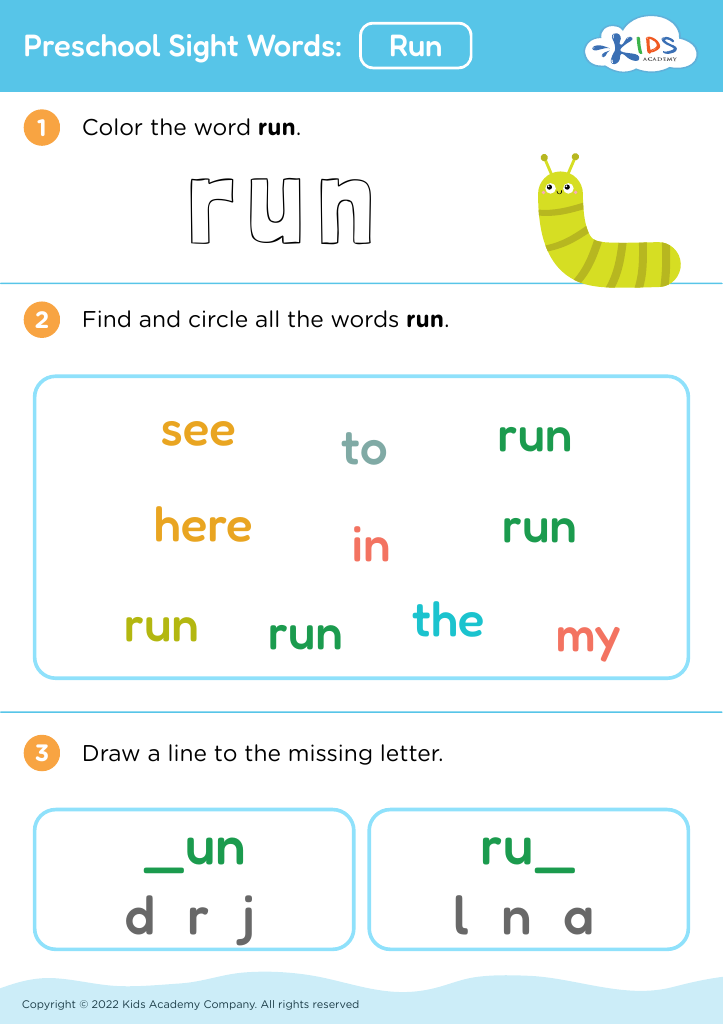
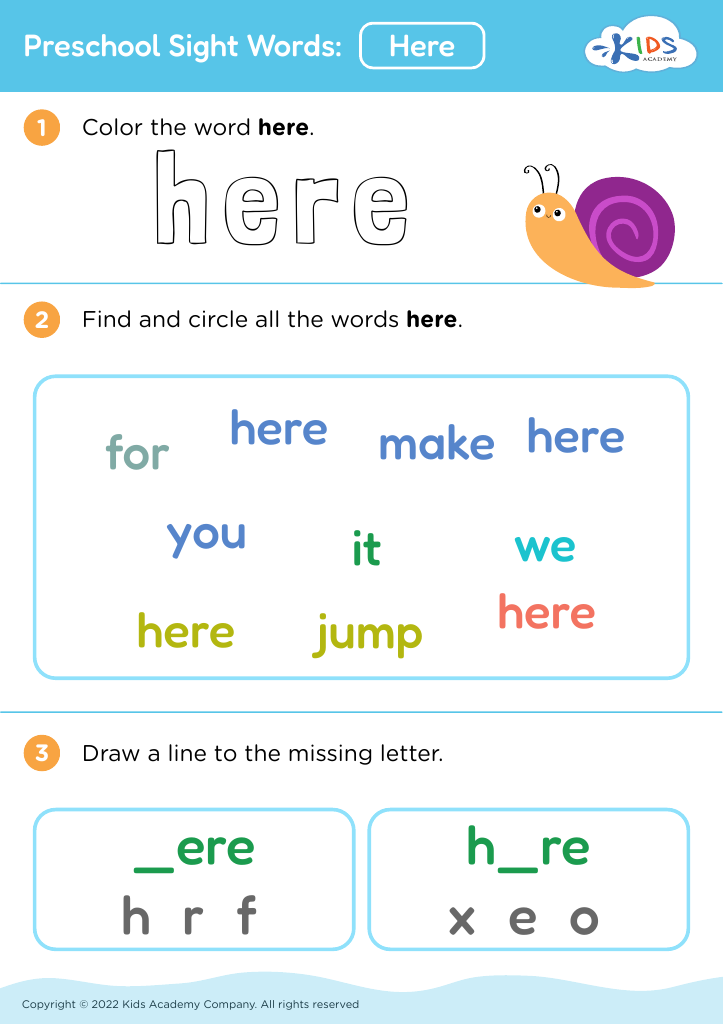
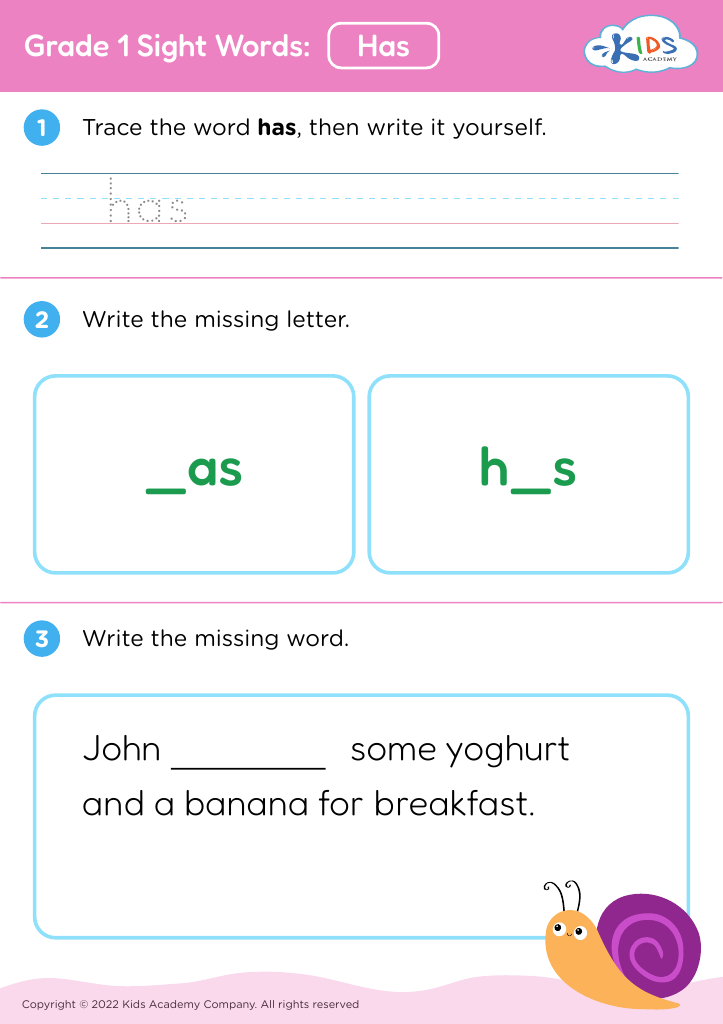
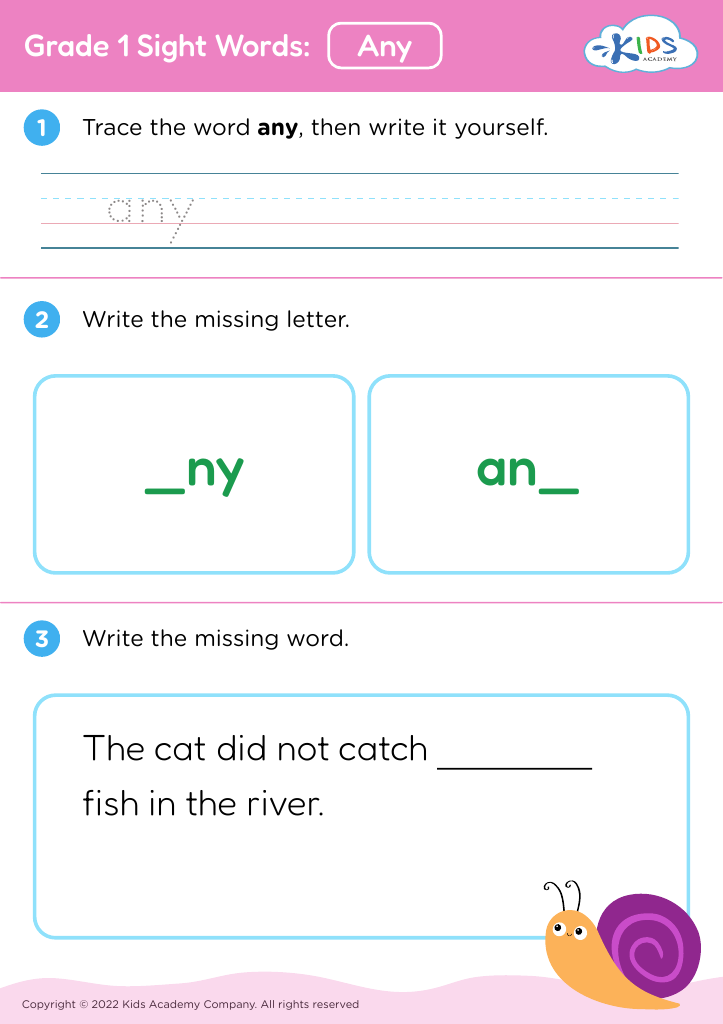
Empower young learners with our engaging Fraction Simplification Building Vocabulary Worksheets, designed specifically for ages 4-6! These interactive worksheets introduce foundational concepts of fractions while enhancing vocabulary skills. Encourage children to explore fraction relationships through fun activities, interactive puzzles, and colorful illustrations that make learning enjoyable. With a focus on simplicity and clarity, students will build confidence as they grasp fundamental fraction concepts. Ideal for early education settings or at-home learning, these worksheets offer a perfect blend of math and language development. Support your little ones on their educational journey with resources that nurture both critical thinking and vocabulary growth!
Favorites
With answer key
Interactive











Join Kids Academy for Free
Who is primarily going to use this learning content?








For children aged 4-6, building vocabulary around concepts like fraction simplification is crucial for their cognitive and mathematical development. Parents and teachers should care about this foundational skill because it enhances children's ability to understand quantity and proportion, which are essential elements in early mathematics.
Understanding fractions and related vocabulary, such as "whole," "part," "equal," and "simplify," helps children make sense of how numbers work together. It introduces them to the concept of relationships between quantities, setting the stage for more complex mathematical concepts in later years. By incorporating fraction simplification into their vocabulary, educators can create an engaging learning environment where young learners explore measurement and comparison through hands-on activities.
Moreover, increasing vocabulary in this context fosters critical thinking skills as young learners begin to categorize, compare, and solve problems involving different fractions. When parents and teachers prioritize this skill, they empower children to articulate their thought processes and develop a strong mathematical foundation. This solid groundwork not only enhances current understanding but also instills confidence in their ability to tackle more advanced math concepts in the future. In short, investing in vocabulary-building around fraction simplification greatly enriches early learners’ educational journey.








