Improving math skills Building Vocabulary Worksheets for Ages 4-6
3 filtered results
-
From - To
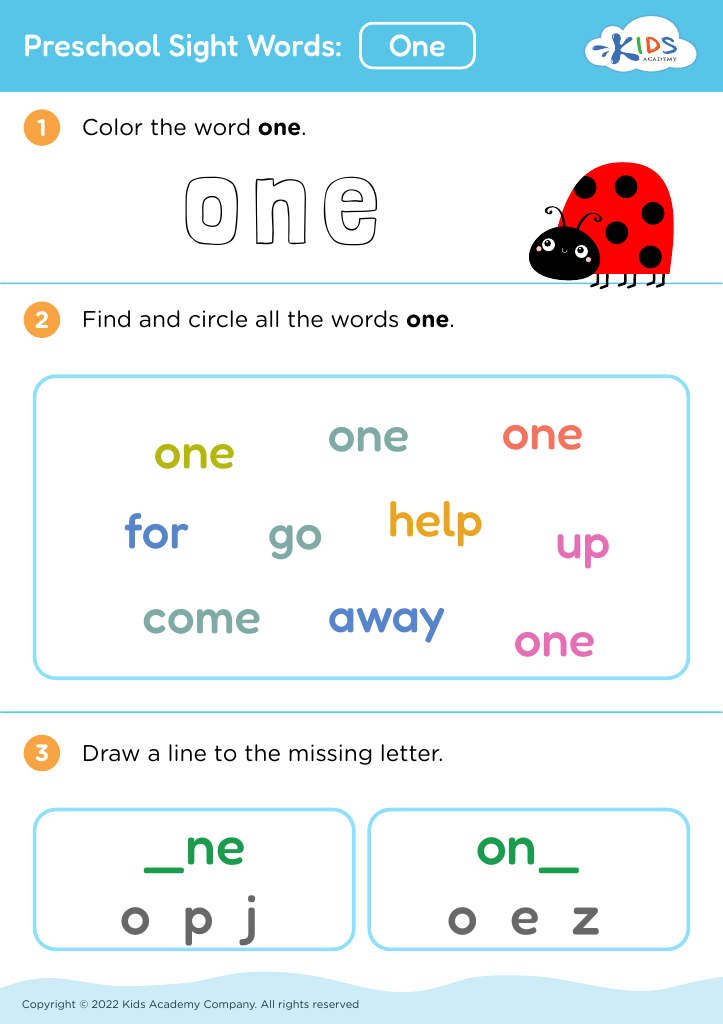
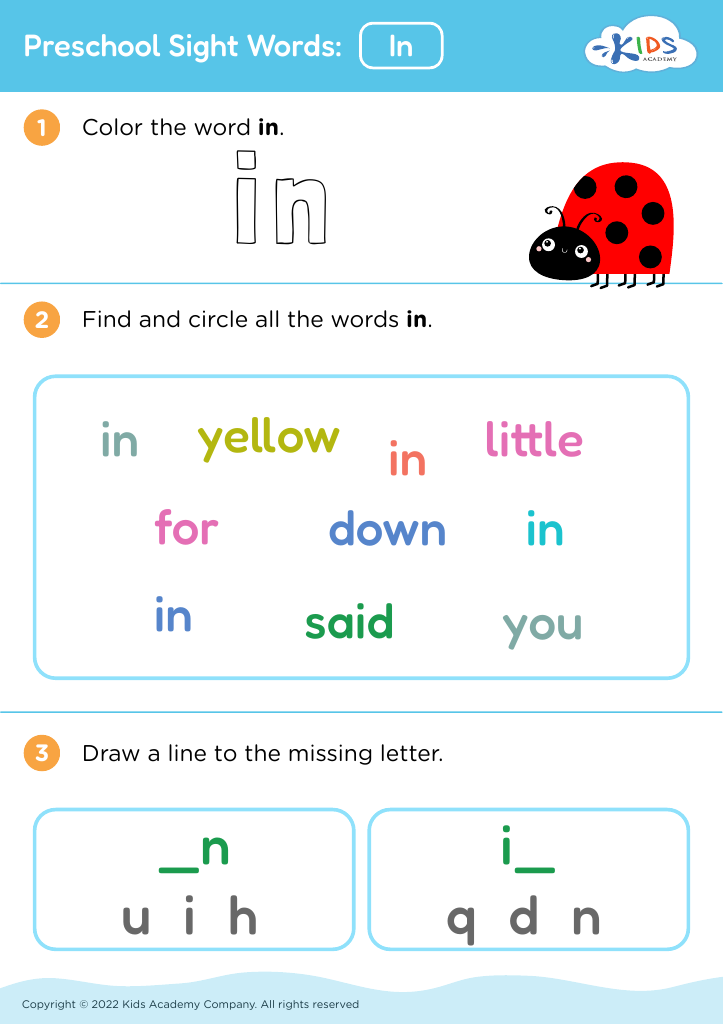
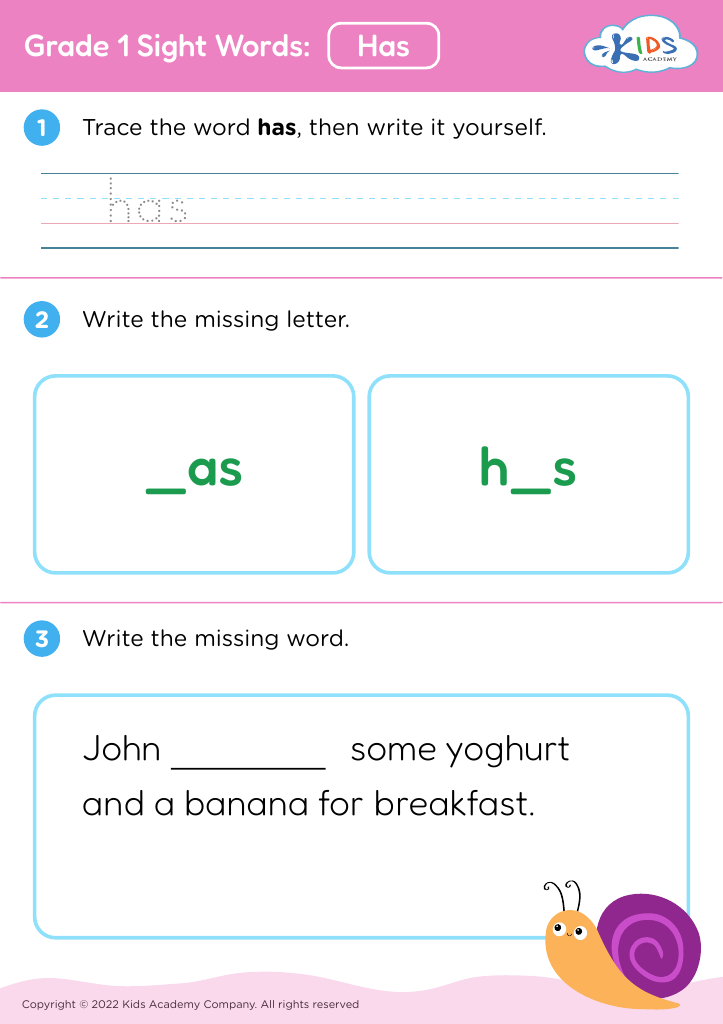
Discover our "Improving Math Skills Building Vocabulary Worksheets" designed specifically for young learners aged 4-6. These engaging worksheets combine essential math concepts with vocabulary-building activities to enhance children’s comprehension and fluency. Each worksheet is carefully crafted to spark curiosity, making mathematics fun and accessible. Children will explore foundational math skills such as counting, addition, and shape recognition while expanding their vocabulary related to numbers and measurements. Perfect for at-home practice or classroom use, our resources promote cognitive development and ensure early readers and math enthusiasts thrive. Download now to cultivate a love for learning in your child!


















.jpg)
Improving math skills and building vocabulary for children aged 4 to 6 is crucial for fostering a strong educational foundation. These early years are formative, as children develop cognitive abilities and critical thinking skills that will impact their future learning experiences.
Math skills at this age promote problem-solving and logical thinking. Introducing basic concepts like counting, shapes, and patterns not only reinforces numeracy but also enhances spatial awareness and reasoning skills. These foundational math skills are essential as children advance to more complex math tasks in later grades.
Simultaneously, building vocabulary is fundamental to language development and literacy. A robust vocabulary allows children to express themselves clearly, comprehend instructions, and engage in conversations. Encouraging language growth through storytelling, reading, and interactive play helps children develop their communication skills, leading to better performance in all subjects.
Moreover, integrating math and vocabulary activities can enhance learning by making connections between concepts. For instance, describing shapes while counting them combines math with language use. This dual focus should be prioritized by parents and teachers, as it promotes holistic development, better prepares children for academic challenges, and ultimately supports their overall growth and confidence. Investing in these skills now sets the stage for lifelong learning and success.








