Improving reading skills Building Vocabulary Worksheets for Ages 4-6
4 filtered results
-
From - To
Enhance your child's reading journey with our targeted Building Vocabulary Worksheets designed for ages 4-6. These interactive worksheets focus on improving reading skills by expanding their vocabulary through fun and engaging activities. Each exercise is carefully crafted to support early learners in recognizing sight words, understanding word meanings, and constructing sentences. By integrating visuals and repetition, our resources make learning enjoyable while fostering confidence and a love for reading. Perfect for parents and educators seeking high-quality, accessible tools to boost early literacy, these worksheets will lay a strong foundation for future academic success.
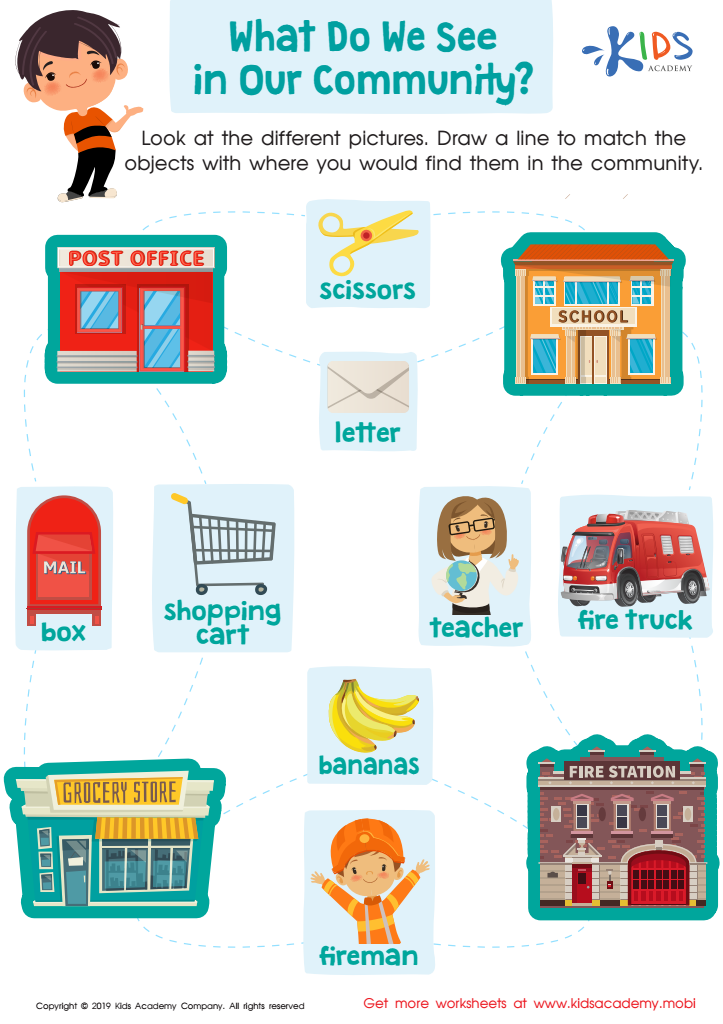
What Do We See in our Community? Worksheet
 Assign to My Students











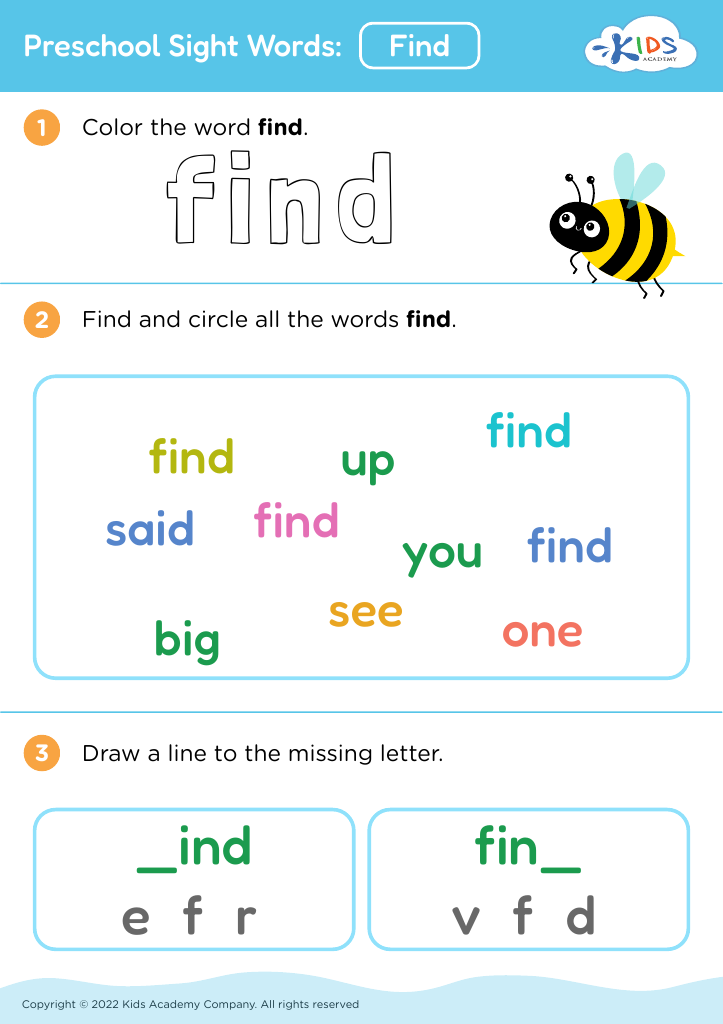
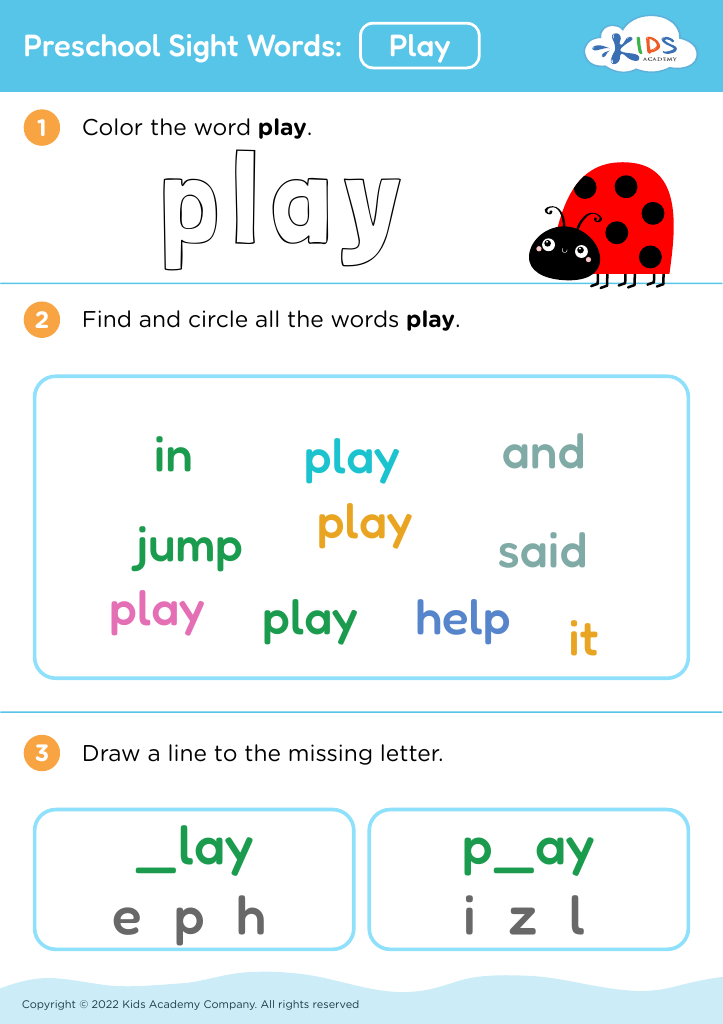
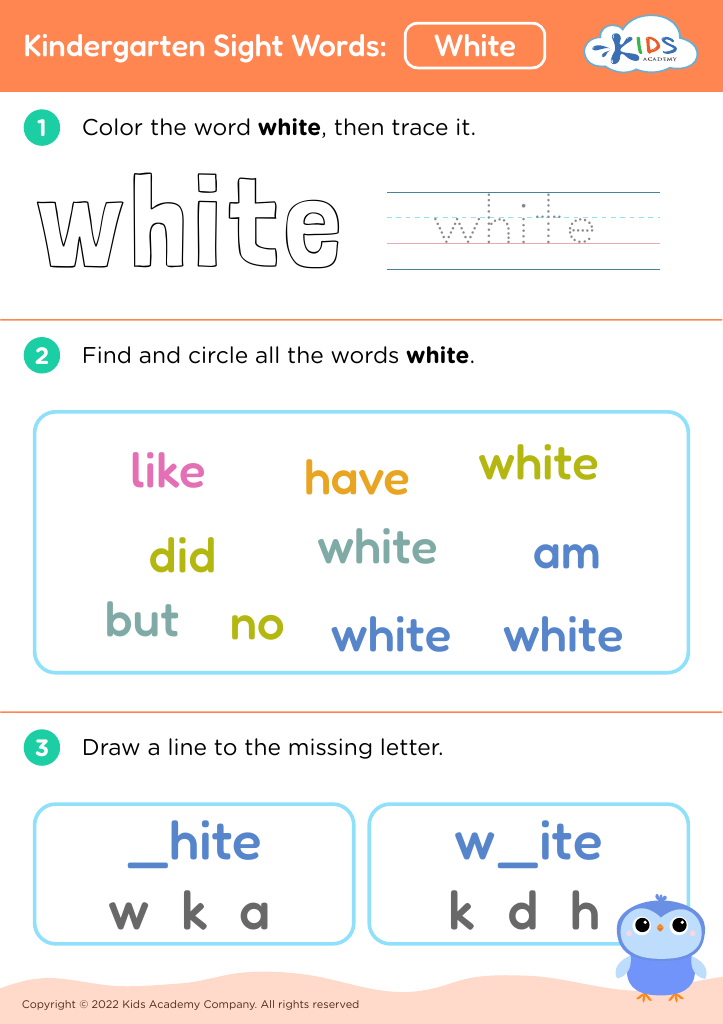








Parents and teachers should prioritize improving reading skills and building vocabulary for children aged 4-6 because these foundational years are critical for their overall academic and developmental success. At this age, children's brains are incredibly receptive and capable of absorbing new information rapidly. By fostering reading skills, children can develop their phonemic awareness, which is the ability to hear, identify, and manipulate individual sounds in spoken words—an essential skill for fluent reading.
Simultaneously, enriching a child's vocabulary enhances their ability to understand and use language effectively. A robust vocabulary not only aids communication but also improves reading comprehension, allowing children to make sense of and learn from what they read. This directly impacts their ability to succeed in all other subject areas, as reading is integral to acquiring knowledge in science, math, and social studies.
Furthermore, early exposure to books and language helps instill a love for reading, setting a foundation for lifelong learning and curiosity. Children with strong early reading skills can more easily build self-esteem and confidence in academic settings, reducing the likelihood of frustration and disengagement later on. Therefore, investing time and effort in developing reading skills and vocabulary at this young age can generate benefits that ripple throughout a child's entire educational journey and beyond.








