
Mathematical reasoning Building Vocabulary Worksheets for Ages 4-6
5 filtered results
Difficulty Level
Grade
Age
-
From - To
Subject
Activity
Standards
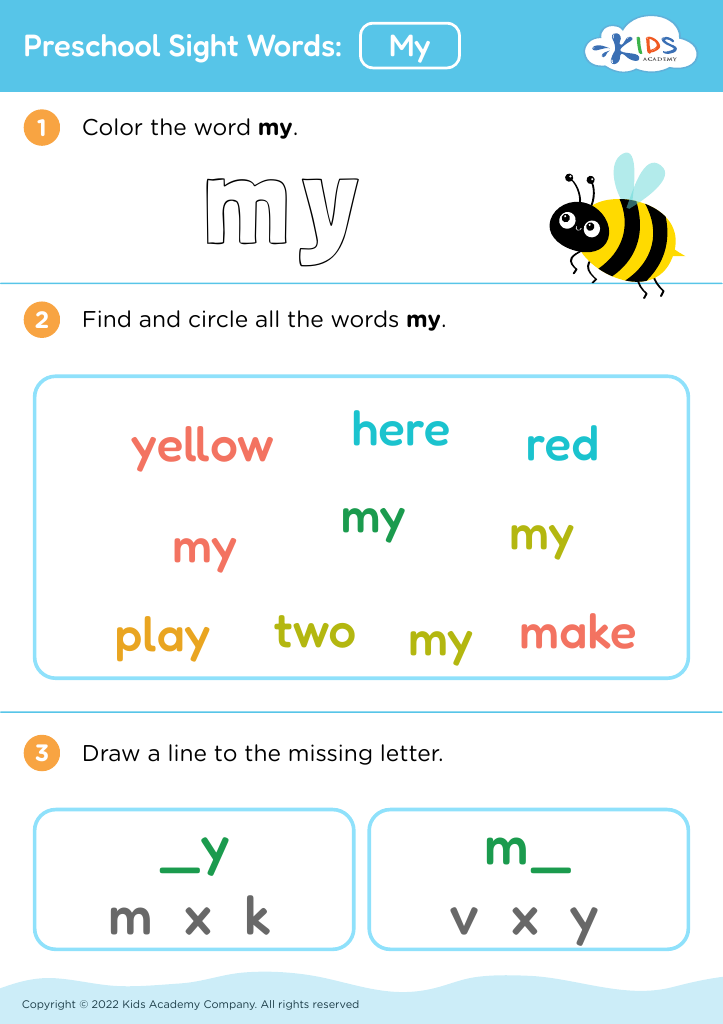
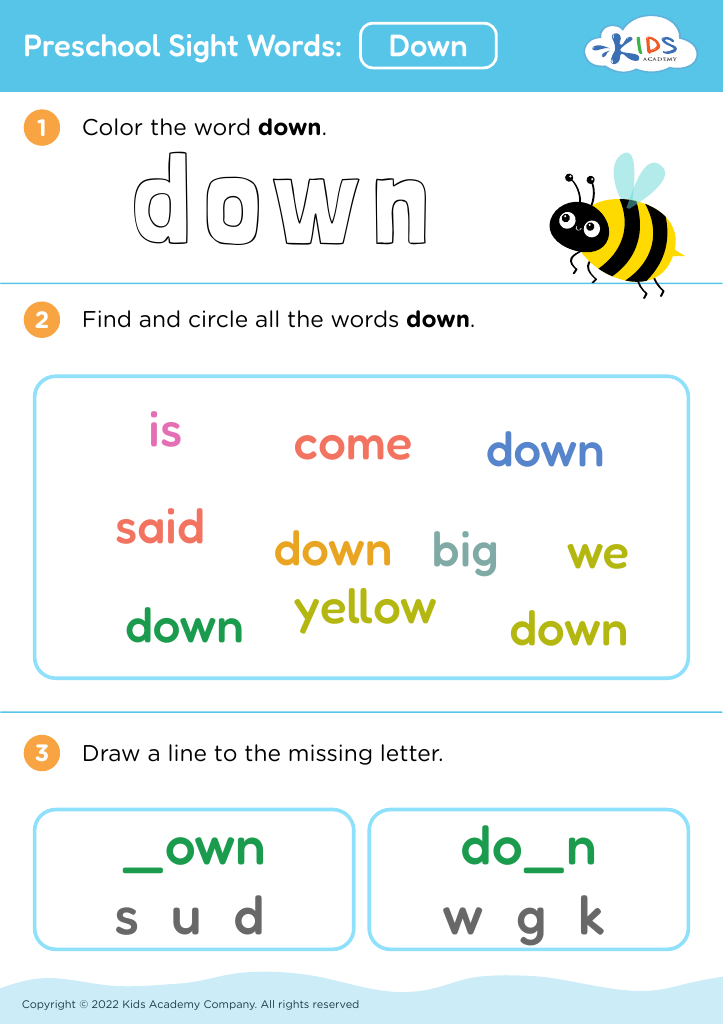
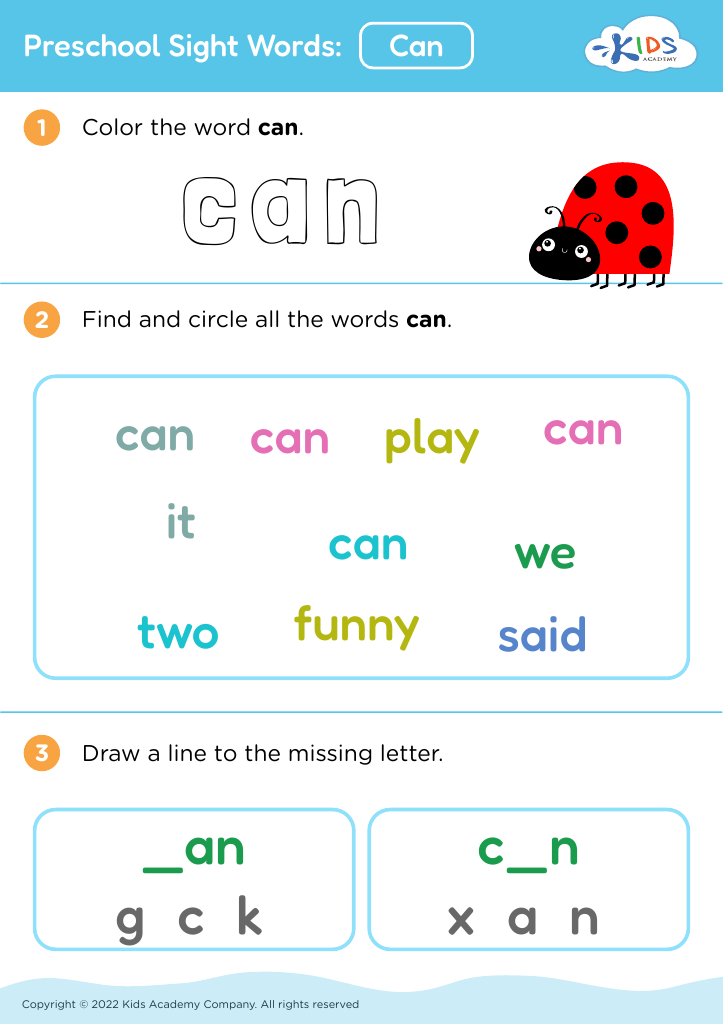
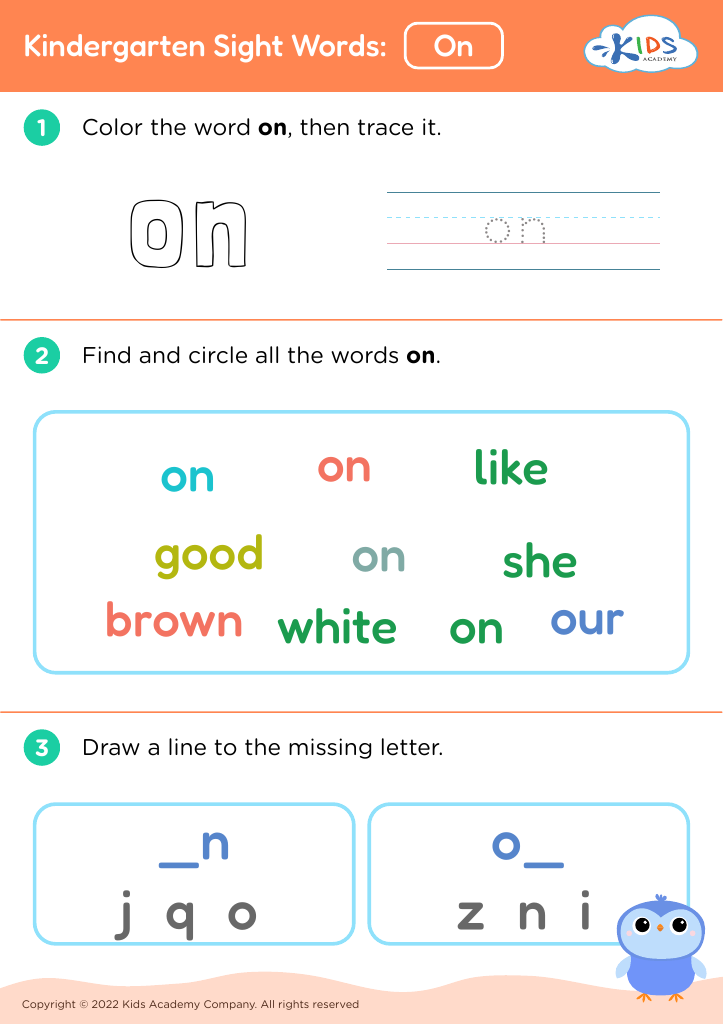
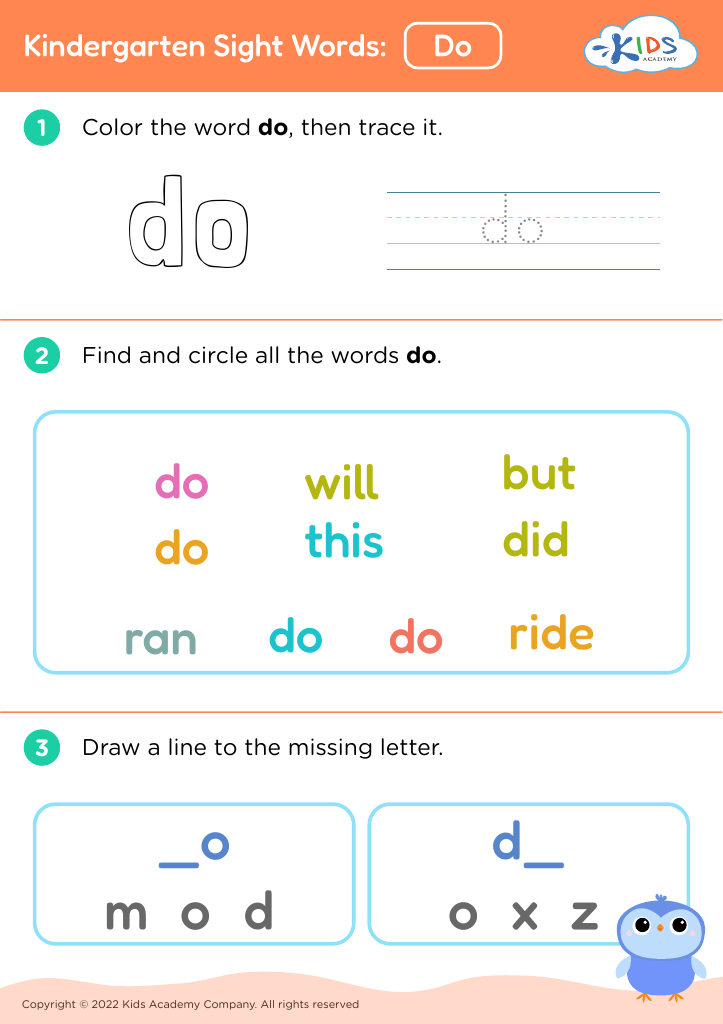
Welcome to our "Mathematical Reasoning Building Vocabulary Worksheets" designed specifically for children ages 4-6. These engaging worksheets blend foundational math skills with essential vocabulary building, fostering critical thinking and comprehension in young learners. Your child will explore concepts through fun activities that promote problem-solving, logical reasoning, and word recognition. By integrating mathematical vocabulary into early learning, we aim to enhance cognitive development while making learning enjoyable. Perfect for at-home practice or classroom use, our worksheets help prepare your child for future academic success. Discover the joy of learning with our thoughtfully crafted resources that nurture curiosity and champion mathematical exploration!
Favorites
With answer key
Interactive











Join Kids Academy for Free
Who is primarily going to use this learning content?








Parents and teachers should prioritize building mathematical reasoning and vocabulary in children aged 4-6 because it forms the foundation for future learning and cognitive development. At this age, children are naturally curious and actively exploring the world around them; effective mathematical reasoning enhances this exploration. By introducing mathematical concepts through playful activities, educators can promote critical thinking and problem-solving skills.
Building vocabulary associated with math helps children articulate their thoughts, make connections, and understand relationships among numbers, shapes, and patterns. It allows them to express their reasoning clearly, which is vital for collaboration and sharing ideas with peers.
Moreover, early exposure to mathematical language fosters a positive attitude towards math, reducing anxiety often linked to the subject in later years. By encouraging discussions around math concepts, children develop language skills in tandem with cognitive skills, reinforcing both areas of learning.
Incorporating math vocabulary into daily routines and experiences also helps children see the relevance of math in real-life contexts, making it more meaningful and engaging. Ultimately, a strong foundation in mathematical reasoning and vocabulary supports a child’s overall academic success and lifelong learning.








