
Phonics practice Building Vocabulary Worksheets for Ages 4-6
3 filtered results
Difficulty Level
Grade
Age
-
From - To
Subject
Activity
Standards
Discover our engaging Phonics Practice Building Vocabulary Worksheets tailored specifically for children ages 4 to 6! These interactive resources are designed to enhance reading skills while helping young learners build a strong vocabulary foundation. Each worksheet focuses on key phonetic concepts, encouraging recognition of letter sounds and word patterns through fun activities. Ideal for parents and educators, our materials promote literacy engagement in a playful and effective way. Available for easy download, these worksheets make learning phonics enjoyable and accessible for early learners. Boost your child's reading confidence today with our thoughtfully crafted worksheets!
Favorites
With answer key
Interactive
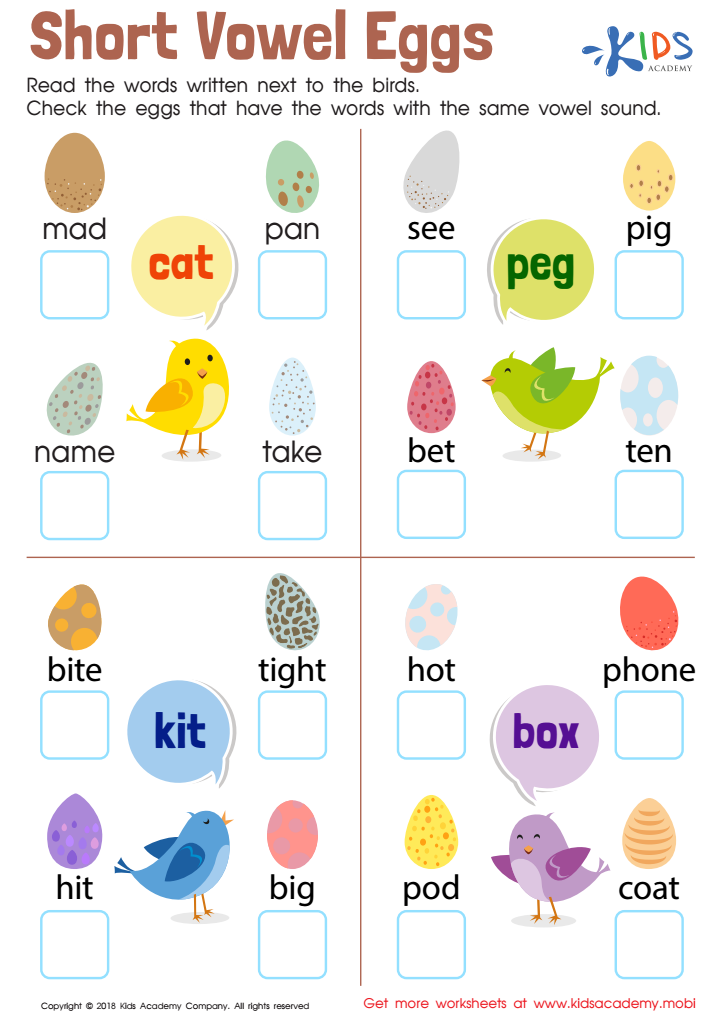
Short Vowel Eggs Worksheet
Your students will love helping these birdies pick the short vowel eggs! Have them read the words in the thought bubbles, then check off the boxes with the same short vowel sounds. The bright colors of this free Worksheet will draw them in and get them practicing their vowels!
 Assign to My Students
Short Vowel Eggs Worksheet
Worksheet











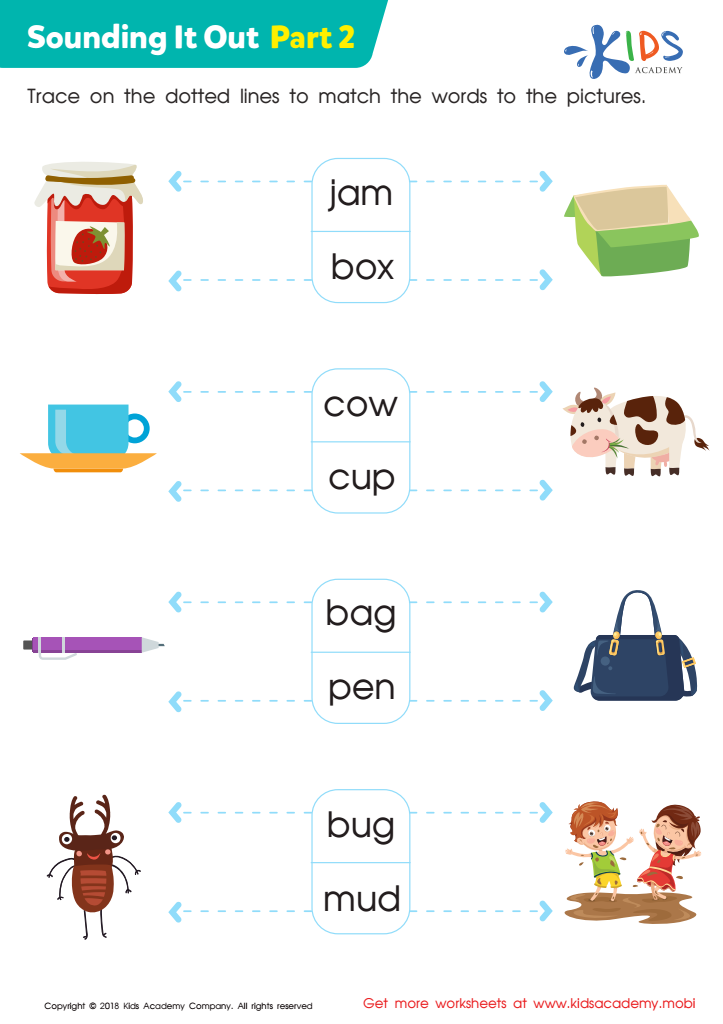
Sounding it Out: Part 2 Worksheet
Mastering phonics is key for kids to learn to read! This free worksheet uses fun pictures to help them sound out words. Ask them to name the images, then use the hints to say each word. Kids will become accomplished readers in no time!
Sounding it Out: Part 2 Worksheet
Worksheet
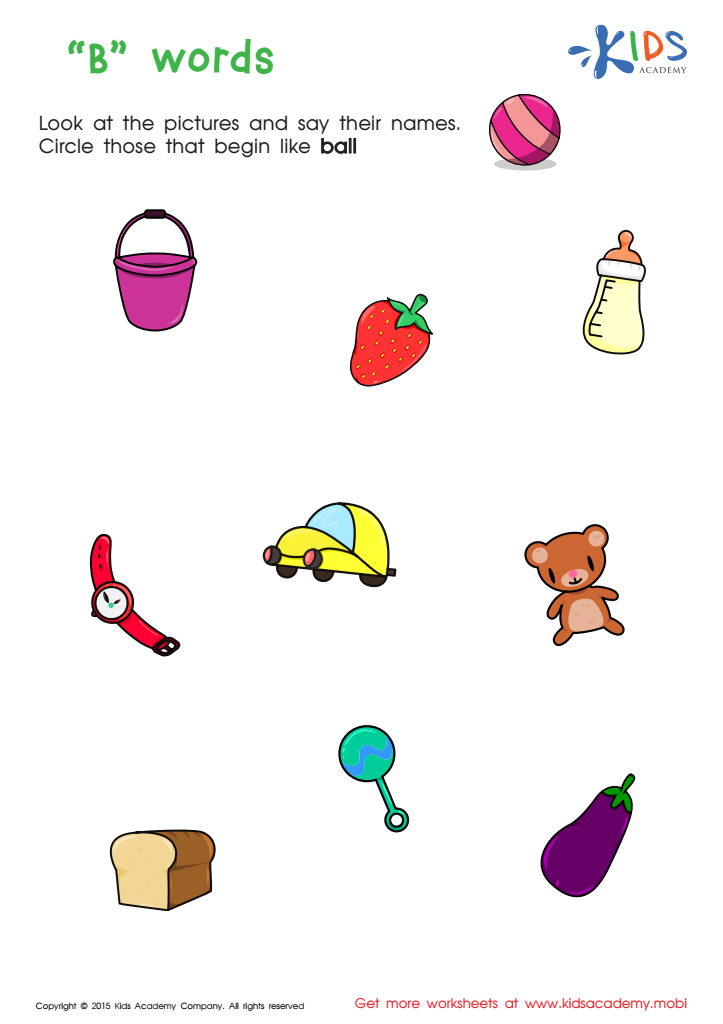
First Words Worksheet
Want to help your preschooler learn to read and write? Start with this 'B' words printable worksheet. It will help your child match pictures to the letters they know, sound out words, and build literacy. Once they understand the concept, they can start sounding out words and building reading skills.
First Words Worksheet
Worksheet
Join Kids Academy for Free
Who is primarily going to use this learning content?





.jpg)


Phonics practice is essential for children aged 4-6 as it serves as a foundational skill for reading and writing, shaping their overall literacy development. During these critical early years, children learn to connect sounds with letters, enabling them to decode words effectively. By integrating phonics instruction, teachers and parents can foster a love for reading, unlocking a world of imagination and knowledge that greatly influences a child’s academic journey.
Building vocabulary through phonics helps enhance comprehension skills. As children learn new words, they develop the ability to express themselves more clearly and confidently, which is vital for effective communication. Moreover, a rich vocabulary contributes significantly to academic success, as children encounter more complex texts as they progress through school.
Moreover, phonics practice fosters cognitive development by enhancing critical thinking skills, promoting linguistic awareness, and building auditory processing. Parents and teachers who engage in phonics activities create a supportive environment where children feel encouraged to learn, explore, and take risks in their reading.
Ultimately, prioritizing phonics and vocabulary building in early education helps set a strong foundation for future learning, ensuring that children become competent readers and lifelong learners. Emphasizing this aspect of literacy promotes success in all subjects and aids in social development as well.








