
Recognizing Patterns Building Vocabulary Worksheets for Ages 4-6
3 filtered results
Difficulty Level
Grade
Age
-
From - To
Subject
Activity
Standards
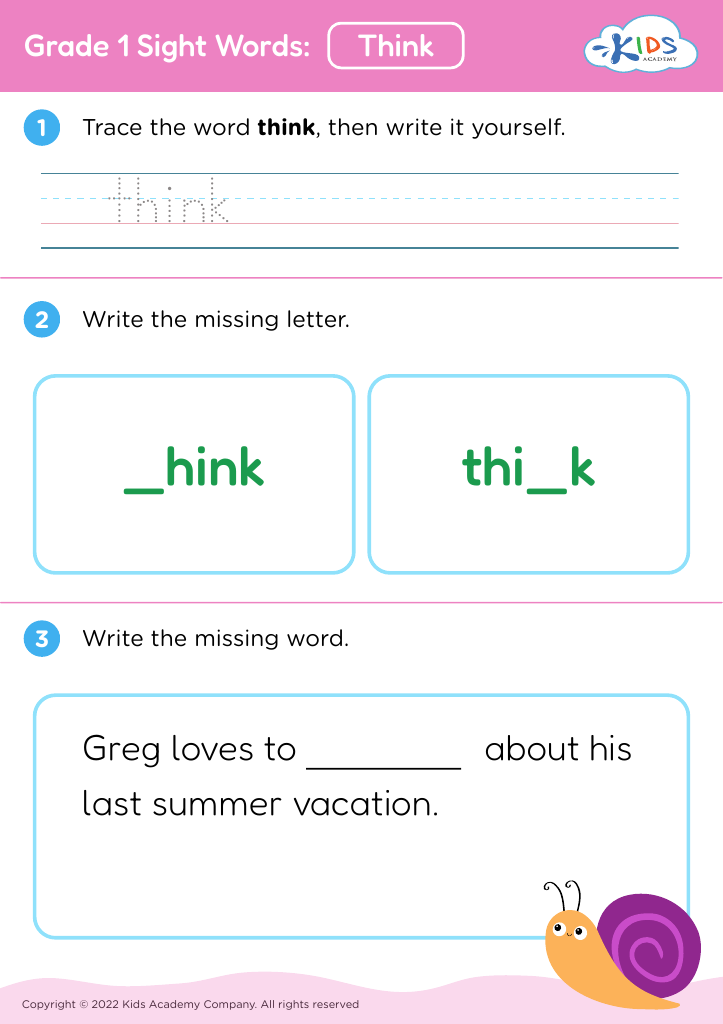
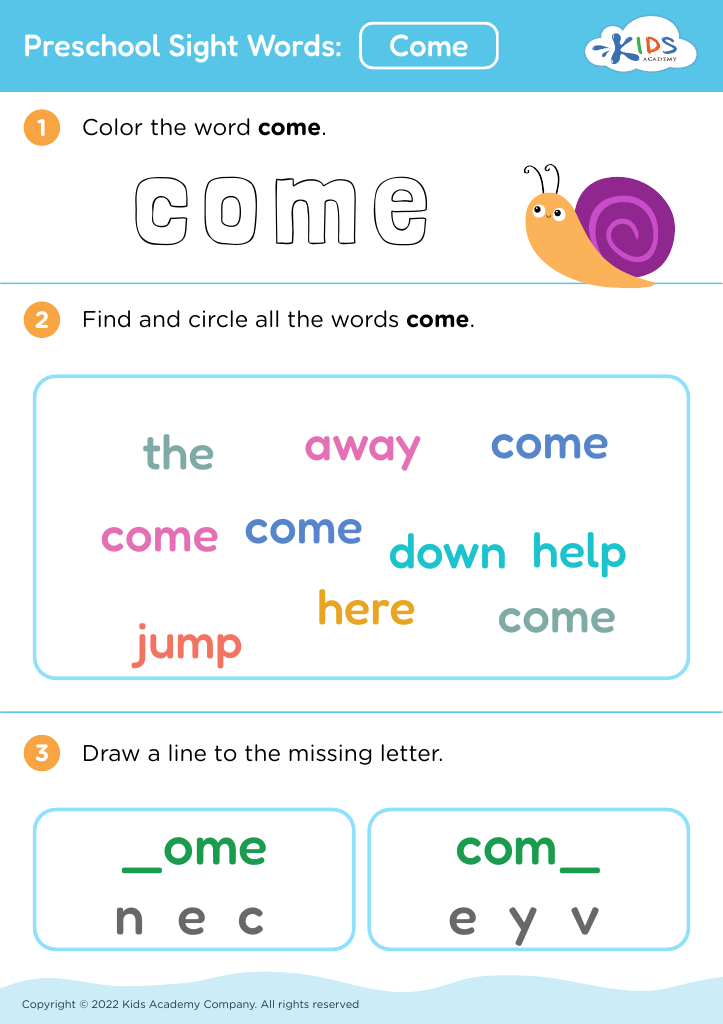
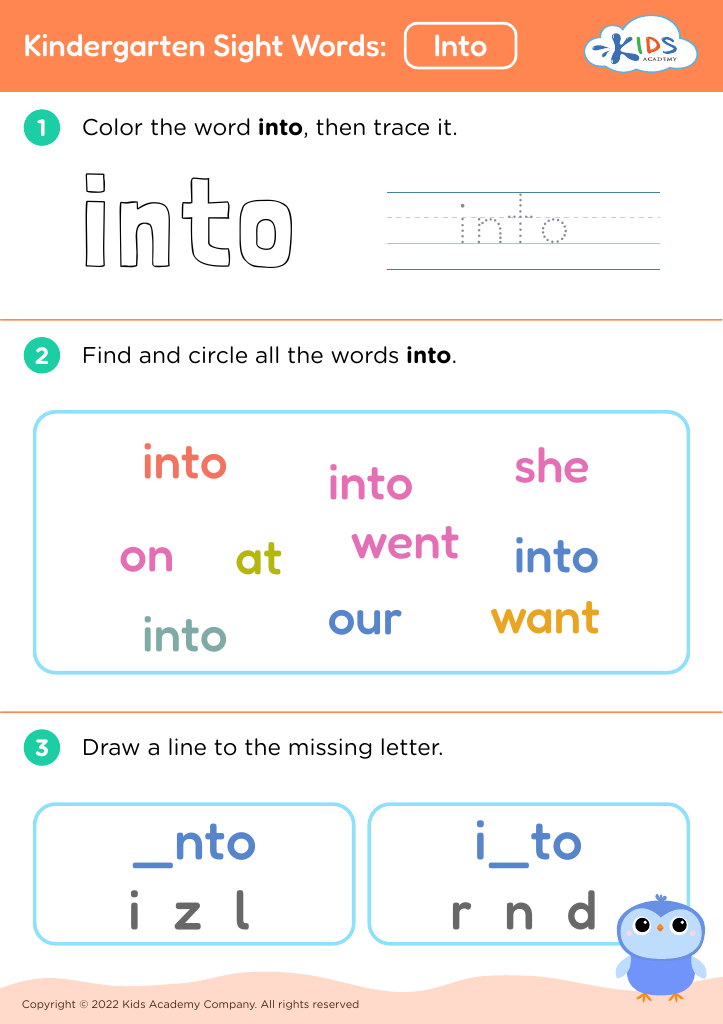
Introducing our "Recognizing Patterns Building Vocabulary Worksheets for Ages 4-6", designed to make learning fun and effective! These engaging activities help young learners identify patterns and enhance their vocabulary skills simultaneously. With colorful illustrations and interactive exercises, kids can strengthen their cognitive abilities and language development. Our worksheets are perfect for both classroom use and home study, ensuring a solid foundation in early reading skills. Boost your child's vocabulary, pattern recognition, and critical thinking abilities—start the journey of learning and discovery today with our expertly crafted resources! Download now to give your child the best start.
Favorites
With answer key
Interactive











Join Kids Academy for Free
Who is primarily going to use this learning content?



.jpg)




Recognizing patterns and building vocabulary are crucial skills for children aged 4-6, and parents or teachers play a significant role in fostering these abilities during this formative period.
First, recognizing patterns helps young children understand and predict the world around them, aiding cognitive development. Patterns are the foundation of more complex mathematical concepts, such as sequences and problem-solving, which are essential for later academic success. For instance, recognizing patterns in numbers and shapes lays the groundwork for arithmetic and geometry. Beyond academics, noticing patterns also enhances critical thinking and organizational skills, enabling children to make sense of their environment and daily routines.
Building vocabulary, on the other hand, is foundational for language development, reading comprehension, and effective communication. A rich vocabulary allows children to express themselves clearly, understand instructions, and engage more deeply in conversations and storytelling. Research indicates that a robust vocabulary at an early age significantly impacts future academic achievement and literacy. Children with a well-developed vocabulary can more easily grasp new concepts, participate confidently in class, and develop a love for reading.
Ultimately, by emphasizing pattern recognition and vocabulary building, parents and teachers grant children the essential tools for intellectual growth, social interaction, and lifelong learning. These skills open doors to discovering the joy of learning and the ability to succeed across various disciplines.








