Understanding fractions Building Vocabulary Worksheets for Ages 4-6 - Page 2
35 filtered results
-
From - To
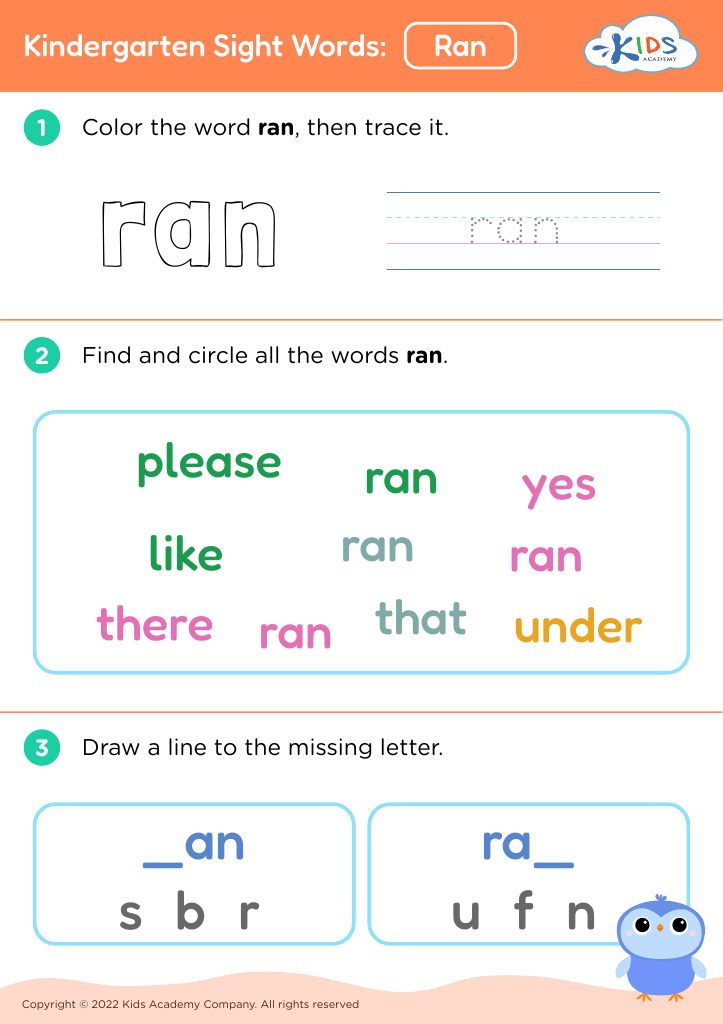











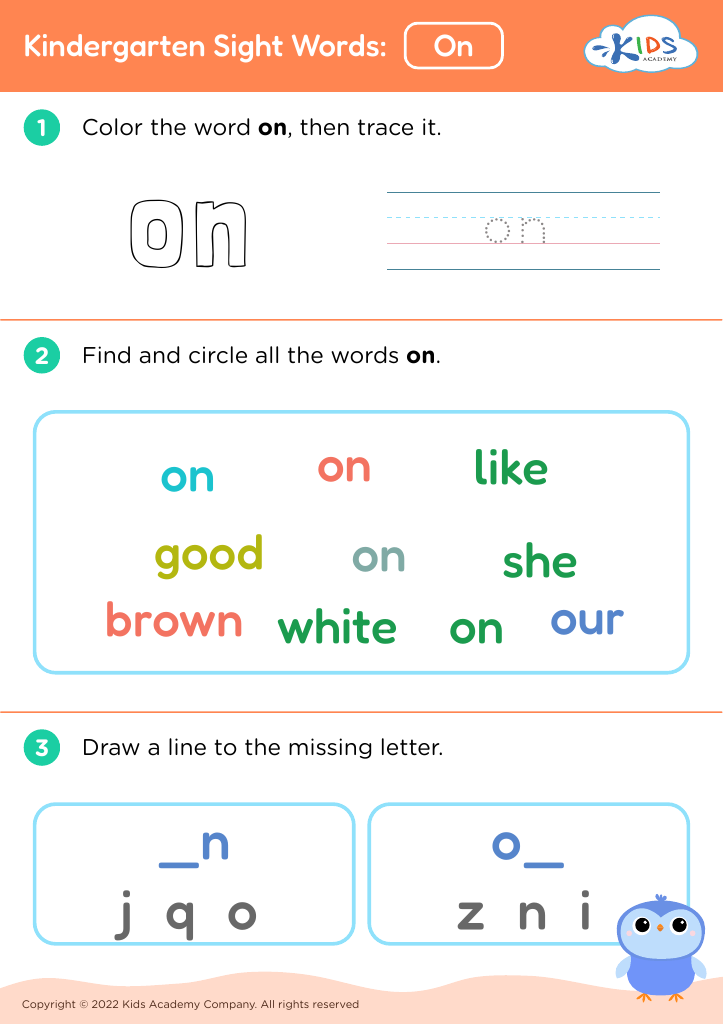
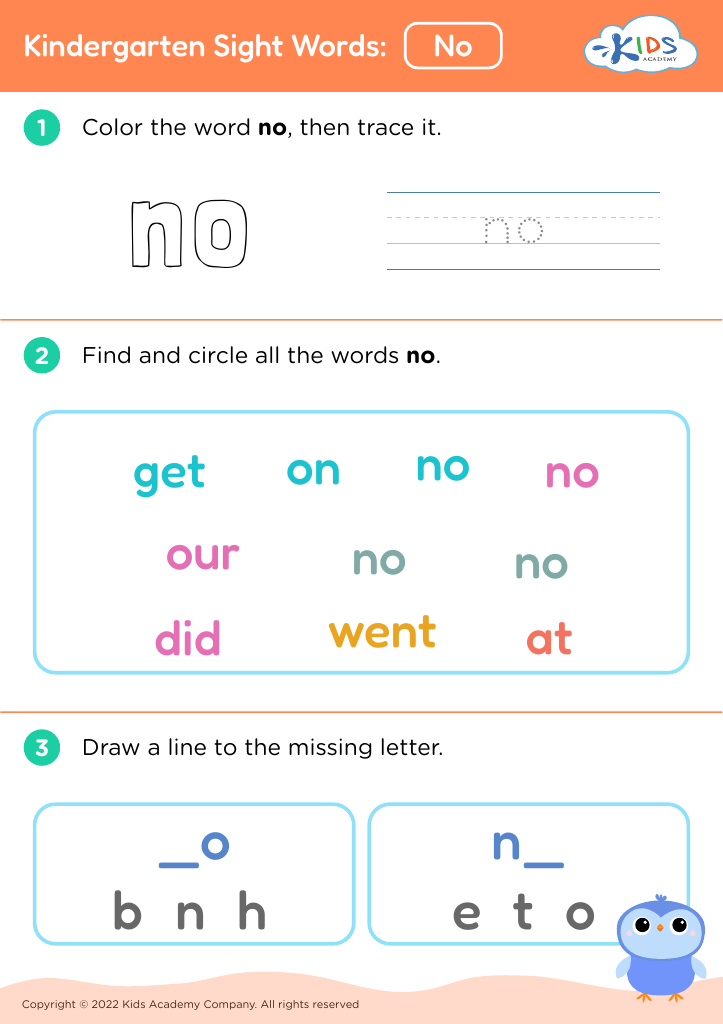
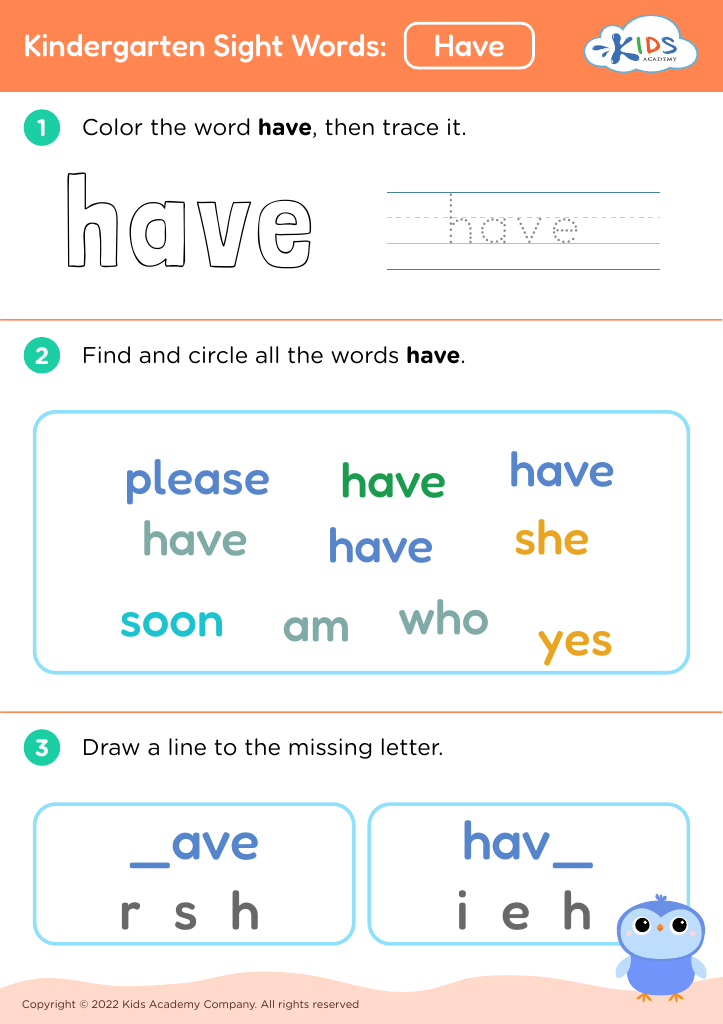
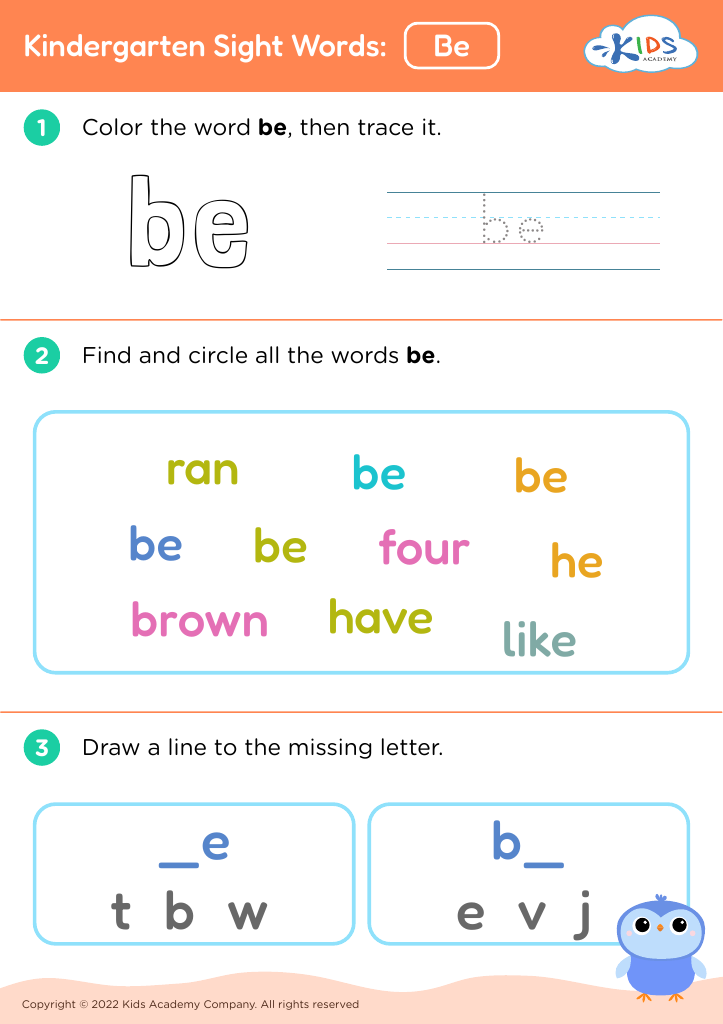
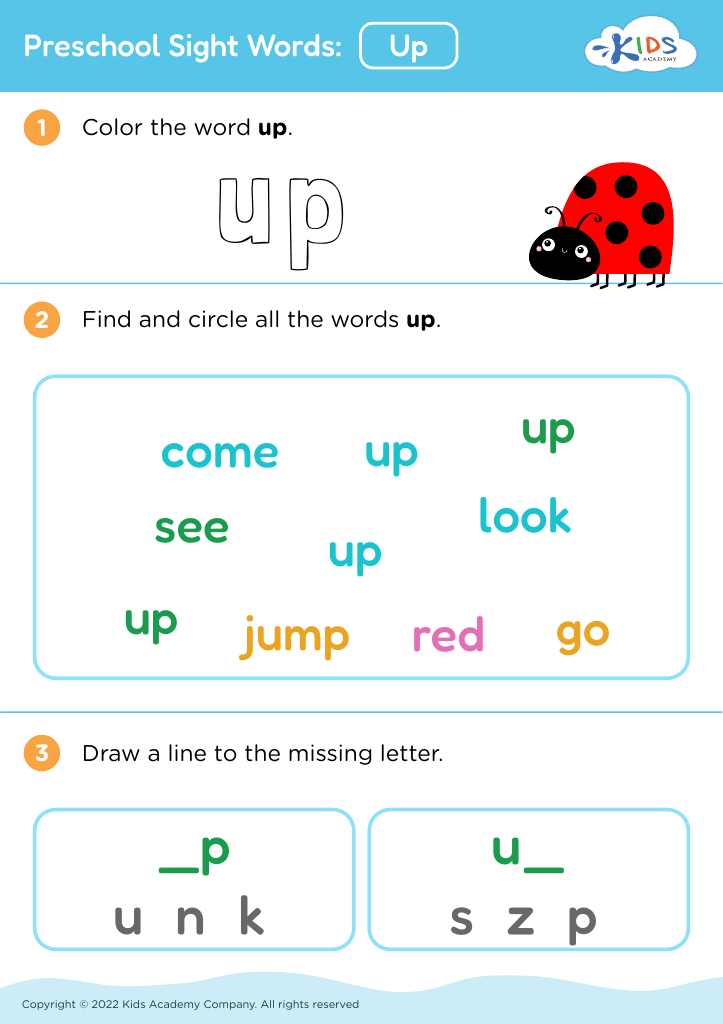
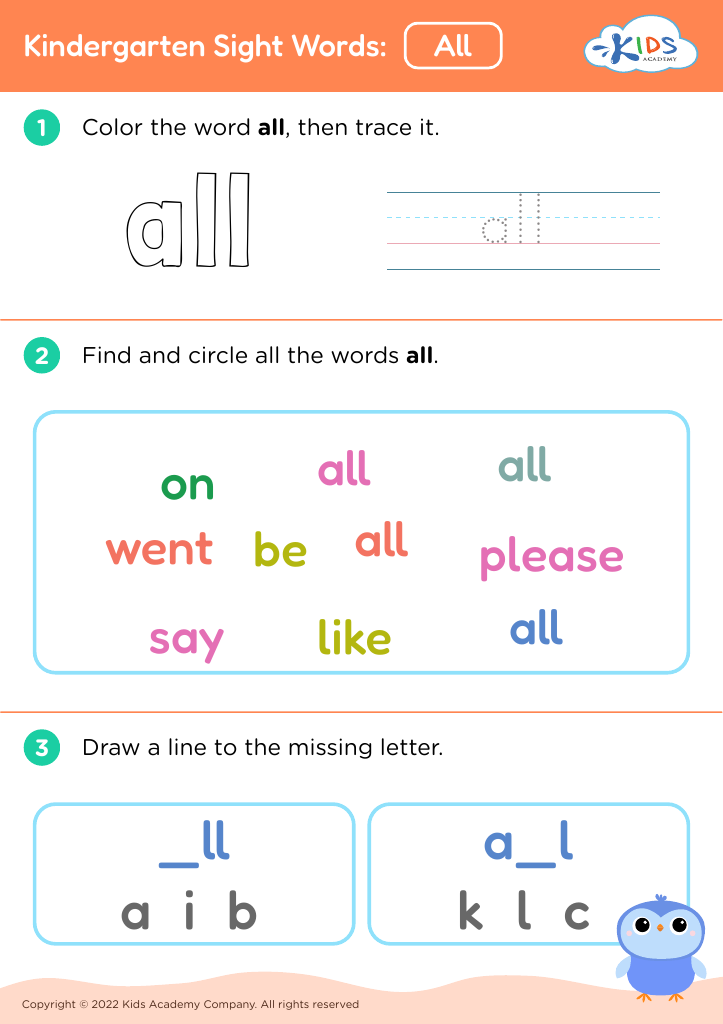







Understanding fractions and building vocabulary are crucial components of a child's early education, and both offer long-lasting benefits. For children aged 4-6, foundational skills in these areas set the stage for academic success and broader cognitive development.
Understanding fractions introduces children to mathematical concepts that enhance their critical thinking and problem-solving abilities. At this developmental stage, children are naturally curious and capable of grasping basic mathematical relationships through hands-on activities and visual aids. Early exposure to fractions, even in simple forms like halves and quarters, helps them recognize parts of a whole, paving the way for more complex math skills later.
Building vocabulary is equally important. At ages 4-6, children's brains are incredibly receptive to language acquisition. A strong vocabulary forms the basis of effective communication, reading comprehension, and academic achievement. When children have a rich vocabulary, they can express themselves more clearly and understand others better, fostering better social interactions.
Therefore, parents and teachers should prioritize these areas by integrating fun, engaging activities that make learning enjoyable. Whether through games, storytelling, or interactive exercises, fostering an environment that targets both fraction understanding and vocabulary building provides children with essential tools that will benefit their ongoing educational journey and beyond.








