
Understanding patterns Building Vocabulary Worksheets for Ages 4-6
6 filtered results
Difficulty Level
Grade
Age
-
From - To
Subject
Activity
Standards
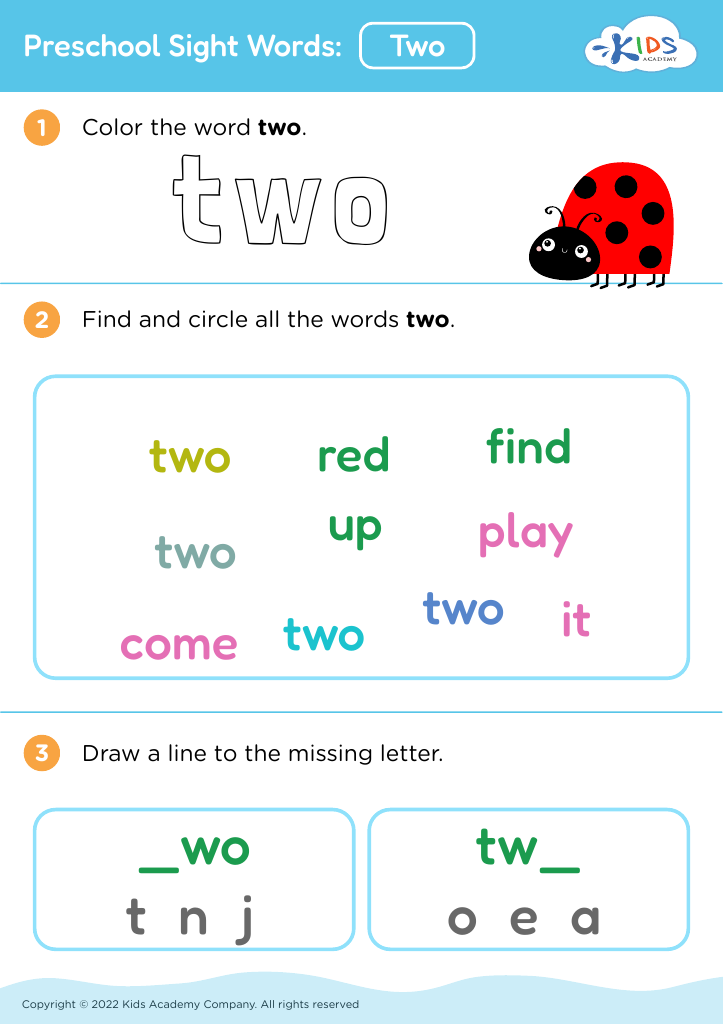
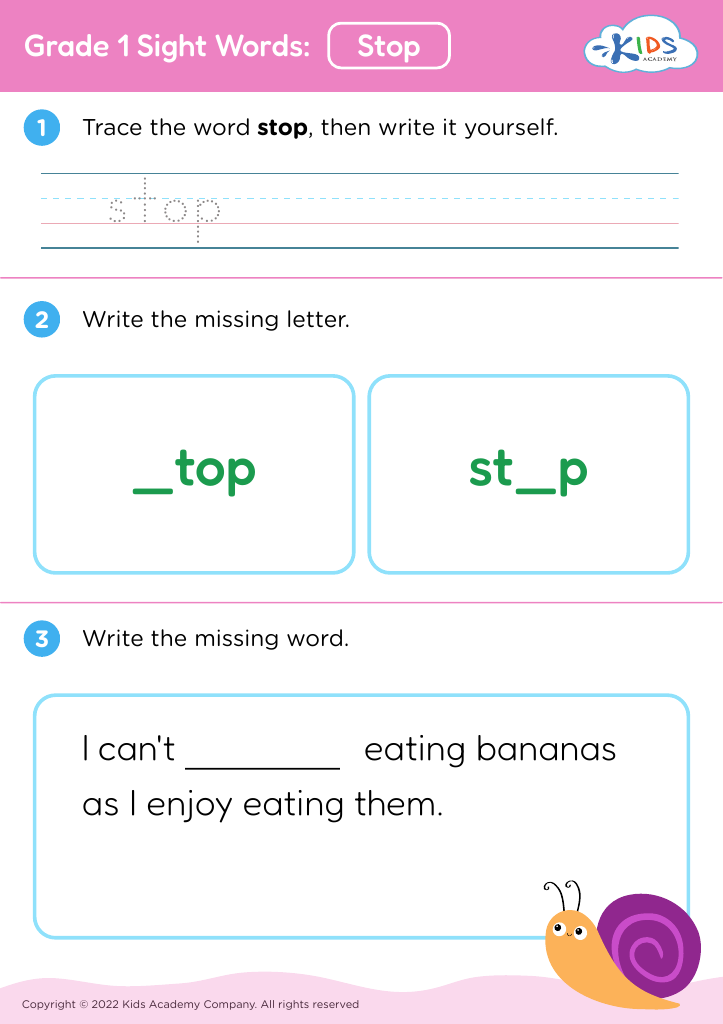
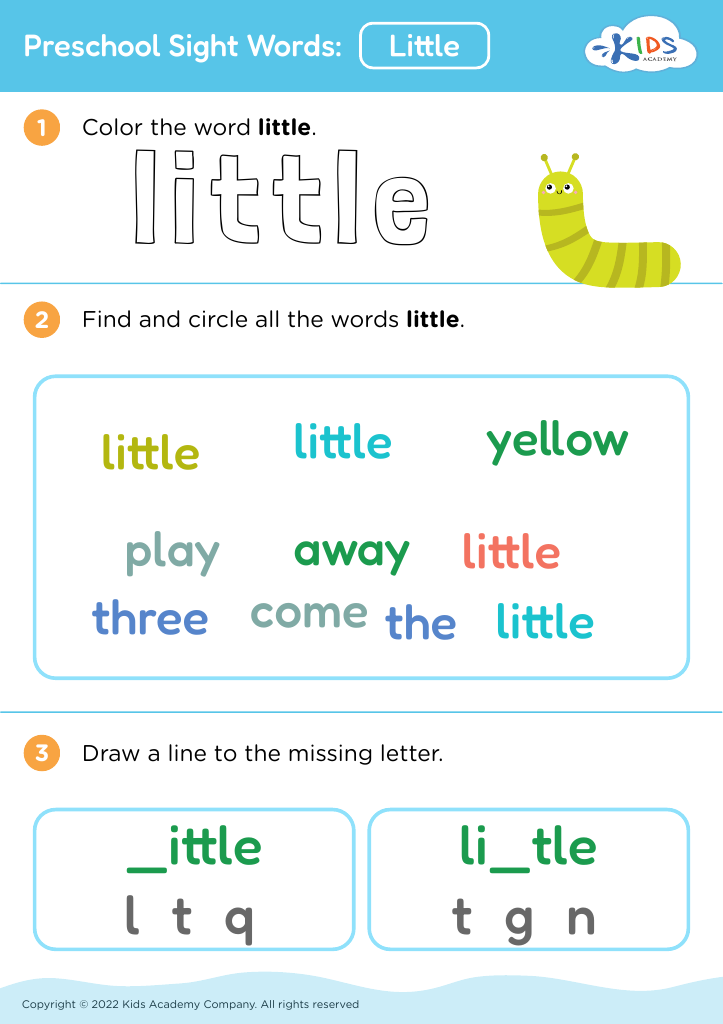
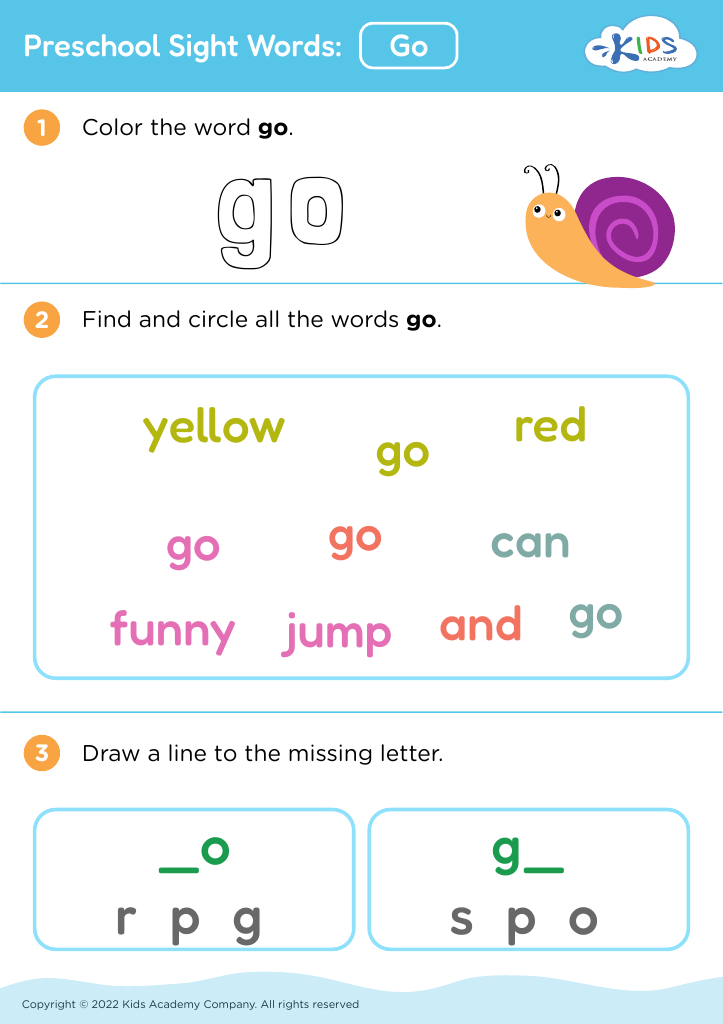
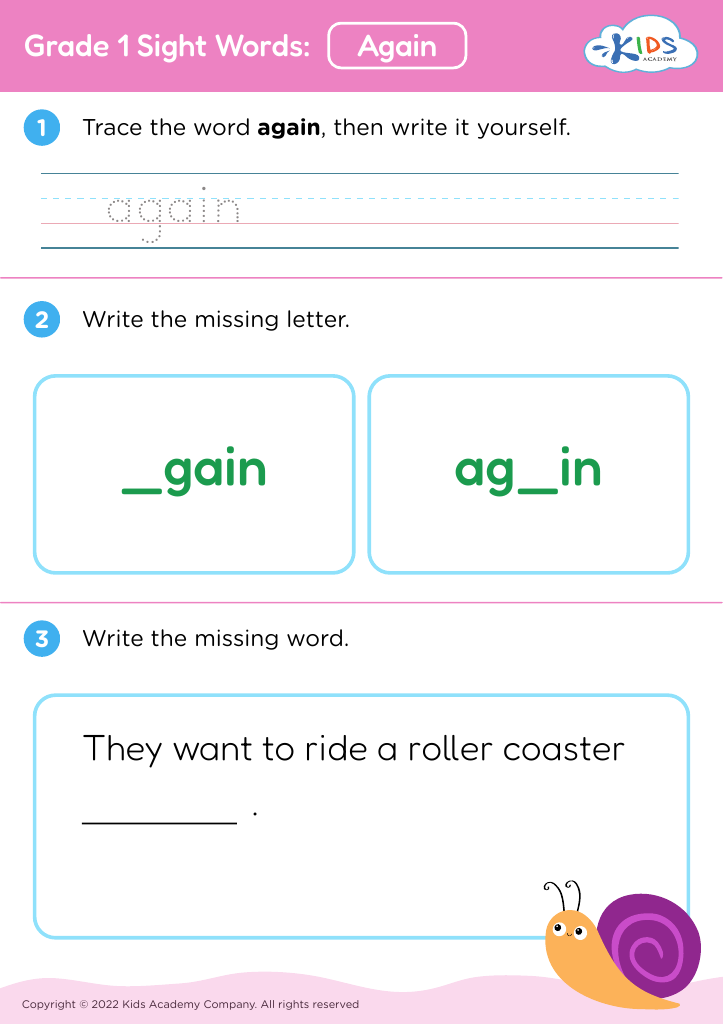
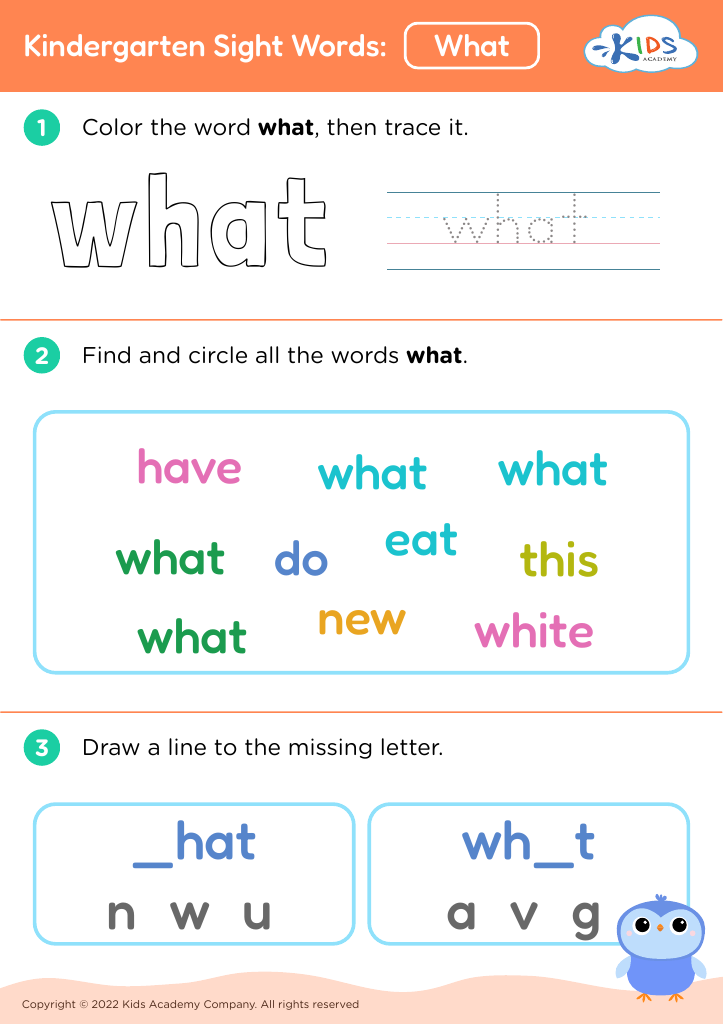
Explore our "Understanding Patterns: Building Vocabulary Worksheets" designed specifically for children aged 4-6. These engaging worksheets promote early literacy by helping young learners recognize and develop essential vocabulary through the concept of patterns. Each activity is tailored to enhance critical thinking and language skills, allowing children to observe, identify, and imitate various patterns in words and sentences. Our worksheets encourage creativity and provide a fun, interactive way to build a strong foundation for reading success. Perfect for teachers and parents aiming to boost vocabulary growth in early learners, these resources will make learning enjoyable and impactful. Download today!
Favorites
With answer key
Interactive











Join Kids Academy for Free
Who is primarily going to use this learning content?






.jpg)

Understanding patterns and building vocabulary are essential components of early childhood education for children ages 4-6, and parents and teachers should prioritize them for several reasons. First, recognizing and understanding patterns helps develop critical thinking and problem-solving skills, which are foundational for future learning in mathematics and science. Recognizing patterns enhances cognitive development as children learn to predict outcomes, categorize information, and make connections between concepts.
Building vocabulary at this early stage is equally crucial, as a robust vocabulary supports language development, literacy skills, and communication abilities. Young children who have a wide range of words are better able to express their thoughts and emotions, which fosters social skills and encourages effective interactions with peers and adults.
Additionally, both pattern recognition and vocabulary building are interconnected. As children describe patterns they see, they naturally expand their vocabulary by learning descriptive language. Engaging in activities that promote both these skills makes learning fun and interactive, helping kids retain information while fostering a love for learning.
By investing time in understanding patterns and vocabulary, parents and teachers can set the foundation for a child’s academic success and lifelong learning, empowering them to navigate an increasingly complex world.








