Understanding symmetry Building Vocabulary Worksheets for Ages 4-6
3 filtered results
-
From - To
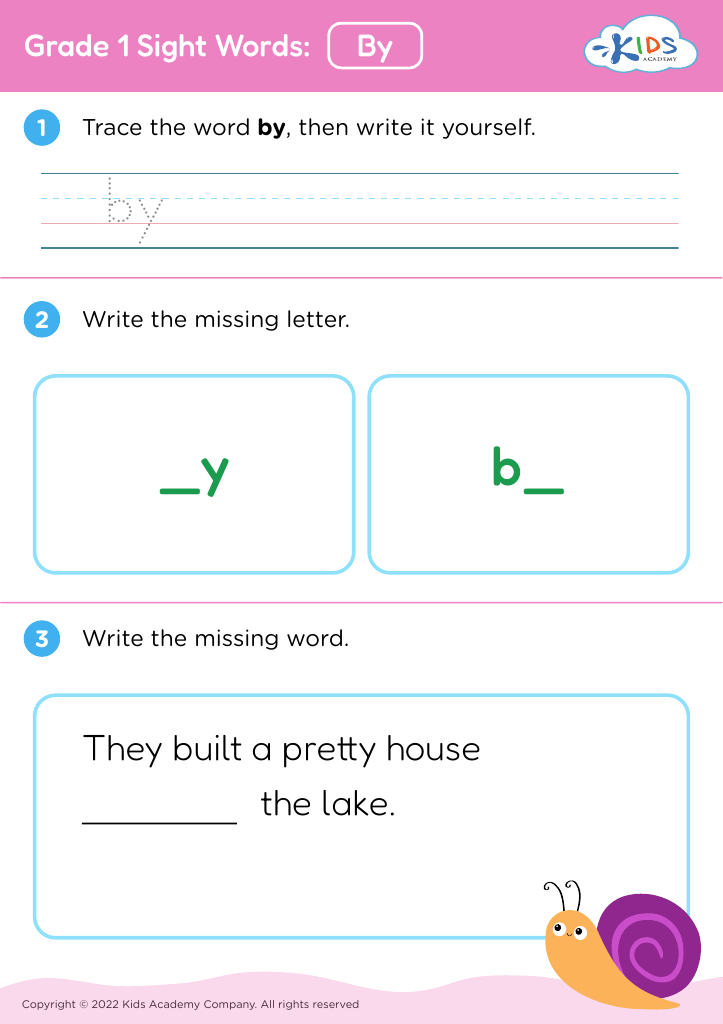
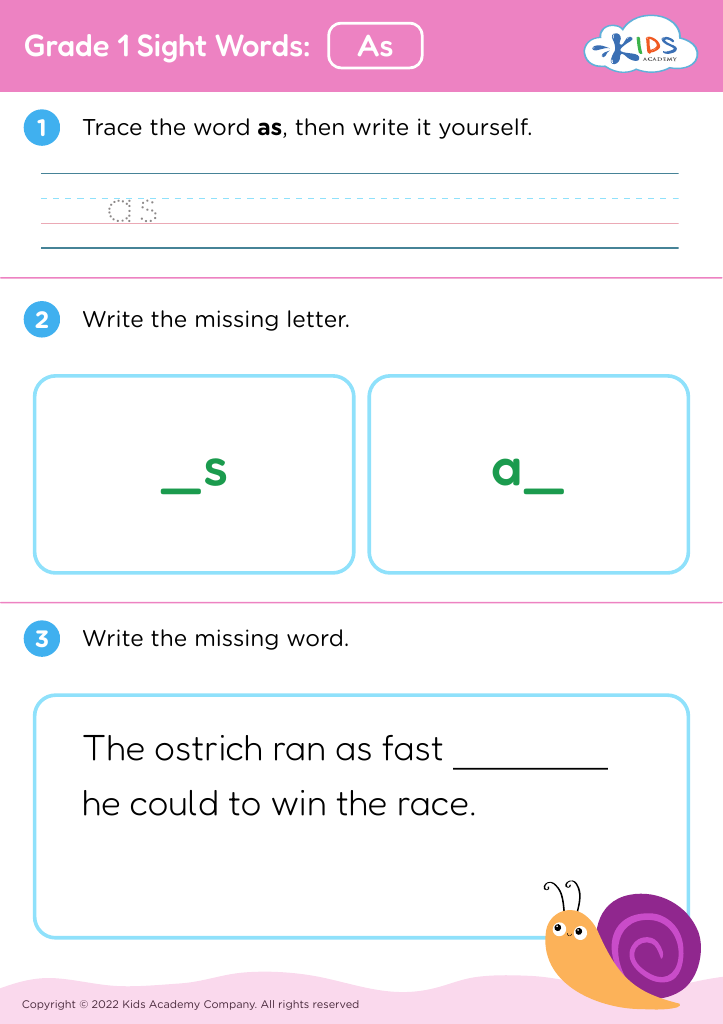
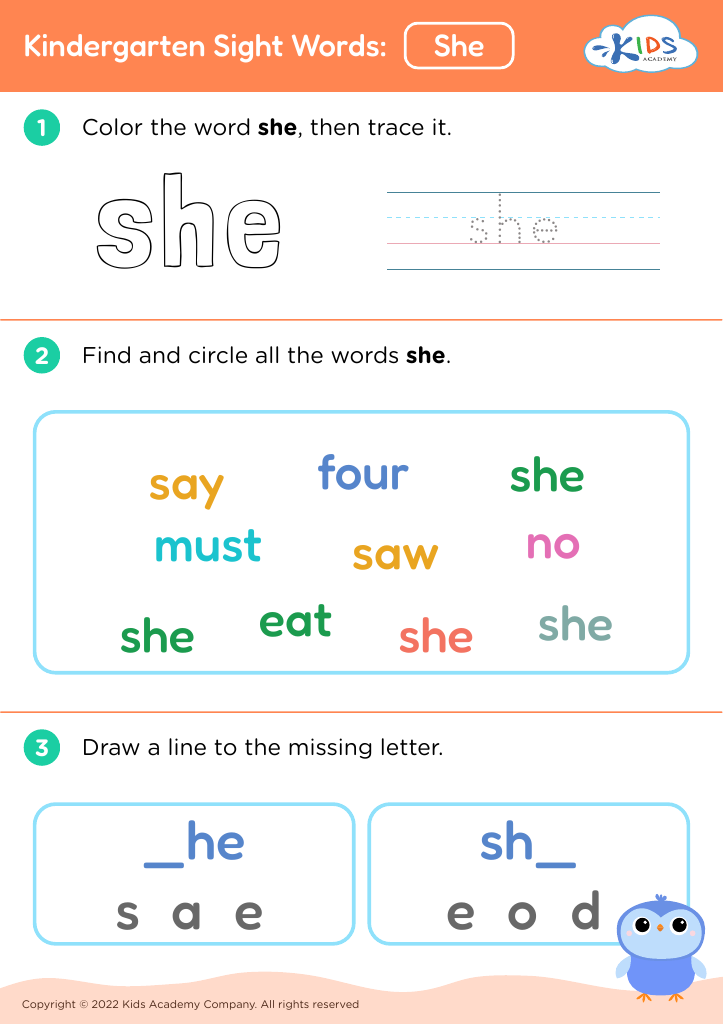
Welcome to our "Understanding Symmetry Building Vocabulary Worksheets" designed for children aged 4-6! These engaging and creative worksheets introduce young learners to the concept of symmetry through playful activities that enhance vocabulary skills. Children will explore mirrored shapes, balanced designs, and matching patterns while expanding their language and understanding of symmetry. Each activity promotes critical thinking, fine motor skills, and enriches their early learning experience. Perfect for classrooms or home learning, these worksheets encourage exploration and discovery in a fun, interactive way. Help your child develop their vocabulary while fostering a love for mathematics and shapes with our engaging resources!














.jpg)




Understanding symmetry is fundamental for young children, as it lays the groundwork for mathematical reasoning and spatial awareness. For ages 4-6, learning about symmetry can enhance critical thinking skills and promote cognitive development. When parents and teachers introduce concepts of symmetry through games, art, and real-world examples, children develop the ability to recognize patterns, which is essential in mathematics and everyday problem-solving.
Building vocabulary around symmetry is equally important. Enhanced language skills can enrich children's understanding of concepts. For instance, teaching terms such as "mirror," "equal," and "balance" allows children to communicate their thoughts more clearly and makes connections to other subjects. This vocabulary development also supports literacy growth, as children learn to express their ideas and understand math-related texts.
Furthermore, learning about symmetry can be a fun and engaging experience, encouraging collaboration and creativity. Integrating these lessons into activities like drawing, constructing shapes, and observing nature fosters not just knowledge, but also a deeper appreciation for their environment. When parents and teachers prioritize understanding symmetry and vocabulary building, they cultivate well-rounded learners equipped for future challenges in both math and language arts. This foundational knowledge can lead to greater academic success and a lifelong love for learning.








