Fraction comparison Reading Worksheets for Ages 4-6
9 filtered results
-
From - To
Discover engaging Fraction Comparison Reading Worksheets designed specifically for children aged 4-6! These worksheets combine fun visuals and easily digestible concepts to help young learners grasp the essentials of fractions while enhancing their reading skills. Interactive exercises provide opportunities for children to compare and contrast fractions, fostering critical thinking in an enjoyable manner. Our age-appropriate activities empower students to confidently explore basic math concepts through reading comprehension, ensuring a solid foundation for future learning. Ideal for parents, teachers, and caregivers, these worksheets are a perfect tool to make learning fractions fun and accessible. Start nurturing your child's mathematical understanding today!
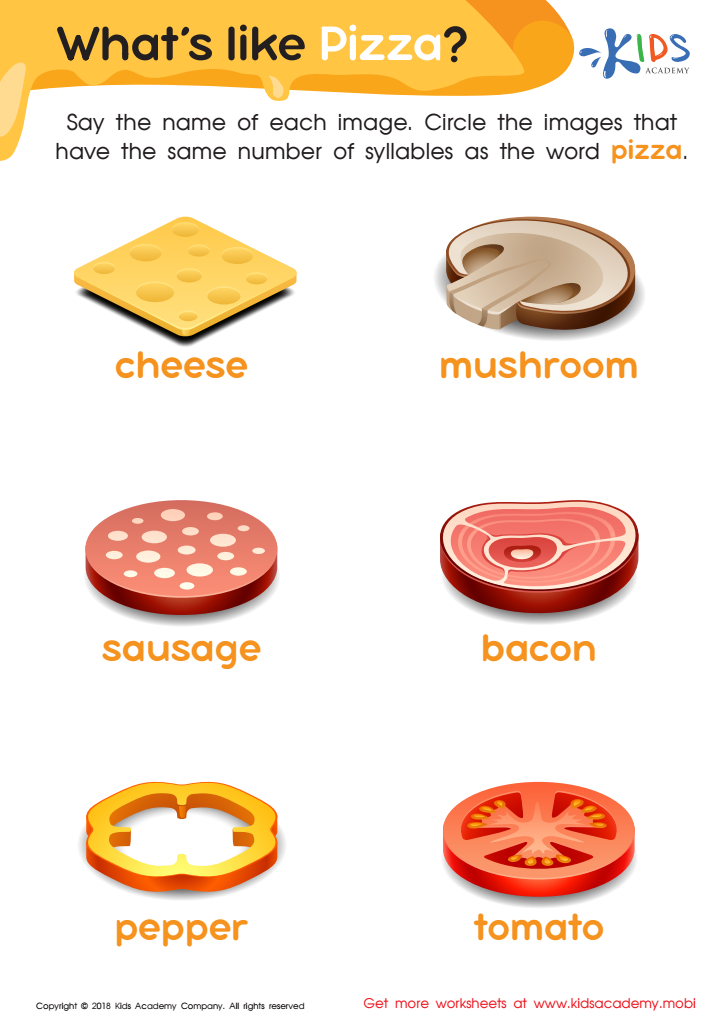
What's Like Pizza? Worksheet
 Assign to My Students
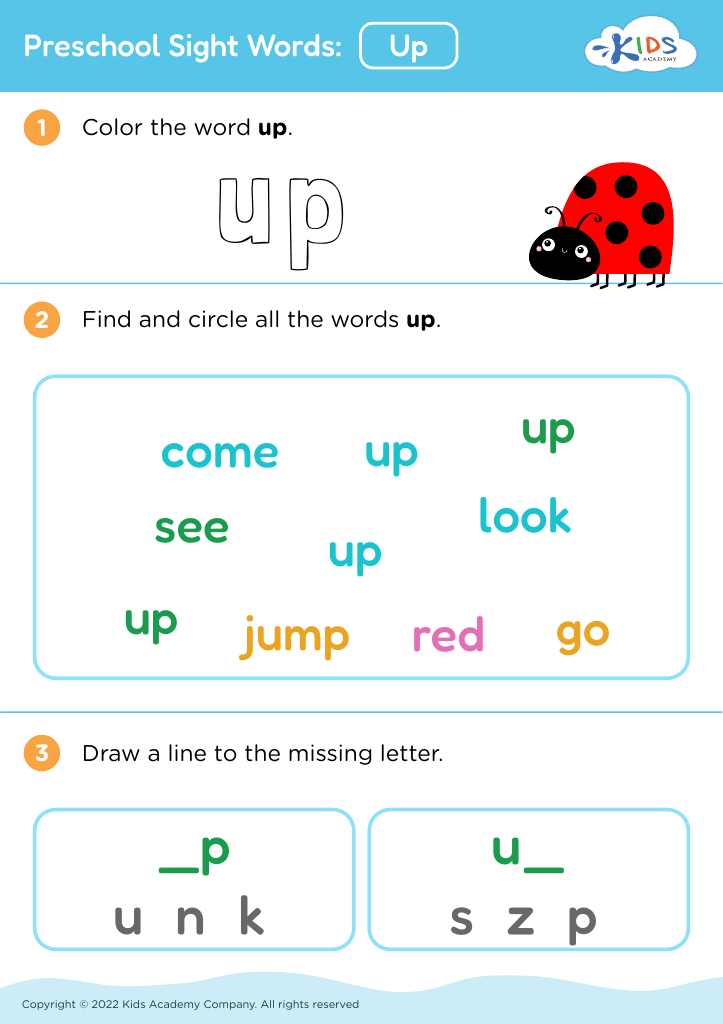
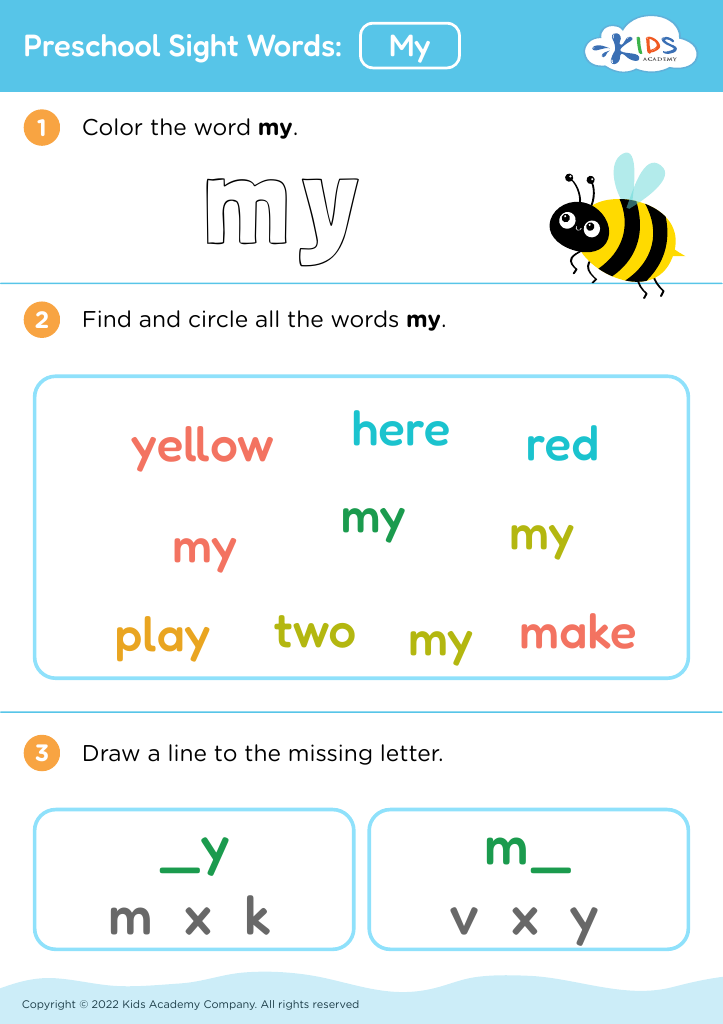
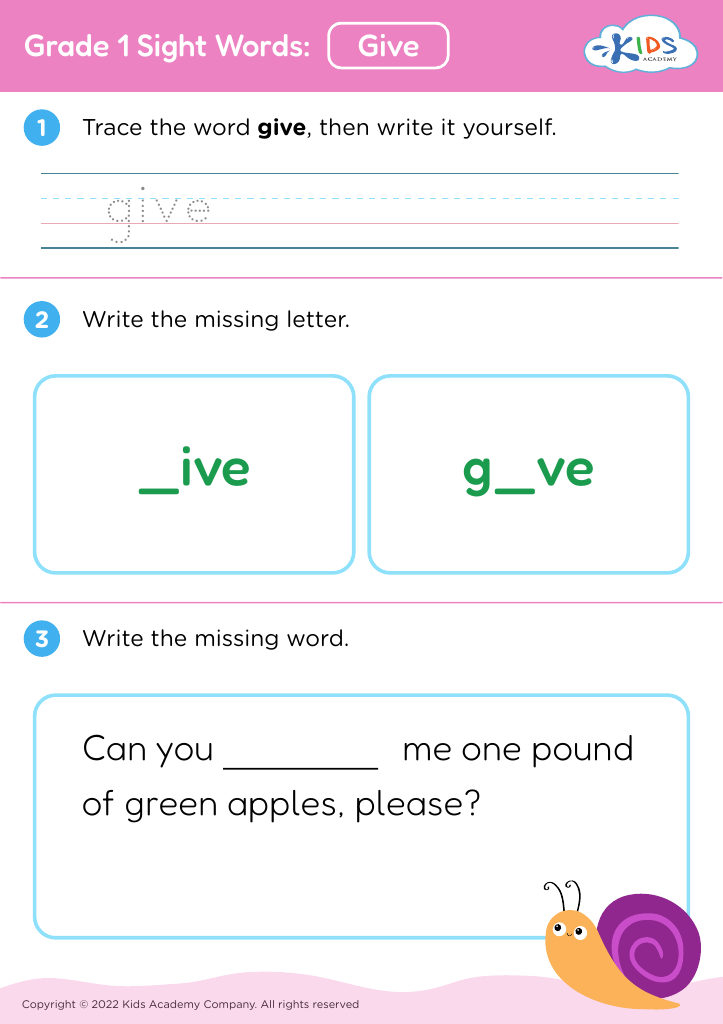





Fraction comparison reading is essential for young learners, particularly those aged 4-6, as it lays the groundwork for critical mathematical skills and cognitive development. At this early stage, children are naturally curious and eager to explore concepts through stories and visual aids. By incorporating fraction comparison into reading activities, parents and teachers can introduce fundamental math concepts in a way that is engaging and relatable.
Understanding fractions is not only crucial for future math proficiency but also for developing logical reasoning and problem-solving skills. Learning to compare fractions helps children grasp the idea of part-to-whole relationships, which is foundational for more complex mathematical operations later in school. Furthermore, incorporating fractions into storytelling enriches moral lessons and enhances comprehension skills, thereby fostering a deeper understanding of both math and literacy.
Additionally, teaching fraction comparison through reading can promote discussions about sharing, dividing, and fairness, which are essential life skills. By encouraging collaborative activities, such as cooking, crafting, or even playing games that involve dividing items, parents and teachers can create interactive learning experiences. Consequently, this approach supports a well-rounded education, helping children develop both mathematical intuition and critical thinking capabilities from an early age.








