Problem Solving Reading Worksheets for Ages 4-6
3 filtered results
-
From - To
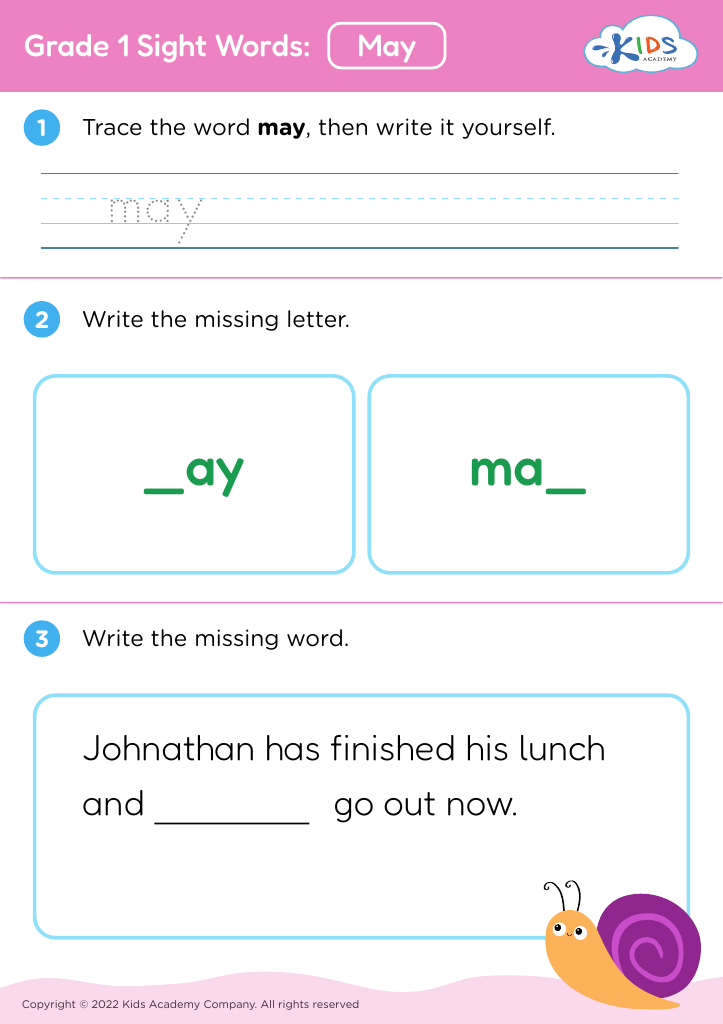
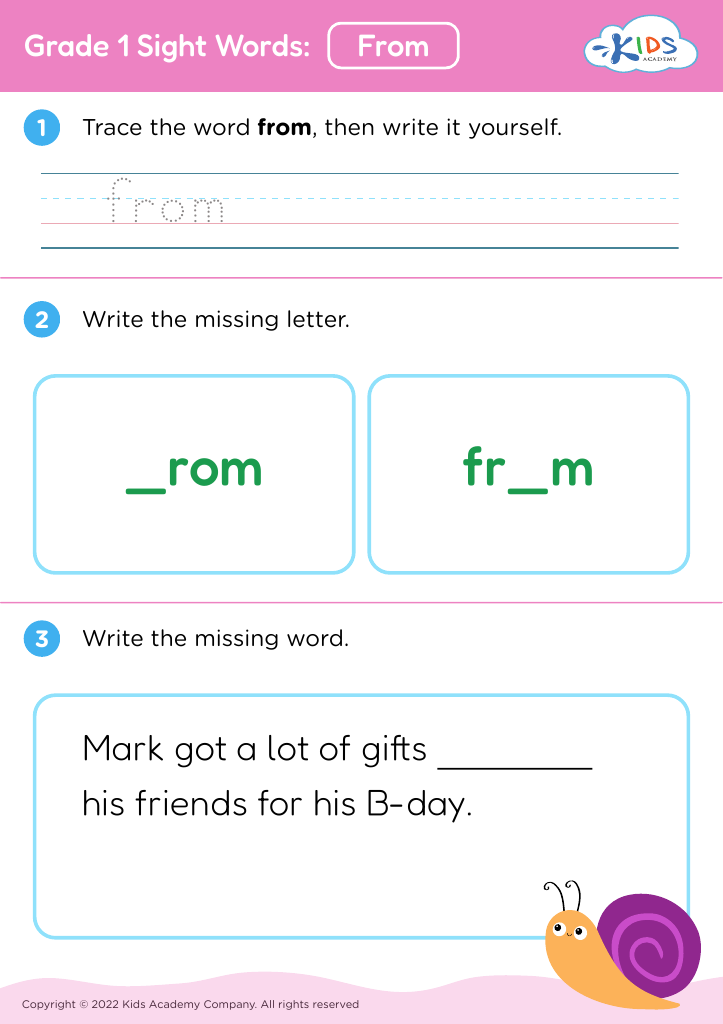
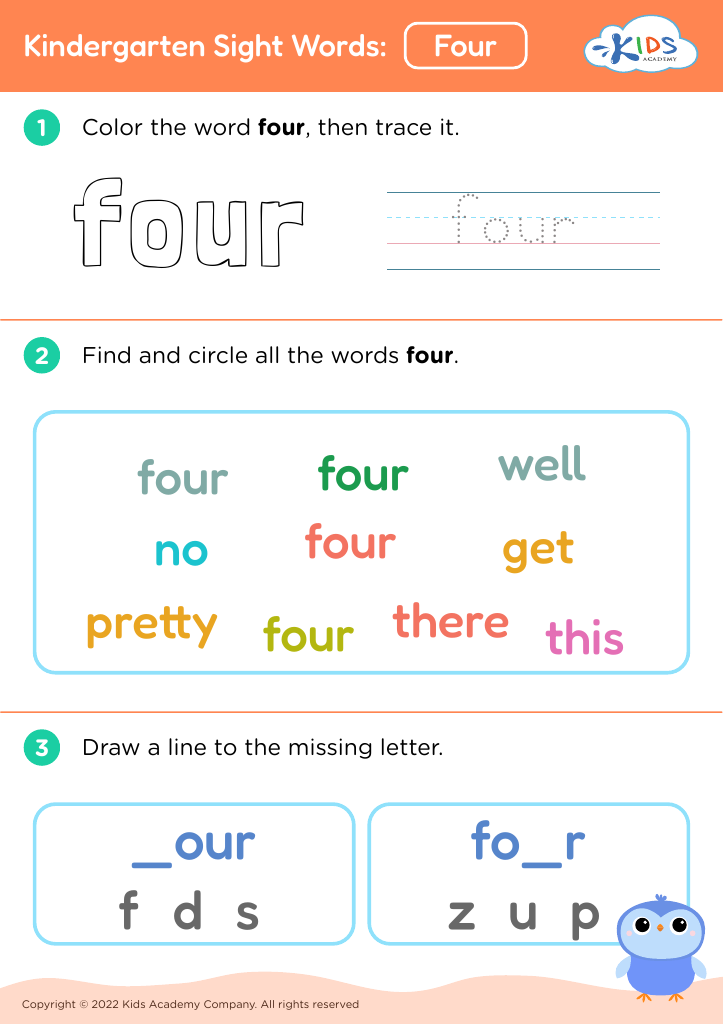
Discover our engaging Problem Solving Reading Worksheets designed specifically for children aged 4 to 6! These interactive resources aim to enhance critical thinking and comprehension skills through fun and relatable scenarios. Each worksheet encourages young learners to analyze problems, think creatively, and develop solutions while reading. Perfect for classroom use or at-home learning, these worksheets foster early literacy and logical reasoning. With colorful illustrations and age-appropriate content, students will enjoy tackling challenges that boost their confidence and ability to think independently. Explore our collection today and empower your child with essential problem-solving skills through enjoyable reading experiences!


.jpg)





Problem Solving Reading for ages 4-6 introduces young learners to critical thinking and comprehension skills essential for their academic journey. At this developmental stage, children are naturally curious and eager to explore the world around them. Engaging with problem-solving reading materials nurtures this curiosity, encouraging them to think critically about stories and situations.
Parents and teachers should care about this approach because it fosters essential literacy skills. Children learn to decode and comprehend text while also synthesizing information and drawing conclusions based on what they read. This dual focus enhances their vocabulary and boosts overall language proficiency.
Furthermore, problem-solving reading promotes perseverance and resilience—key attributes for academic success. As children encounter challenges in stories, they learn to navigate difficulties, develop solutions, and apply this mindset to their own lives. This can also lead to improved self-esteem as children experience success in overcoming reading-related challenges.
Incorporating problem-solving reading into early education not only prepares children for higher-level literacy activities but also cultivates fundamental life skills such as collaboration, empathy, and reasoning. By prioritizing this type of learning, parents and teachers can set a strong foundation for children’s lifelong learning and success.








