
Understanding patterns Reading Worksheets for Ages 4-6
6 filtered results
Difficulty Level
Grade
Age
-
From - To
Subject
Activity
Standards
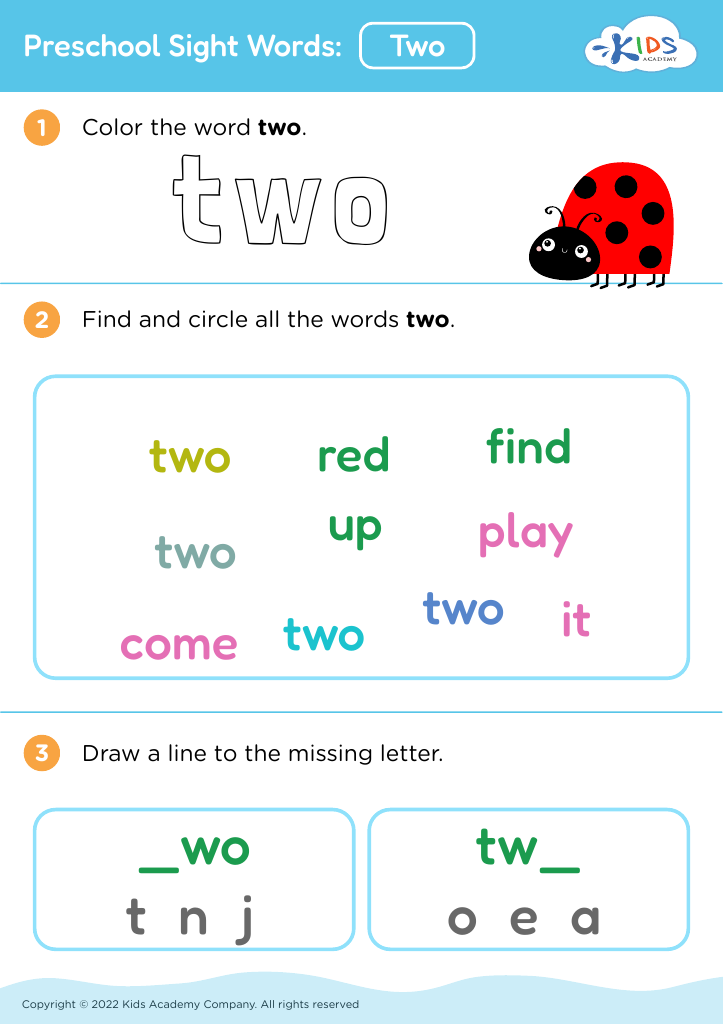
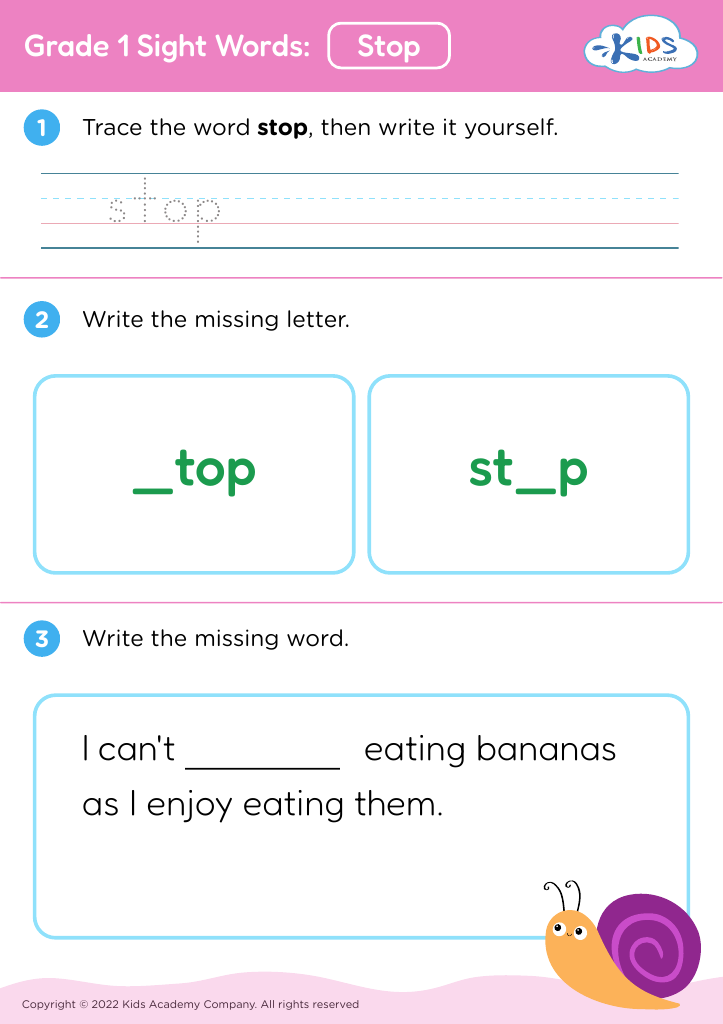
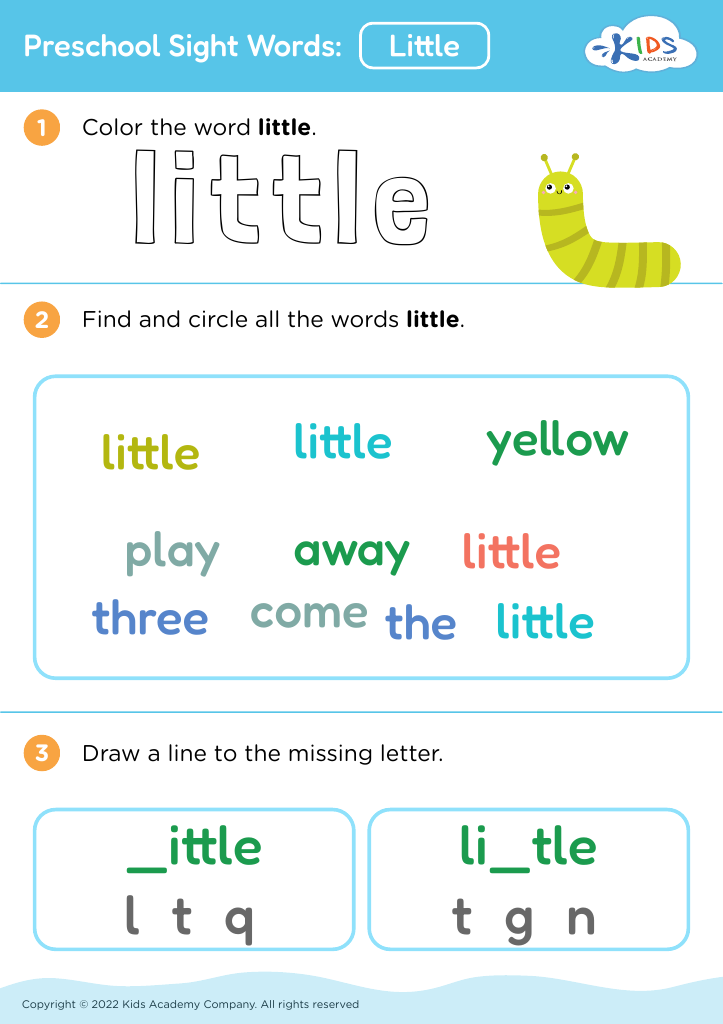
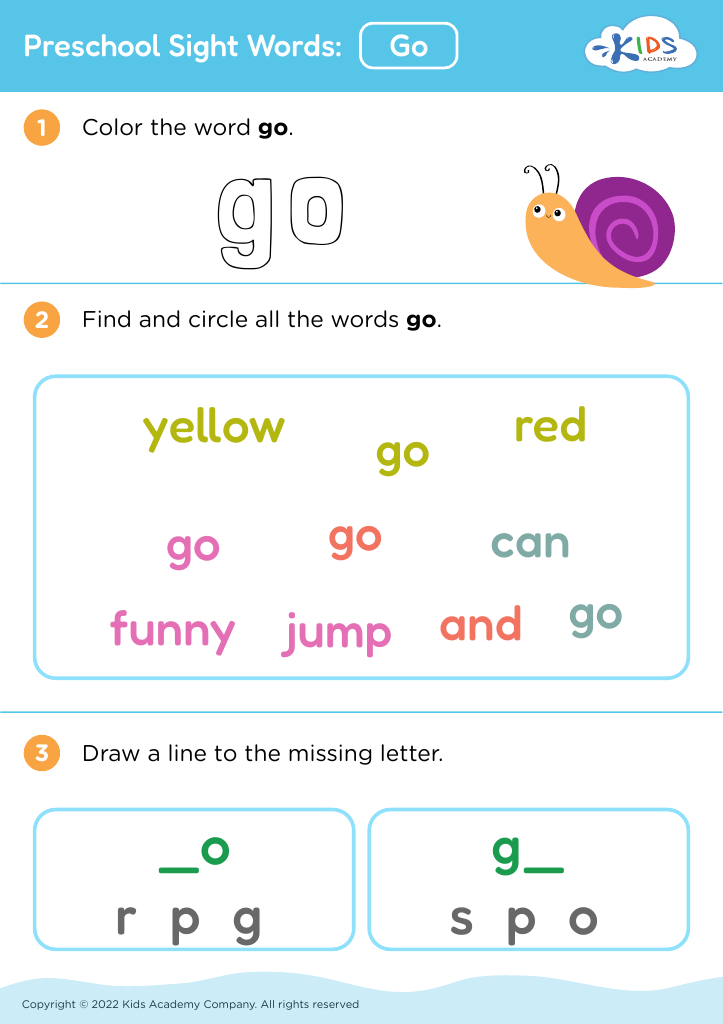
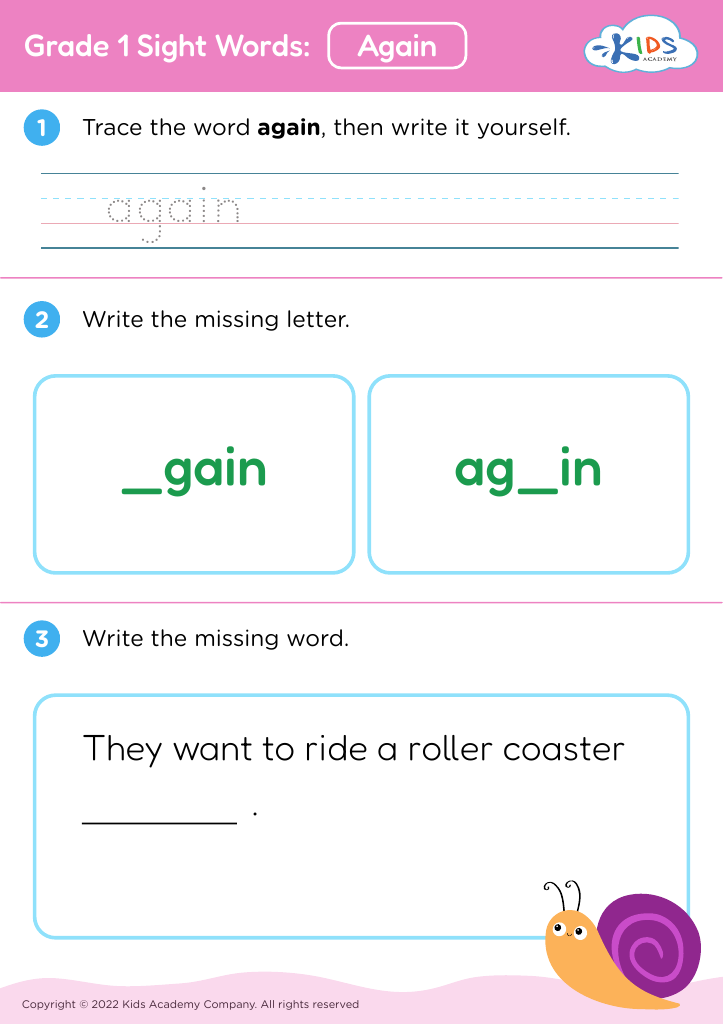
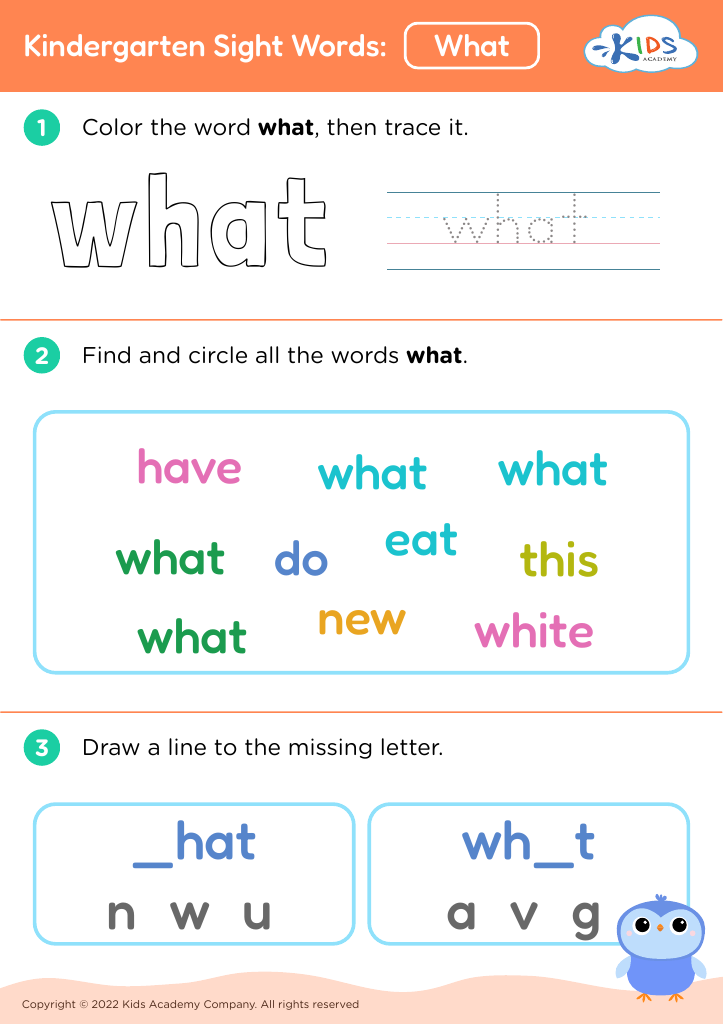
Discover a fun and engaging way to enhance your child's reading skills with our "Understanding Patterns" worksheets, tailored for ages 4-6. Our printable resources are designed to help young learners recognize and interpret patterns in letters, words, and sentences, fostering their comprehension and critical thinking abilities. Each worksheet combines colorful illustrations and interactive activities that make learning enjoyable and effective. Perfect for home schooling or classroom use, these worksheets support early literacy development and bolster essential skills for reading fluency. Download your free worksheets today and watch your child excel in understanding patterns as they embark on their reading journey!
Favorites
With answer key
Interactive
Join Kids Academy for Free
Who is primarily going to use this learning content?








Understanding patterns in reading is crucial for children aged 4-6 as it lays the foundation for their literacy development. At this stage, children begin to recognize letters, sounds, and the structure of simple words and sentences. Patterns in reading help them identify rhymes, sequences, and repetitions, which facilitate decoding skills essential for reading fluency.
When parents and teachers emphasize recognizing patterns, they ignite children's curiosity and enhance their comprehension skills. For example, by introducing repetitive phrases in stories or engaging with alphabet songs, children learn to predict what comes next, making reading an interactive experience. Furthermore, recognizing patterns enables children to build connections—linking new words with familiar sounds, which can boost vocabulary acquisition.
Promoting patterns in reading also supports mathematical thinking and problem-solving skills, as children learn to see relationships and make connections within both literacy and numeracy. By fostering this understanding, parents and teachers not only help children become more confident readers but also prepare them for more complex comprehension tasks in the future. Encouraging a pattern-focused approach in early literacy provides children with essential strategies that benefit their overall academic journey, nurturing a love for reading that lasts a lifetime.








