
Logical Reasoning Reading Fiction Worksheets for Ages 4-6
5 filtered results
Difficulty Level
Grade
Age
-
From - To
Subject
Activity
Standards
Enhance your child's critical thinking skills with our engaging Logical Reasoning Reading Fiction Worksheets designed for ages 4-6. These worksheets blend imaginative storytelling with fun, thought-provoking exercises that encourage children to analyze situations, make inferences, and draw conclusions. As kids explore enchanting stories, they will gain vital logical reasoning skills while boosting their comprehension abilities. Suitable for home or classroom use, these interactive activities make learning enjoyable and effective. Perfect for young learners, our worksheets lay the groundwork for lifelong reading skills and foster a love of literature. Start your child’s journey into the world of reading and reasoning today!
Favorites
With answer key
Interactive
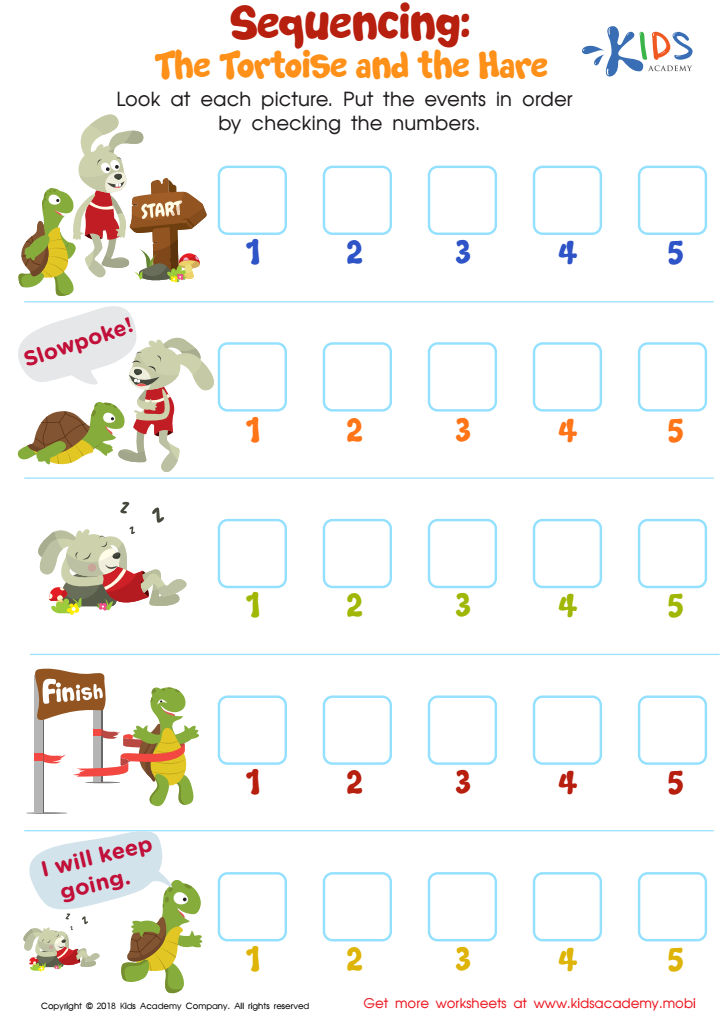
Sequencing: The Tortoise and the Hare Worksheet
Help your child become an independent reader and critical thinker with a sequencing worksheet from Kids Academy! Have them read the classic tale of the tortoise and the hare and use the accompanying worksheet to check their understanding of the story's sequence of events. Have kids identify the correct order of events by selecting the box next to the correct number for each image!
 Assign to My Students
Sequencing: The Tortoise and the Hare Worksheet
Worksheet
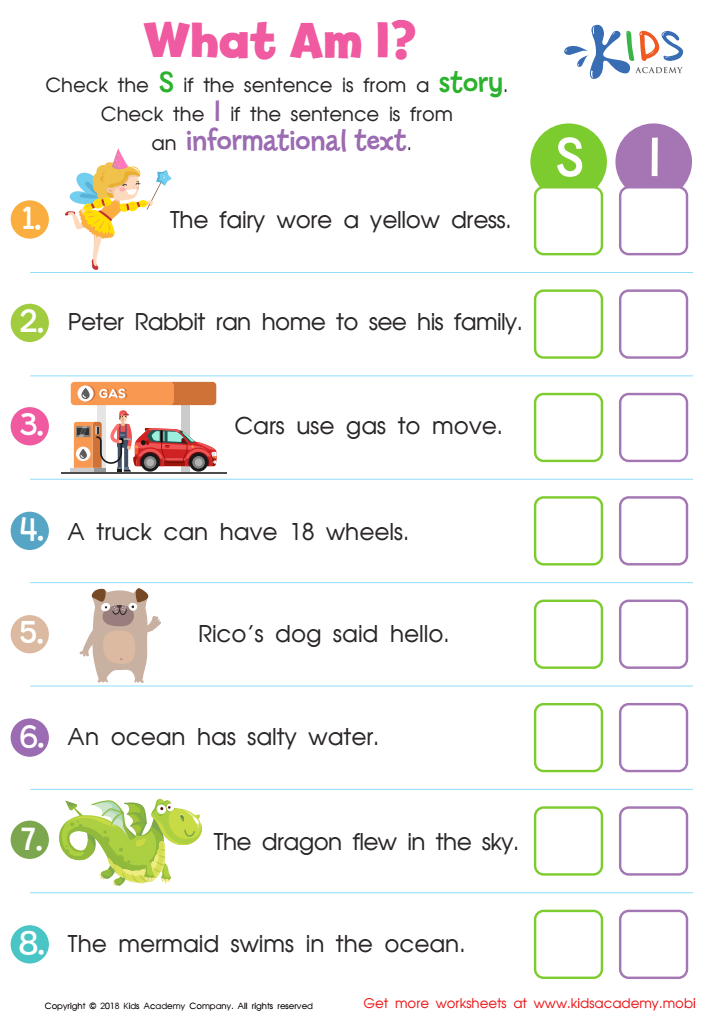
What Am I? Worksheet
This worksheet assesses students' ability to differentiate between stories and texts they read for facts. Students learn to distinguish between reading for pleasure and reading for information. It includes statements from both a story and an informational text, and students must decide what type of text it is.
What Am I? Worksheet
Worksheet
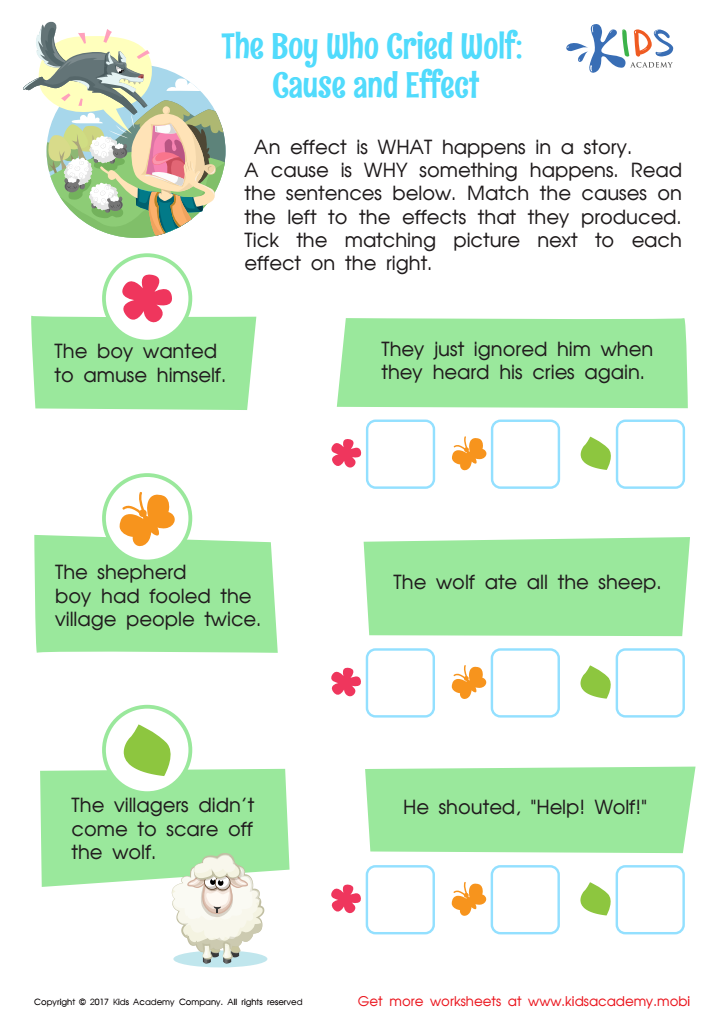
The Boy Who Cried Wolf: Cause and Effect Worksheet
With classic stories and fables, learning reading comprehension is easy - and fun!
The Boy Who Cried Wolf: Cause and Effect Worksheet
Worksheet
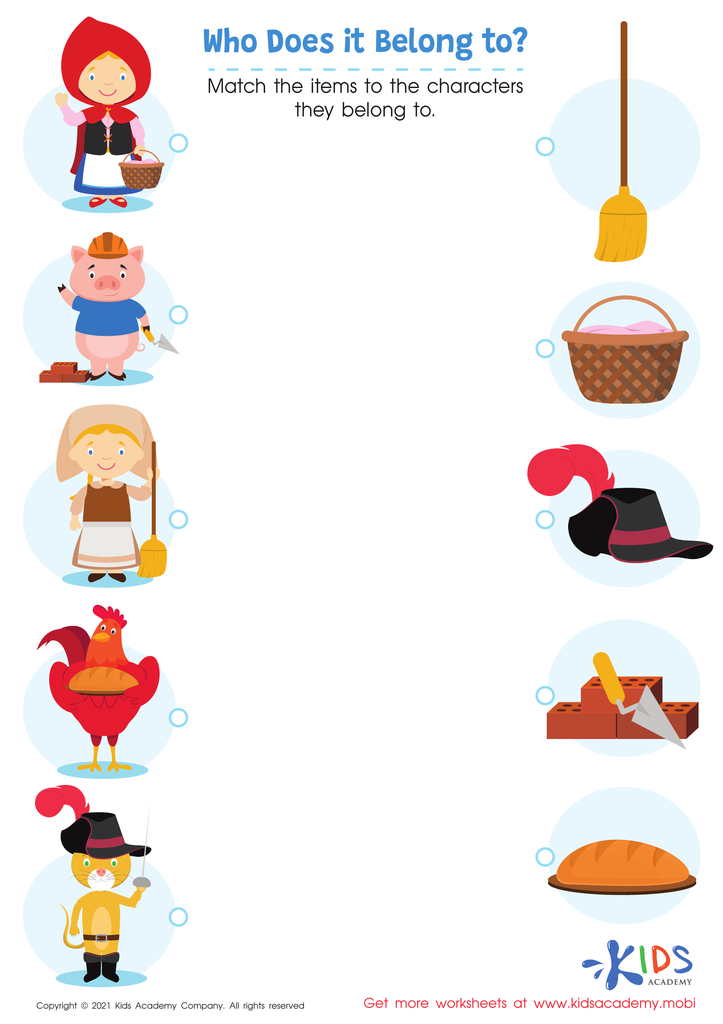
Who Does It Belong To? Worksheet
The summer season is here, and with it comes a variety of activities that can help you beat the heat. Going to the beach, taking a dip in the pool, and having a picnic in the park are some popular choices.
Summer is here! Beat the heat with activities like going to the beach, swimming, and picnicking in the park. Enjoy!
Who Does It Belong To? Worksheet
Worksheet
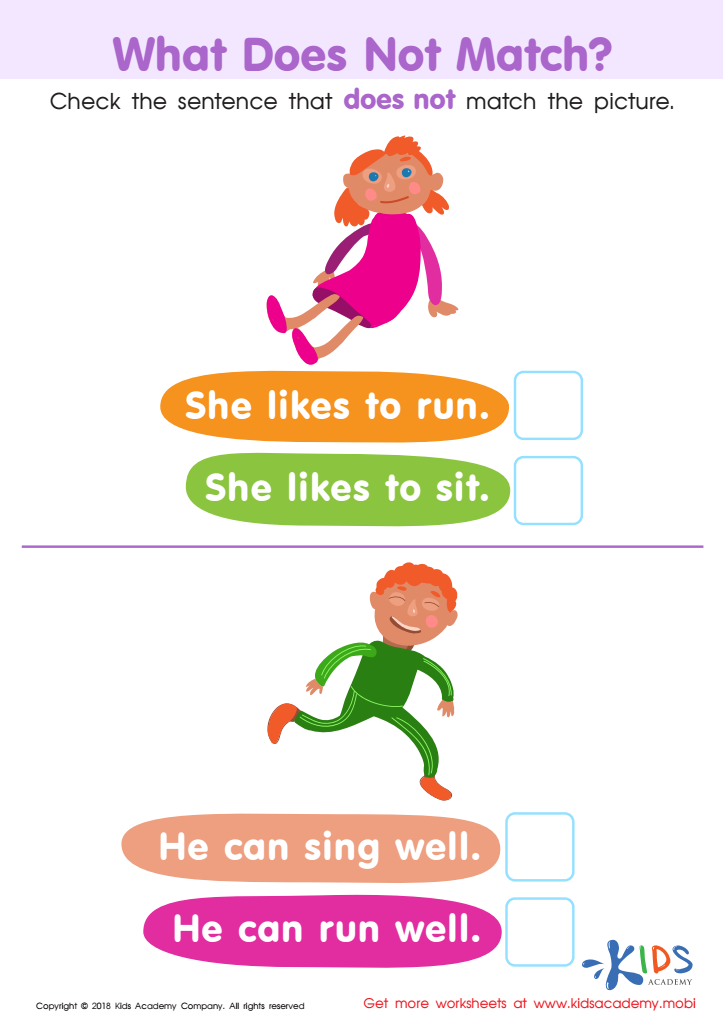
What Does Not Match? Worksheet
Emerging readers need to practice using visual cues and repetitive text. This colorful PDF provides them with an opportunity to look at pictures, use discrimination and discern which phrase does not match. It also enables them to gain familiarity with high-frequency words to aid decoding longer sentences.
What Does Not Match? Worksheet
Worksheet
Join Kids Academy for Free
Who is primarily going to use this learning content?



.jpg)




Logical reasoning in reading fiction for ages 4-6 is essential as it strengthens critical thinking skills crucial for a child's cognitive development. When children engage with stories, they learn to follow plots, understand cause and effect, and make inferences about characters' motivations. This process forms a foundation for problem-solving abilities later in life.
Additionally, reading fiction exposes young learners to diverse perspectives and scenarios, helping them understand complex social dynamics and develop empathy. By analyzing characters' decisions and their consequences, children enhance their logical reasoning skills—skills that are vital not just in academics but in everyday life, influencing their interactions and decision-making.
Moreover, fostering a love for reading at an early age encourages lifelong learning. It instills curiosity, stimulates imagination, and promotes language development—all crucial components of a well-rounded education. Teachers and parents play a pivotal role in guiding children’s explorations of literature. Through discussions and activities related to the stories, adults can help children articulate their thoughts and refine their reasoning skills, making logical reasoning an enjoyable and integral part of literary engagement. In essence, supporting logical reasoning through fiction prepares young children for future academic challenges and life experiences, laying the groundwork for thoughtful, well-rounded individuals.








