Sequencing Skills Reading Fiction Worksheets for Ages 4-6
5 filtered results
-
From - To
Boost your child's reading comprehension with our Sequencing Skills Reading Fiction Worksheets designed for ages 4-6. These fun and engaging worksheets help young learners practice organizing events in the correct order, enhancing their understanding of story structure. With colorful illustrations and simple texts, kids will enjoy arranging scenes and short passages while developing essential cognitive skills. Perfect for both classroom activities and at-home practice, these worksheets offer a supportive and exciting way for early readers to build their sequencing abilities, crucial for mastering reading and comprehension. Foster your child's love for reading with our expertly crafted resources.
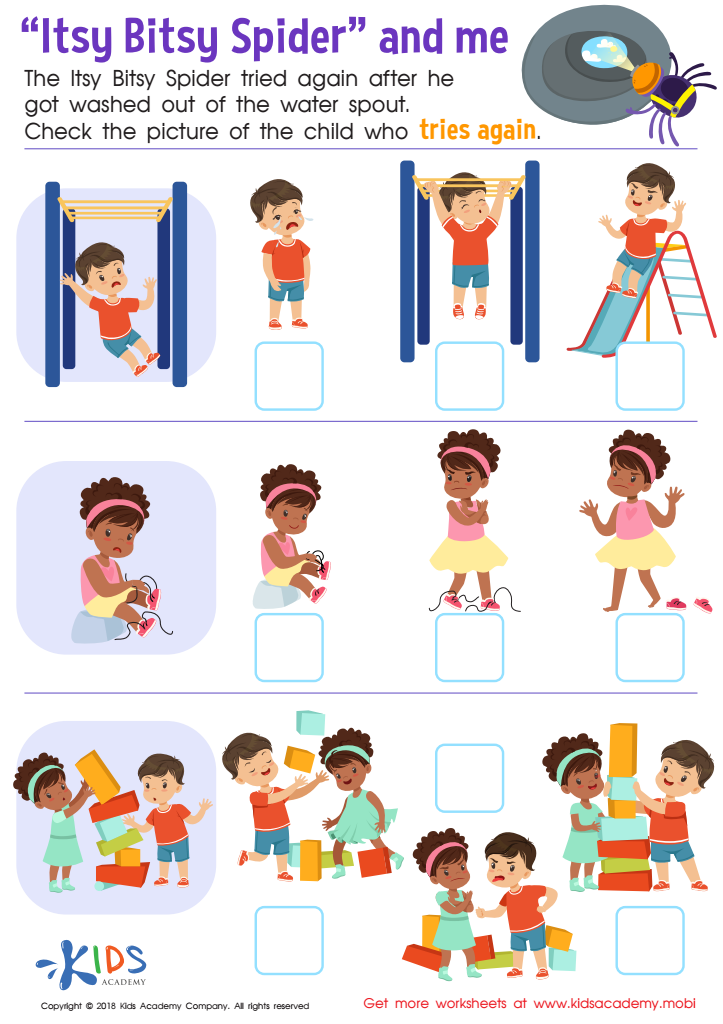
Itsy Bitsy Spider and Me Worksheet
 Assign to My Students
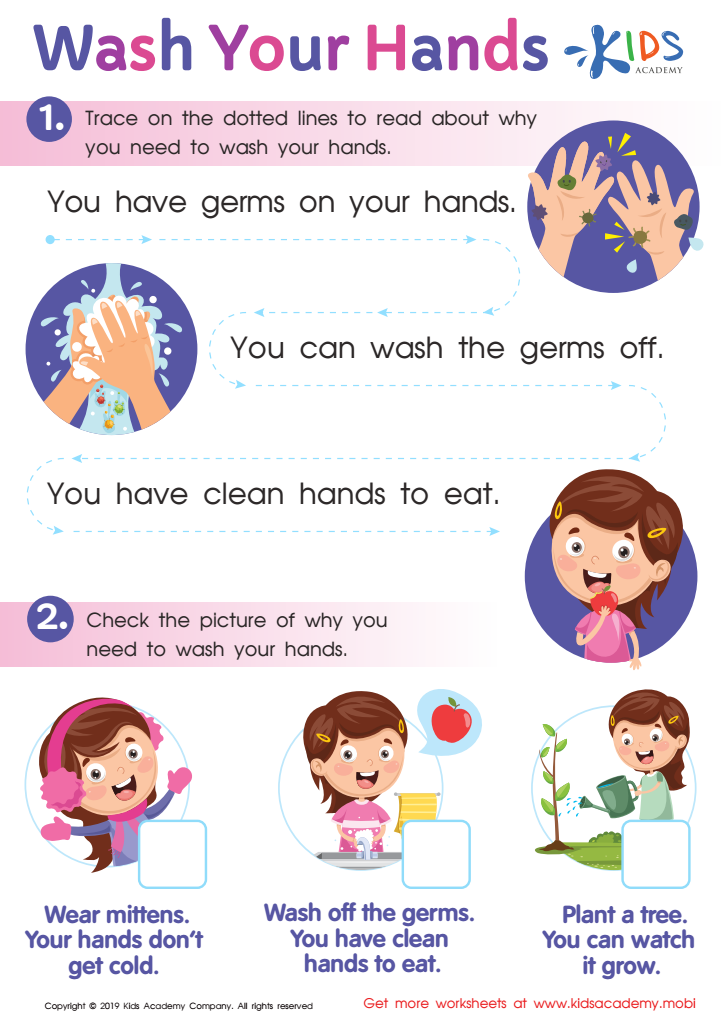
Wash Your Hands Worksheet
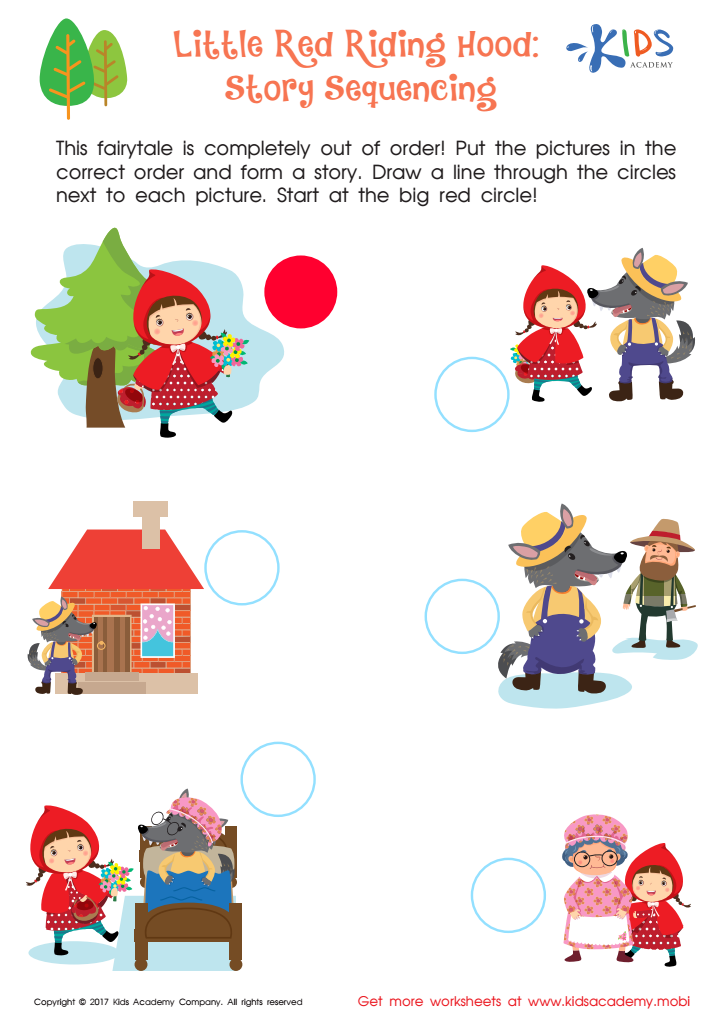
Story Sequencing Printable
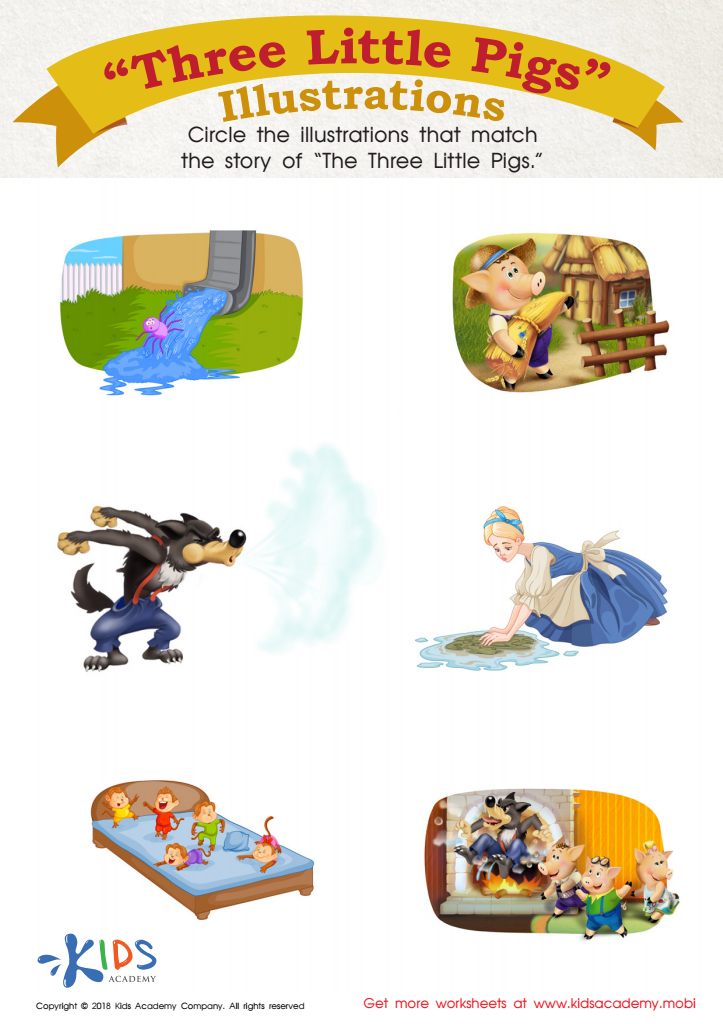
Three Little Pigs: Illustrations Worksheet
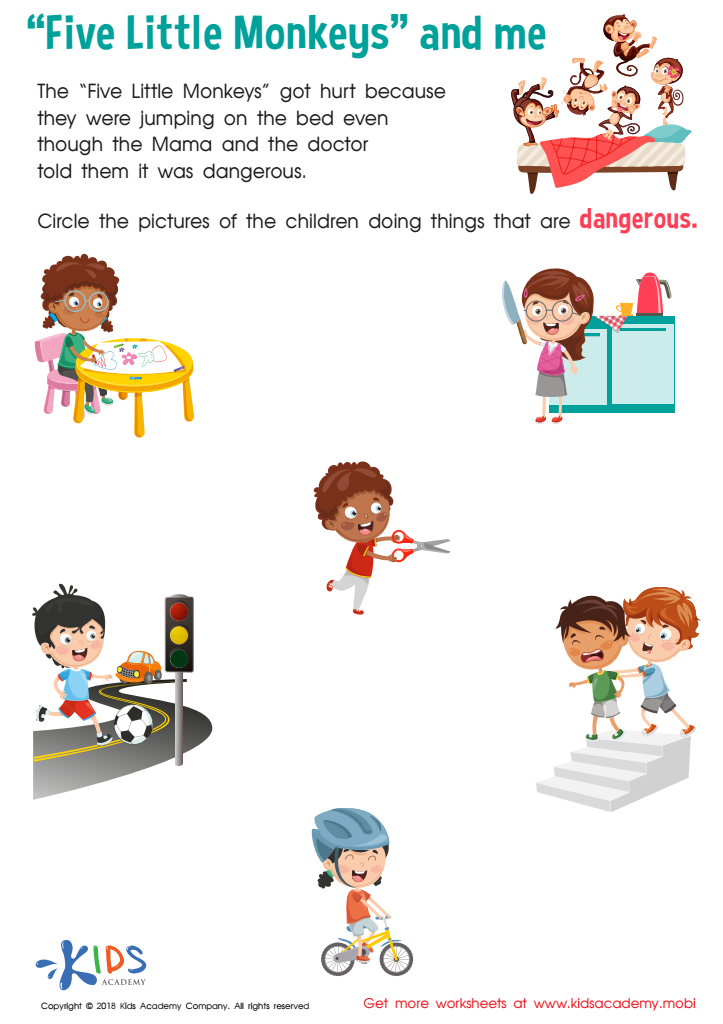
Five Little Monkeys and Me Worksheet






.jpg)
Sequencing skills are crucial for young children's reading and cognitive development, particularly for ages 4-6 who are at an early stage of learning to process information and comprehend language. At this age, kids are beginning to understand the structure of stories and how events unfold in a logical order. When parents and teachers emphasize sequencing skills while reading fiction, they help children grasp basic story elements like beginning, middle, and end, which are foundational for more complex comprehension tasks later on.
These skills enable children to make sense of what they read, which promotes better recall and retention of information. Improved sequencing skills also enhance a child’s ability to predict what might happen next in a story, fostering critical thinking and inferential reasoning. Furthermore, sequencing supports language development by helping children organize their thoughts coherently, which is essential for both verbal and written communication.
By practicing sequencing, children also develop analytical thinking. They learn to distinguish between significant and minor details and understand the cause-and-effect relationships that drive narratives. In turn, these abilities contribute to improved problem-solving skills and overall academic success.
Thus, nurturing sequencing skills in early readers sets the foundation for lifelong literacy and cognitive abilities, making it a worthwhile focus for parents and teachers alike.








