Story analysis Reading Fiction Worksheets for Ages 4-6
5 filtered results
-
From - To
Introduce young minds to the joy of reading with our "Story Analysis Reading Fiction Worksheets for Ages 4-6". Perfectly tailored for early learners, these engaging worksheets help develop crucial comprehension and critical thinking skills. Kids delight in exploring colorful stories while answering questions about characters, settings, and plots. Each worksheet is designed to be visually appealing and age-appropriate, ensuring a fun, interactive learning experience. By fostering early literacy, our worksheets lay a strong foundation for future reading success. Encourage a love for reading and story exploration in your child today – making learning an adventure they’ll look forward to!
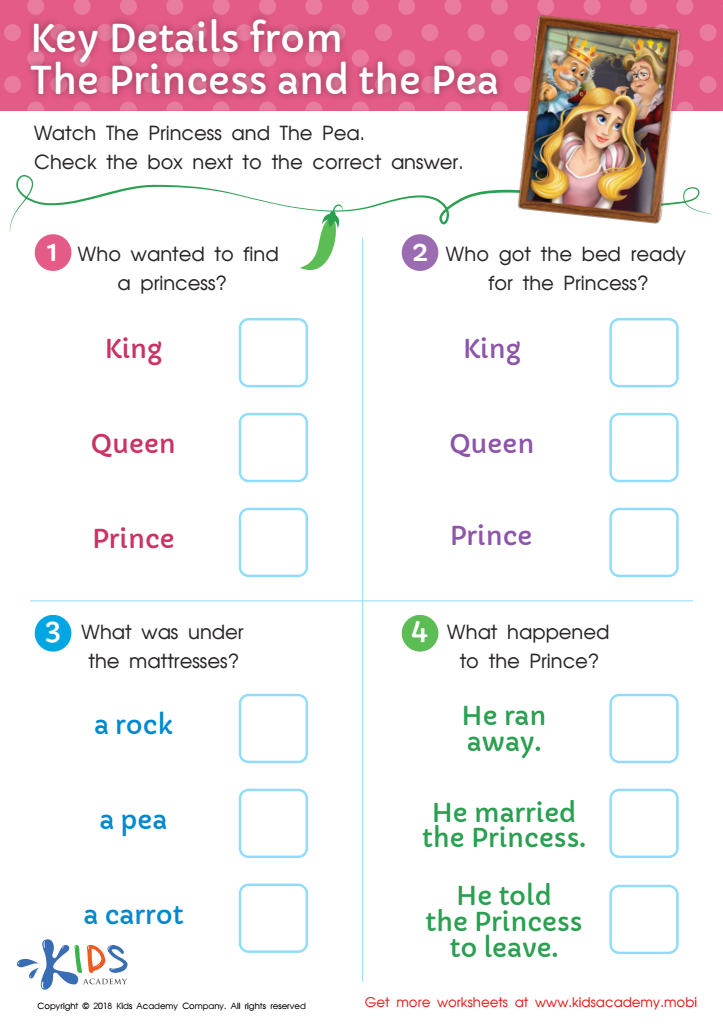
Key Details from the Princess and the Pea Worksheet
 Assign to My Students
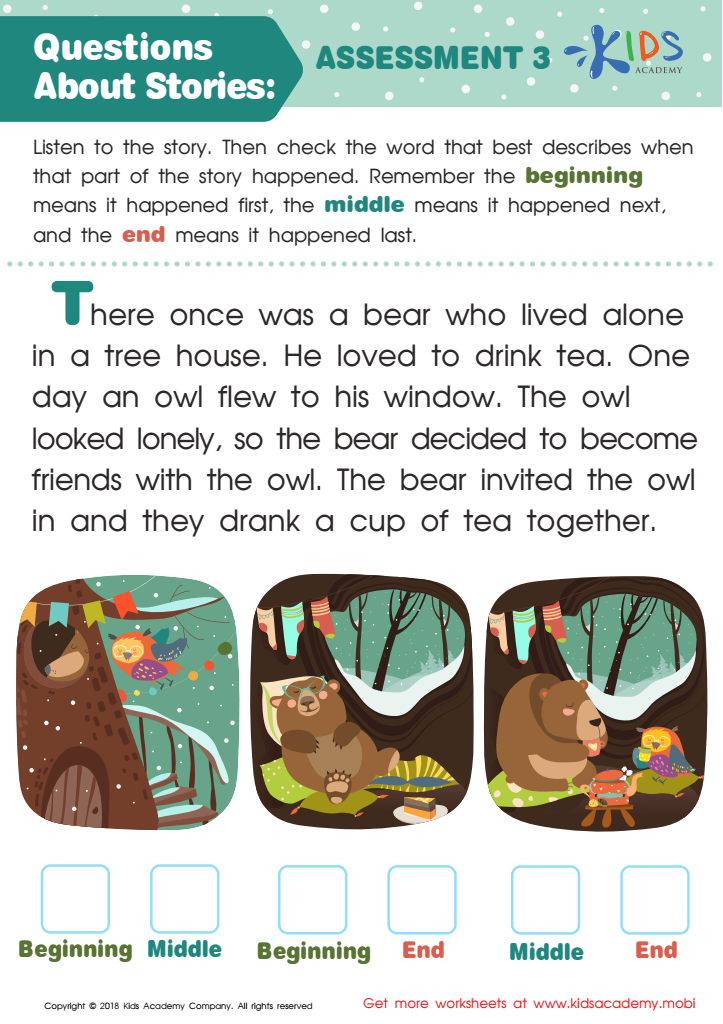
Questions About Stories: Assessment 3 Worksheet
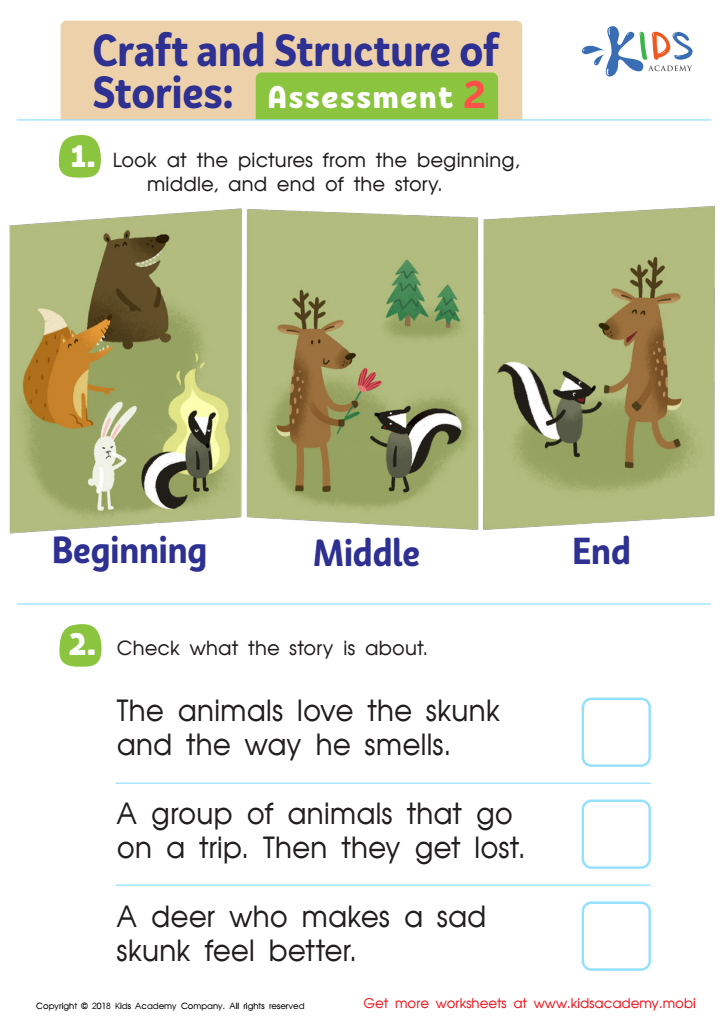
Craft and Structure of Stories: Assessment 2 Worksheet
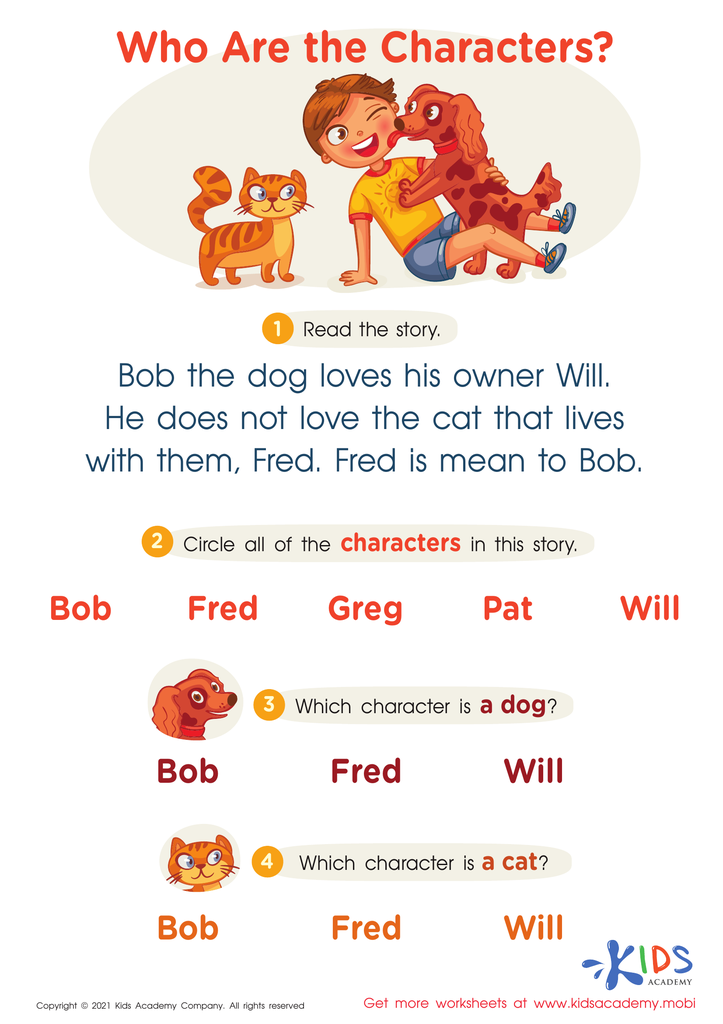
Who Are the Characters? Worksheet
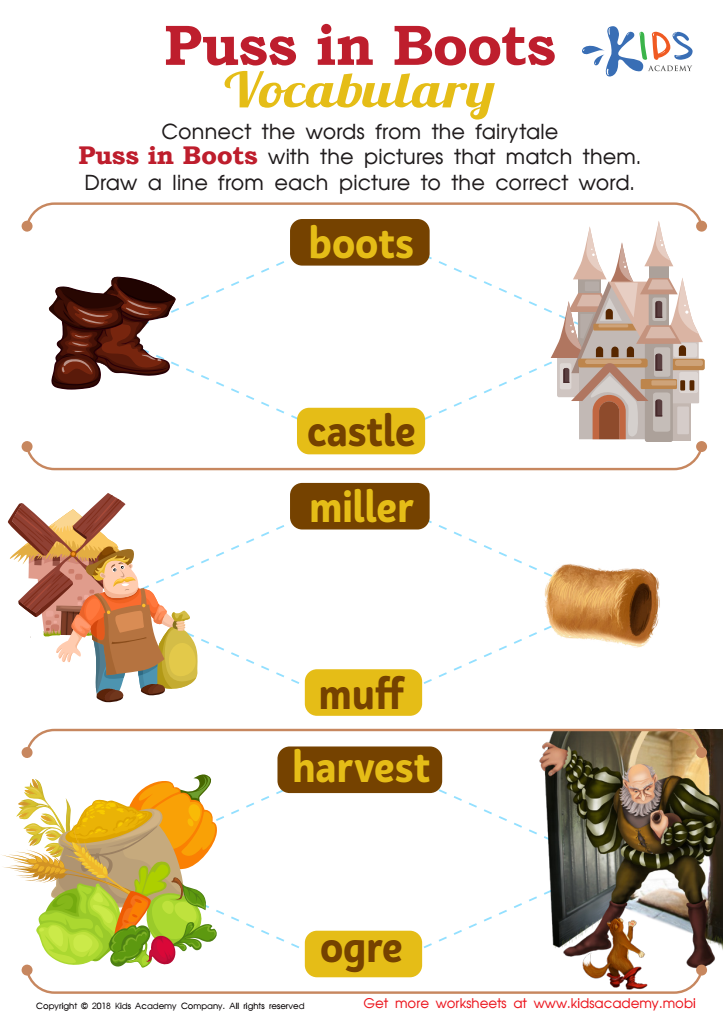
Puss in Boots Vocabulary Worksheet





.jpg)

Reading fiction and engaging in story analysis is vital for children ages 4-6 because it lays the groundwork for crucial cognitive, emotional, and social development. During these formative years, children’s brains are rapidly growing, and exposure to stories helps expand their vocabularies, enhance comprehension, and develop early literacy skills. When parents and teachers read fiction to young children and discuss the stories, they foster a love for reading, which is essential for lifelong learning.
Story analysis at this age involves simple activities like asking questions about the plot, characters, and settings. These discussions encourage children to think critically and make connections, which cultivates their reasoning and analytical skills. Additionally, interpreting characters’ emotions and actions within a story allows children to develop empathy. They begin to understand different perspectives and emotions, which enhances their social-emotional development.
Engaging with stories also stimulates creativity and imagination, encouraging children to envision worlds beyond their immediate surroundings. When parents and teachers prioritize story analysis, they create opportunities for interactive learning and bonding. This positive, engaging interaction supports not just academic skills, but also relationship-building and emotional security. In essence, integrating fiction and story analysis into early education forms a holistic foundation for children’s growth and success.








