Fraction Addition Sight Words Worksheets for Ages 4-6
3 filtered results
-
From - To
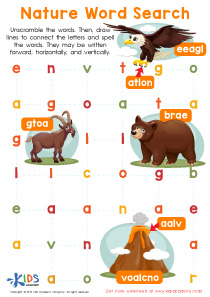
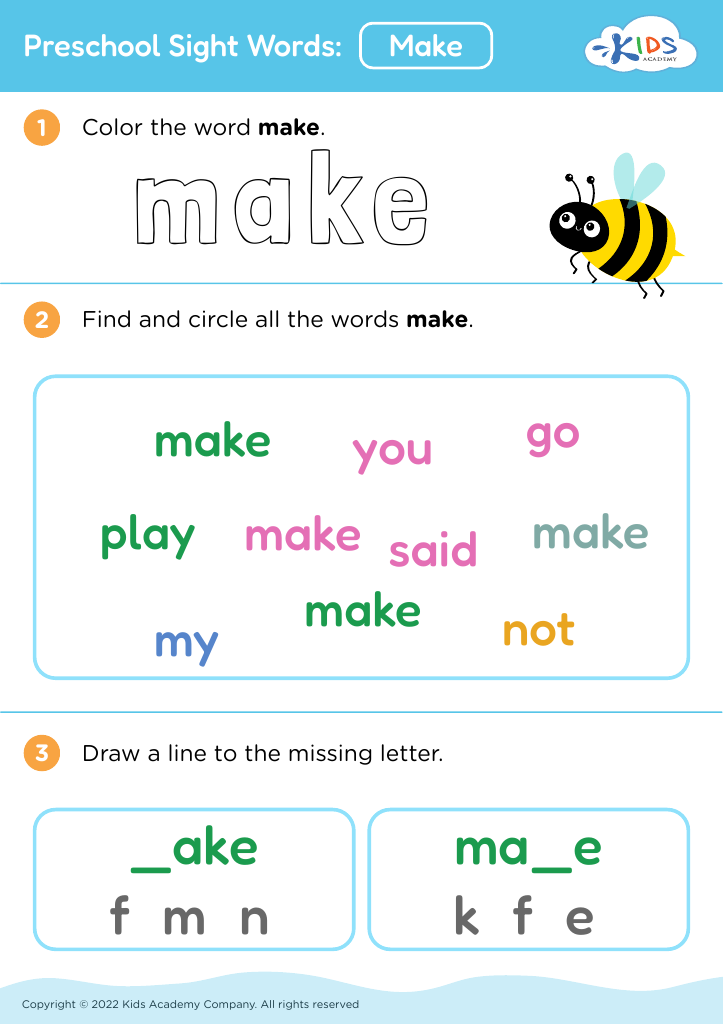
Introducing our engaging “Fraction Addition Sight Words Worksheets” designed specifically for children ages 4-6! These colorful, interactive worksheets seamlessly combine math and literacy, helping young learners master fundamental sight words while building their fraction addition skills. Each worksheet features fun visuals and simple problems that make learning enjoyable and effective. Ideal for preschoolers and kindergarten students, these worksheets reinforce foundational concepts through play and exploration. Parents and teachers can easily incorporate them into the classroom or home learning environments. Start your child's educational journey today, boosting both their math confidence and sight word recognition with our thoughtfully crafted materials!




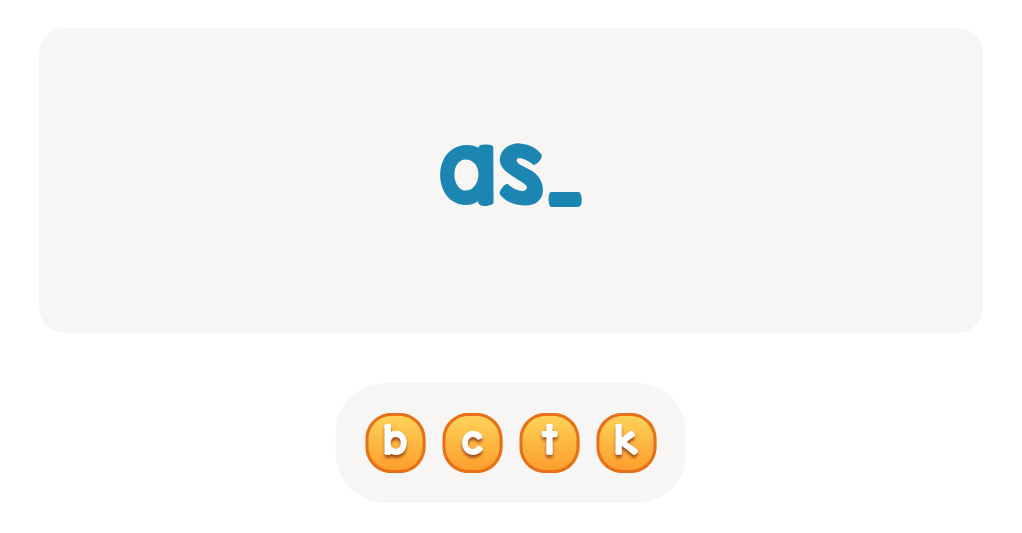
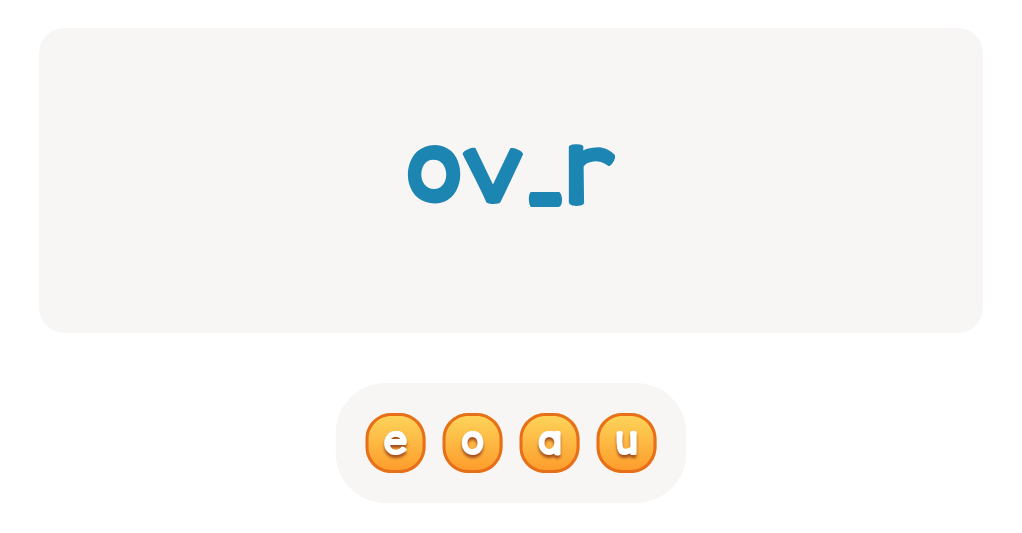
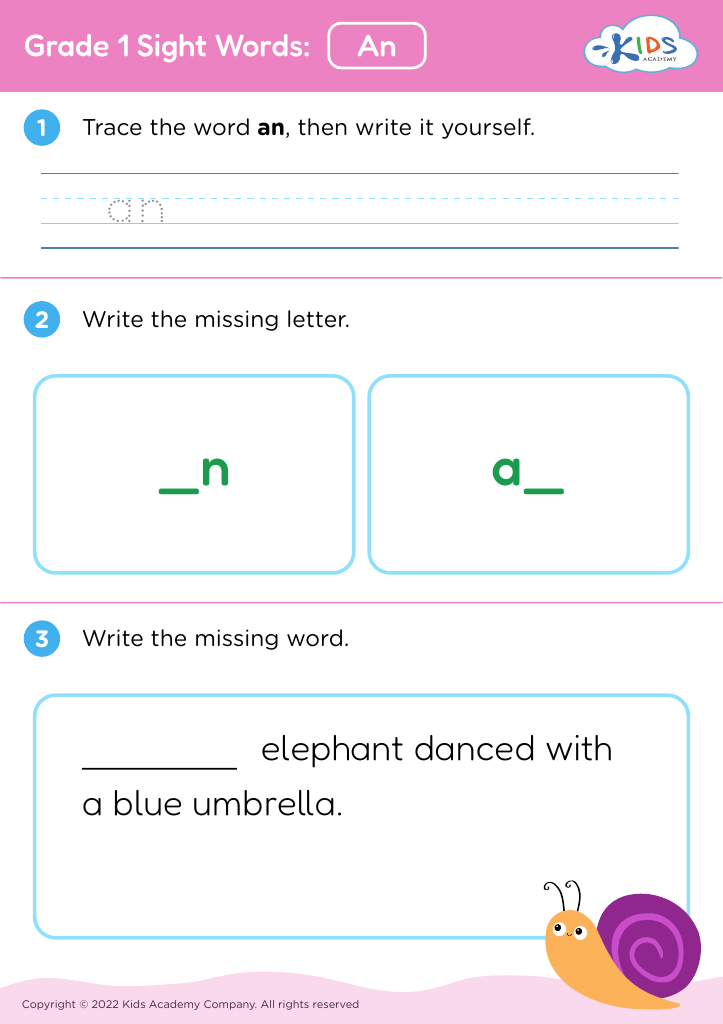
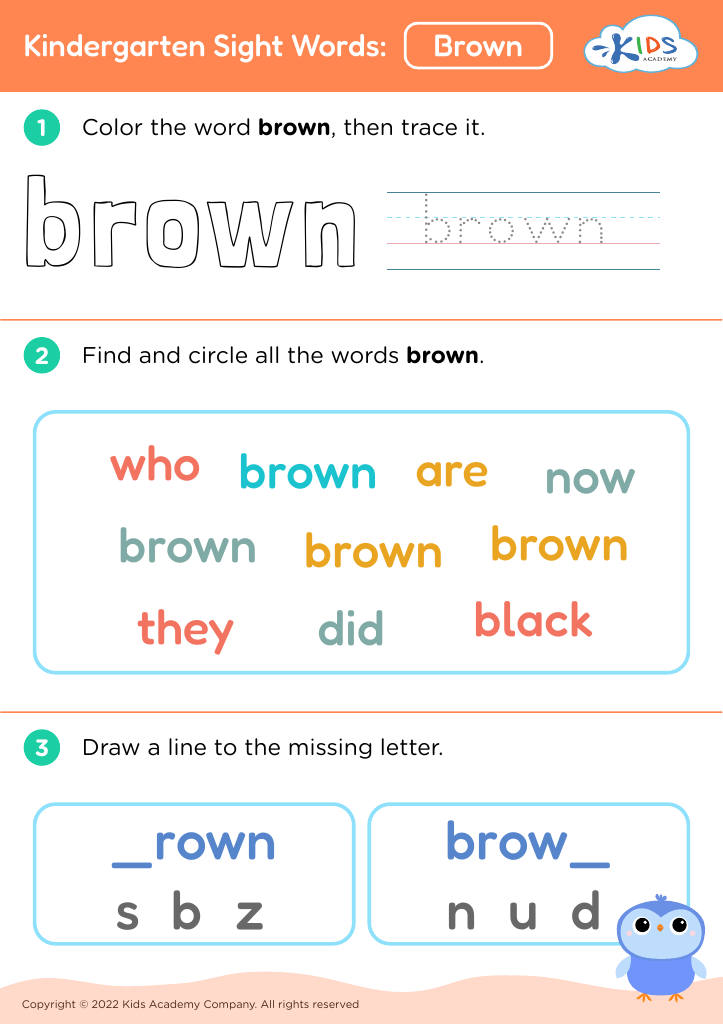







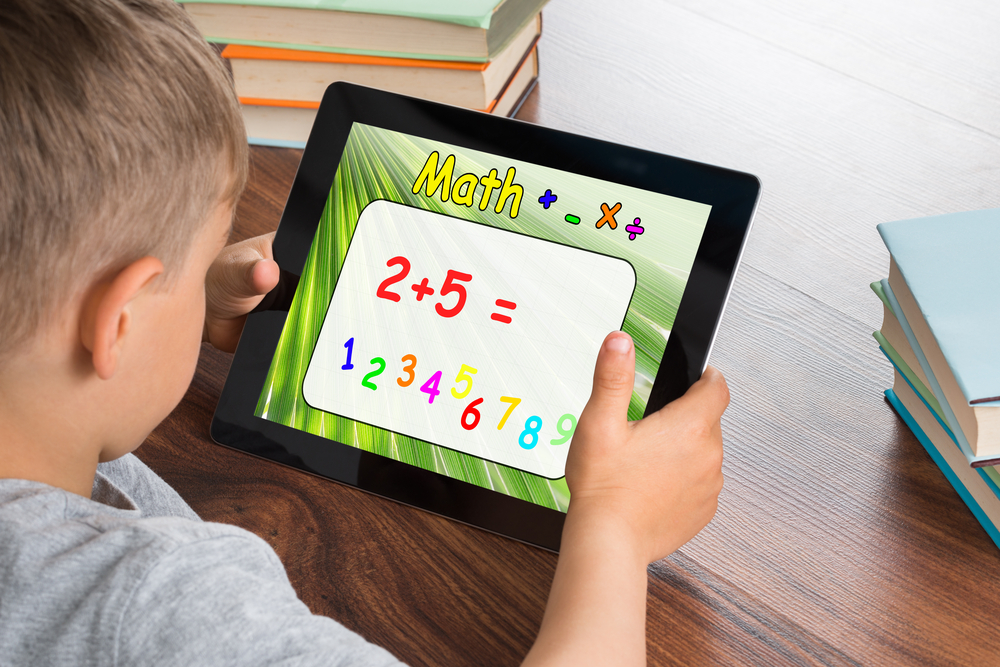
Fraction Addition Sight Words are integral for young learners, particularly between ages 4-6, as they form the foundational vocabulary necessary for understanding basic mathematics. Sight words enable children to recognize key terms and concepts without needing to sound them out, allowing for smoother and more confident engagement with math problems. When parents and teachers help children familiarize themselves with these specific terms, they inject a sense of fluency in math-related discussions.
Moreover, introducing Fraction Addition Sight Words during this formative stage cultivates critical thinking and fosters a deeper understanding of numerical relationships. It empowers children to articulate their thoughts on addition, even when mathematical complexities arise. As children interact with these terms, whether through games, stories, or playful exercises, they gain valuable experience in identifying fractions, such as "one-half" or "three-fourths", building a robust mathematical vocabulary.
Crucially, early exposure to sight words linked to fraction addition can instill confidence and enthusiasm towards math. Parents and teachers who prioritize this learning can disrupt common aversions to math, making it an engaging and enjoyable subject. Ultimately, nurturing these foundational skills enhances children’s cognitive growth and sets them on a positive trajectory for future mathematical successes.