Logical Reasoning Sight Words Worksheets for Ages 4-6
3 filtered results
Difficulty Level
Grade
Age
-
From - To
Subject
Activity
Standards
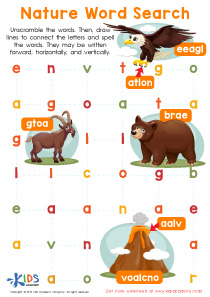
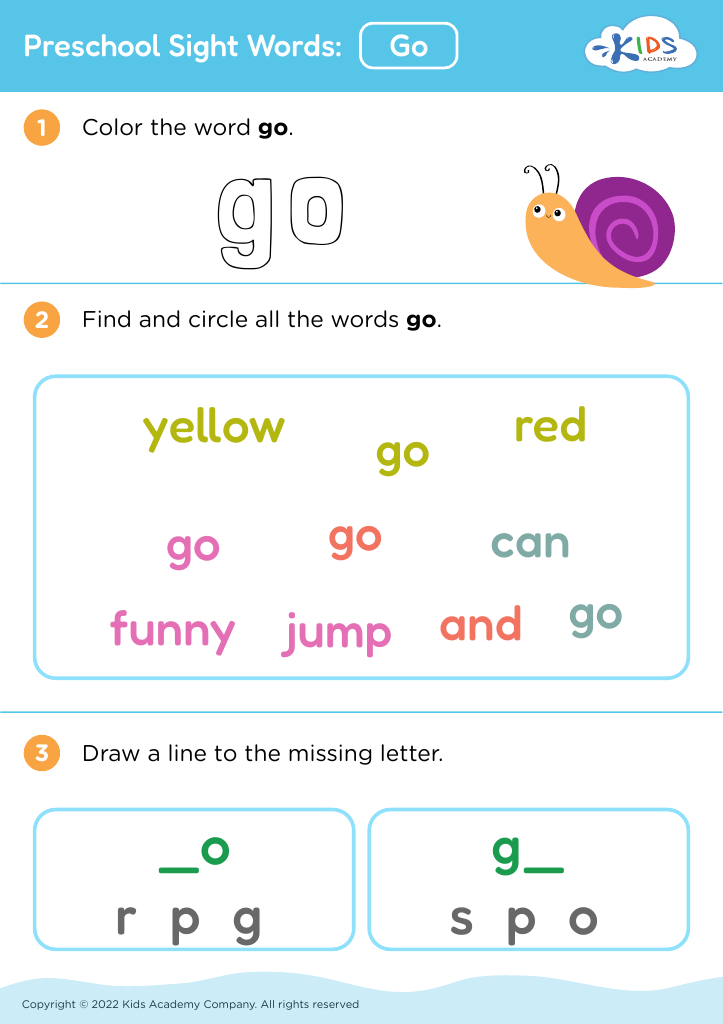
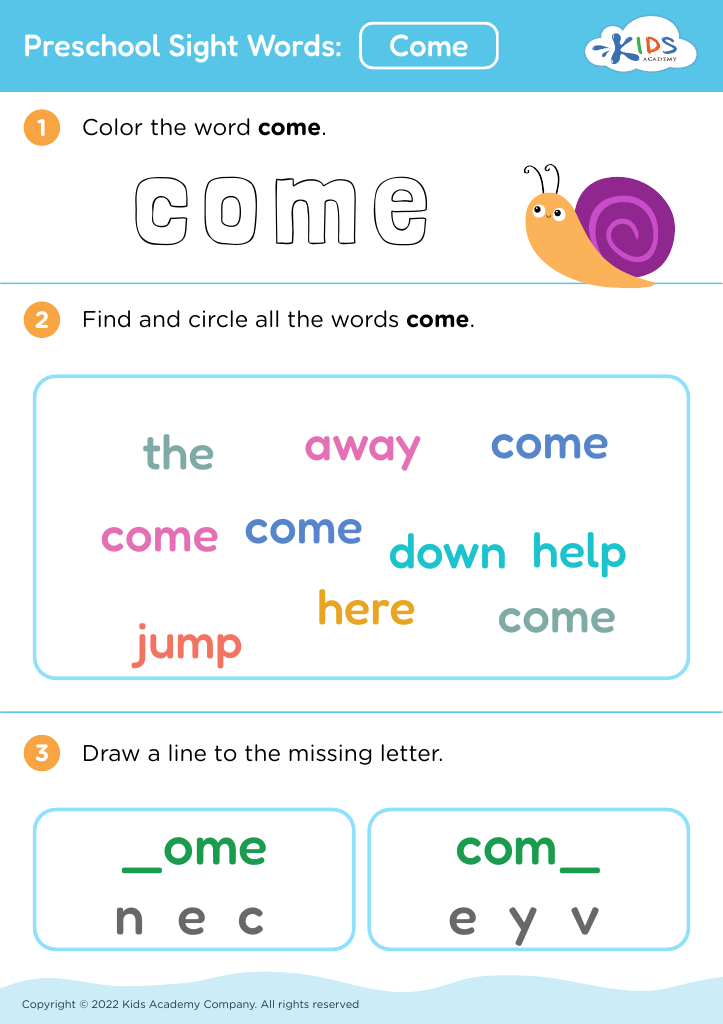
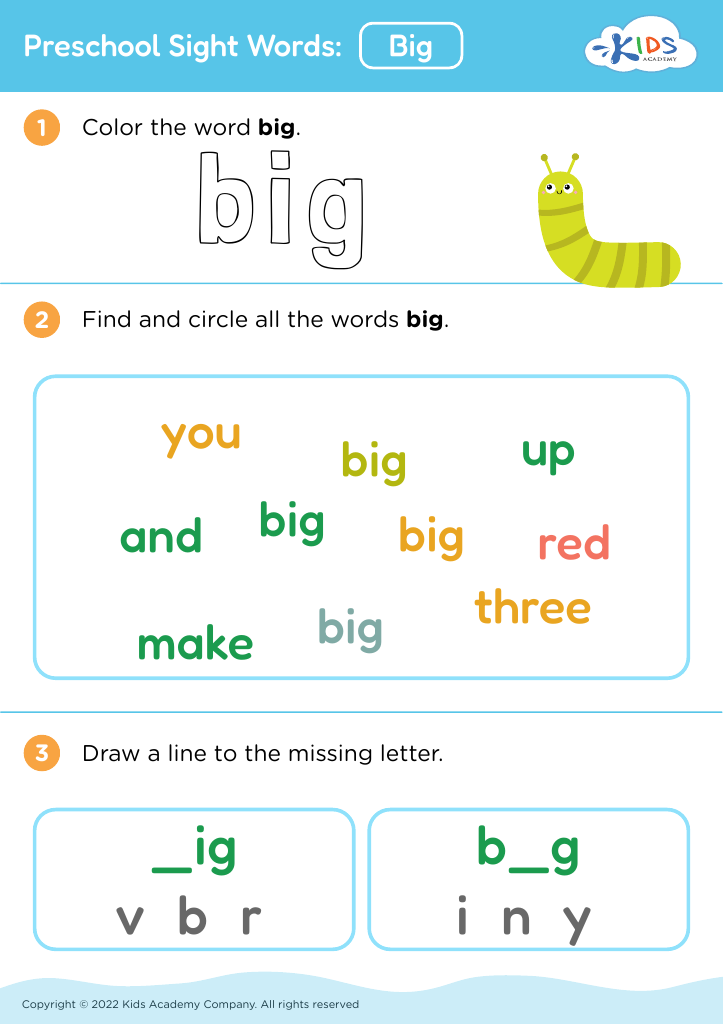
Unlock your child's potential with our "Logical Reasoning Sight Words Worksheets for Ages 4-6"! These expertly crafted worksheets combine essential sight word practice with engaging logical reasoning activities. Designed to improve reading skills, boost critical thinking, and enhance cognitive development, these exercises transform learning into a fun adventure. Perfect for early learners, each sheet features colorful illustrations and gentle challenges that keep young minds interested and motivated. Ideal for classroom use and homeschooling, these worksheets are a valuable resource for any parent or educator looking to foster academic growth. Make reading time an exciting journey today!
Favorites
With answer key
Interactive





Join Kids Academy for Free
Who is primarily going to use this learning content?







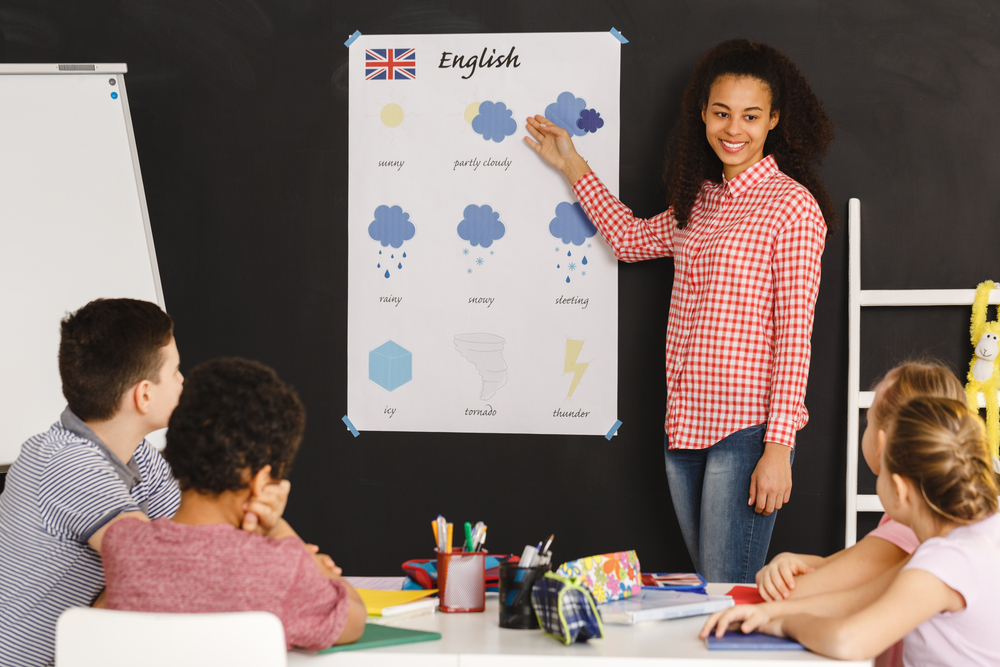
Parents and teachers should care about Logical Reasoning Sight Words for ages 4-6 because these foundational skills play a crucial role in early cognitive and literacy development. Sight words, such as commonly used words that young children are encouraged to recognize at a glance, without phonetically decoding them individually, help enhance reading fluency. When children master sight words, they spend less cognitive energy on figuring out each word and more on understanding the overall sentence context, improving comprehension from an early age.
Logical reasoning, on the other hand, involves recognizing patterns, sequencing, problem-solving, and making connections, all of which are vital for academic success and everyday decision-making. Integrating logical reasoning with sight word recognition allows young learners to build critical thinking skills while expanding their vocabulary.
Additionally, children in this age group have peak capacities for absorbing information, so combining logical reasoning exercises with sight word practice can significantly enhance their mental development. It fosters a growth mindset, encourages curiosity, and builds confidence in their learning abilities. Ultimately, caring about these skills equips children with the tools they need to excel not only in their current learning environments but in all future academic and life endeavors.