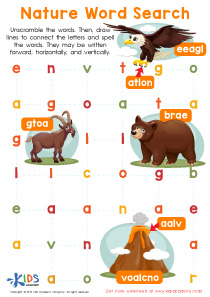
Recognizing Patterns Sight Words Worksheets for Ages 4-6
3 filtered results
-
From - To
Enhance your child's literacy skills with our "Recognizing Patterns Sight Words Worksheets" designed specifically for ages 4-6. These engaging worksheets introduce young learners to key sight words through fun and interactive activities that highlight word patterns, making reading easier and more intuitive. By recognizing patterns, children can improve their vocabulary recognition while developing essential phonetic awareness. Our worksheets are perfect for home or classroom use, ensuring that children get the necessary practice in a playful and stimulating environment. Boost your child’s confidence in reading with these delightful worksheets that turn learning into an enjoyable adventure!
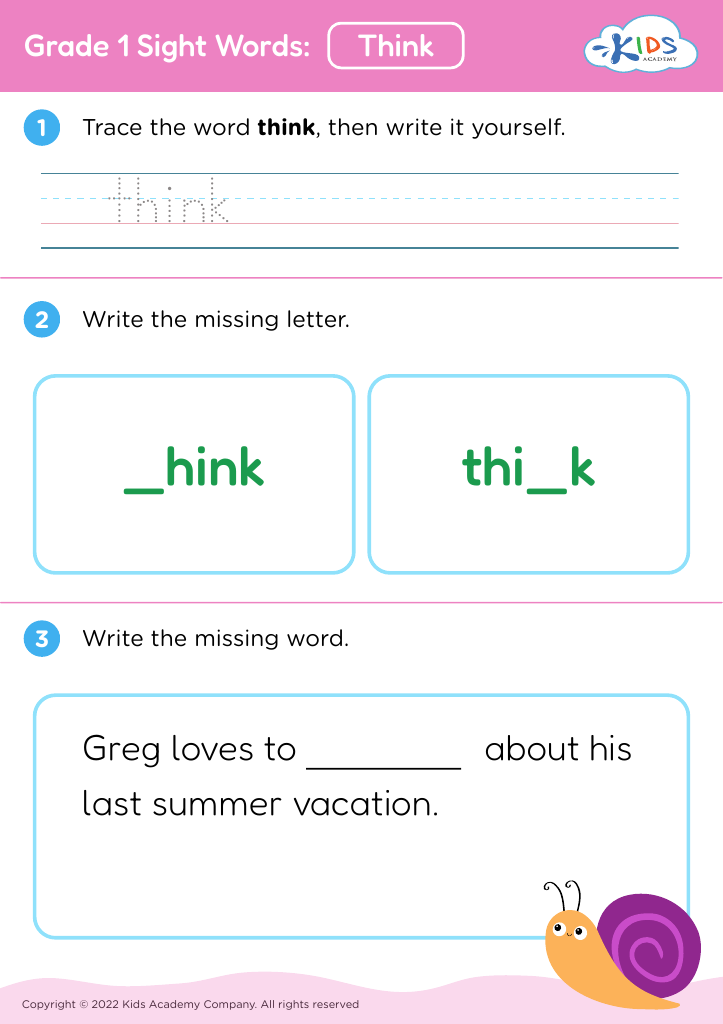

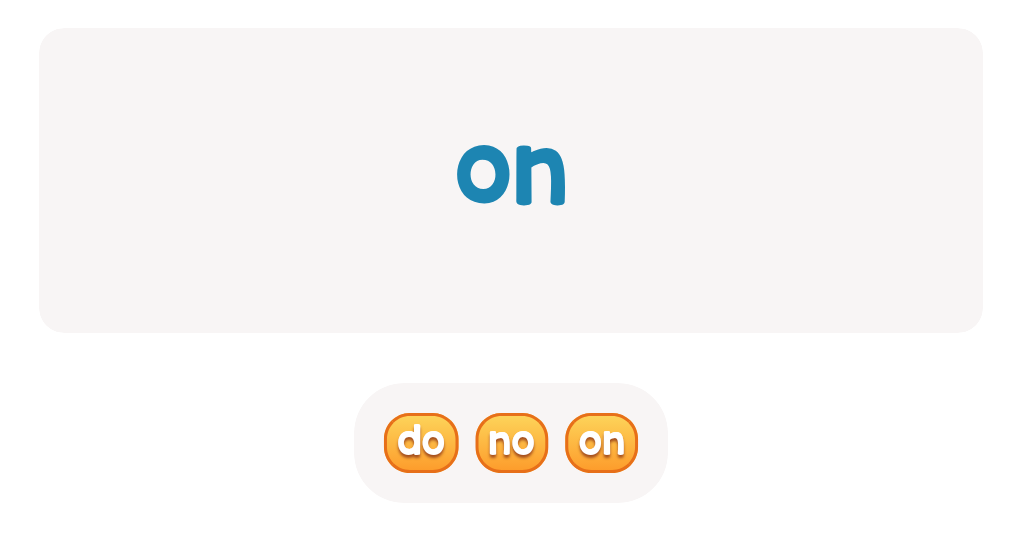
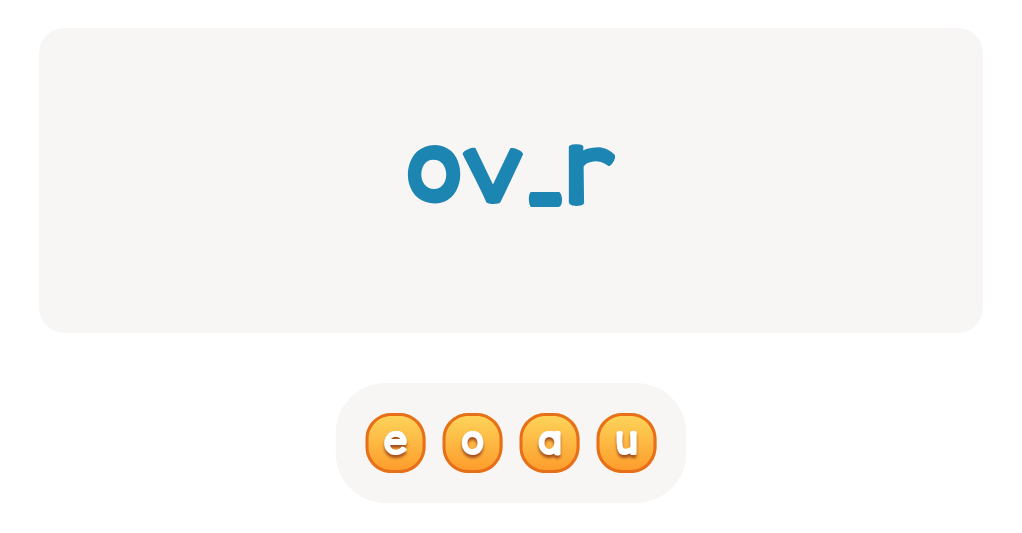
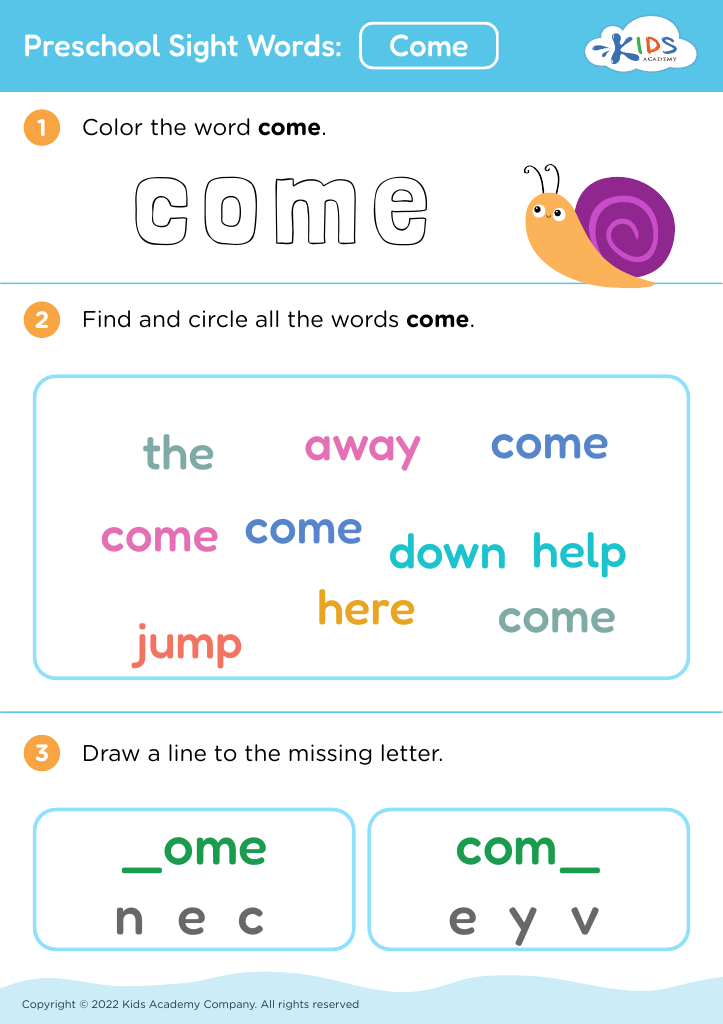
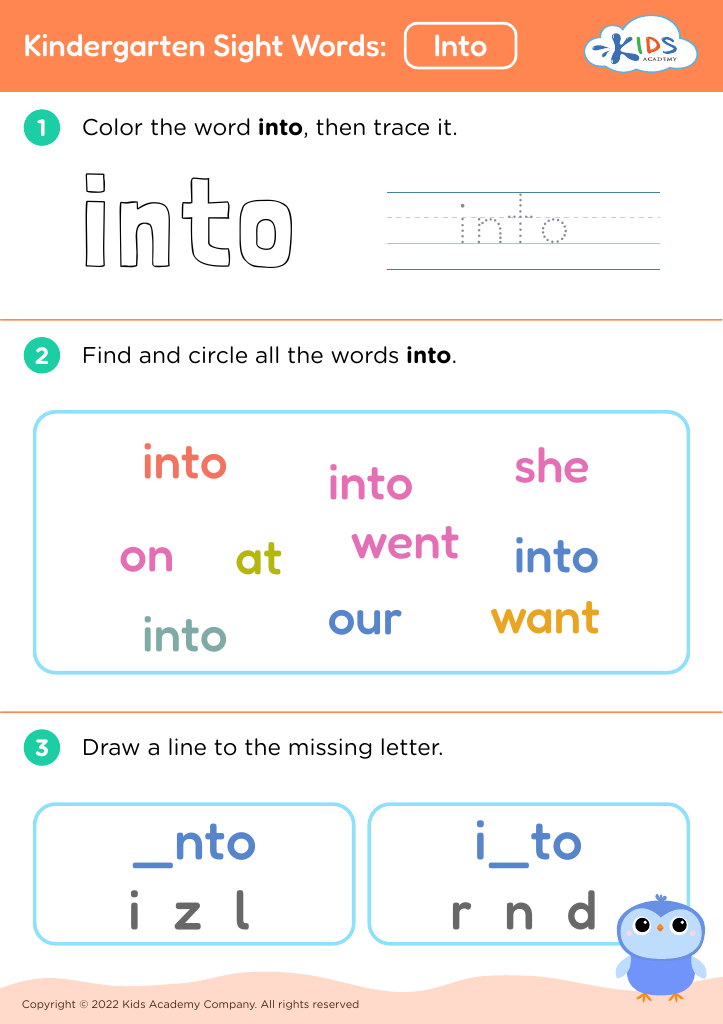






Recognizing patterns in sight words is crucial for children aged 4-6 as it lays the foundation for reading fluency and comprehension. During these formative years, children are developing essential literacy skills, and understanding sight words, which are often repetitive and commonly used in texts, helps them recognize words by sight rather than through phonetic decoding alone.
When children learn to recognize patterns in sight words, such as common prefixes, suffixes, or similar spellings, they become more confident readers. This boosts their ability to predict and understand text, fostering a love for reading early on. Pattern recognition also enhances memory retention, allowing children to recall words more easily, improving overall literacy development.
Furthermore, when parents and teachers prioritize sight word recognition, they're bridging the gap between pre-reading skills and advanced literacy. Engaging children in fun activities, such as games and flashcards focused on patterned sight words, nurtures their cognitive development and keeps them motivated.
In summary, by valuing the recognition of pattern sight words, parents and teachers can support children's early reading success, engagement with language, and build a solid foundation for lifelong learning and literacy skills.