Understanding fractions Sight Words Worksheets for Ages 4-6 - Page 2
35 filtered results
-
From - To

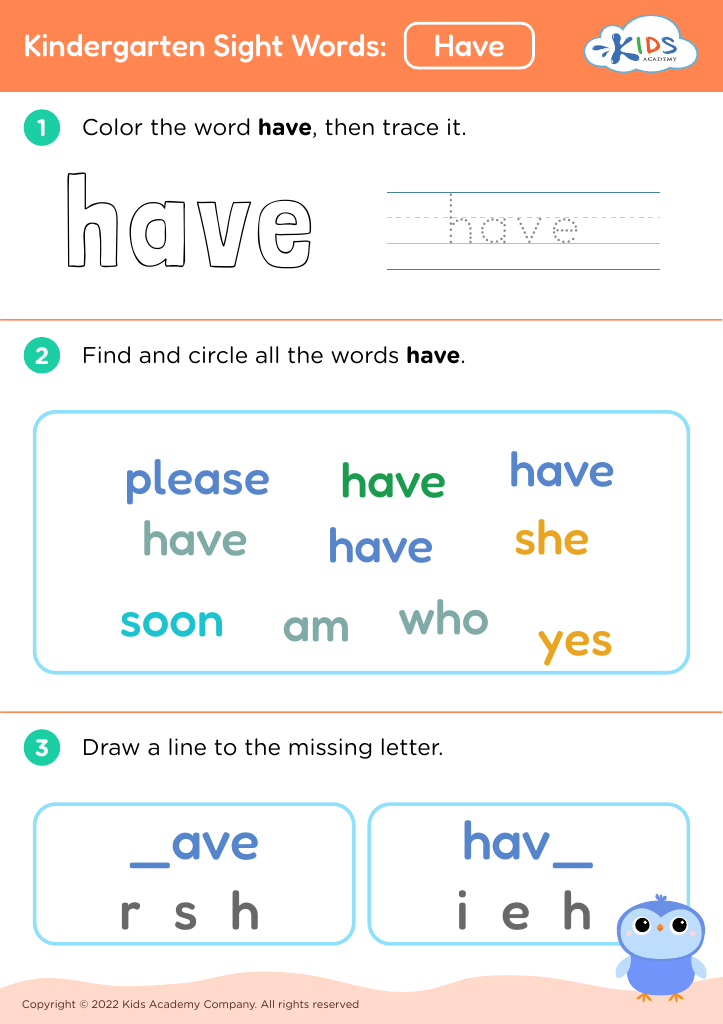
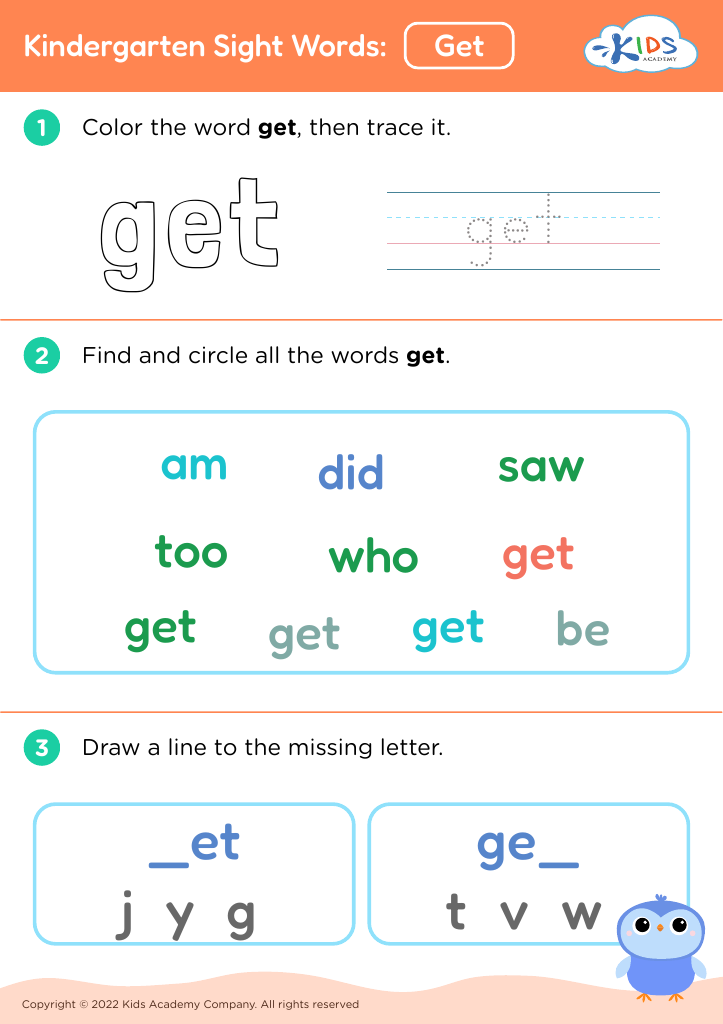
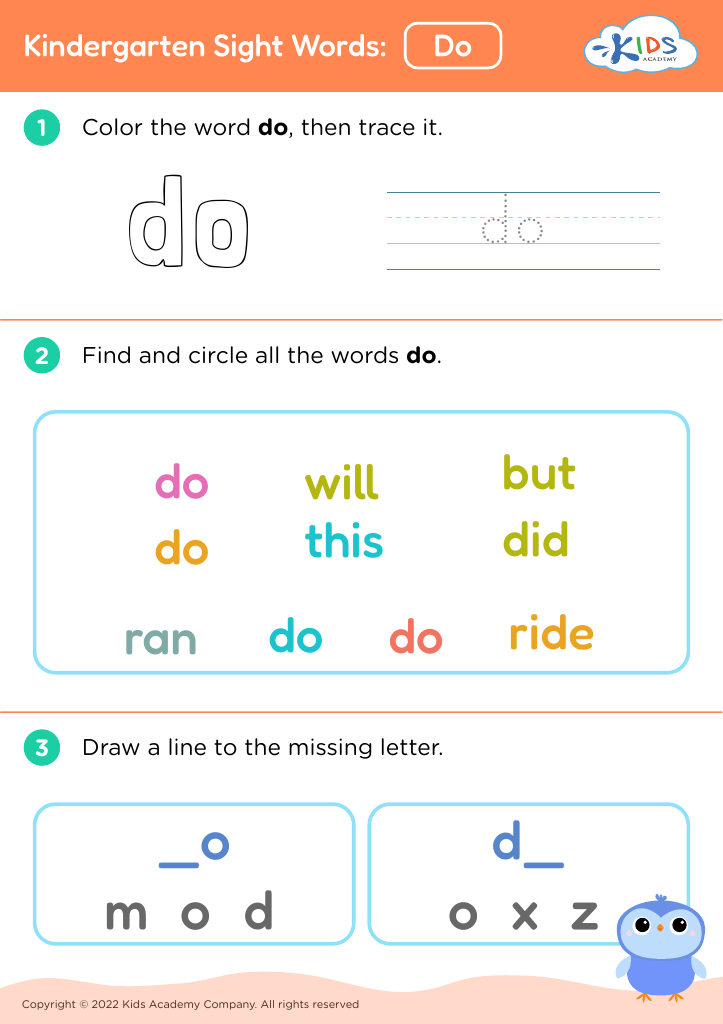
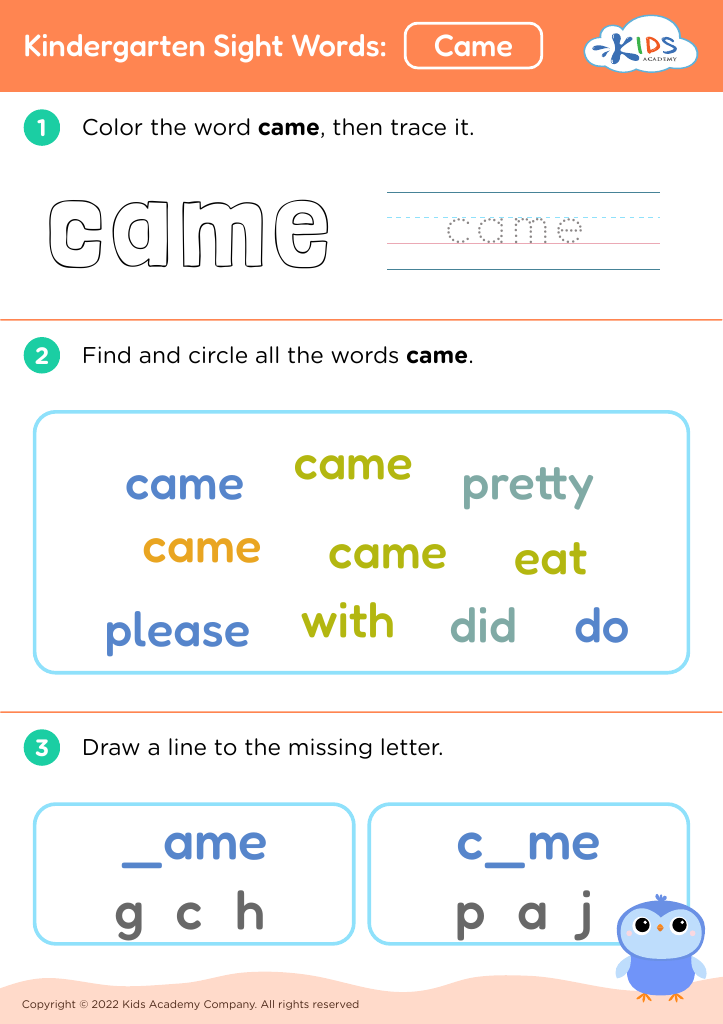
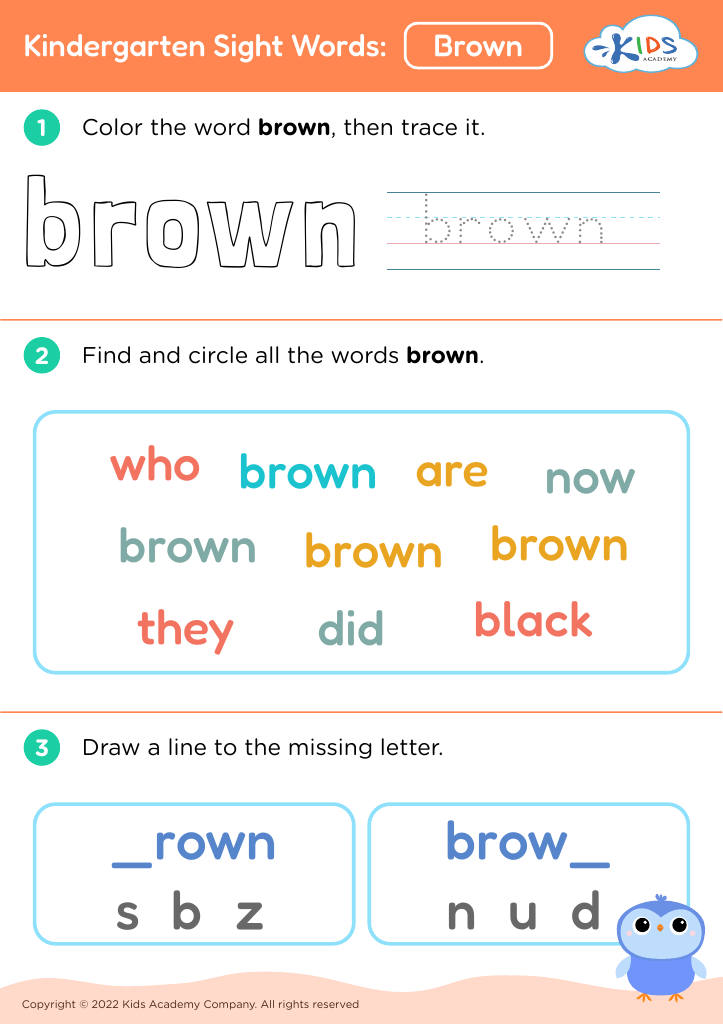
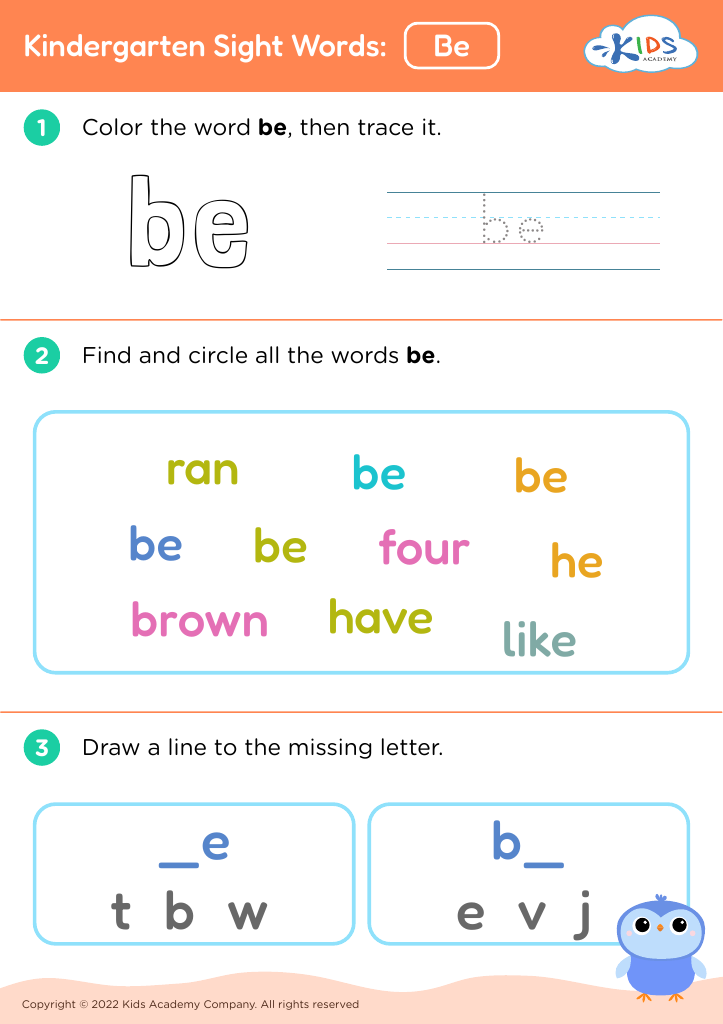
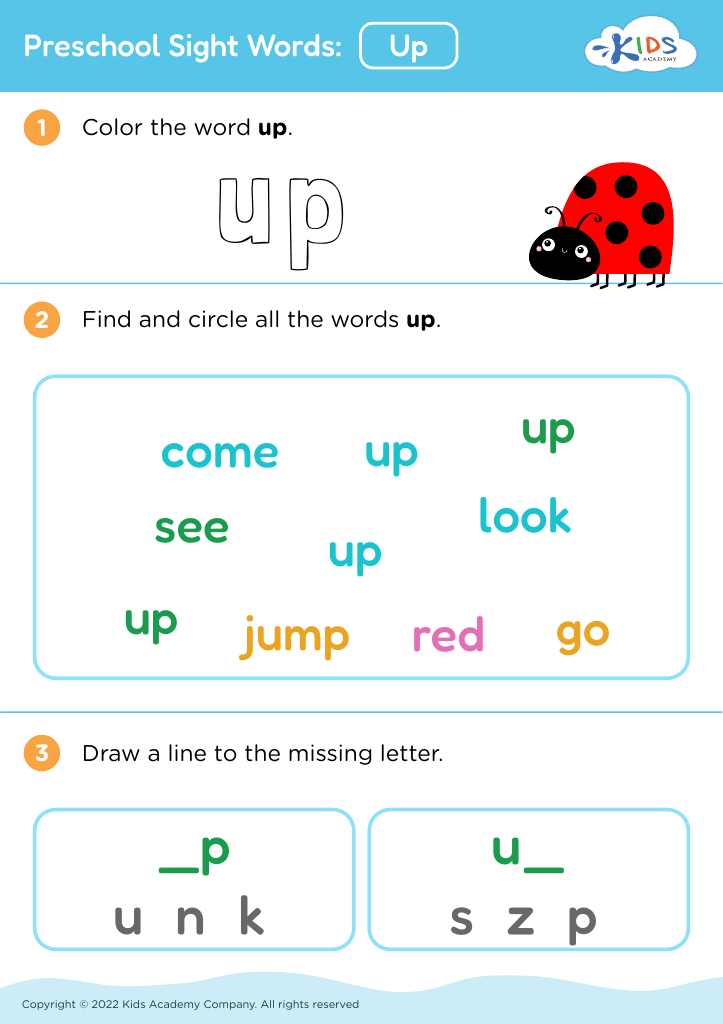
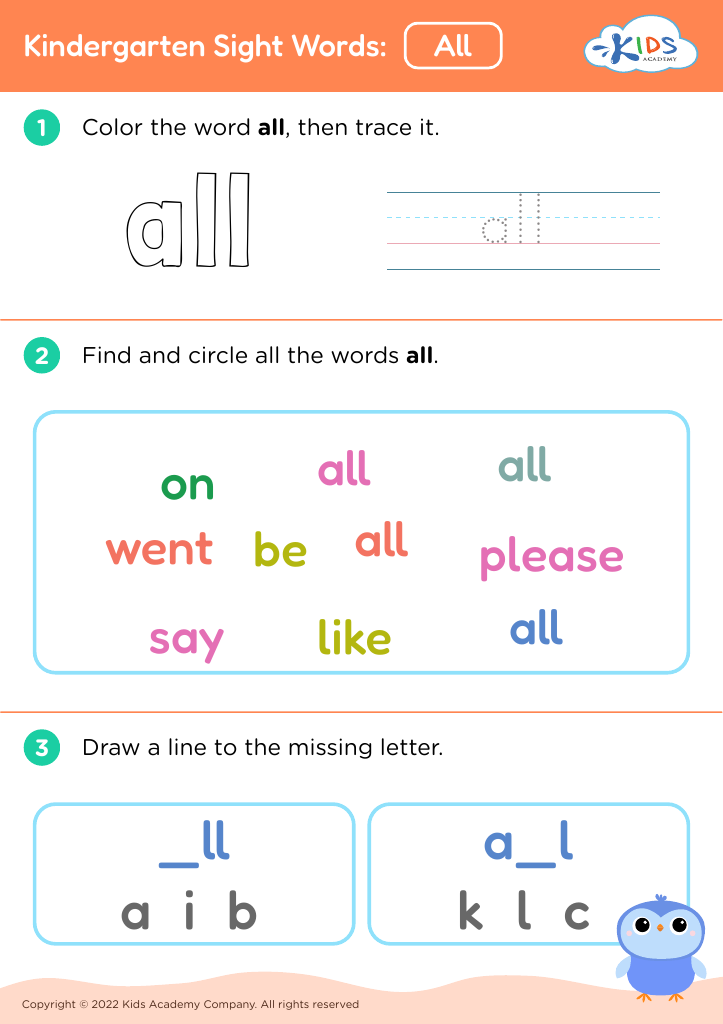








Understanding fractions and sight words are foundational skills in early childhood education, especially for ages 4-6. Parents and teachers should care about these areas for several key reasons.
Firstly, grasping fractions at an early age sets the stage for future mathematical learning. It helps children develop a sense of proportion and quantity, essential for more complex arithmetic and geometry. Early exposure to fractions fosters number sense, which is crucial for success in later grades.
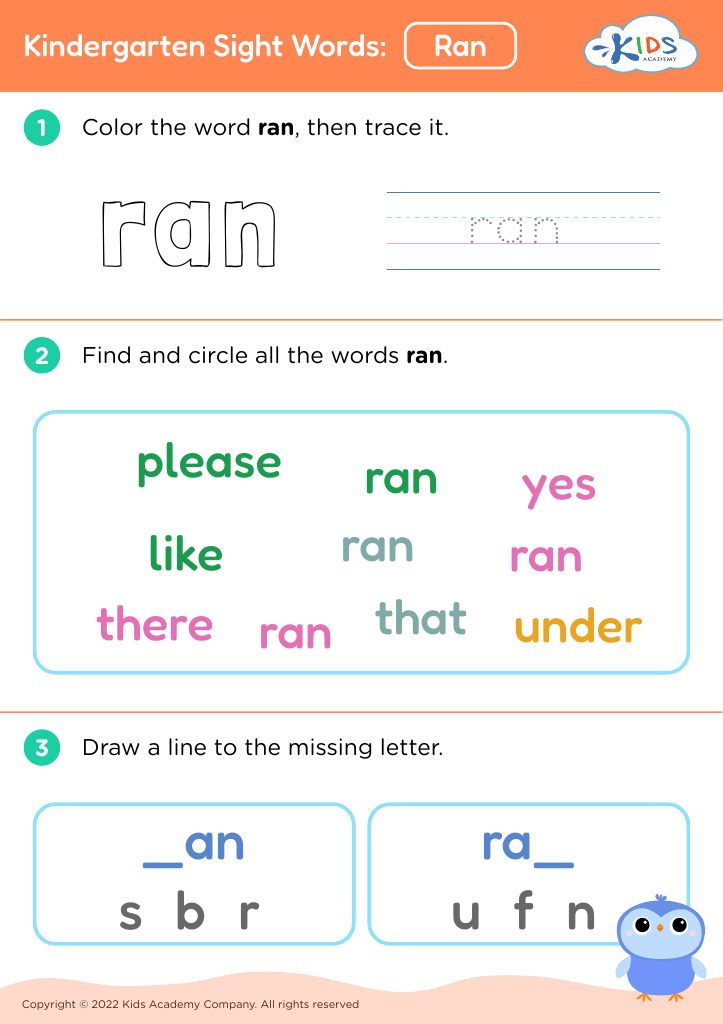
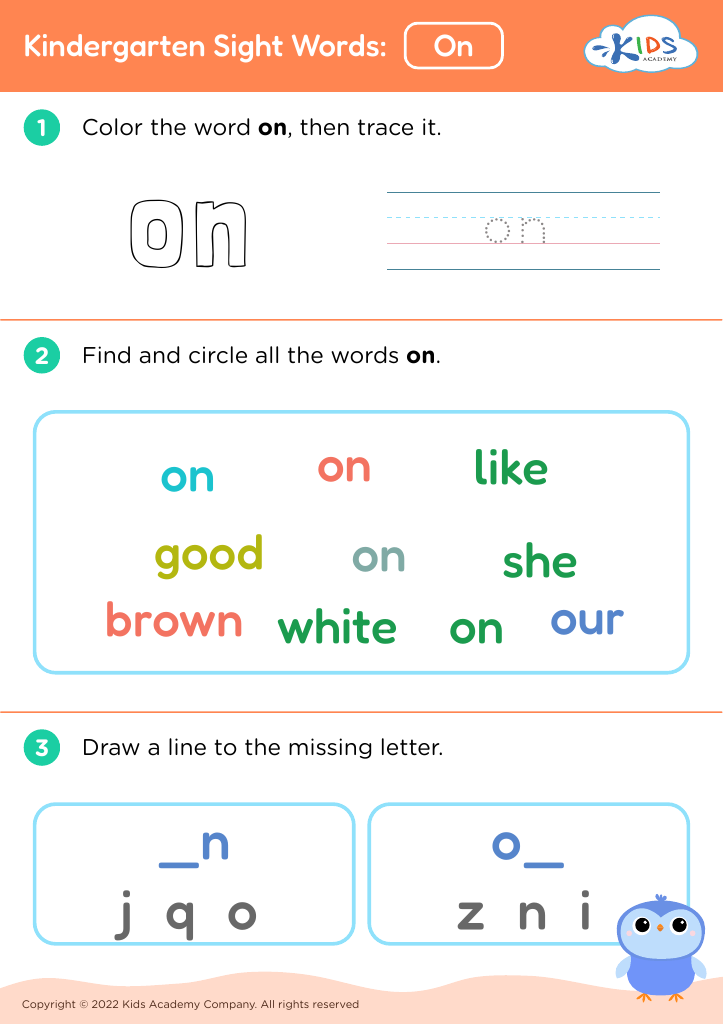
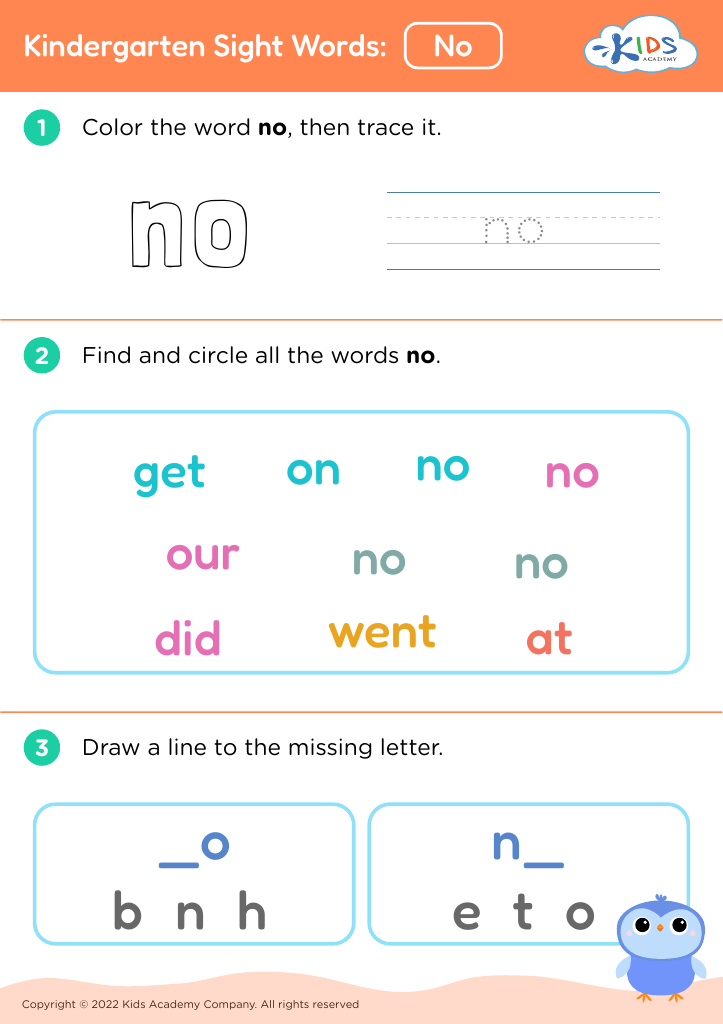
On the other hand, sight words—common words young readers recognize without having to sound them out—are fundamental to reading fluency. By memorizing sight words, children can read more seamlessly and with greater accuracy. This fluency boosts confidence and encourages a love for reading, positively impacting all areas of learning.
Moreover, focusing on these skills strengthens cognitive development. It enhances memory, critical thinking, and problem-solving abilities. Educational activities involving fractions and sight words also improve fine motor skills through hands-on experiences and better linguistic skills through interaction and repetition.
Thus, understanding fractions and sight words lays a robust foundation for academic growth and crucial life skills. Engaging children in these concepts early fosters a smoother, more successful educational journey.