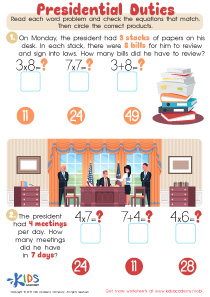
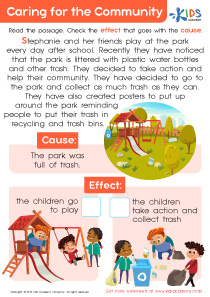
Visual recognition Community Worksheets for Ages 4-6
3 filtered results
-
From - To
Discover our engaging Visual Recognition Community Worksheets designed specifically for children aged 4-6! These worksheets help young learners identify and connect with everyday community elements, laying a foundation for social awareness and cognitive development. Packed with colorful images and fun activities, our resources aim to enhance visual learning and recognition skills. Each worksheet encourages children to explore concepts like community helpers, places, and symbols, promoting curiosity about the world around them. Suitable for classrooms and home learning, these worksheets are ideal for fostering creativity and critical thinking in early learners. Start your child's exciting journey in understanding their community today!
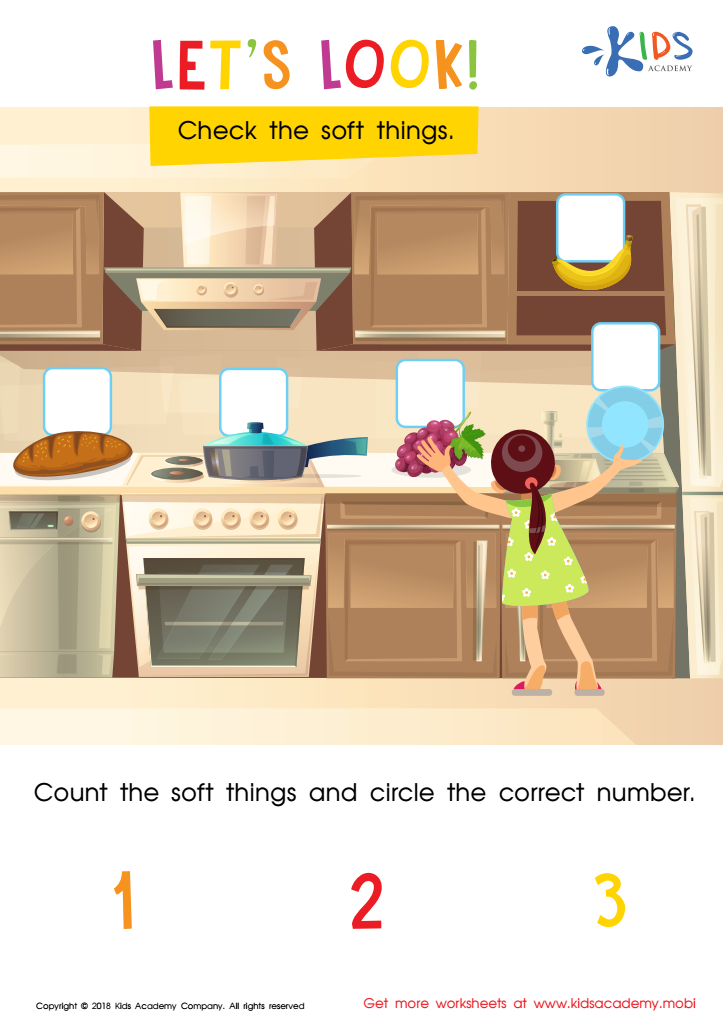
Let's Look! Assessment Worksheet
 Assign to My Students
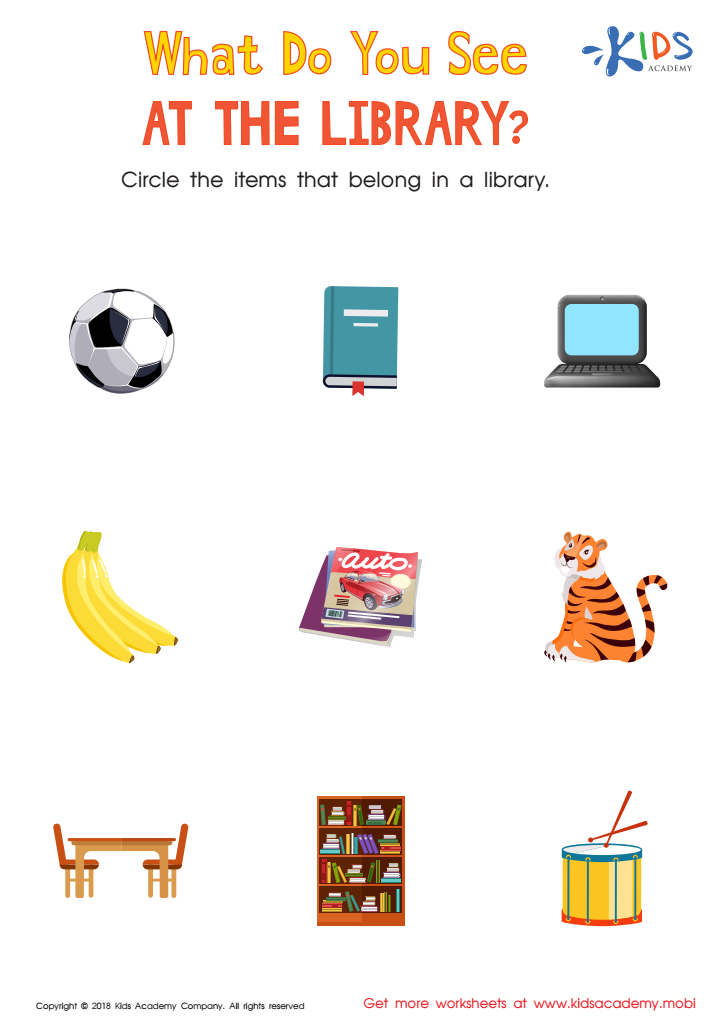
What Do you See at the Library? Worksheet
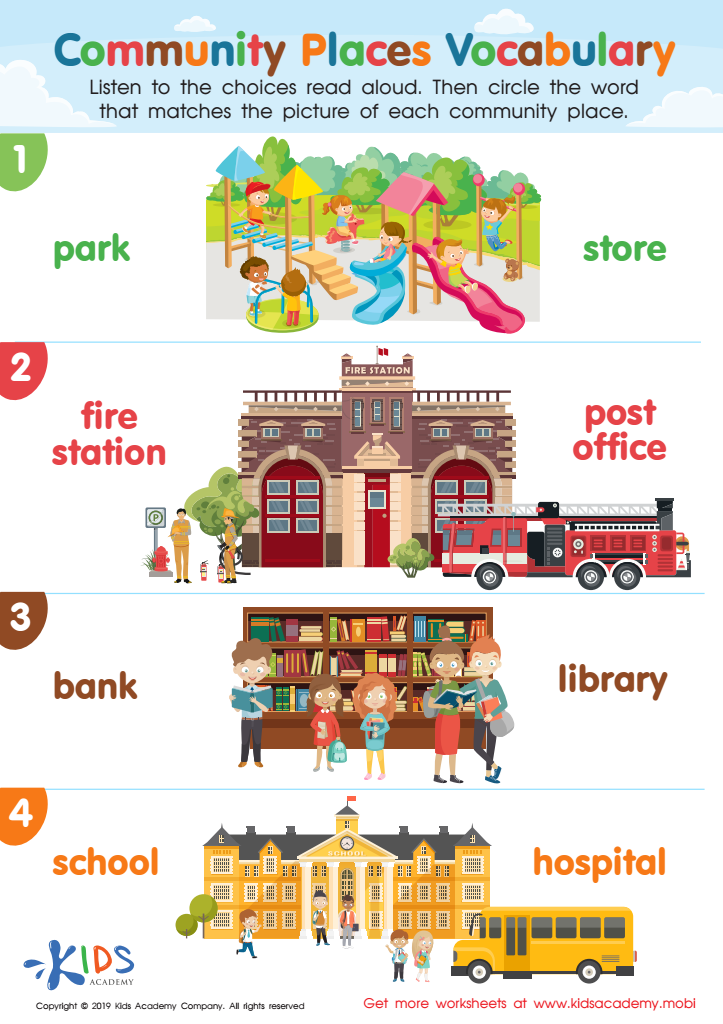
Community Places Vocabulary Worksheet








Visual recognition is a critical developmental skill for children aged 4-6, fundamentally shaping their learning processes. Parents and teachers should care about fostering this skill because it plays a significant role in early literacy and overall cognitive development. At this age, children are naturally curious and eager to explore their surroundings; enhancing visual recognition can help them make sense of the world around them, recognize patterns, shapes, and colors, and develop early problem-solving skills.
In educational settings, there is a strong correlation between visual recognition abilities and academic success in later grades. By introducing activities that enhance visual recognition—such as matching games, puzzles, and storytelling with illustrations—adults can support children's ability to absorb information more effectively. Additionally, these activities promote fine motor skills and encourage social interaction as children work together to solve visual challenges.
Furthermore, early exposure to rich and varied visual experiences can improve children’s emotional intelligence, helping them interpret non-verbal cues in social situations. Ensuring that children between 4-6 engage in activities that build their visual recognition capabilities fosters a solid foundation for lifelong learning, creativity, and emotional development, making it an essential focus for parents and educators alike.