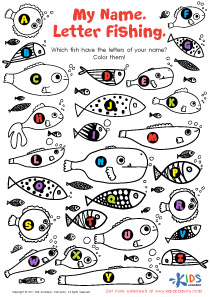
Letter formation ABC Order Worksheets for Ages 4-7
3 filtered results
-
From - To
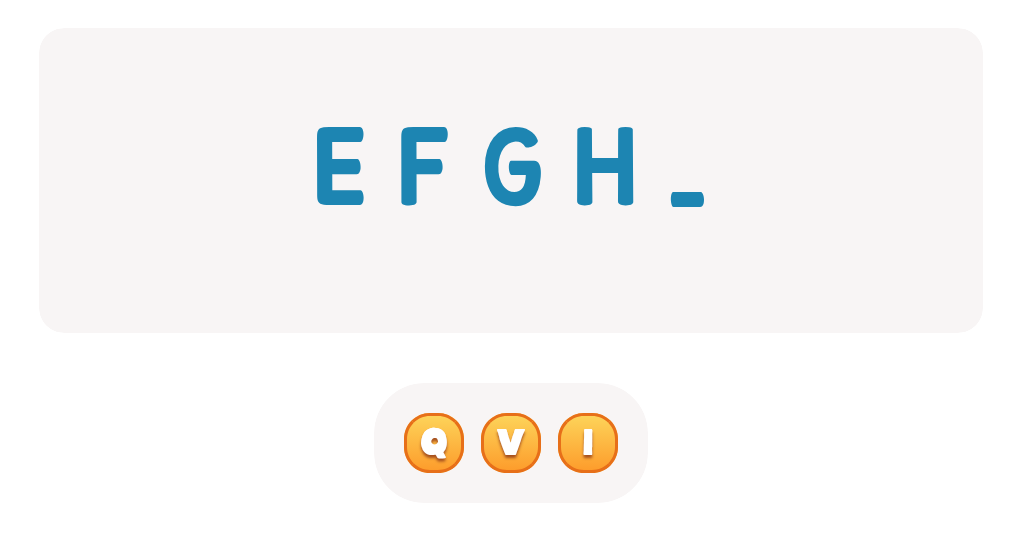
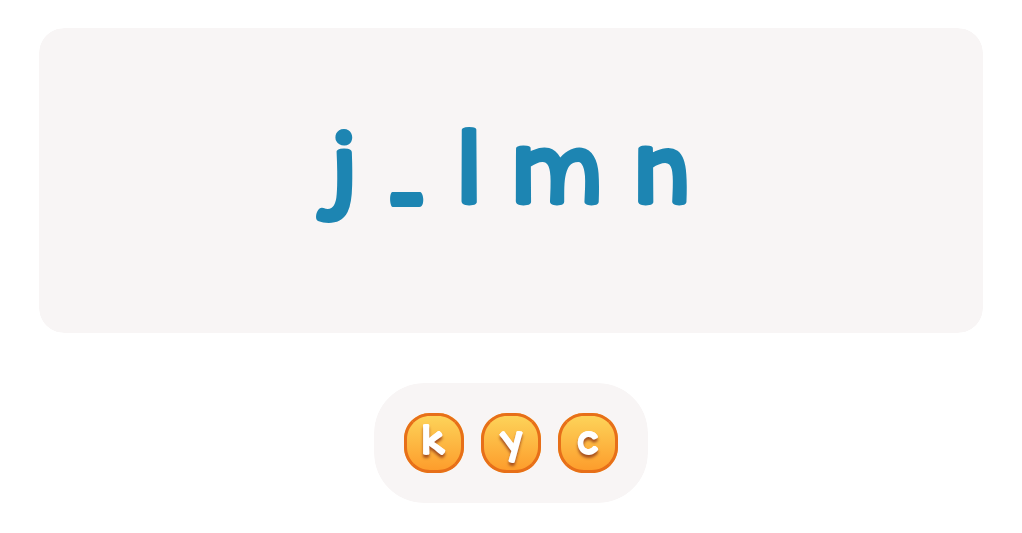
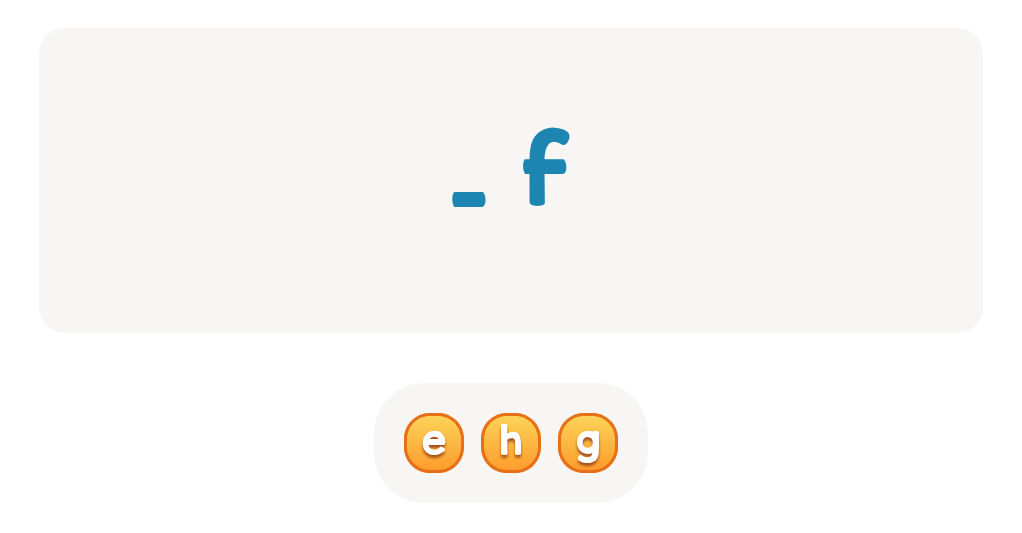
Unlock your child's potential with our "Letter Formation ABC Order Worksheets" designed for ages 4-7. These engaging worksheets provide a fun and interactive way for young learners to master letter formation while practicing the correct sequence of the alphabet. Each worksheet includes a variety of activities, from tracing to coloring, which help strengthen fine motor skills and enhance letter recognition. Perfect for home or classroom use, our resources cater to different learning styles and encourage children to develop confidence in their writing skills. Start your child’s journey to literacy today and watch them thrive in their learning adventure!

Letter A Tracing Page
 Assign to My Students


Letter P Tracing Page

Letter G Tracing Page







Understanding letter formation and the ABC order is crucial for children aged 4-7 as it lays the groundwork for their literacy skills. Proper letter formation, which involves the correct way to write each letter, enhances fine motor skills and aids in developing handwriting legibility. Good handwriting can boost a child's confidence and encourage them to express their ideas more freely. As children start to read and write, recognizing letters' shapes and how to form them correctly helps reinforce their understanding and recall.
Additionally, learning the ABC order is fundamental to organizing information. It forms the basis for reading, writing, and accessing content in various contexts, such as dictionaries and encyclopedias. By understanding the alphabetical sequence, children can effectively navigate text and engage with materials more efficiently.
Parents and teachers play a pivotal role in nurturing these skills by providing engaging activities and reinforcement in a supportive environment. This early foundation fosters a love for language and can influence academic success in the future. Moreover, cultivating these skills early empowers children, as they will be better prepared for more complex literacy tasks that will arise as they progress in their education.