Phonics development Alphabet Worksheets for Ages 4-7
5 filtered results
-
From - To
Help your 4-7-year-olds master the alphabet with our engaging Phonics Development Alphabet Worksheets. Tailored to enhance phonics awareness, these worksheets focus on sound recognition, letter formation, and word blending. Kids will enjoy a variety of activities that build essential reading skills in a fun and interactive way. Perfect for at-home learning or classroom use, our worksheets support early literacy and ensure foundational phonics understanding. Designed by educational experts, they're the ideal tool to foster a love for reading and set the stage for academic success. Explore our collection to give your child a head start in reading!
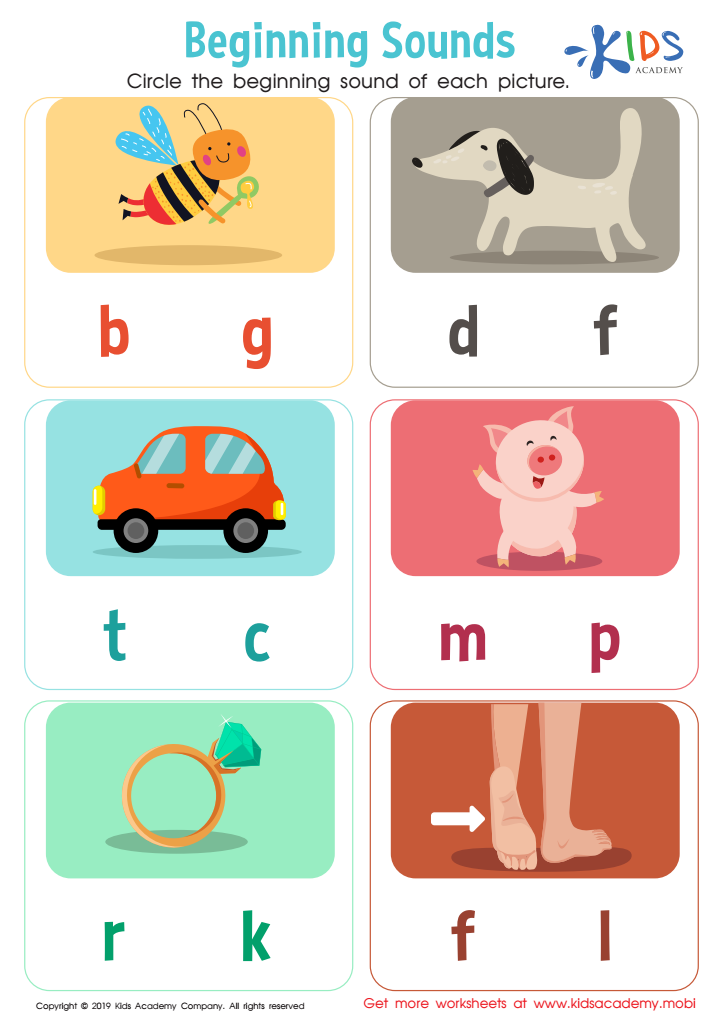
Beginning Sounds Worksheet
 Assign to My Students
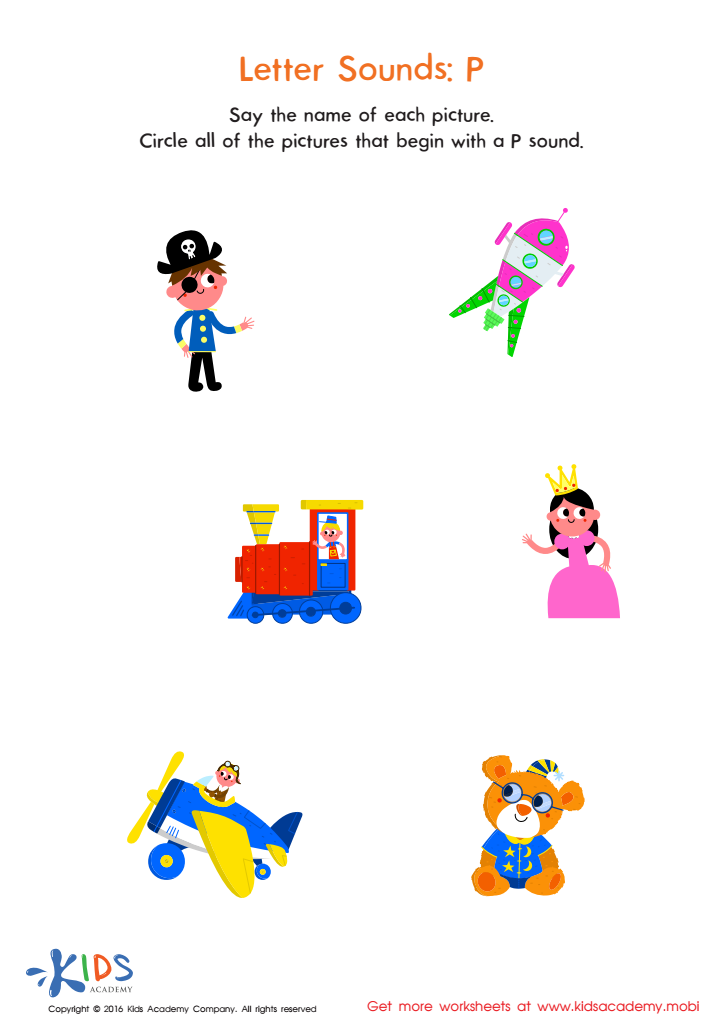
Letter P Sound Worksheet
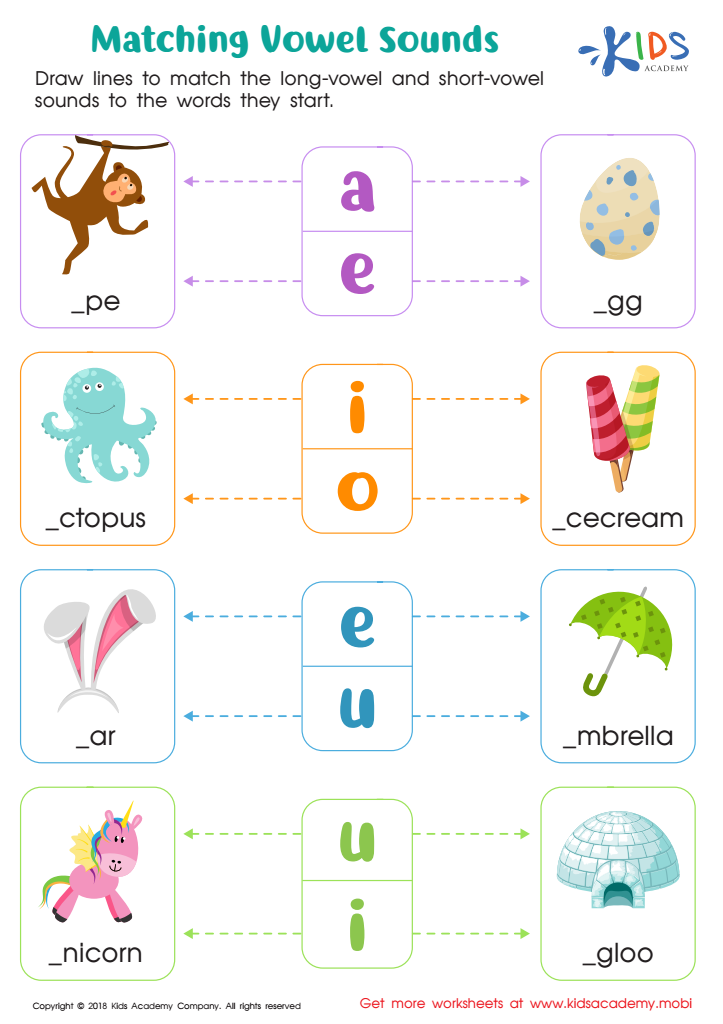
Matching Vowel Sounds Worksheet
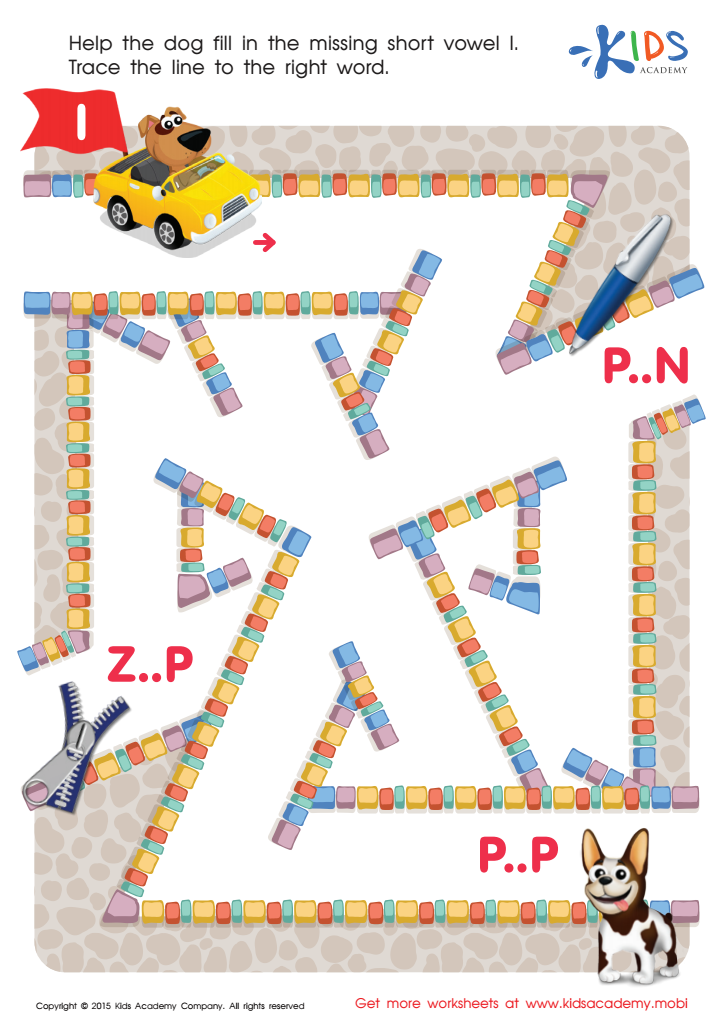
Short Vowel Sound I Worksheet
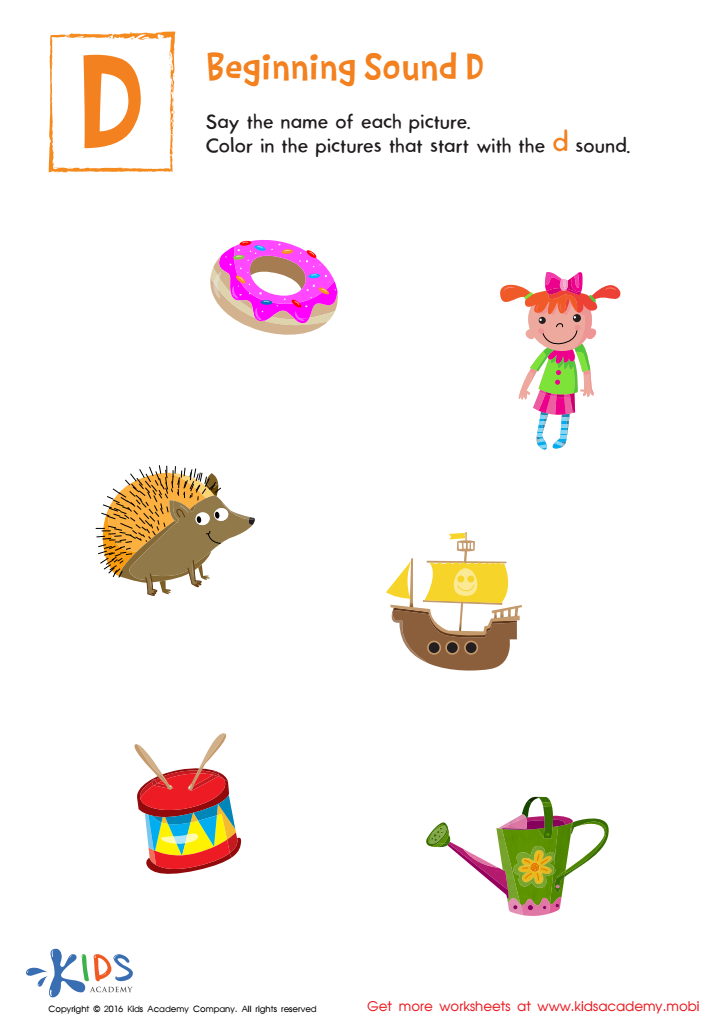
Beginning Sound D Worksheet






Phonics development and alphabet recognition are foundational skills for children aged 4-7, playing a crucial role in their reading and overall literacy. Parents and teachers should place a high priority on these skills, as they form the bedrock for future academic success.
Firstly, phonics helps children understand the relationship between letters and sounds, which is essential for decoding words. This skill not only aids in reading fluently but also greatly enhances spelling proficiency. Without a solid grasp of phonics, children might struggle with these basic literacy tasks, making subsequent learning more difficult.
Additionally, early mastery of the alphabet and phonics builds confidence. As children start to recognize letters and their corresponding sounds, they develop a sense of achievement, which fosters a positive attitude toward learning. This confidence benefits them socially and academically, encouraging participation and engagement in classroom activities.
Moreover, phonics instruction enables early detection of potential learning difficulties. Teachers and parents can identify children who struggle early on and provide targeted support, mitigating long-term impacts on their learning trajectory.
Lastly, a strong phonics foundation supports vocabulary growth and comprehension skills. It allows children to explore and enjoy books independently, cultivating a lifelong love for reading — an essential skill for ongoing educational development and personal growth.







