Phonics enhancement Alphabet Worksheets for Ages 4-7
3 filtered results
-
From - To
Discover our engaging Phonics Enhancement Alphabet Worksheets, meticulously designed for children ages 4-7. These interactive worksheets blend fun with learning, helping young learners master the alphabet and foundational phonics skills. Each worksheet offers vibrant visuals and playful activities to keep kids motivated and interested. Ideal for early readers, these resources enhance letter recognition, sound association, and reading confidence. Perfect for classroom or home use, our worksheets support parents and teachers in providing a strong phonics foundation. Boost your child’s literacy journey today with these essential, educational tools. Download now and watch your little one’s reading skills flourish!
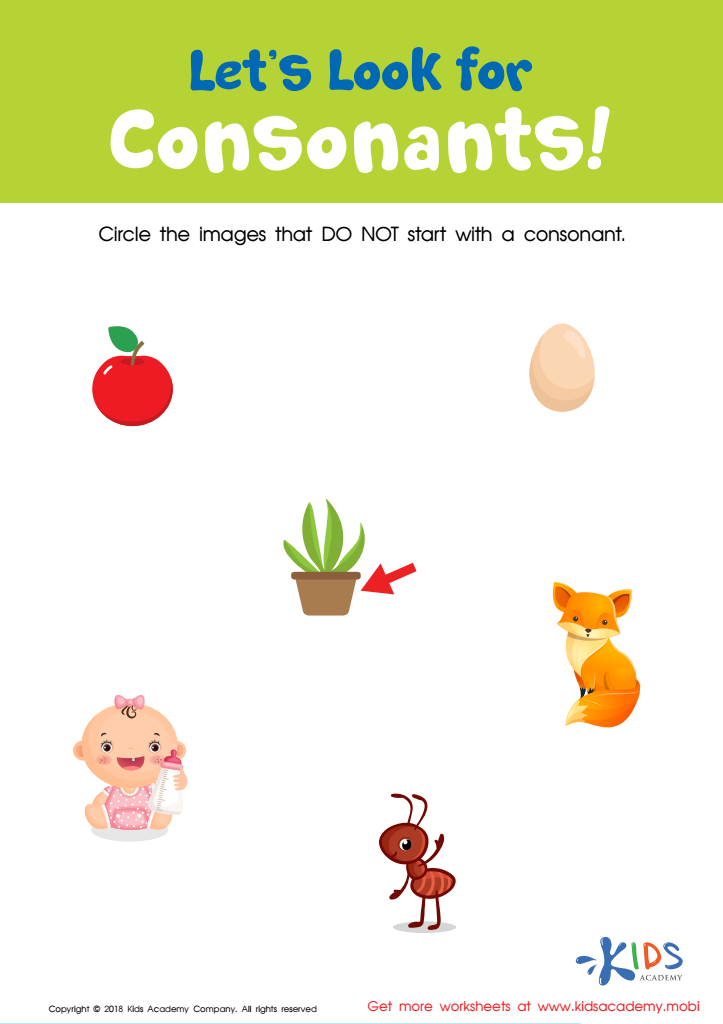
Let's Look for Consonants Worksheet
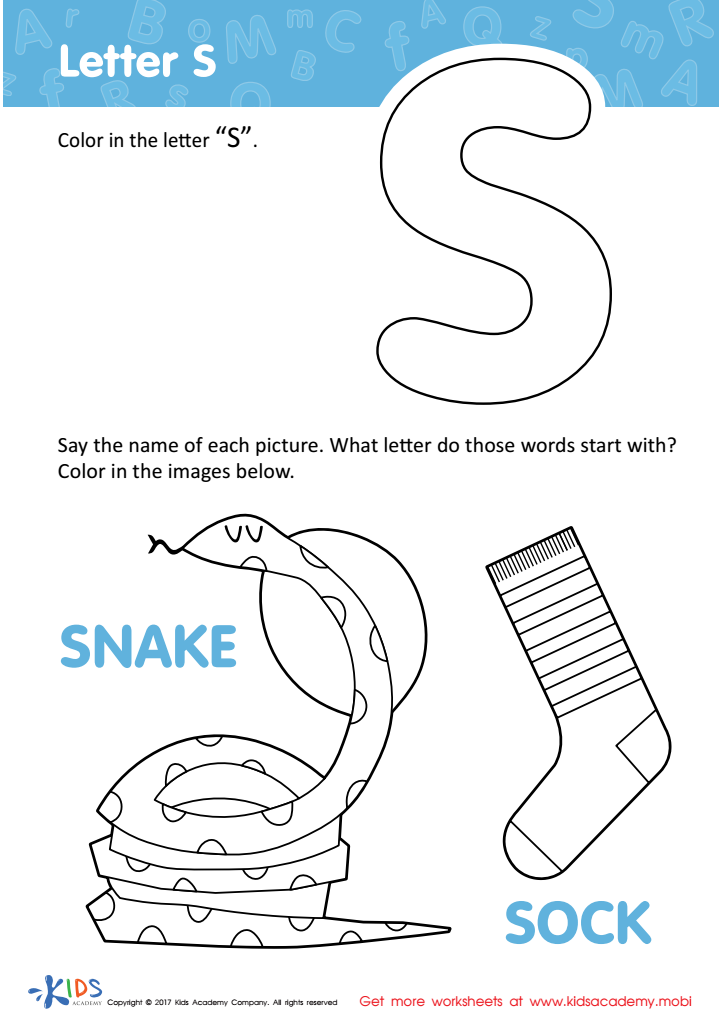
Letter S Coloring Sheet
 Assign to My Students
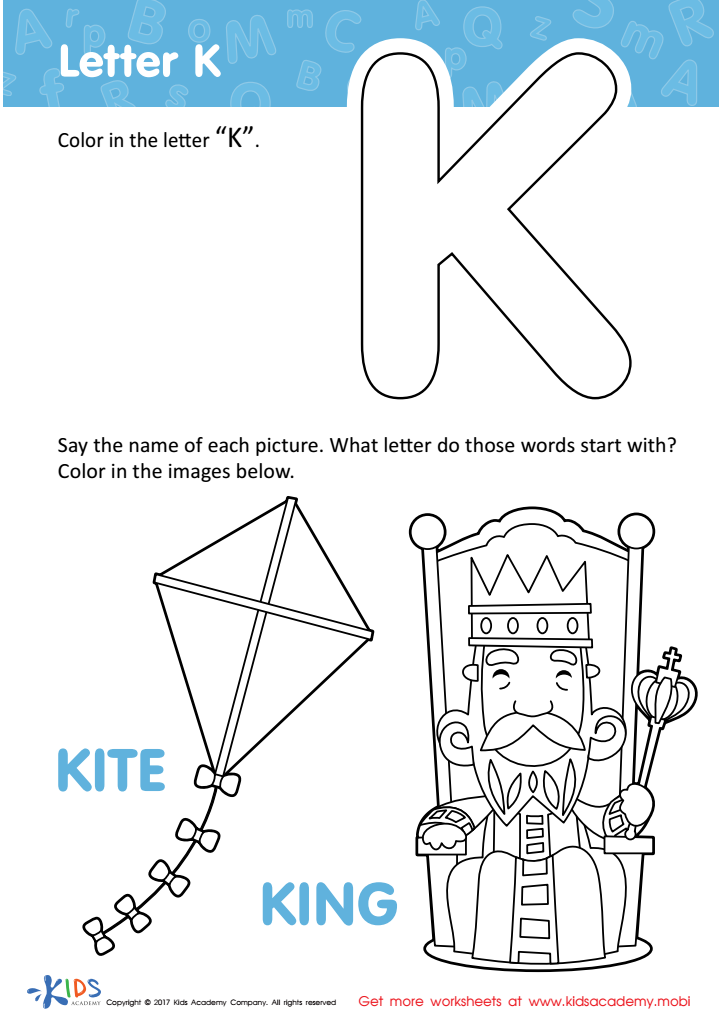
Letter K Coloring Sheet
Assign to My Students






Phonics enhancement alphabet for ages 4-7 is a pivotal tool in a child's early education that sets the foundation for successful reading and comprehension skills. At this critical age range, children are developing their phonemic awareness, which is the ability to hear, identify, and manipulate individual sounds in spoken words. Phonics programs structure this learning by linking these sounds to corresponding letters and groups of letters, promoting recognition and decoding abilities.
Enhanced phonics instruction helps young learners break down and understand complex language patterns, making reading a less daunting task. This allows children to read unfamiliar words independently, boosting their confidence and motivation. Phonics skills are essential for understanding and interpreting text, enabling children to gain information, enjoy stories, and succeed academically.
For parents and teachers, investing time and resources into phonics can result in significant long-term benefits. Continuous practice and reinforcement at home and in the classroom ensure that children develop a strong literacy foundation. This not only nurtures a love for reading but also contributes to enhanced communication skills, cognitive development, and academic achievement.
Providing a robust phonics education addresses individual learning needs, promoting inclusive and effective learning strategies that cater to various learning styles, thereby guiding each child towards becoming a proficient and enthusiastic reader.







