Alphabet sequencing Letter Recognition Worksheets for Ages 4-7
6 filtered results
-
From - To
Enhance your child's letter recognition skills with our Alphabet Sequencing Worksheets, designed for ages 4-7! These engaging printable activities help young learners identify and arrange letters in the correct order, laying a strong foundation for reading and writing. Featuring colorful illustrations and interactive exercises, our worksheets encourage cognitive development while making learning fun. Perfect for home or classroom use, these resources promote fine motor skills as children trace and write letters. Foster a love for language and boost your child's confidence with our expertly crafted worksheets. Start their educational journey today by exploring diverse alphabet sequencing activities!
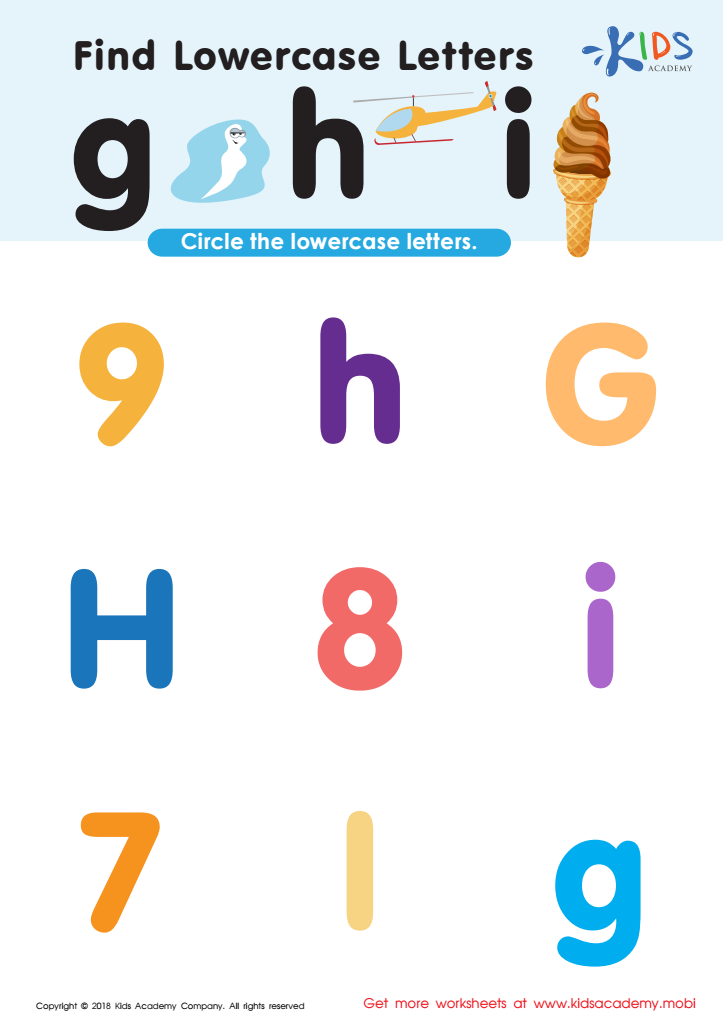
Find Lowercase Letters g h i Worksheet
 Assign to My Students
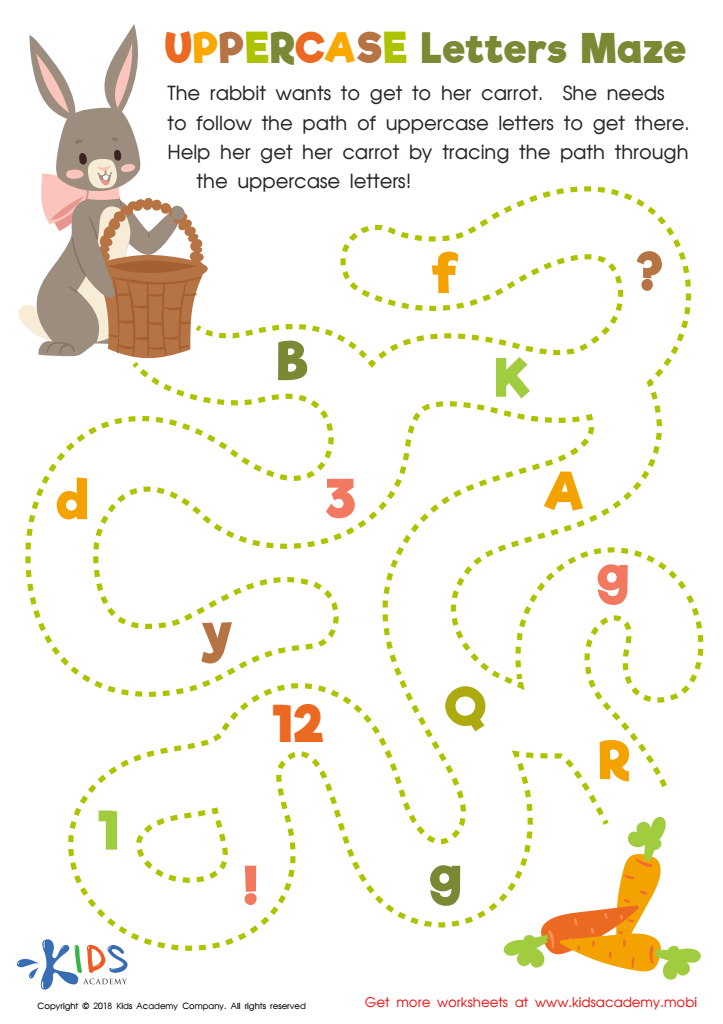
Uppercase Letters Maze Worksheet
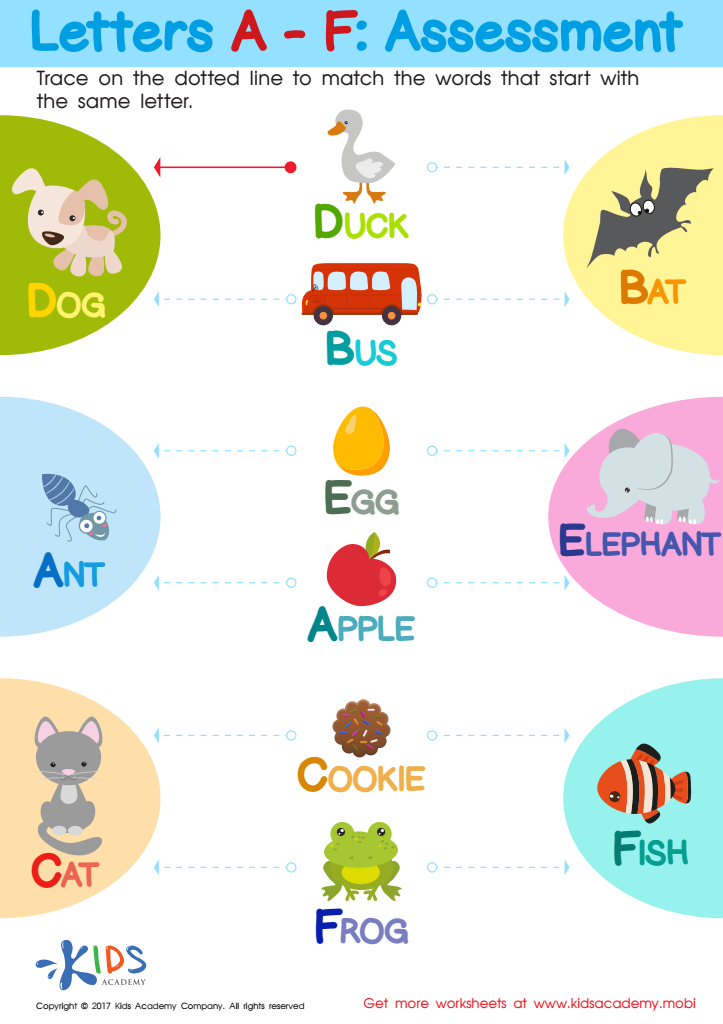
Letters A - F Worksheet
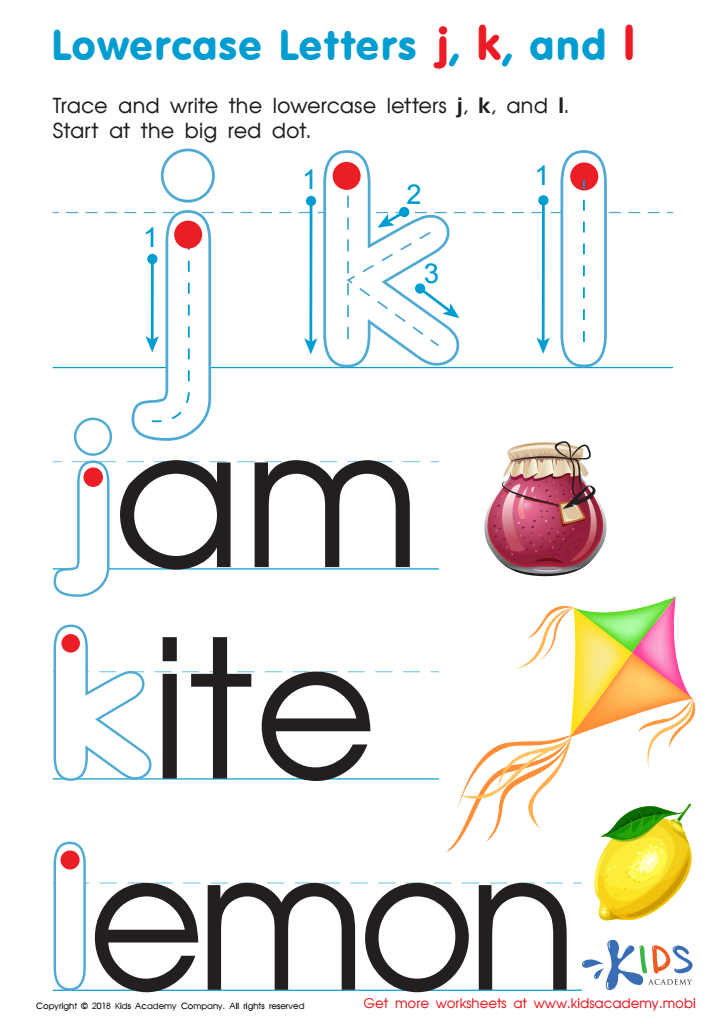
Lowercase Letters j k l Worksheet
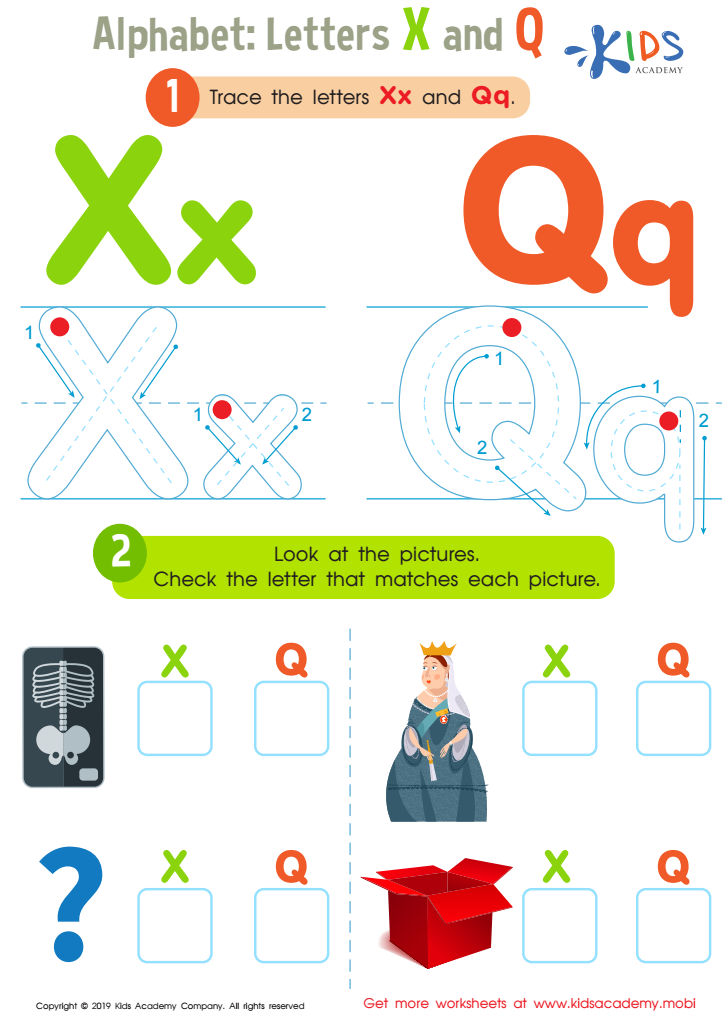
Letters X and Q Tracing Worksheet
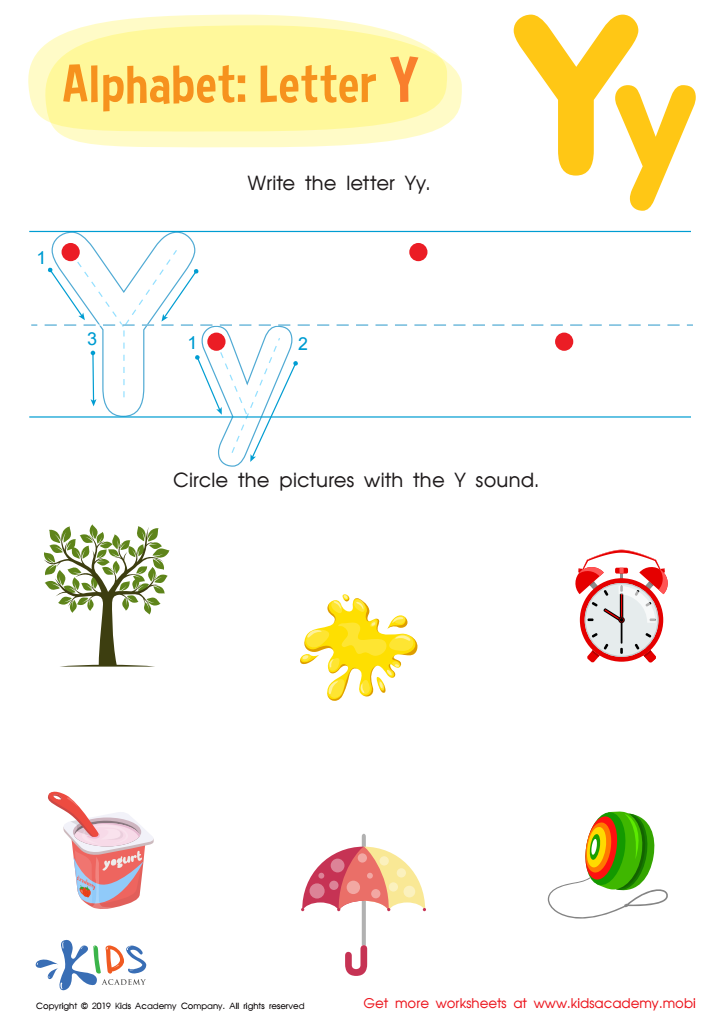
Letter Y Tracing Worksheet








Alphabet sequencing and letter recognition are crucial foundational skills for children aged 4 to 7, impacting their future reading and writing abilities. During these formative years, children develop critical cognitive and language skills that shape their academic success. Understanding the correct order of letters in the alphabet aids in developing phonemic awareness, which is essential for decoding words and fluency in reading.
When parents and teachers emphasize alphabet sequencings, such as teaching children to sing the alphabet song or using alphabet games, they promote memory retention and facilitate quicker and more effective learning. Recognizing letters fosters familiarity with the written word, empowering students to distinguish between different letters and begin forming their own words.
Additionally, proficient letter recognition skills help reduce frustration and anxiety during reading activities as children progress into more advanced literacy tasks. Ultimately, fostering these skills enhances confidence and encourages a love for reading, which is vital for lifelong learning. Thus, parents and educators should prioritize support for alphabet sequencing and letter recognition, ensuring children build a solid literacy foundation that underpins academic achievement and future learning endeavors.







