Handwriting improvement Letter Recognition Worksheets for Ages 4-7
5 filtered results
-
From - To
Boost your child's handwriting and letter recognition skills with our Handwriting Improvement Letter Recognition Worksheets designed specifically for ages 4-7. These expertly crafted worksheets combine engaging activities with effective practice to develop fine motor skills and letter familiarity. Featuring fun and interactive exercises, children will trace, write, and identify letters, building essential pre-writing skills and confidence. Perfect for both classroom use and at-home practice, our worksheets prioritize a child-friendly approach, encouraging a positive learning experience. Give your child the foundation they need for successful handwriting development with our comprehensive letter recognition worksheets.
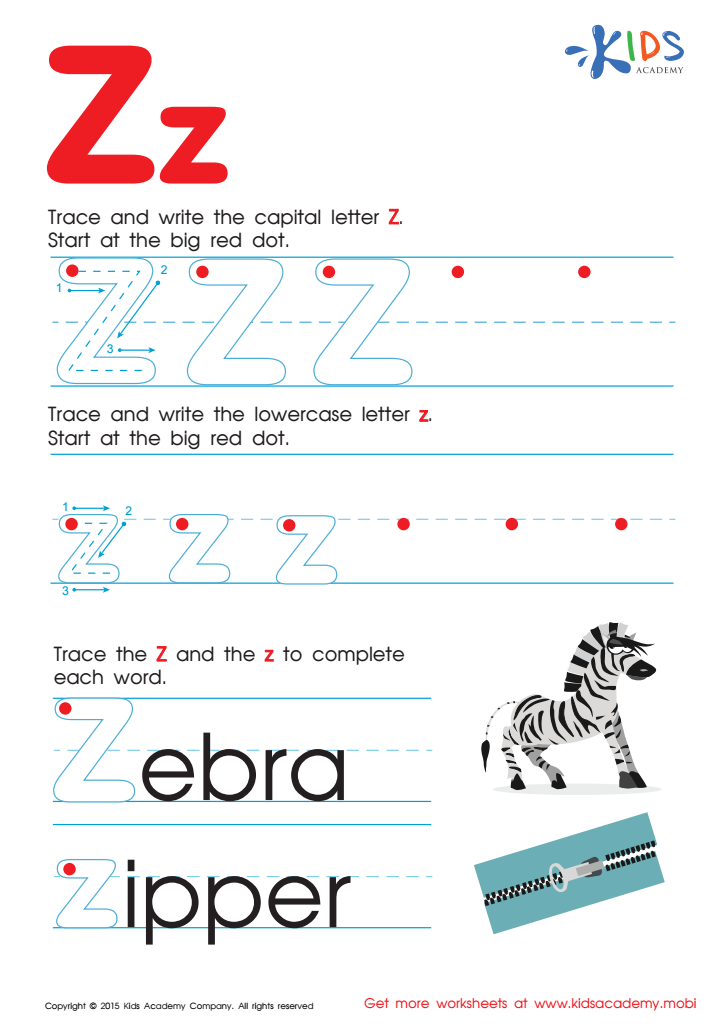
Letter Z Tracing Page
 Assign to My Students
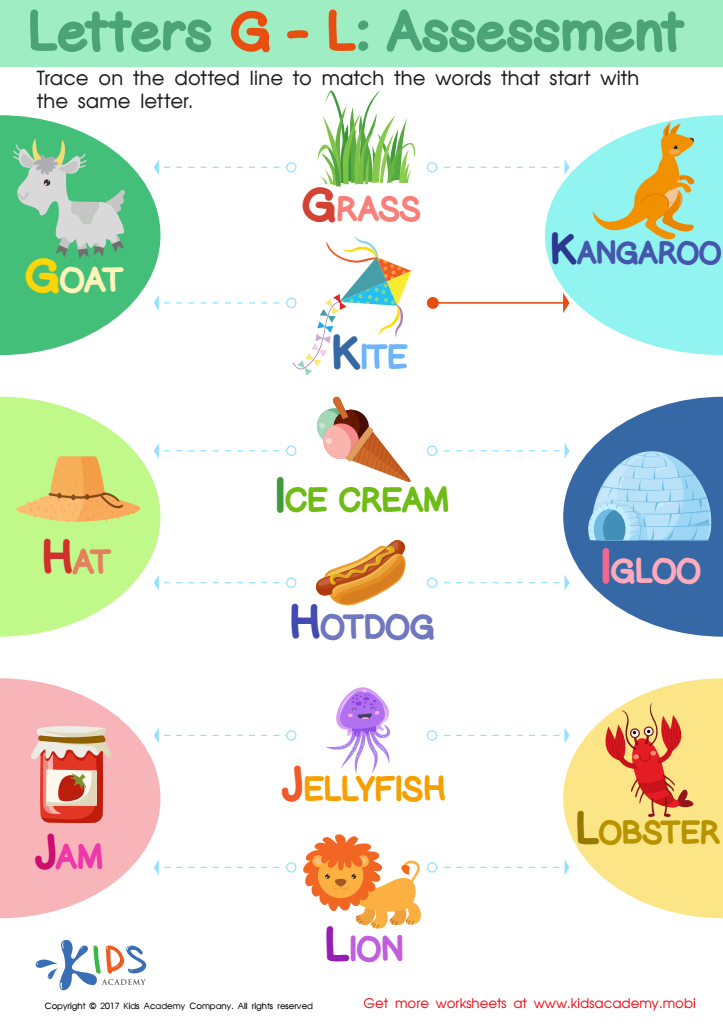
Letters G-L Worksheet
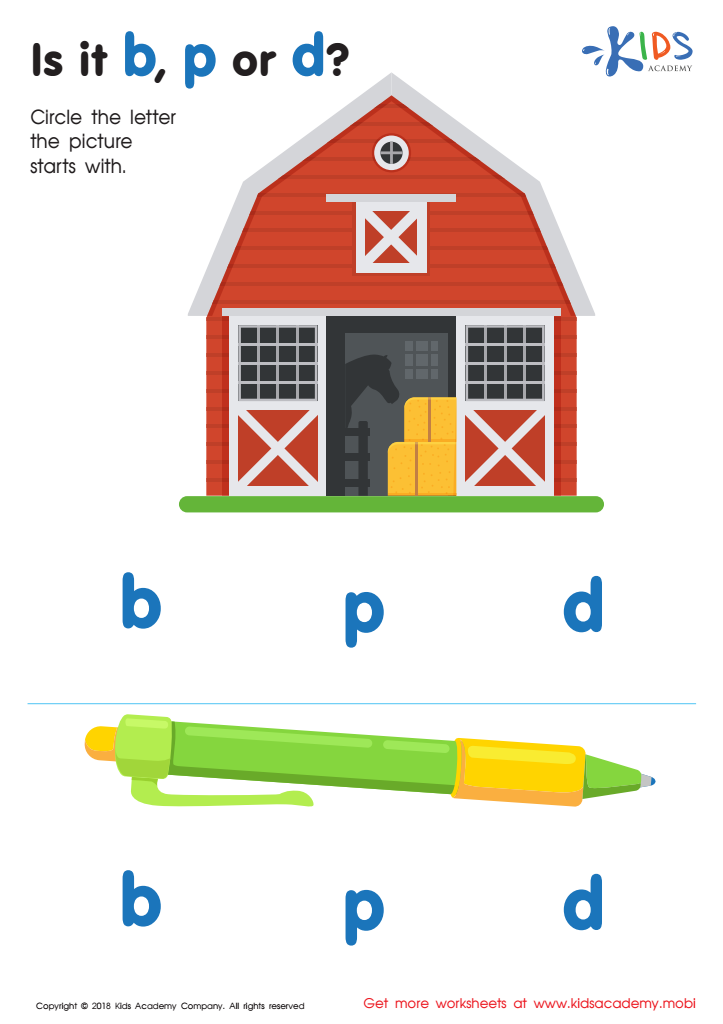
Is it b, p or d? Worksheet
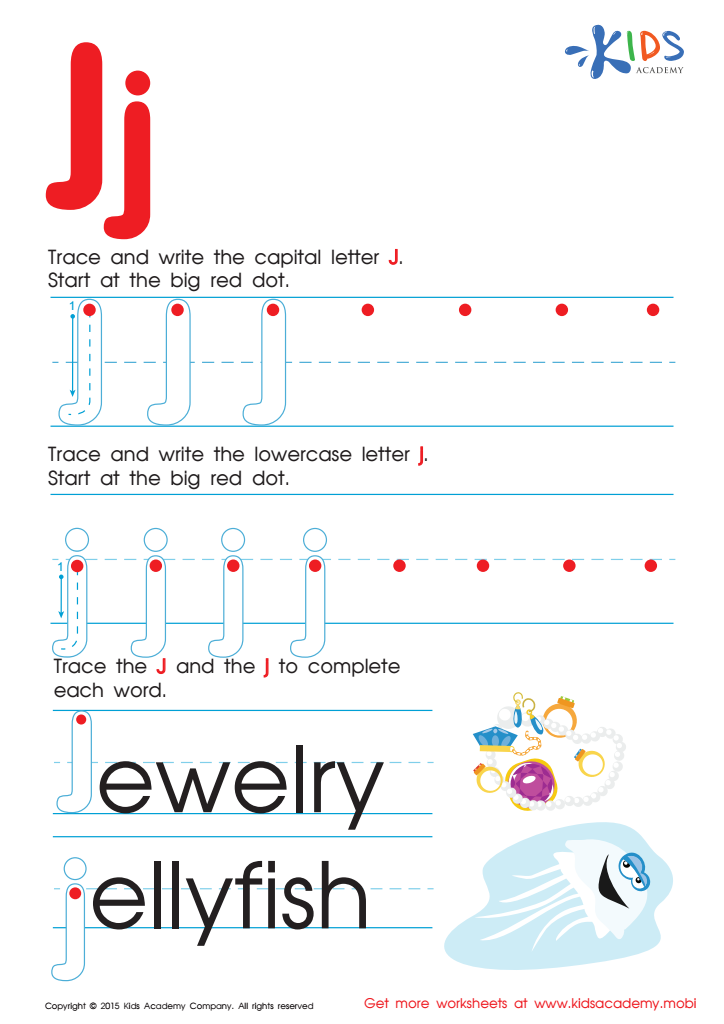
Letter J Tracing Page
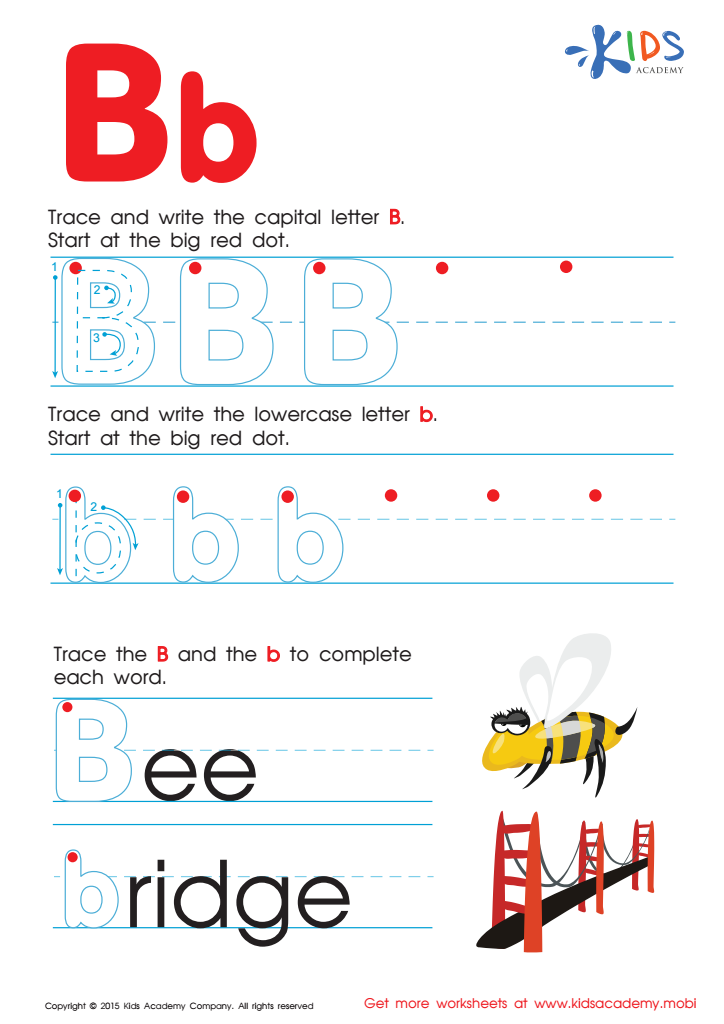
Letter B Tracing Page








Handwriting improvement and letter recognition are crucial skills for children ages 4-7, as they form the foundation for effective communication and academic success. Developing good handwriting involves fine motor skills and hand-eye coordination, which are essential for many daily activities. Improved handwriting boosts children's confidence and enables them to express their ideas clearly and legibly. This, in turn, fosters a positive attitude towards learning and schoolwork.
Letter recognition is equally important because it is the first step towards becoming a proficient reader. When children can accurately identify letters, they can more easily grasp the alphabetic principle, which states that letters and their combinations represent sounds. This understanding is critical for the development of phonemic awareness, a key predictor of reading success.
By prioritizing handwriting improvement and letter recognition, parents and teachers can help ensure that children build a strong foundation for literacy. Early mastery of these skills enhances their ability to decode words, comprehend text, and communicate effectively in writing. Moreover, these early successes can lead to a lifelong love of reading and learning. Investing time and effort in these areas can lead to better educational outcomes and greater opportunities for children as they progress through school and beyond.







