Letter Tracing Practice Letter Recognition Worksheets for Ages 4-7
5 filtered results
-
From - To
Explore our engaging Letter Tracing Practice and Letter Recognition Worksheets designed specifically for children aged 4-7! These interactive resources help young learners develop essential literacy skills by tracing individual letters, reinforcing their understanding of the alphabet. Each worksheet is crafted to make learning fun and effective, providing a blend of visual, auditory, and kinesthetic experiences. Kids will enhance their hand-eye coordination, fine motor skills, and letter recognition in an enjoyable way! Whether in the classroom or at home, our worksheets offer countless opportunities for phonetic development. Start your child's journey to reading confidently today with our carefully designed activities!
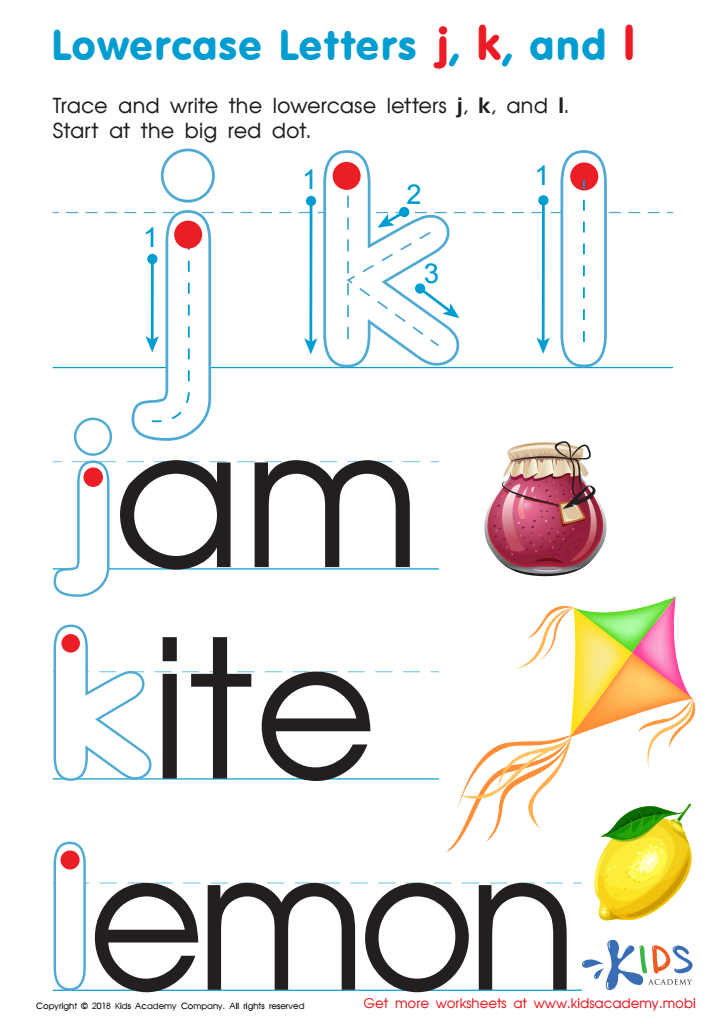
Lowercase Letters j k l Worksheet
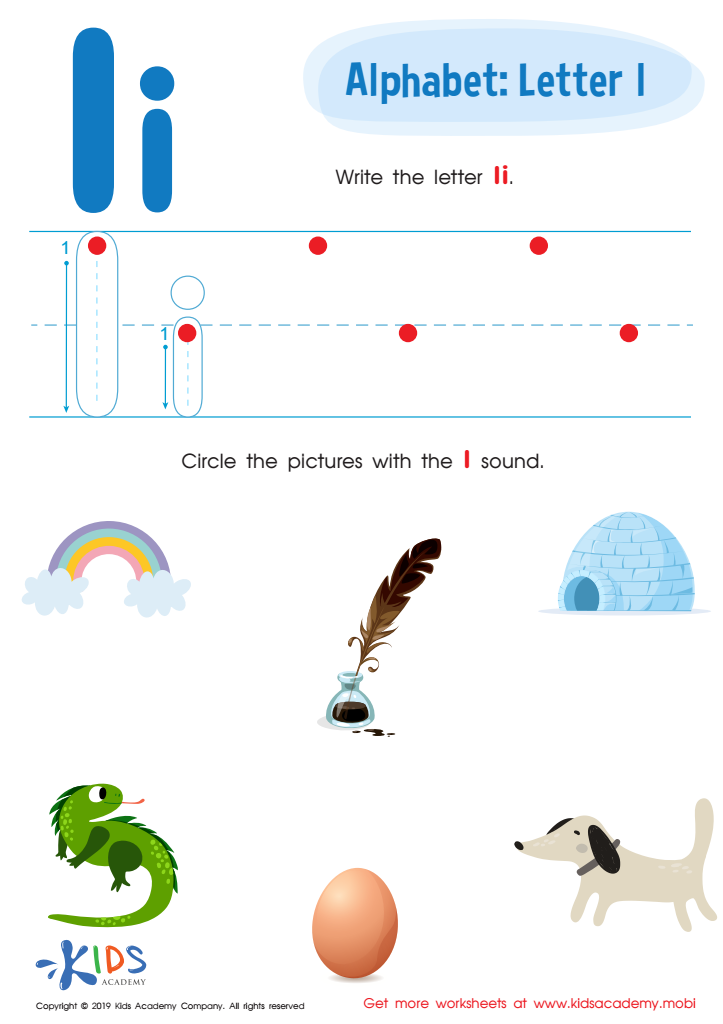
Letter I Tracing Worksheet
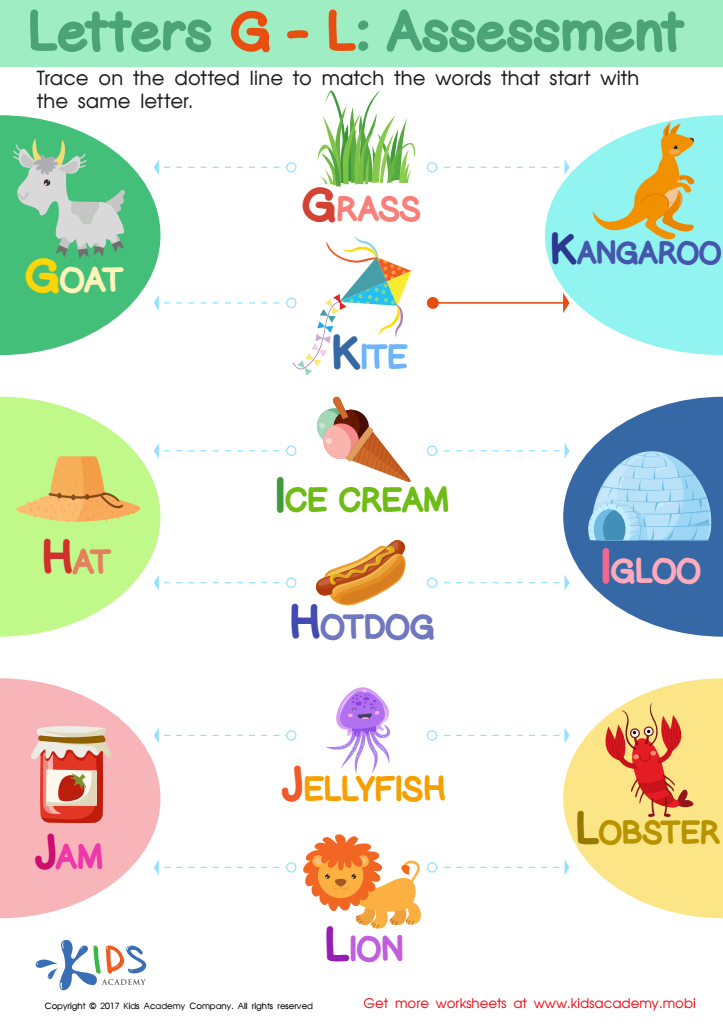
Letters G-L Worksheet
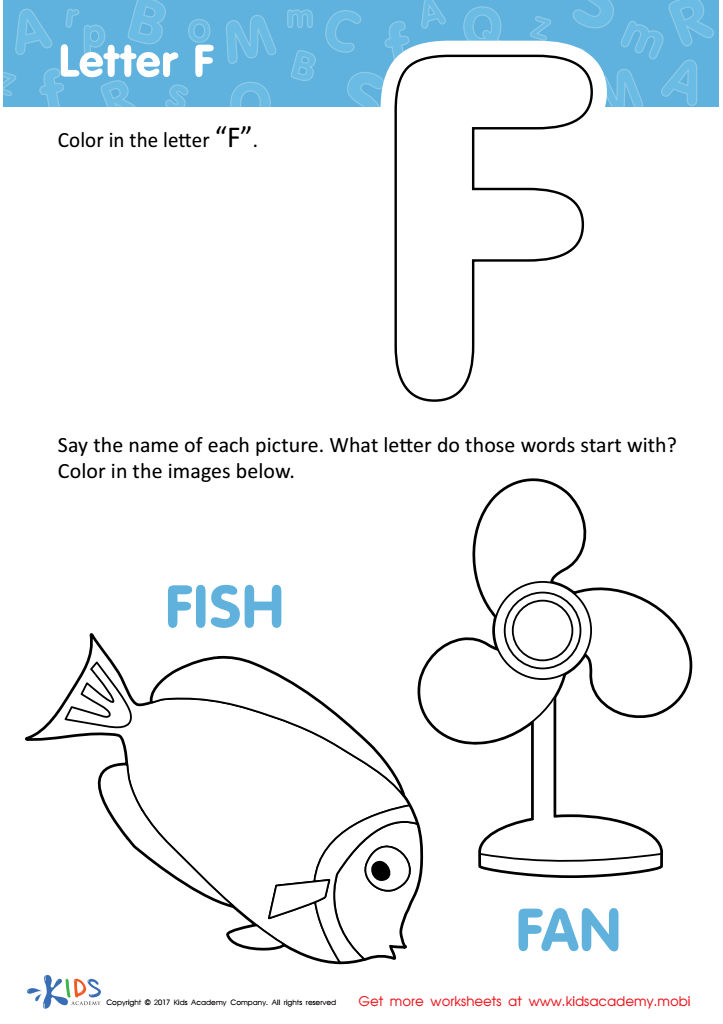
Letter F Coloring Sheet
 Assign to My Students
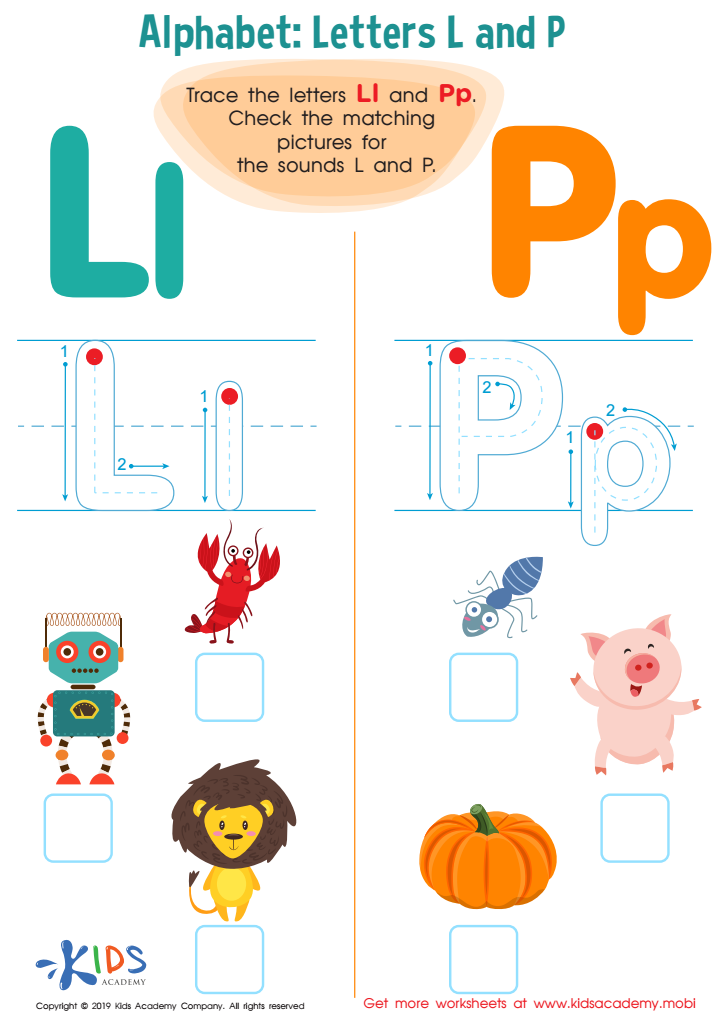
Letter L and P Tracing Worksheet








Letter tracing practice and letter recognition are vital components of early literacy development for children aged 4-7. Parents and teachers should prioritize these activities because they establish foundational skills necessary for reading and writing. Engaging in letter tracing helps children fine-tune their motor skills, enhancing their ability to form letters correctly. As they trace, they build muscle memory which reinforces their understanding of letter shapes and structures.
Additionally, letter recognition is crucial for vocabulary development and spelling skills. When children can identify and name letters, they gain confidence in decoding words, which is essential as they progress to reading fluency. Early awareness of letters also supports phonemic awareness, which relates sounds to their corresponding letters.
Moreover, letter tracing and recognition activities are often fun and interactive, making learning enjoyable. By participating in these practices, caregivers can create positive associations with letters and literacy, fostering a lifelong love of reading. Ultimately, prioritizing letter tracing and recognition helps cultivate early readers who are better prepared for academic success, laying a solid groundwork for their educational journey. Investing time in these skills serves both immediate and long-term benefits in a child's literacy development.







