Motor skills development Letter Recognition Worksheets for Ages 4-7
5 filtered results
-
From - To
Enhance your child’s early learning journey with our "Motor Skills Development Letter Recognition Worksheets for Ages 4-7". These expertly designed printable sheets combine fun, educational activities to promote letter recognition while honing fine motor skills. Ideal for preschoolers and early elementary students, each worksheet encourages tracing, coloring, and writing exercises that strengthen hand-eye coordination and dexterity. Kids will delight in exploring letters through engaging tasks tailored to their developmental stage. Perfect for both home and classroom settings, these worksheets pave the way for reading and writing success in a playful, rewarding manner. Unlock your child’s potential today with our comprehensive learning tools.
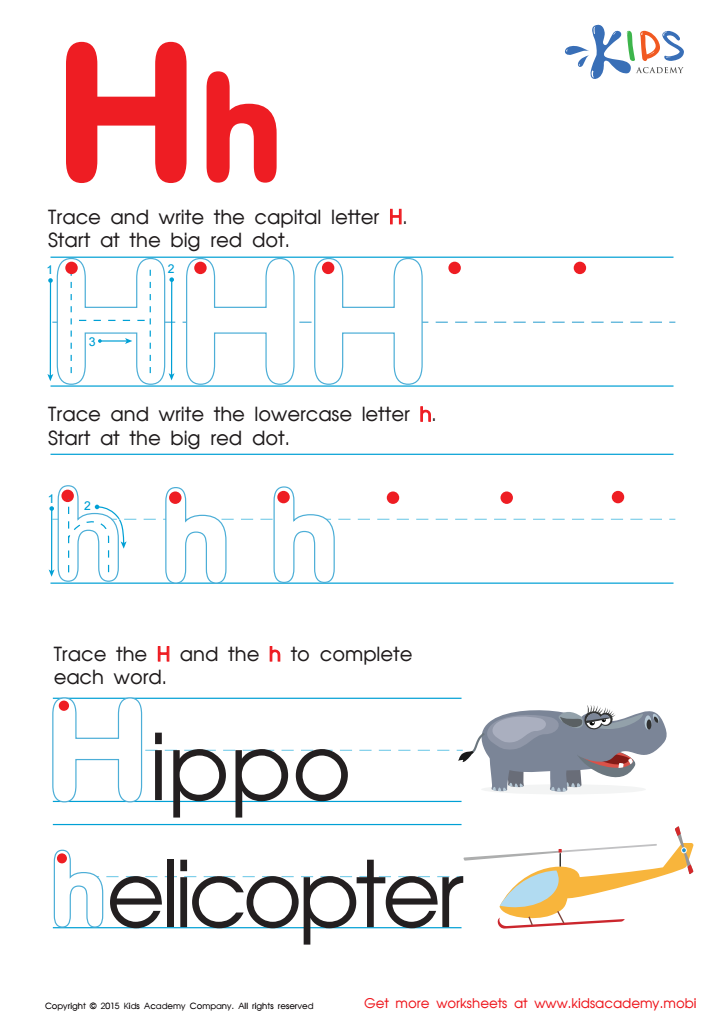
Letter H Tracing Page
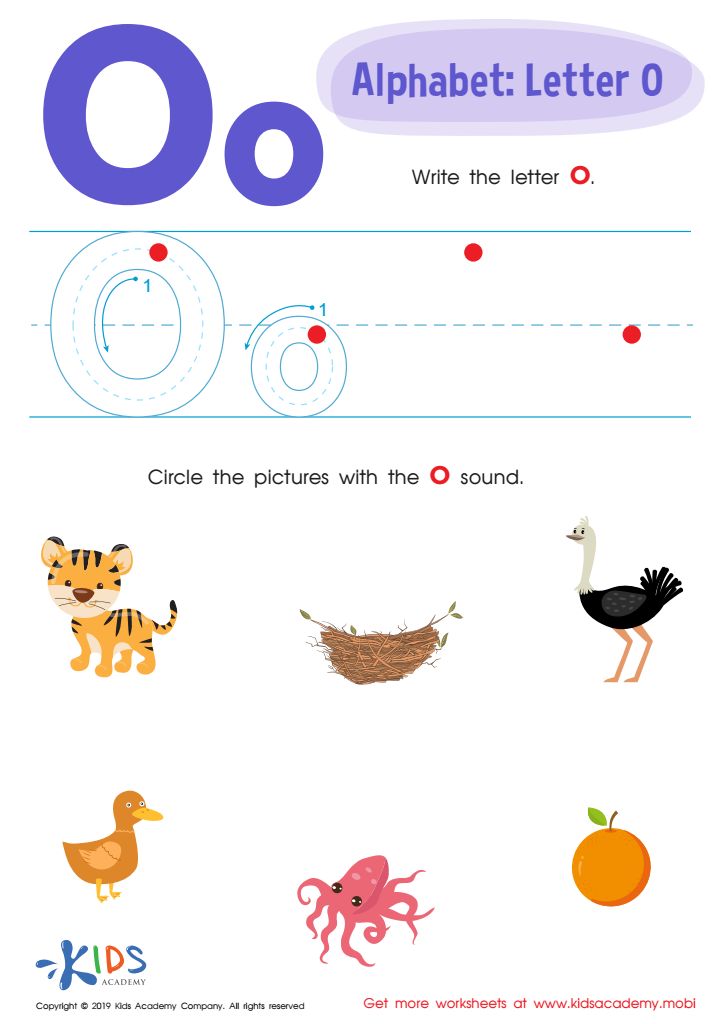
Letter O Tracing Worksheet
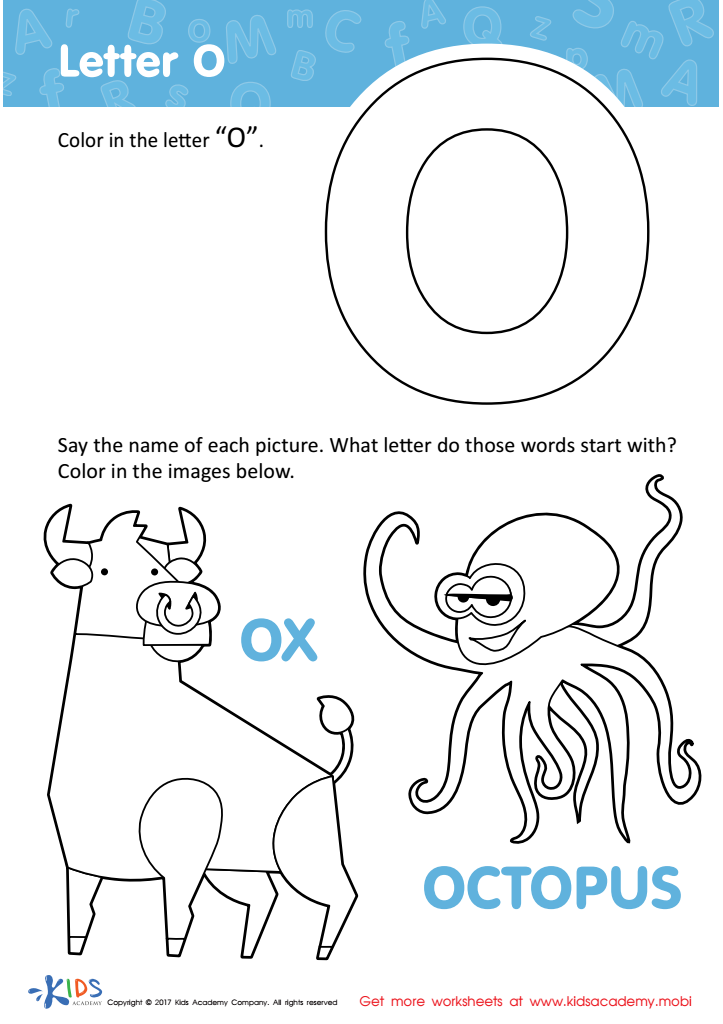
Letter O Coloring Sheet
 Assign to My Students
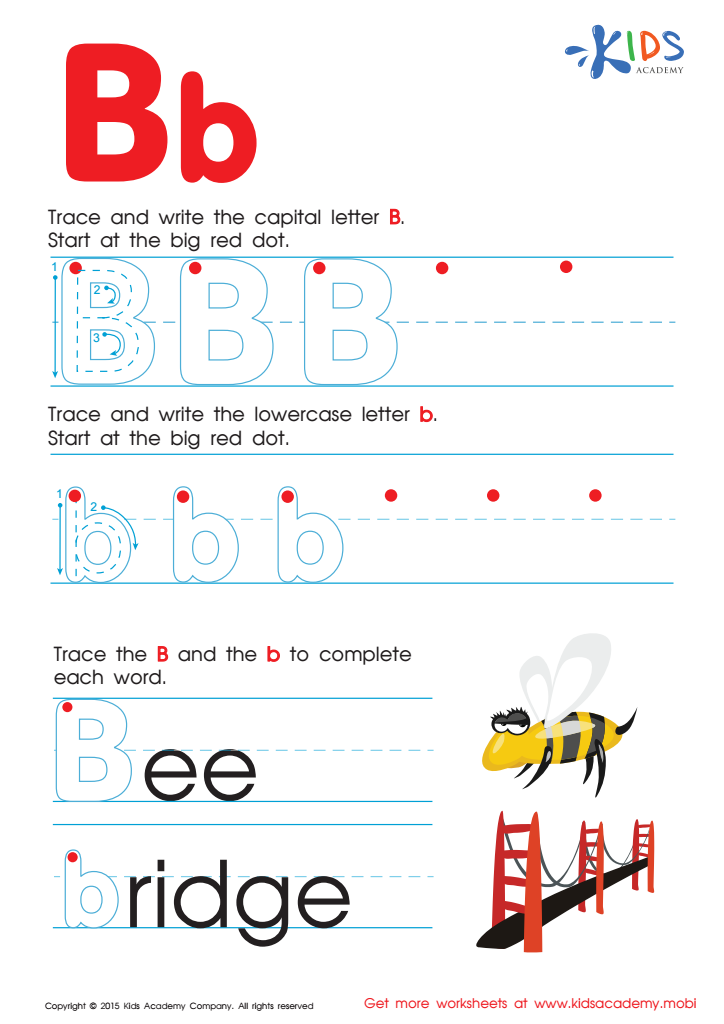
Letter B Tracing Page
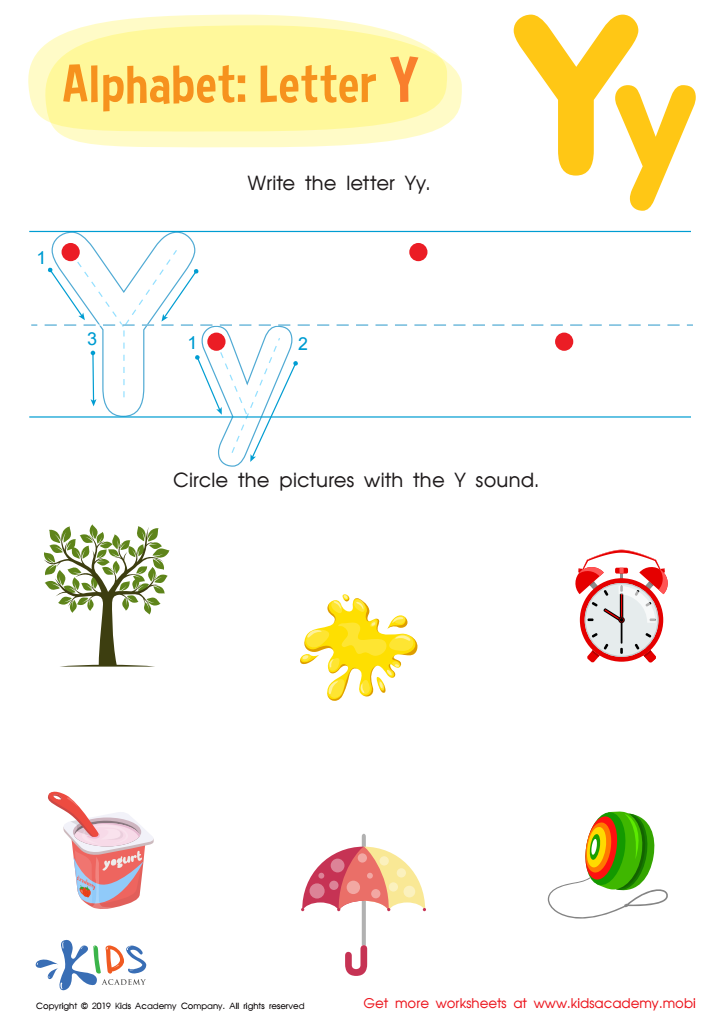
Letter Y Tracing Worksheet








Motor skills development and letter recognition are critical components of early childhood education, essential for children aged 4–7. Motor skills are divided into two categories—gross and fine. Gross motor skills, such as running and jumping, contribute to overall physical health and coordination. Fine motor skills, like holding a pencil or cutting with scissors, are vital for tasks such as writing. These skills are foundational for successful letter formation and, ultimately, handwriting.
Letter recognition is the ability to identify and name letters of the alphabet. This skill is crucial for literacy development, as it lays the groundwork for reading and writing. Early mastery of letter recognition predicts later success in reading; understanding and identifying letters help children decode words, facilitating fluent reading.
Parents and teachers should prioritize these skills as they provide the building blocks for future academic achievement. Engaging children in activities that enhance motor skills and expose them to letters—through play, art, and hands-on learning—promotes cognitive and motor coordination. Examples include tracing letters, building with blocks, and using finger paints. This holistic approach not only strengthens children's abilities in fine motor coordination and letter recognition but also fosters a love for learning, setting a positive tone for their educational journey. Investing in these early skills ensures children are well-prepared for the challenges of formal schooling.







